School of Biological Science and Medical Engineering, Beihang University, Beijing, China.
College of Clinical, Chinese Academy of Medical Sciences and Peking Union Medical College, Beijing, China.
Front Immunol. 2022 Sep 23;13:967356. doi: 10.3389/fimmu.2022.967356. eCollection 2022.
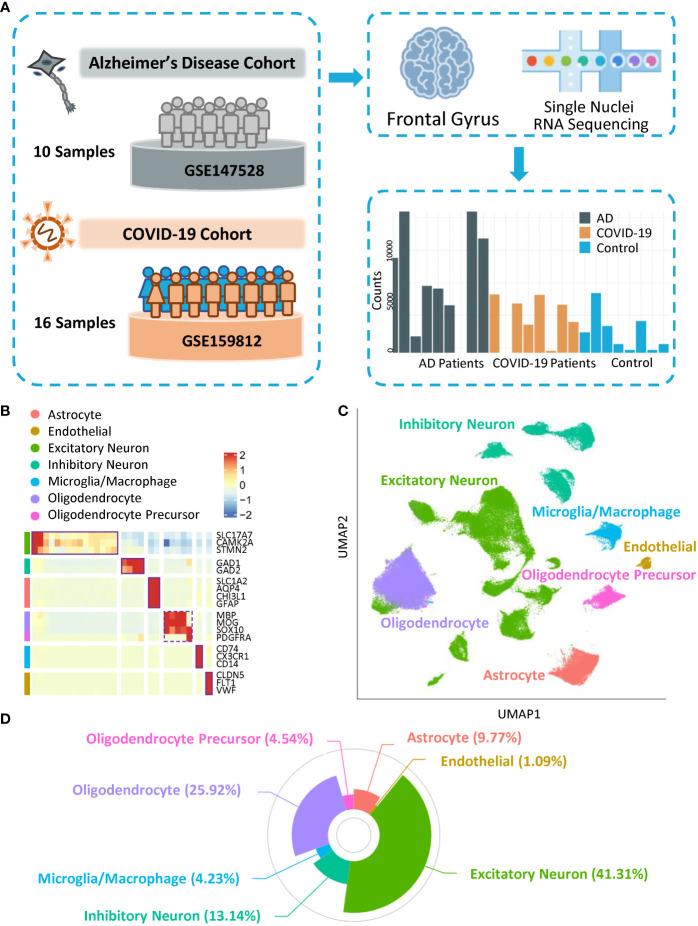
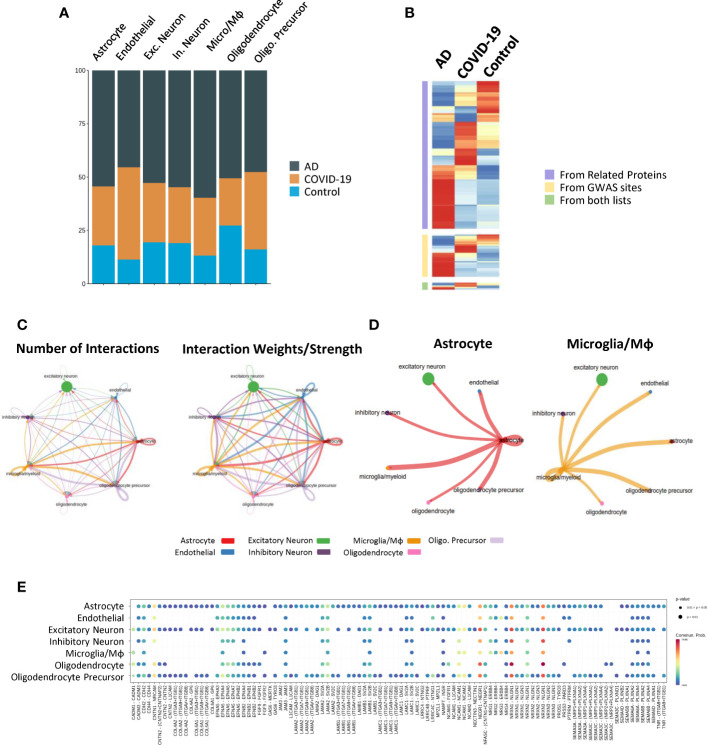
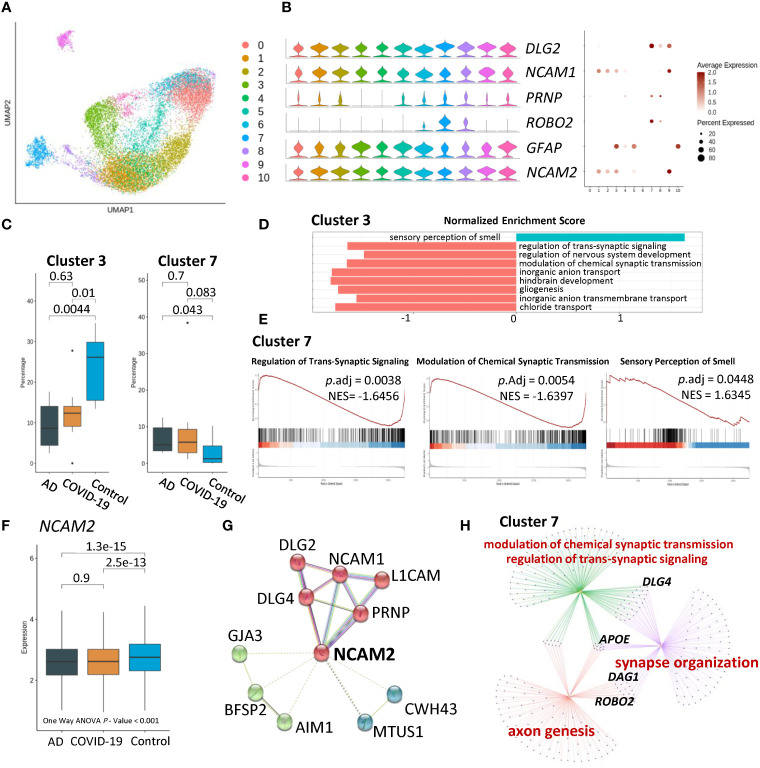
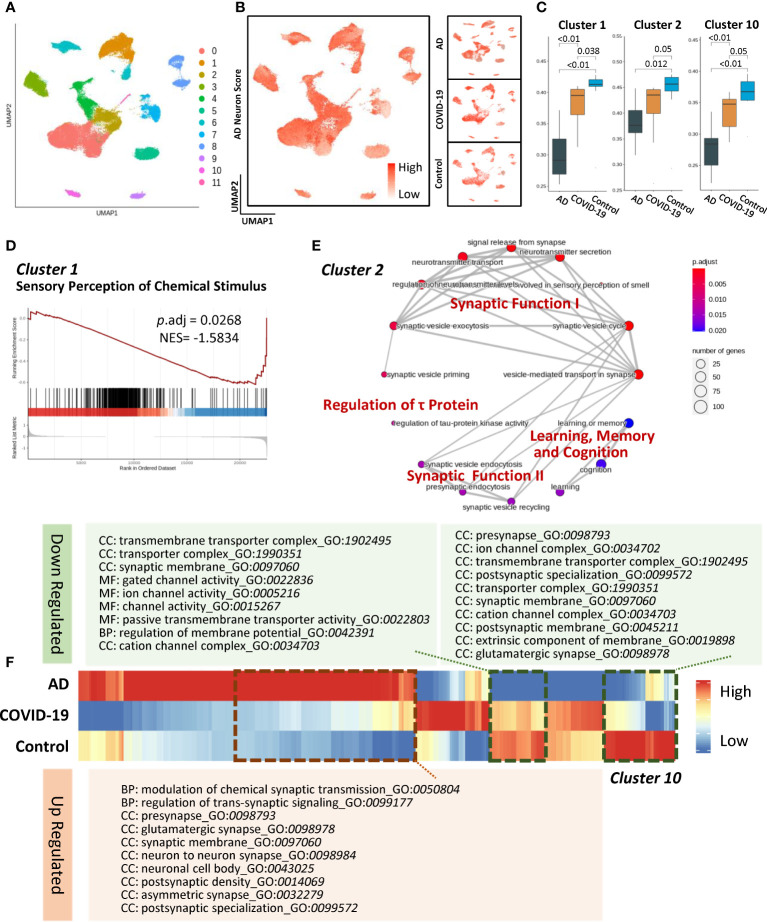
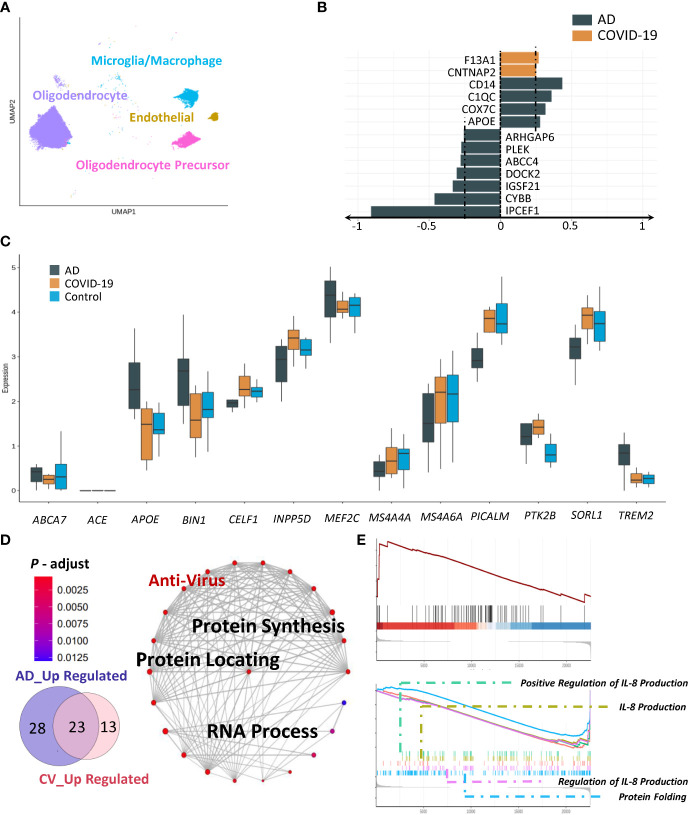
Alzheimer's disease (AD)-like cognitive impairment, a kind of Neuro-COVID syndrome, is a reported complication of SARS-CoV-2 infection. However, the specific mechanisms remain largely unknown. Here, we integrated single-nucleus RNA-sequencing data to explore the potential shared genes and pathways that may lead to cognitive dysfunction in AD and COVID-19. We also constructed ingenuity AD-high-risk scores based on AD-high-risk genes from transcriptomic, proteomic, and Genome-Wide Association Studies (GWAS) data to identify disease-associated cell subtypes and potential targets in COVID-19 patients. We demonstrated that the primary disturbed cell populations were astrocytes and neurons between the above two dis-eases that exhibit cognitive impairment. We identified significant relationships between COVID-19 and AD involving synaptic dysfunction, neuronal damage, and neuroinflammation. Our findings may provide new insight for future studies to identify novel targets for preventive and therapeutic interventions in COVID-19 patients.
阿尔茨海默病(AD)样认知障碍是一种神经 COVID-19 综合征,是 SARS-CoV-2 感染的一种报道的并发症。然而,其具体机制在很大程度上仍不清楚。在这里,我们整合了单细胞 RNA 测序数据,以探索可能导致 AD 和 COVID-19 认知功能障碍的潜在共享基因和途径。我们还基于转录组、蛋白质组和全基因组关联研究(GWAS)数据中的 AD 高风险基因构建了创意 AD 高风险评分,以确定 COVID-19 患者中与疾病相关的细胞亚型和潜在靶点。我们表明,上述两种疾病中表现出认知障碍的主要紊乱细胞群是星形胶质细胞和神经元。我们确定了 COVID-19 和 AD 之间的显著关系,涉及突触功能障碍、神经元损伤和神经炎症。我们的研究结果可能为未来的研究提供新的见解,以确定 COVID-19 患者预防和治疗干预的新靶点。