Department of Medicine, Northwestern University, Chicago, IL, United States.
Department of Pediatrics, Northwestern University, Chicago, IL, United States.
Front Immunol. 2022 Sep 23;13:924792. doi: 10.3389/fimmu.2022.924792. eCollection 2022.
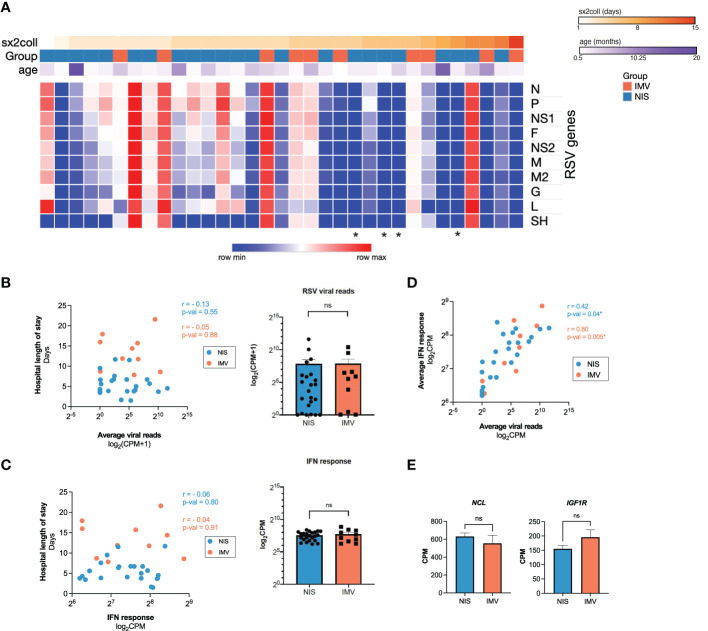
Respiratory syncytial virus (RSV) can cause life-threatening respiratory failure in infants. We sought to characterize the local host response to RSV infection in the nasal mucosa of infants with critical bronchiolitis and to identify early admission gene signatures associated with clinical outcomes.
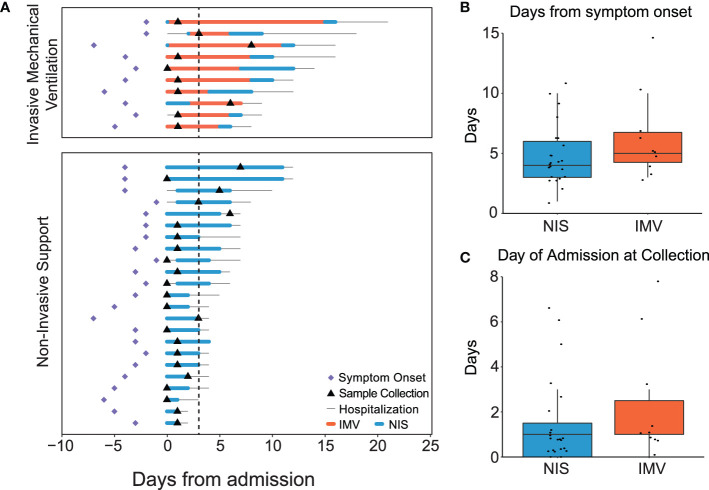
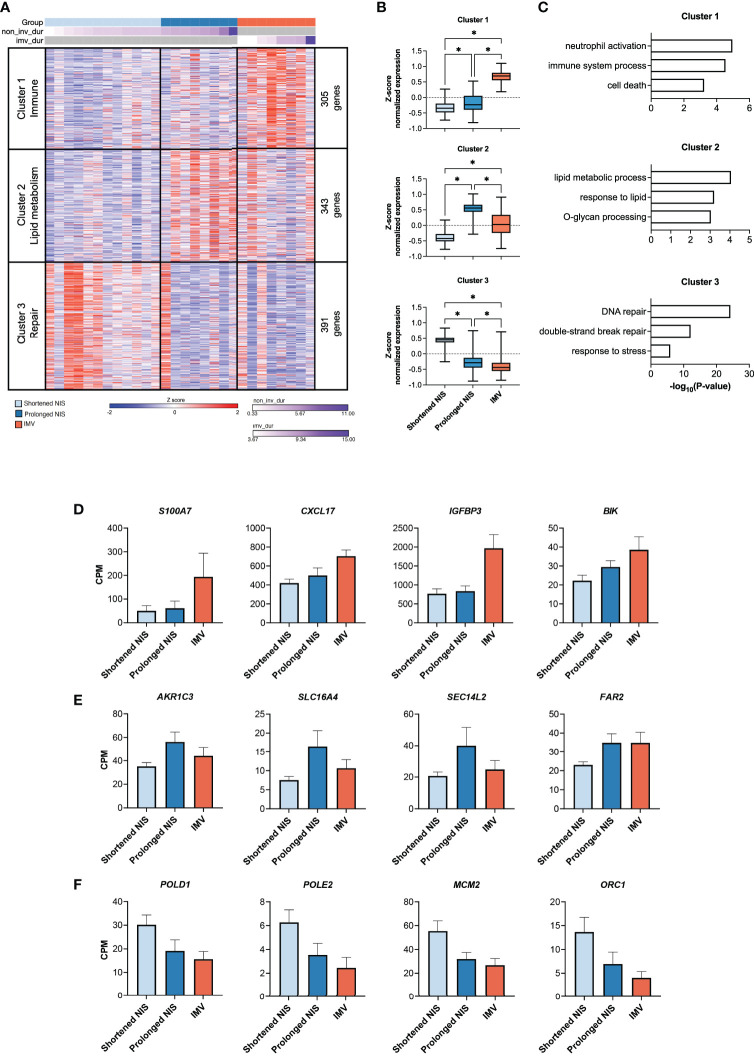
Nasal scrape biopsies were obtained from 33 infants admitted to the pediatric intensive care unit (PICU) with critical RSV bronchiolitis requiring non-invasive respiratory support (NIS) or invasive mechanical ventilation (IMV), and RNA sequencing (RNA-seq) was performed. Gene expression in participants who required shortened NIS (</= 3 days), prolonged NIS (> 3 days), and IMV was compared.
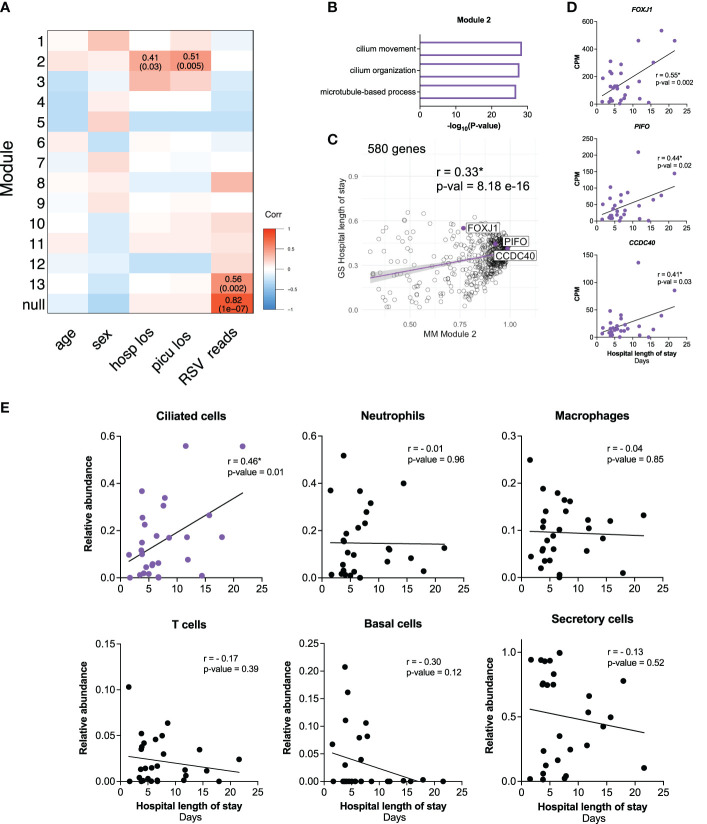
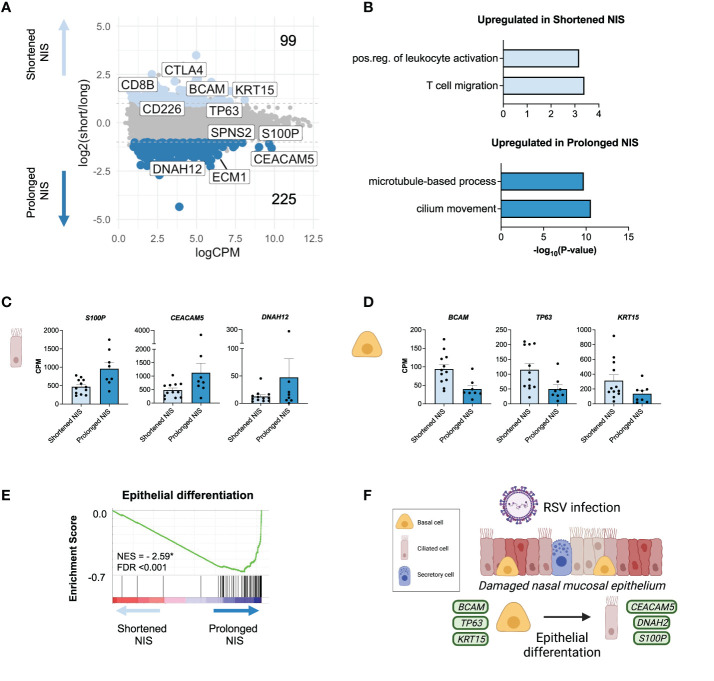
Increased expression of ciliated cell genes and estimated ciliated cell abundance, but not immune cell abundance, positively correlated with duration of hospitalization in infants with critical bronchiolitis. A ciliated cell signature characterized infants who required NIS for > 3 days while a basal cell signature was present in infants who required NIS for </= 3 days, despite both groups requiring an equal degree of respiratory support at the time of sampling. Infants who required invasive mechanical ventilation had increased expression of genes involved in neutrophil activation and cell death.
Increased expression of cilia-related genes in clinically indistinguishable infants with critical RSV may differentiate between infants who will require prolonged hospitalization and infants who will recover quickly. Validation of these findings in a larger cohort is needed to determine whether a cilia-related gene signature can predict duration of illness in infants with critical bronchiolitis. The ability to identify which infants with critical RSV bronchiolitis may require prolonged hospitalization using non-invasive nasal samples would provide invaluable prognostic information to parents and medical providers.
呼吸道合胞病毒(RSV)可导致婴儿发生危及生命的呼吸衰竭。我们旨在描述重症细支气管炎婴儿鼻黏膜中 RSV 感染的局部宿主反应,并确定与临床结局相关的早期入院基因特征。
对 33 名因重症 RSV 细支气管炎而入住儿科重症监护病房(PICU)、需要无创性呼吸支持(NIS)或有创性机械通气(IMV)的婴儿进行鼻刮活检,并进行 RNA 测序(RNA-seq)。比较需要缩短 NIS(<=3 天)、延长 NIS(>3 天)和 IMV 的参与者的基因表达。
在患有重症细支气管炎的婴儿中,纤毛细胞基因和估计的纤毛细胞丰度的增加表达与住院时间的长短呈正相关,而与免疫细胞丰度无关。一个纤毛细胞特征描述了需要 NIS>3 天的婴儿,而一个基底细胞特征存在于需要 NIS<=3 天的婴儿中,尽管两组在采样时都需要同等程度的呼吸支持。需要有创性机械通气的婴儿中,与中性粒细胞激活和细胞死亡相关的基因表达增加。
在临床上无法区分的患有重症 RSV 的婴儿中,与纤毛相关的基因表达增加可能区分需要长时间住院的婴儿和快速康复的婴儿。在更大的队列中验证这些发现,以确定与纤毛相关的基因特征是否可以预测重症细支气管炎婴儿的病程。使用非侵入性鼻样本识别哪些患有重症 RSV 细支气管炎的婴儿可能需要长时间住院,这将为父母和医疗提供者提供宝贵的预后信息。