Department of Pediatrics, Xiangyang Central Hospital, Affiliated Hospital of Hubei University of Arts and Science, Xiangyang, 441021, Hubei, China.
Virol J. 2023 Oct 5;20(1):224. doi: 10.1186/s12985-023-02194-w.
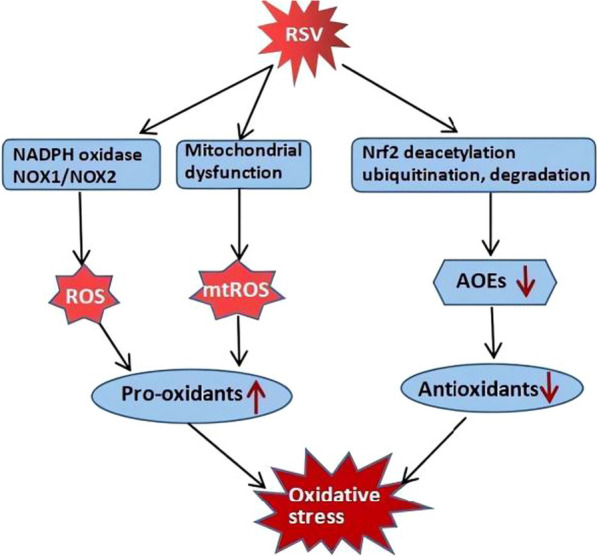
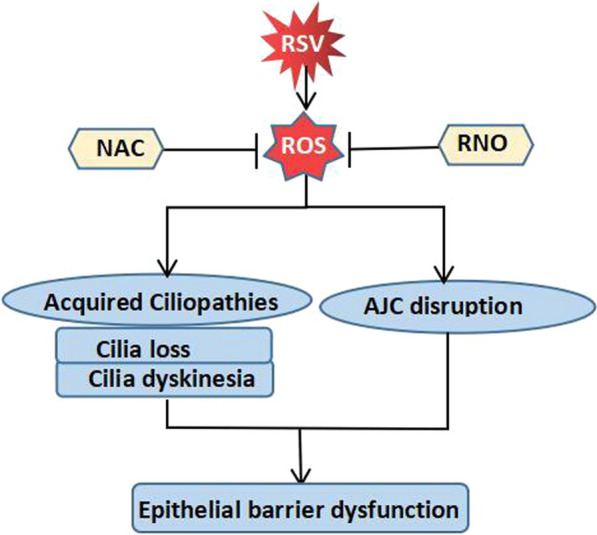
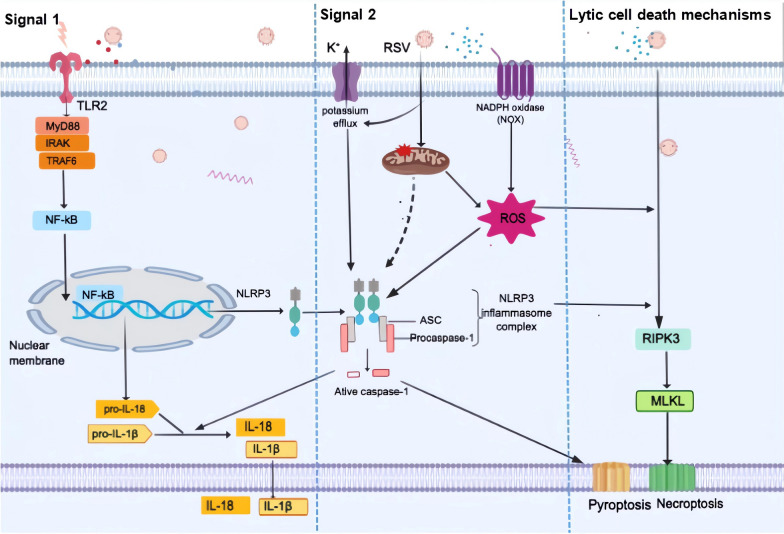
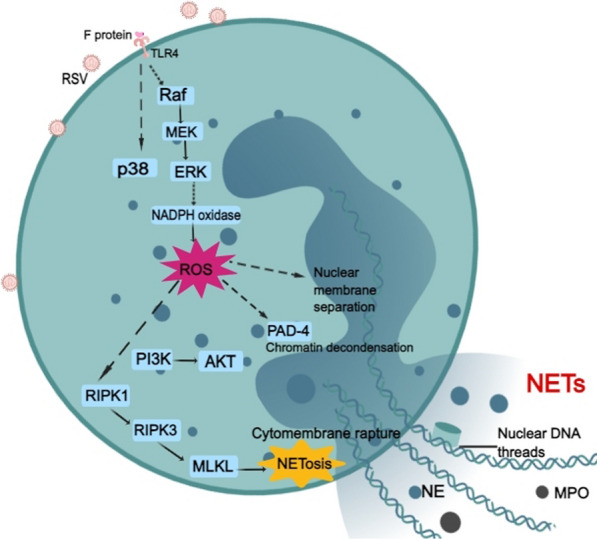
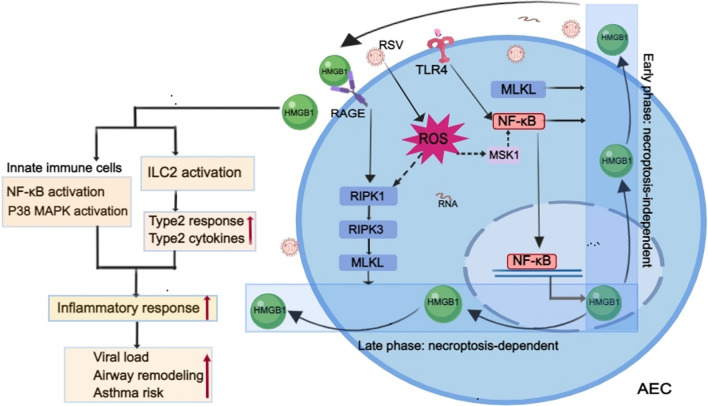
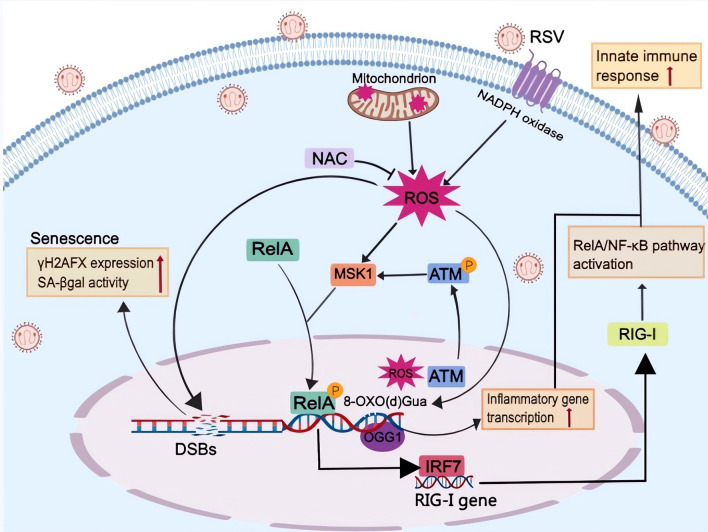
Respiratory syncytial virus (RSV), a member of the Pneumoviridae family, can cause severe acute lower respiratory tract infection in infants, young children, immunocompromised individuals and elderly people. RSV is associated with an augmented innate immune response, enhanced secretion of inflammatory cytokines, and necrosis of infected cells. Oxidative stress, which is mainly characterized as an imbalance in the production of reactive oxygen species (ROS) and antioxidant responses, interacts with all the pathophysiologic processes above and is receiving increasing attention in RSV infection. A gradual accumulation of evidence indicates that ROS overproduction plays an important role in the pathogenesis of severe RSV infection and serves as a major factor in pulmonary inflammation and tissue damage. Thus, antioxidants seem to be an effective treatment for severe RSV infection. This article mainly reviews the information on oxidative stress and ROS-mediated cellular events during RSV infection for the first time.
呼吸道合胞病毒(RSV)属于副黏病毒科,可引起婴幼儿、儿童、免疫功能低下者和老年人的严重急性下呼吸道感染。RSV 与先天免疫反应增强、炎症细胞因子分泌增加和感染细胞坏死有关。氧化应激主要表现为活性氧(ROS)产生和抗氧化反应失衡,与上述所有病理生理过程相互作用,在 RSV 感染中受到越来越多的关注。越来越多的证据表明,ROS 过度产生在 RSV 感染的发病机制中起重要作用,并成为肺部炎症和组织损伤的主要因素。因此,抗氧化剂似乎是治疗严重 RSV 感染的有效方法。本文首次主要综述了 RSV 感染过程中氧化应激和 ROS 介导的细胞事件的相关信息。