Odahara Masaki, Horii Yoko, Itami Jun, Watanabe Kenta, Numata Keiji
Biomacromolecule Research Team, RIKEN Center for Sustainable Resource Science, Wako, Japan.
Department of Material Chemistry, Kyoto University, Kyoto, Japan.
Front Plant Sci. 2022 Sep 23;13:989310. doi: 10.3389/fpls.2022.989310. eCollection 2022.
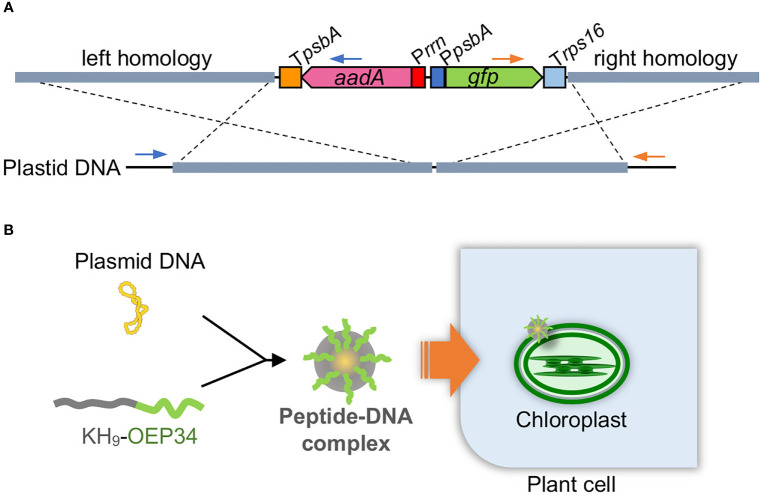
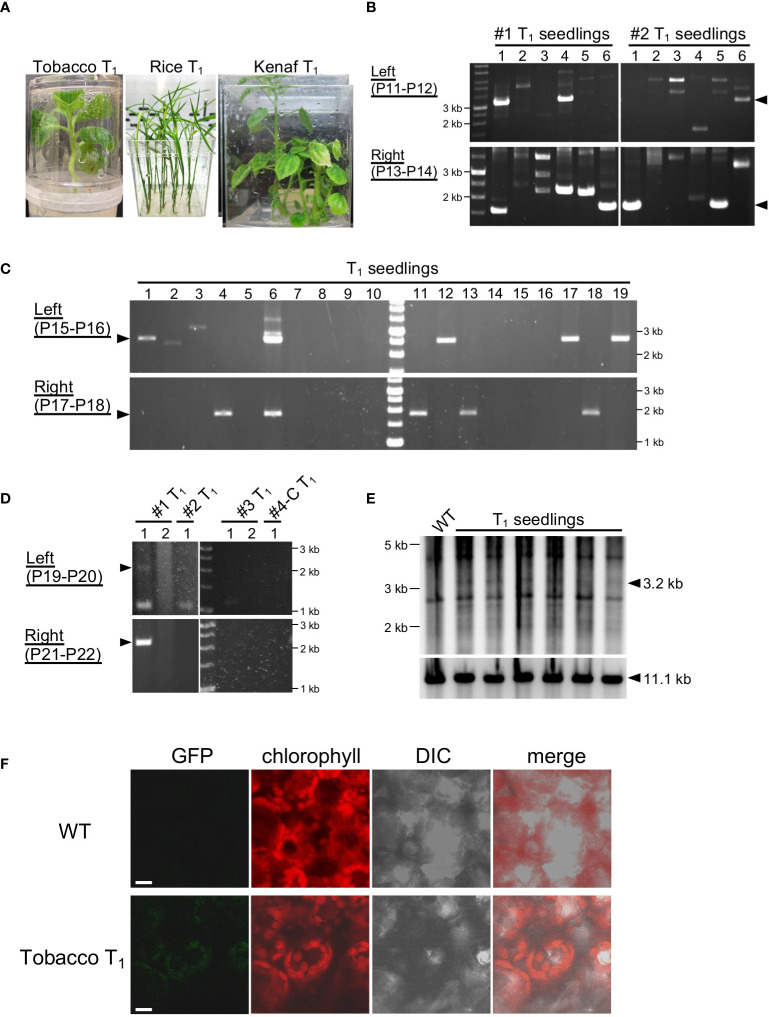
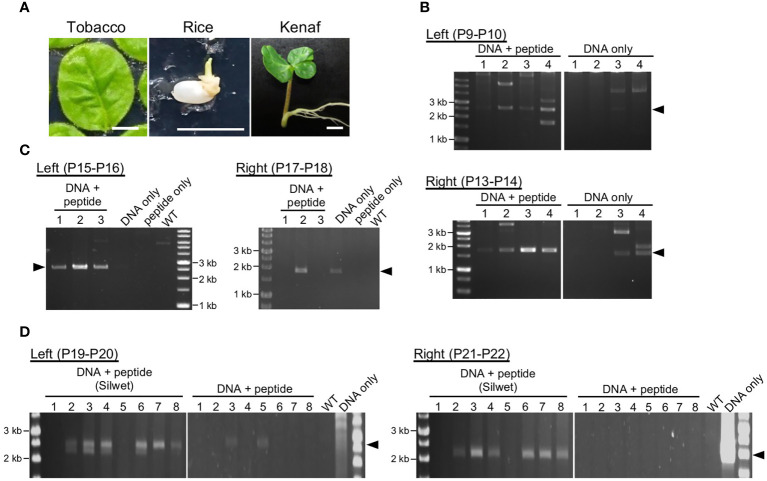
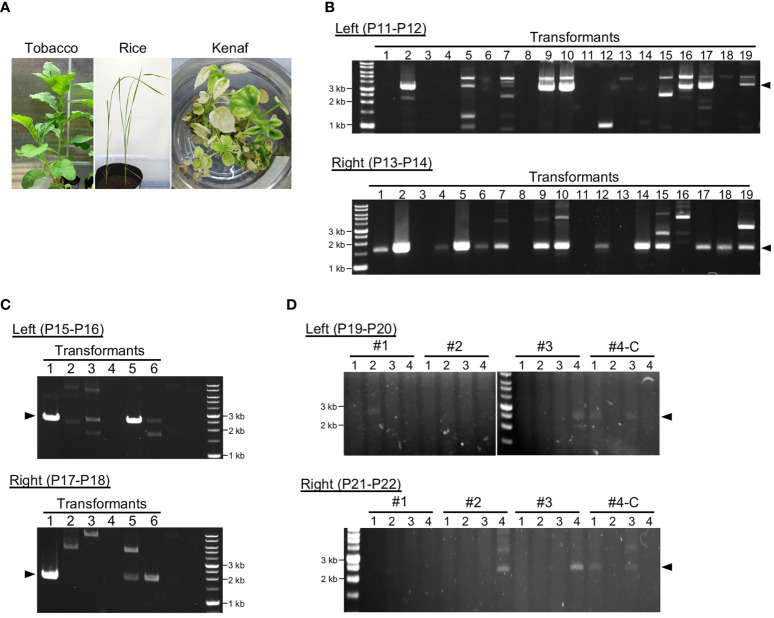
In plant engineering, plastid transformation is more advantageous than nuclear transformation because it results in high levels of protein expression from multiple genome copies per cell and is unaffected by gene silencing. The common plastid transformation methods are biolistic bombardment that requires special instruments and PEG-mediated transformation that is only applicable to protoplast cells. Here, we aimed to establish a new plastid transformation method in tobacco, rice, and kenaf using a biocompatible fusion peptide as a carrier to deliver DNA into plastids. We used a fusion peptide, KH-AtOEP34, comprising a polycationic DNA-binding peptide (KH) and a plastid-targeting peptide (AtOEP34) to successfully deliver and integrate construct DNA into plastid DNA (ptDNA) homologous recombination. We obtained transformants in each species using selection with spectinomycin/streptomycin and the corresponding resistance gene . The constructs remained in ptDNA for several months after introduction even under non-selective condition. The transformants normally flowered and are fertile in most cases. The offspring of the transformants (the T generation) retained the integrated construct DNA in their ptDNA, as indicated by PCR and DNA blotting, and expressed GFP in plastids from the integrated construct DNA. In summary, we successfully used the fusion peptide method for integration of foreign DNA in tobacco, rice, and kenaf ptDNA, and the integrated DNA was transmitted to the next generations. Whereas optimization is necessary to obtain homoplasmic plastid transformants that enable stable heterologous expression of genes, the plastid transformation method shown here is a novel nanomaterial-based approach distinct from the conventional methods, and we propose that this easy method could be used to target a wide variety of plants.
在植物工程中,质体转化比核转化更具优势,因为它能使每个细胞中的多个基因组拷贝实现高水平的蛋白质表达,且不受基因沉默的影响。常见的质体转化方法有需要特殊仪器的生物弹轰击法,以及仅适用于原生质体细胞的聚乙二醇介导转化法。在此,我们旨在利用生物相容性融合肽作为载体,将DNA导入质体,从而在烟草、水稻和红麻中建立一种新的质体转化方法。我们使用了一种融合肽KH-AtOEP34,它由一个聚阳离子DNA结合肽(KH)和一个质体靶向肽(AtOEP34)组成,成功地将构建体DNA通过同源重组导入并整合到质体DNA(ptDNA)中。我们通过用壮观霉素/链霉素和相应的抗性基因进行筛选,在每个物种中获得了转化体。即使在非选择条件下,构建体在导入后仍能在ptDNA中保留数月。在大多数情况下,转化体能正常开花且可育。转化体的后代(T代)在其ptDNA中保留了整合的构建体DNA,这通过PCR和DNA印迹得以证实,并且从整合的构建体DNA中在质体中表达了绿色荧光蛋白(GFP)。总之,我们成功地利用融合肽方法将外源DNA整合到烟草、水稻和红麻的ptDNA中,并且整合的DNA能传递到下一代。虽然需要进行优化以获得能够实现基因稳定异源表达的同质性质体转化体,但这里展示的质体转化方法是一种不同于传统方法的基于新型纳米材料的方法,我们认为这种简便方法可用于多种植物的靶向转化。