
心脏纤维化的治疗:从神经激素抑制剂到 CAR-T 细胞疗法。
Treatment of cardiac fibrosis: from neuro-hormonal inhibitors to CAR-T cell therapy.
机构信息
Interdisciplinary Center for Health Sciences, Scuola Superiore Sant'Anna, Pisa, Italy.
Cardiology Division, Fondazione Toscana Gabriele Monasterio, Pisa, Italy.
出版信息
Heart Fail Rev. 2023 Mar;28(2):555-569. doi: 10.1007/s10741-022-10279-x. Epub 2022 Oct 11.
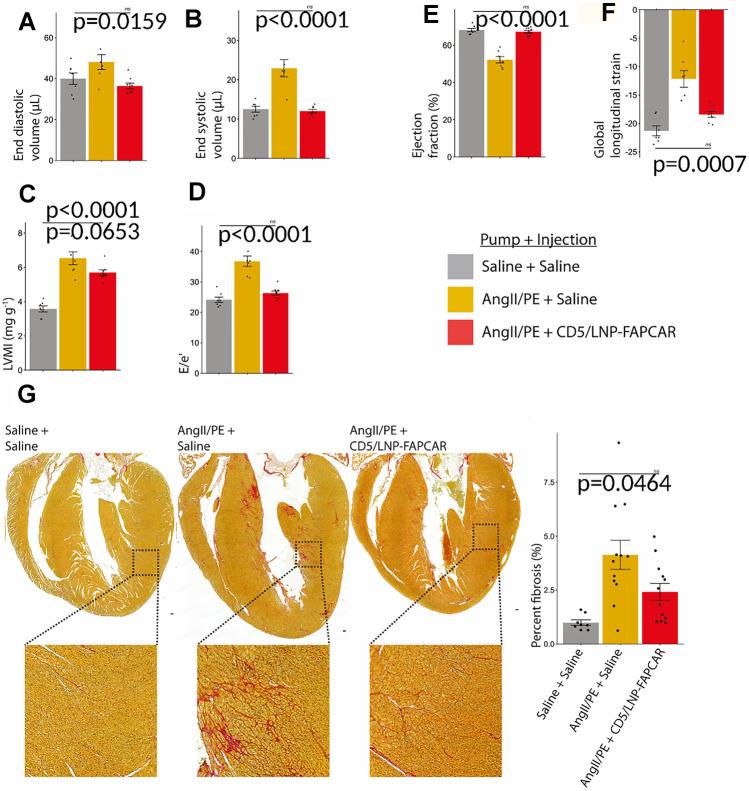
Cardiac fibrosis is characterized by the deposition of extracellular matrix proteins in the spaces between cardiomyocytes following both acute and chronic tissue damage events, resulting in the remodeling and stiffening of heart tissue. Fibrosis plays an important role in the pathogenesis of many cardiovascular disorders, including heart failure and myocardial infarction. Several studies have identified fibroblasts, which are induced to differentiate into myofibroblasts in response to various types of damage, as the most important cell types involved in the fibrotic process. Some drugs, such as inhibitors of the renin-angiotensin-aldosterone system, have been shown to be effective in reducing cardiac fibrosis. There are currently no drugs with primarily anti-fibrotic action approved for clinical use, as well as the evidence of a clinical efficacy of these drugs is extremely limited, despite the numerous encouraging results from experimental studies. A new approach is represented by the use of CAR-T cells engineered in vivo using lipid nanoparticles containing mRNA coding for a receptor directed against the FAP protein, expressed by cardiac myofibroblasts. This strategy has proved to be safe and effective in reducing myocardial fibrosis and improving cardiac function in mouse models of cardiac fibrosis. Clinical studies are required to test this novel approach in humans.
心肌纤维化的特征是在急性和慢性组织损伤事件后,细胞外基质蛋白在心肌细胞之间沉积,导致心脏组织重构和变硬。纤维化在许多心血管疾病的发病机制中起着重要作用,包括心力衰竭和心肌梗死。几项研究已经确定了成纤维细胞,它们在各种类型的损伤下被诱导分化为肌成纤维细胞,是纤维化过程中最重要的细胞类型。一些药物,如肾素-血管紧张素-醛固酮系统抑制剂,已被证明能有效减少心肌纤维化。目前尚无主要具有抗纤维化作用的药物获得临床批准,尽管实验研究取得了许多令人鼓舞的结果,但这些药物的临床疗效证据极其有限。一种新方法是使用含有针对心脏成纤维细胞表达的 FAP 蛋白的受体的 mRNA 的脂质纳米颗粒在体内工程化 CAR-T 细胞。该策略已被证明在减少心肌纤维化和改善心肌纤维化小鼠模型的心脏功能方面是安全有效的。需要进行临床试验来测试这种新方法在人类中的应用。



 Zotero 插件