Cheng Xuelian, Li Jingjing, Feng Limei, Feng Songwei, Wu Xiao, Li Yongming
School of Medicine and Holistic Integrative Medicine, Jiangsu Collaborative Innovation Center of Chinese Medicinal Resources Industrialization, Nanjing University of Chinese Medicine, Nanjing, China.
School of Medicine, Southeast University, Nanjing, China.
Front Pharmacol. 2022 Sep 26;13:1011033. doi: 10.3389/fphar.2022.1011033. eCollection 2022.
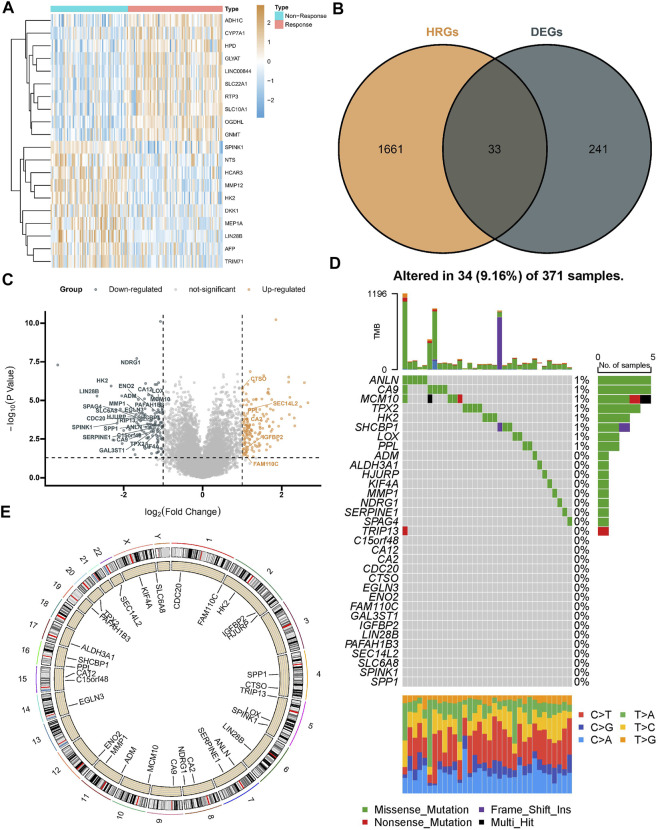
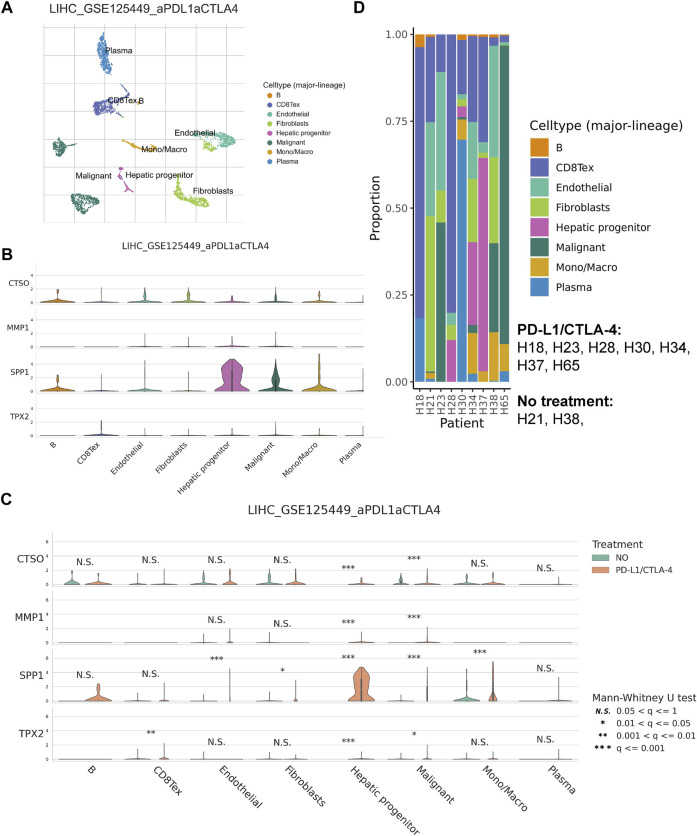
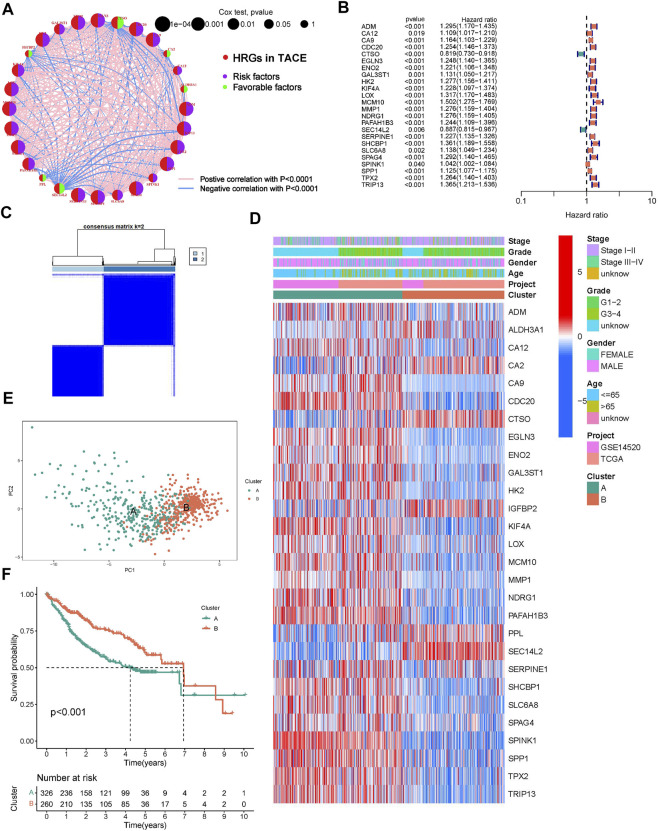
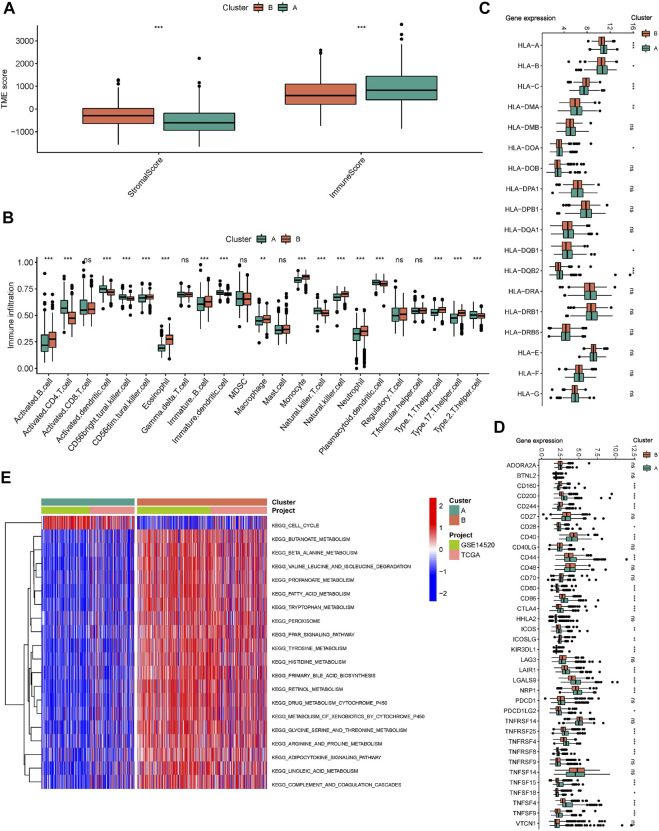
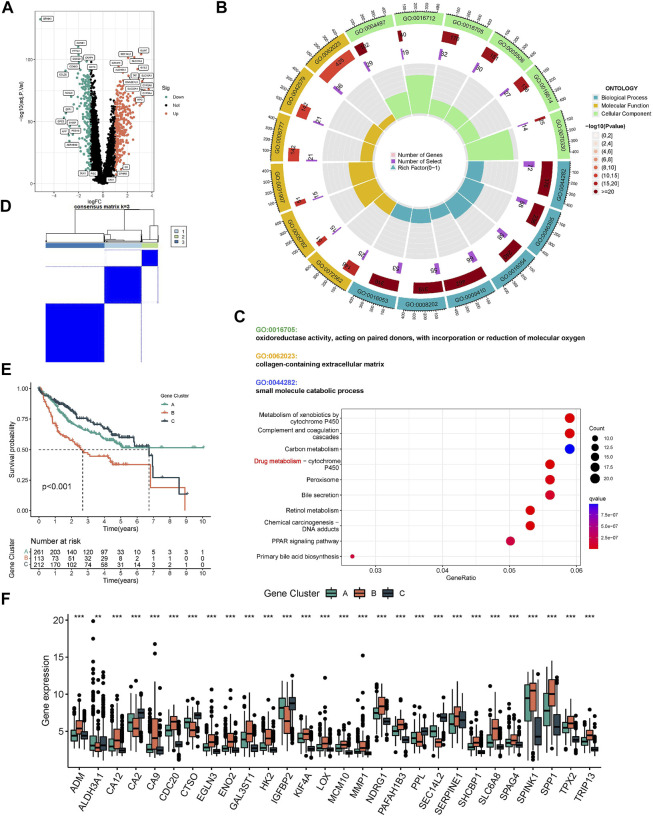
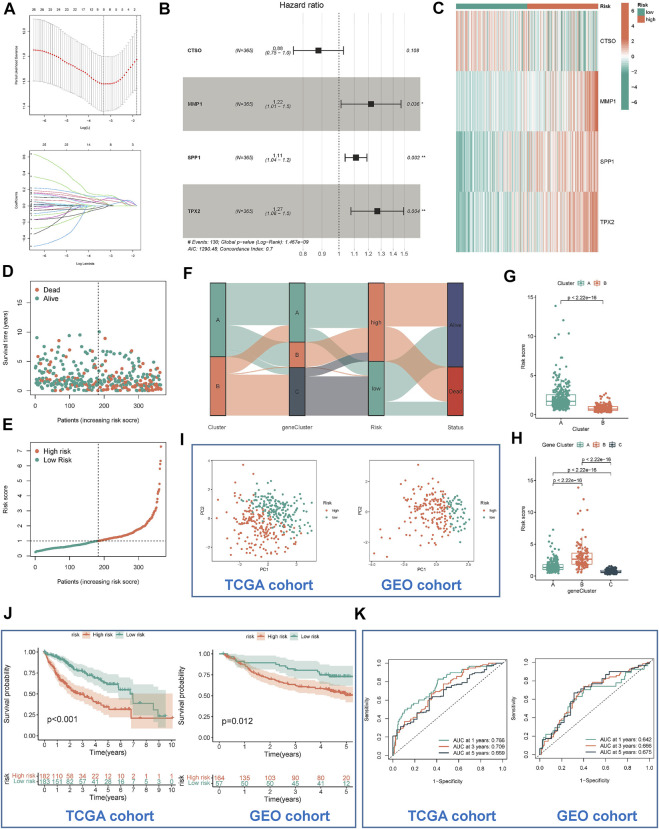
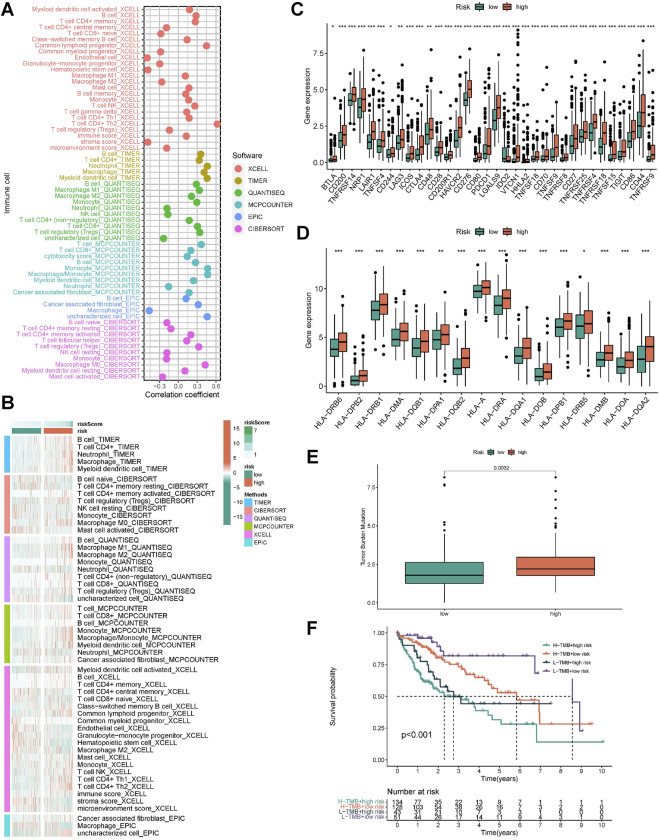
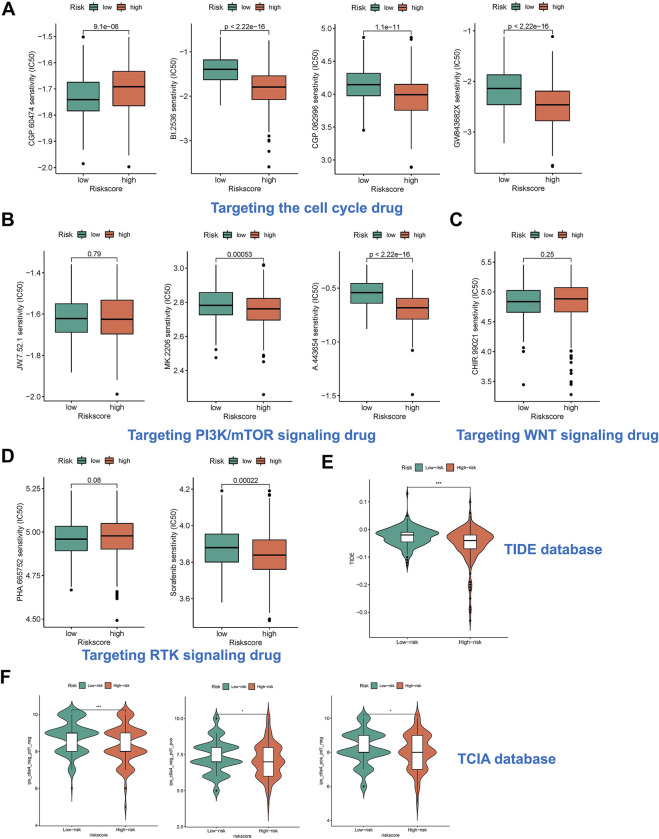
Transcatheter arterial chemoembolization (TACE) is an effective treatment for hepatocellular carcinoma (HCC). During TACE, chemotherapeutic agents are locally infused into the tumor and simultaneously cause hypoxia in tumor cells. Importantly, the poor effect of TACE in some HCC patients has been shown to be related to dysregulated expression of hypoxia-related genes (HRGs). Therefore, we identified 33 HRGs associated with TACE (HRGTs) by differential analysis and characterized the mutational landscape of HRGTs. Among 586 HCC patients, two molecular subtypes reflecting survival status were identified by consistent clustering analysis based on 24 prognosis-associated HRGs. Comparing the transcriptomic difference of the above molecular subtypes, three molecular subtypes that could reflect changes in the immune microenvironment were then identified. Ultimately, four HRGTs (, , , ) were identified based on machine learning approachs. Importantly, risk assessment can be performed for each patient by these genes. Based on the parameters of the risk model, we determined that high-risk patients have a more active immune microenvironment, indicating "hot tumor" status. And the Tumor Immune Dysfunction and Exclusion (TIDE), the Cancer Immunome Atlas (TCIA), and Genome of Drug Sensitivity in Cancer (GDSC) databases further demonstrated that high-risk patients have a positive response to immunotherapy and have lower IC50 values for drugs targeting cell cycle, PI3K/mTOR, WNT, and RTK related signaling pathways. Finally, single-cell level analysis revealed significant overexpression of , , , and in malignant cell after PD-L1/CTLA-4 treatment. In conclusion, Onco-Multi-OMICS analysis showed that HRGs are potential biomarkers for patients with refractory TACE, and it provides a novel immunological perspective for developing personalized therapies.
经动脉化疗栓塞术(TACE)是肝细胞癌(HCC)的一种有效治疗方法。在TACE过程中,化疗药物被局部注入肿瘤,同时导致肿瘤细胞缺氧。重要的是,TACE在一些HCC患者中效果不佳已被证明与缺氧相关基因(HRGs)的表达失调有关。因此,我们通过差异分析确定了33个与TACE相关的HRGs(HRGTs),并对HRGTs的突变图谱进行了表征。在586例HCC患者中,基于24个预后相关的HRGs通过一致性聚类分析确定了反映生存状态的两种分子亚型。比较上述分子亚型的转录组差异,然后确定了三种可反映免疫微环境变化的分子亚型。最终,基于机器学习方法确定了四个HRGTs(、、、)。重要的是,可以通过这些基因对每位患者进行风险评估。基于风险模型的参数,我们确定高危患者具有更活跃的免疫微环境,表明处于“热肿瘤”状态。肿瘤免疫功能障碍与排除(TIDE)、癌症免疫图谱(TCIA)和癌症药物敏感性基因组(GDSC)数据库进一步证明,高危患者对免疫治疗有阳性反应,并且针对细胞周期、PI3K/mTOR、WNT和RTK相关信号通路的药物的IC50值较低。最后,单细胞水平分析显示,在PD-L1/CTLA-4治疗后,恶性细胞中、、、和显著过表达。总之,肿瘤多组学分析表明,HRGs是难治性TACE患者的潜在生物标志物,并为开发个性化治疗提供了新免疫视角。