Yusuf Hamied Department of Chemistry, University of Cambridge, Lensfield Road, Cambridge CB2 1EW, UK.
Org Biomol Chem. 2022 Nov 2;20(42):8285-8292. doi: 10.1039/d2ob01627c.
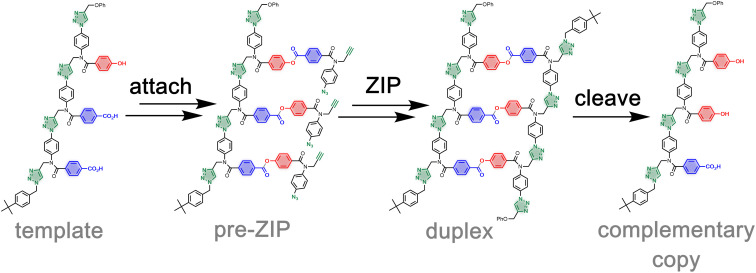
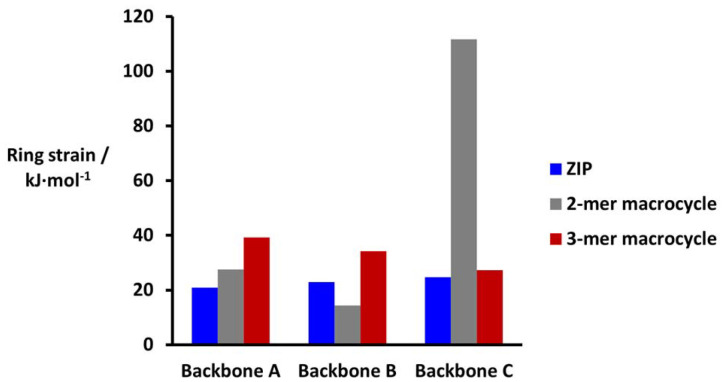
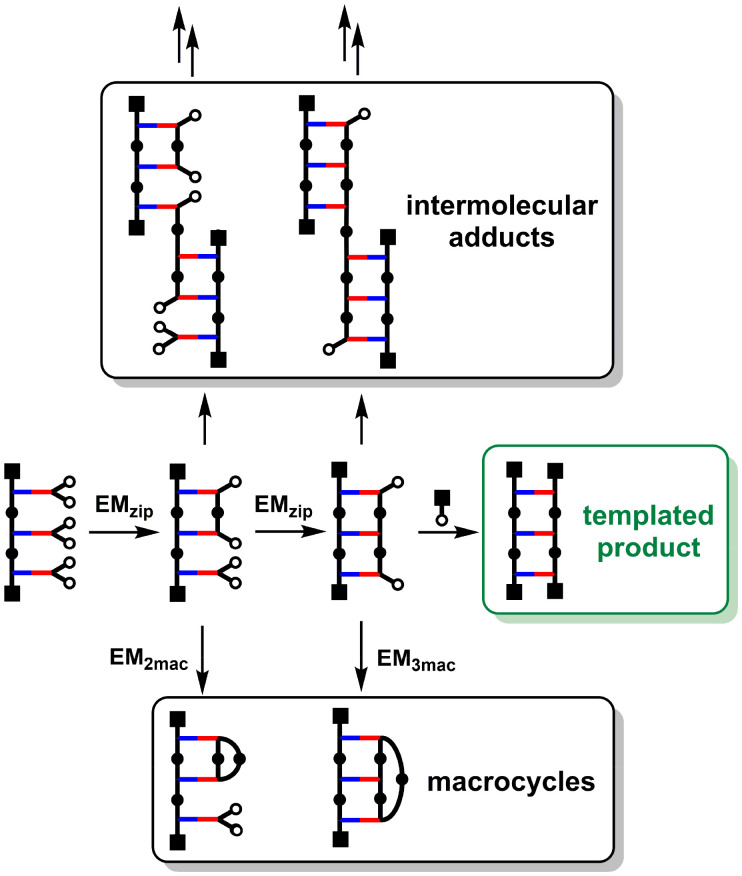
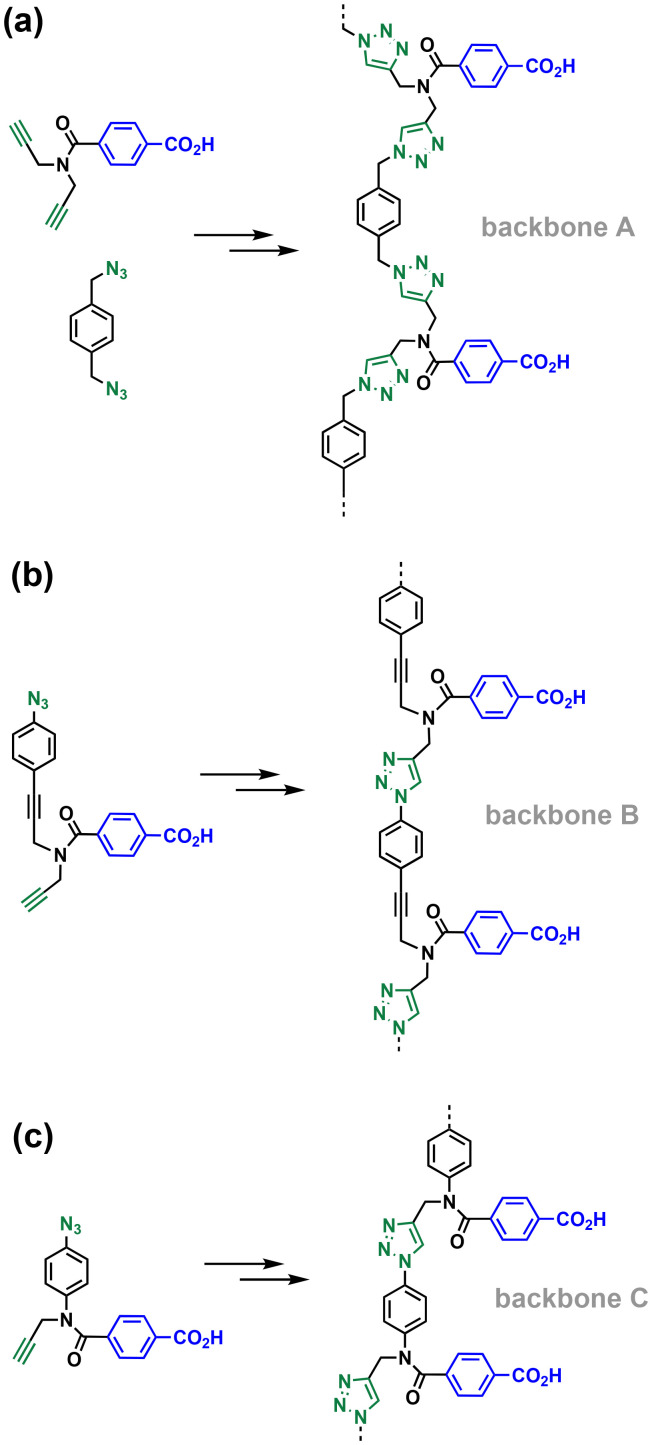
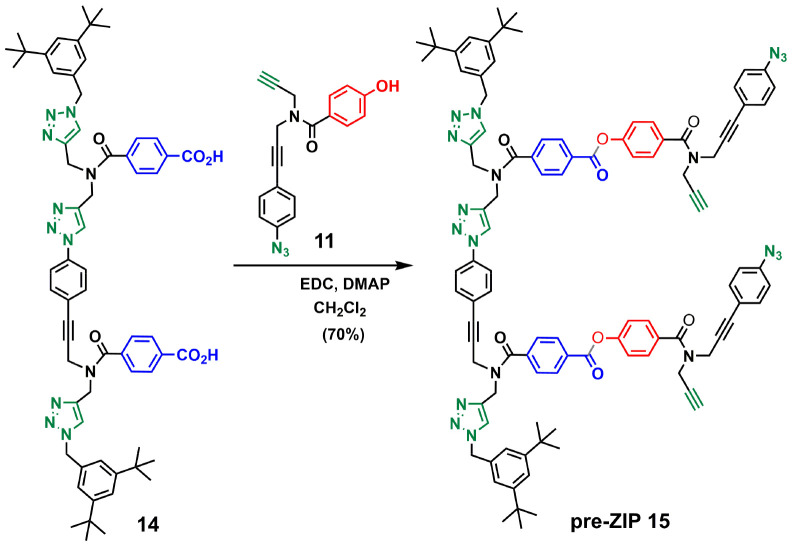
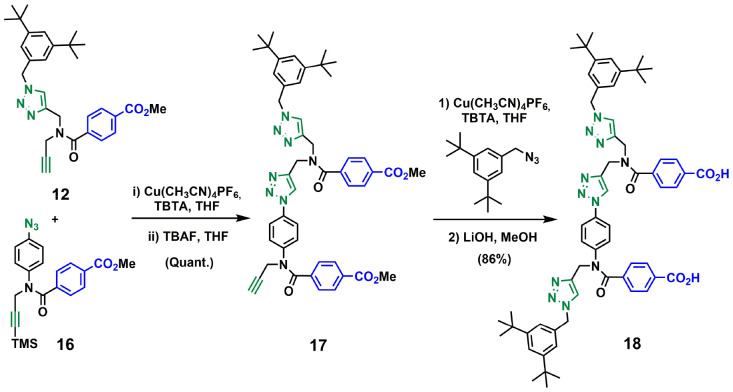
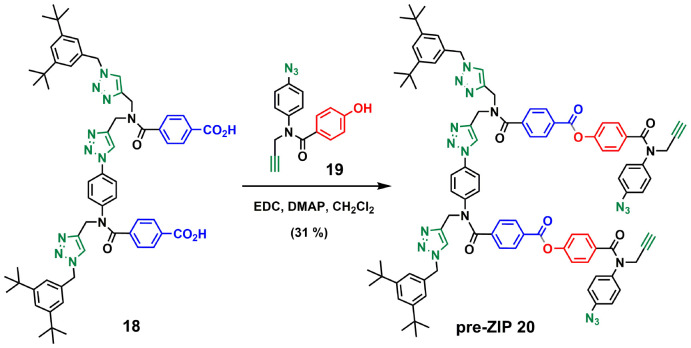
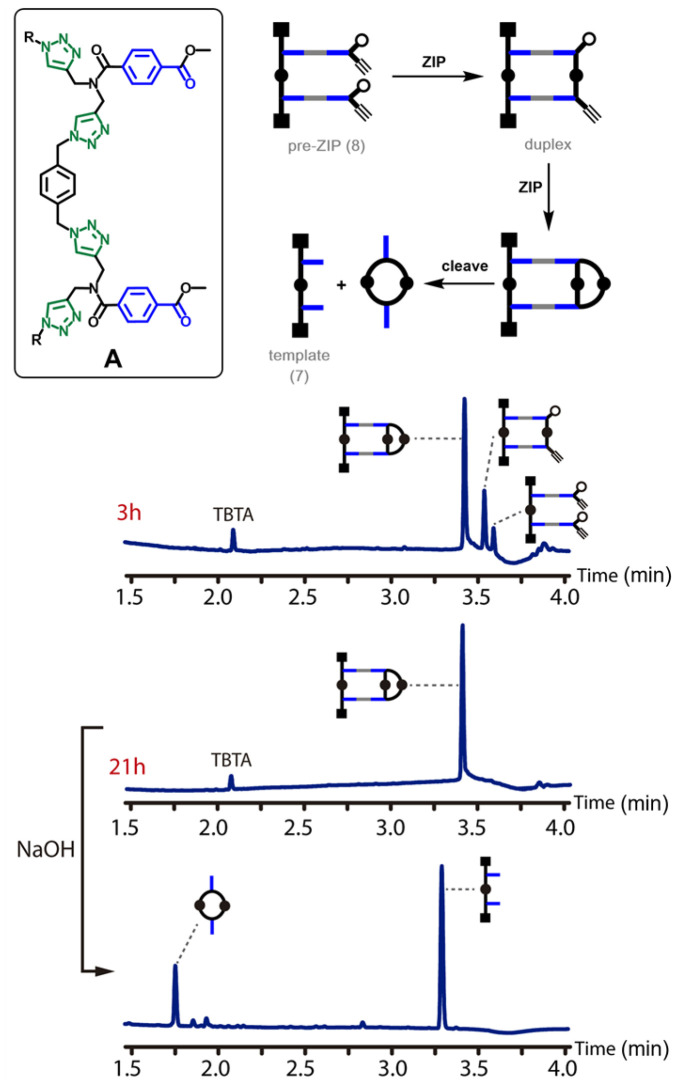
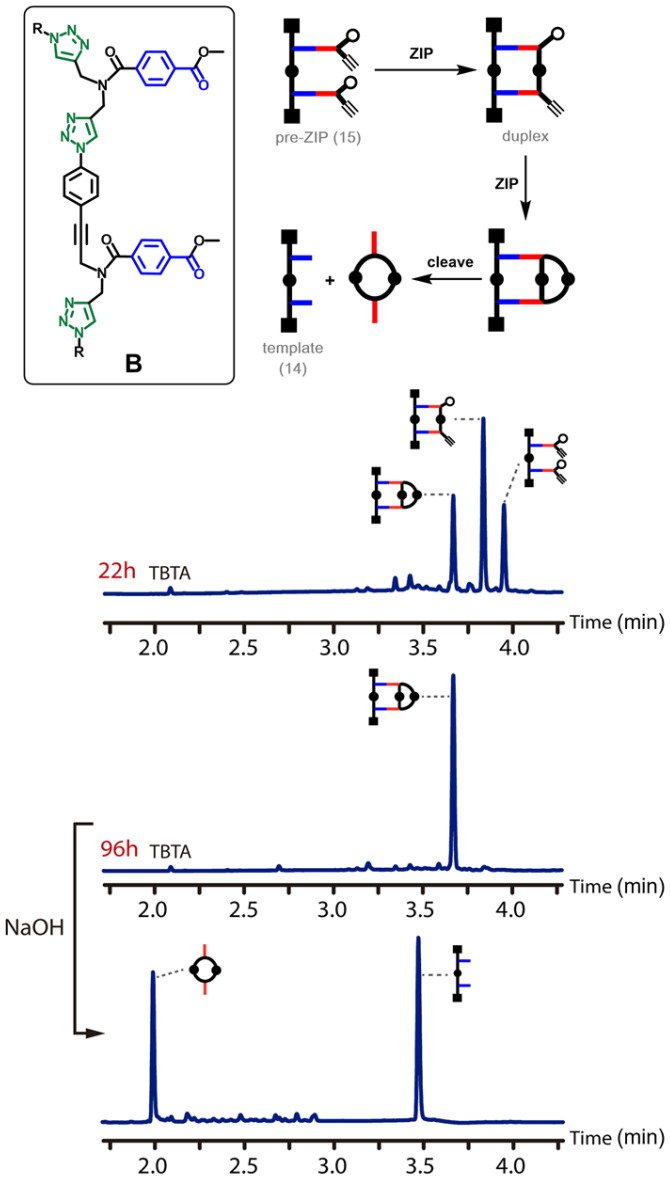
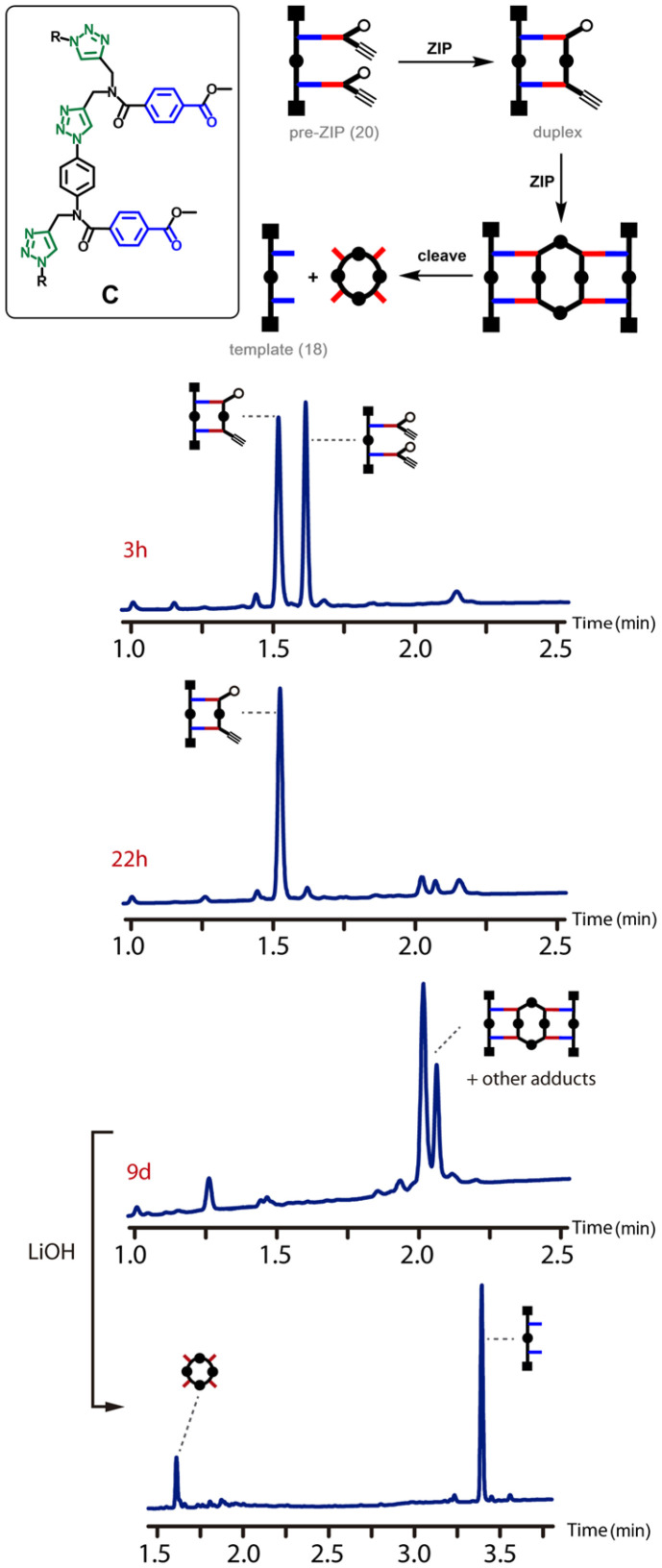
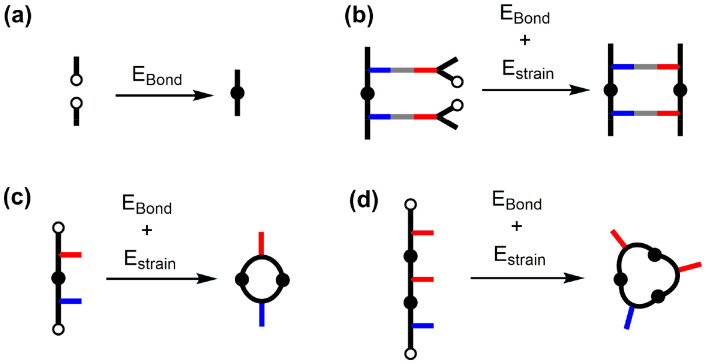
Covalent template-directed synthesis can be used to replicate synthetic oligomers, but success depends critically on the conformational properties of the backbone. Here we investigate how the choice of monomer building block affects the flexibility of the backbone and in turn the efficiency of the replication process for a series of different triazole oligomers. Two competing reaction pathways were identified for monomers attached to a template, resulting in the formation of either macrocyclic or linear products. For flexible backbones, macrocycles and linear oligomers are formed at similar rates, but a more rigid backbone gave exclusively the linear product. The experimental results are consistent with ring strain calculations using molecular mechanics: products with low ring strain (20-30 kJ mol) formed rapidly, and products with high ring strain (>100 kJ mol) were not observed. Template-directed replication of linear oligomers requires monomers that rigid enough to prevent the formation of undesired macrocycles, but not so rigid that the linear templating pathway leading to the duplex is inhibited. Molecular mechanics calculations of ring strain provide a straightforward tool for assessing the flexibility of potential backbones and the viability different monomer designs before embarking on synthesis.
共价模板导向合成可用于复制合成寡聚物,但成功与否关键取决于骨架的构象特性。在这里,我们研究了单体构建块的选择如何影响骨架的灵活性,并反过来影响一系列不同三唑寡聚物的复制效率。在连接到模板的单体上确定了两种竞争反应途径,导致形成大环或线性产物。对于柔性骨架,大环和线性寡聚物以相似的速率形成,但更刚性的骨架仅给出线性产物。实验结果与使用分子力学的环应变计算一致:具有低环应变(20-30 kJ mol)的产物快速形成,而没有观察到具有高环应变(> 100 kJ mol)的产物。线性寡聚物的模板导向复制需要足够刚性的单体以防止形成不需要的大环,但又不能太刚性以至于抑制导致双链体的线性模板化途径。环应变的分子力学计算为评估潜在骨架的灵活性以及在开始合成之前不同单体设计的可行性提供了一个直接的工具。