School of Life Sciences and Health Engineering, Jiangnan University, Wuxi, Jiangsu, China.
Department of Critical Care Medicine, Jinling Hospital, Nanjing University School of Medicine, Nanjing, Jiangsu, China.
Cell Commun Signal. 2022 Oct 13;20(1):157. doi: 10.1186/s12964-022-00971-8.
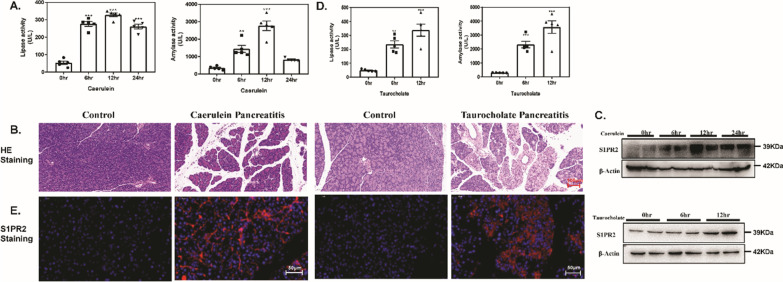
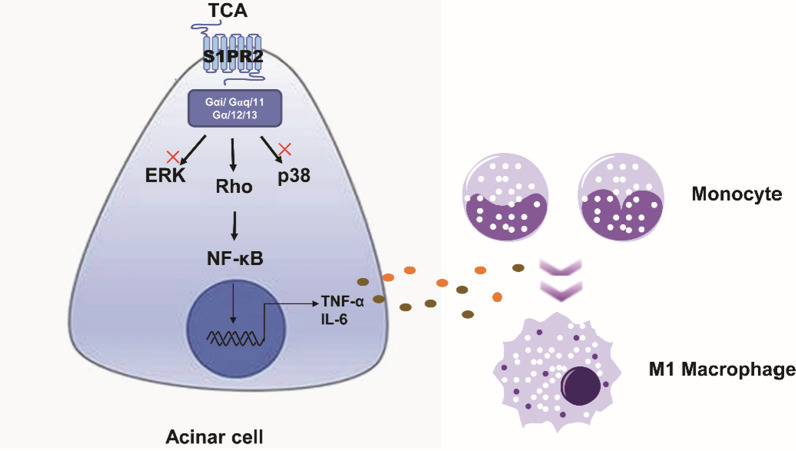
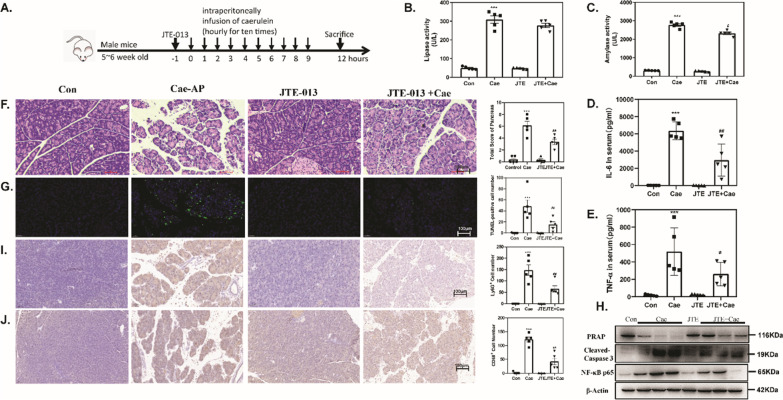
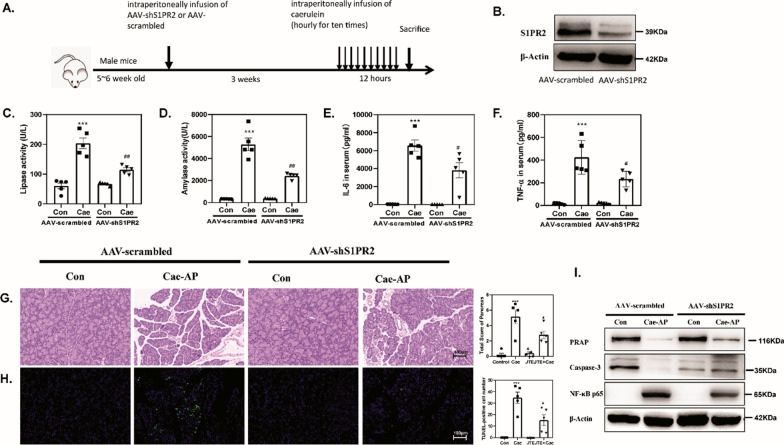
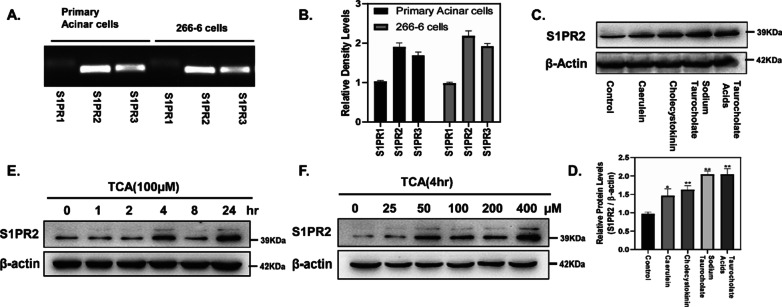
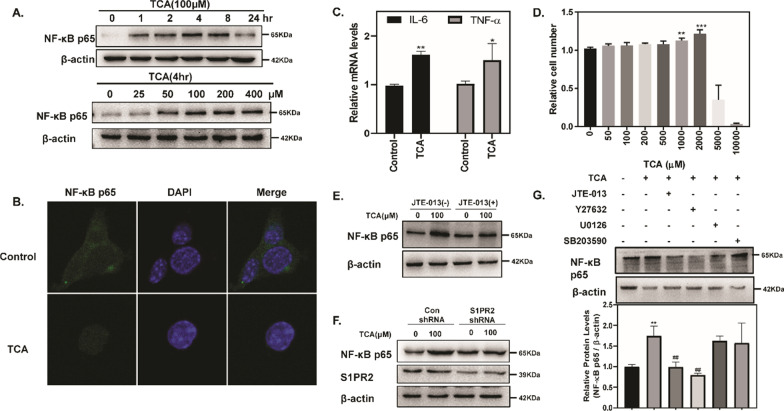
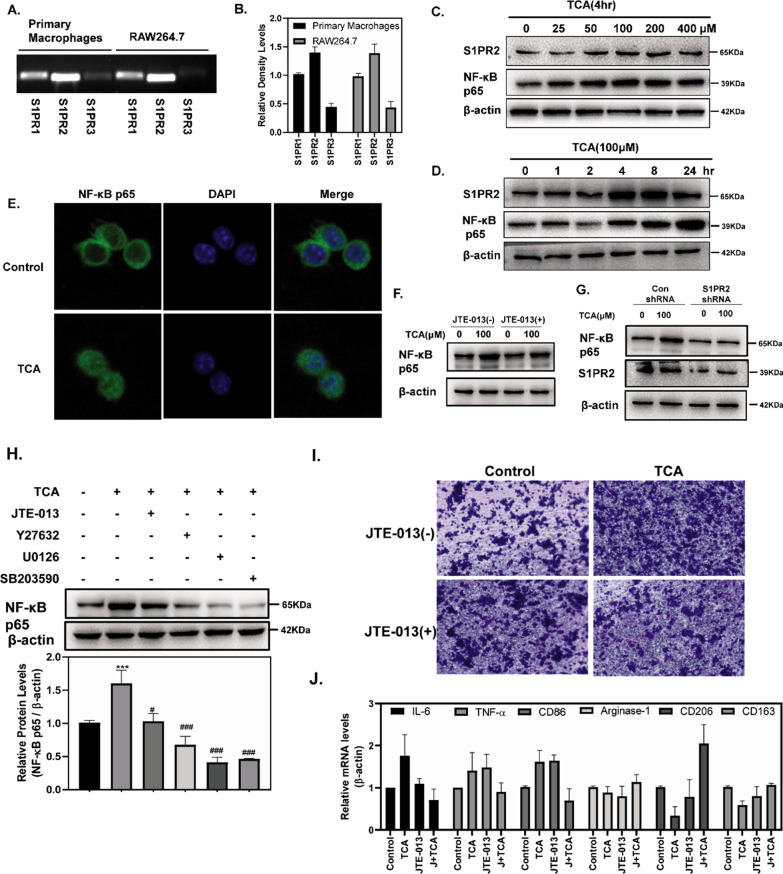
In acute pancreatitis, activation of inflammatory signaling, including the nuclear factor-kappa B (NF-κB) pathway, within acinar cells is known to be an early intracellular event occurring in parallel with pathologic trypsinogen activation. Sphingosine 1-phosphate receptor 2 (S1PR2) plays a critical role in endothelial inflammation, and our previous studies reported that S1PR2 deficiency significantly reduced the inflammatory response in liver injury under cholestasis conditions. However, the role of S1PR2 in inflammatory signaling activation within acinar cells and inflammatory responses during acute pancreatitis has not been elucidated. Here we report that S1PR2 was upregulated in the whole pancreas during acute pancreatitis. Blockade of S1PR2 by pharmacologic inhibition of S1PR2 by JTE-013 or AAV-mediated knockdown of S1PR2 improved the severity of pancreatic injury, as indicated by a significant reduction in inflammation and acinar cells death in acute pancreatitis mice. Moreover, S1PR2 is the predominant S1PRs expressed in pancreatic acinar cells and mediates NF-κB activation and the early inflammatory response within acinar cells under acute pancreatitis conditions via ROCK signaling pathways, not extracellular signal-regulated kinase pathways or p38 mitogen-activated protein kinase pathways. In addition, S1PR2 mediated macrophage NF-κB activation, migration and polarization toward the M1 phenotype. Therefore, these results demonstrated that the S1PR2-mediated early inflammatory response in acinar cells promotes the progression of acute pancreatitis, successfully linking local events to the systematic inflammatory response and leading to a novel therapeutic target for acute pancreatitis aimed at halting the progression of the inflammatory response. Video Abstract.
在急性胰腺炎中,已知炎症信号的激活,包括核因子-κB(NF-κB)途径,在腺泡细胞内是与病理性胰蛋白酶原激活平行发生的早期细胞内事件。鞘氨醇 1-磷酸受体 2(S1PR2)在血管内皮炎症中发挥关键作用,我们之前的研究报告称,在胆汁淤积条件下的肝损伤中,S1PR2 缺乏显着降低了炎症反应。然而,S1PR2 在腺泡细胞内炎症信号激活和急性胰腺炎中的炎症反应中的作用尚未阐明。在这里,我们报告在急性胰腺炎期间整个胰腺中 S1PR2 上调。通过药理学抑制 S1PR2(通过 JTE-013 或 AAV 介导的 S1PR2 敲低)阻断 S1PR2 可改善胰腺损伤的严重程度,如急性胰腺炎小鼠中的炎症和腺泡细胞死亡明显减少所示。此外,S1PR2 是胰腺腺泡细胞中表达的主要 S1PRs,通过 ROCK 信号通路介导 NF-κB 激活和急性胰腺炎条件下腺泡细胞内的早期炎症反应,而不是细胞外信号调节激酶途径或 p38 丝裂原活化蛋白激酶途径。此外,S1PR2 介导巨噬细胞 NF-κB 激活、迁移和向 M1 表型极化。因此,这些结果表明,S1PR2 介导的腺泡细胞内早期炎症反应促进了急性胰腺炎的进展,成功地将局部事件与系统性炎症反应联系起来,并为急性胰腺炎提供了一个新的治疗靶点,旨在阻止炎症反应的进展。视频摘要。