Department of Biochemistry, School of Medicine, Daegu Catholic University, Nam-gu, Daegu 42472, Korea.
Division of Radiation Biomedical Research, Korea Institute of Radiological and Medical Sciences, Seoul 01812, Korea.
Nutrients. 2022 Oct 2;14(19):4103. doi: 10.3390/nu14194103.
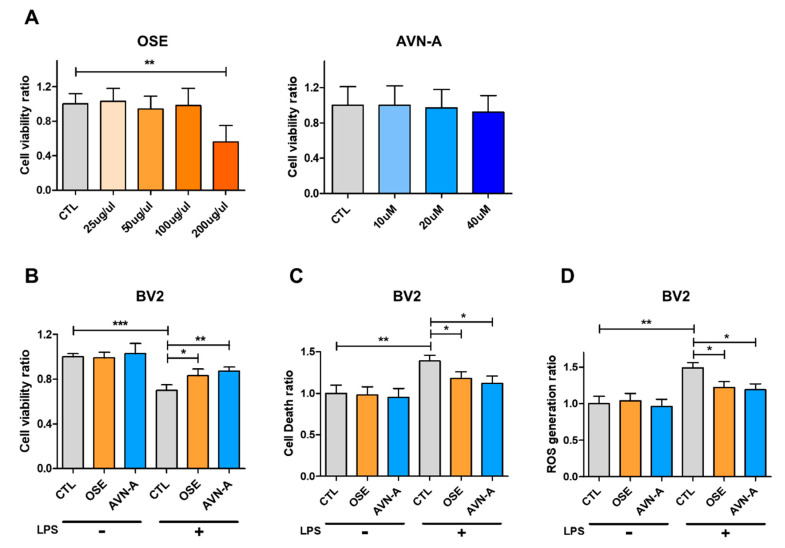
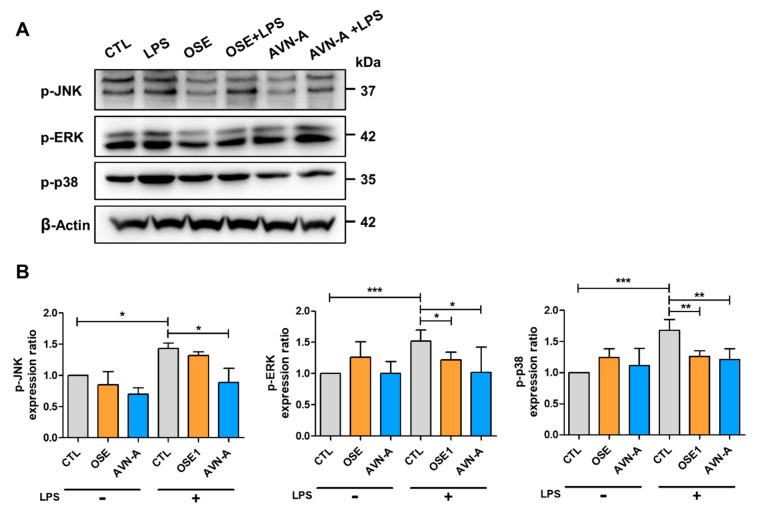
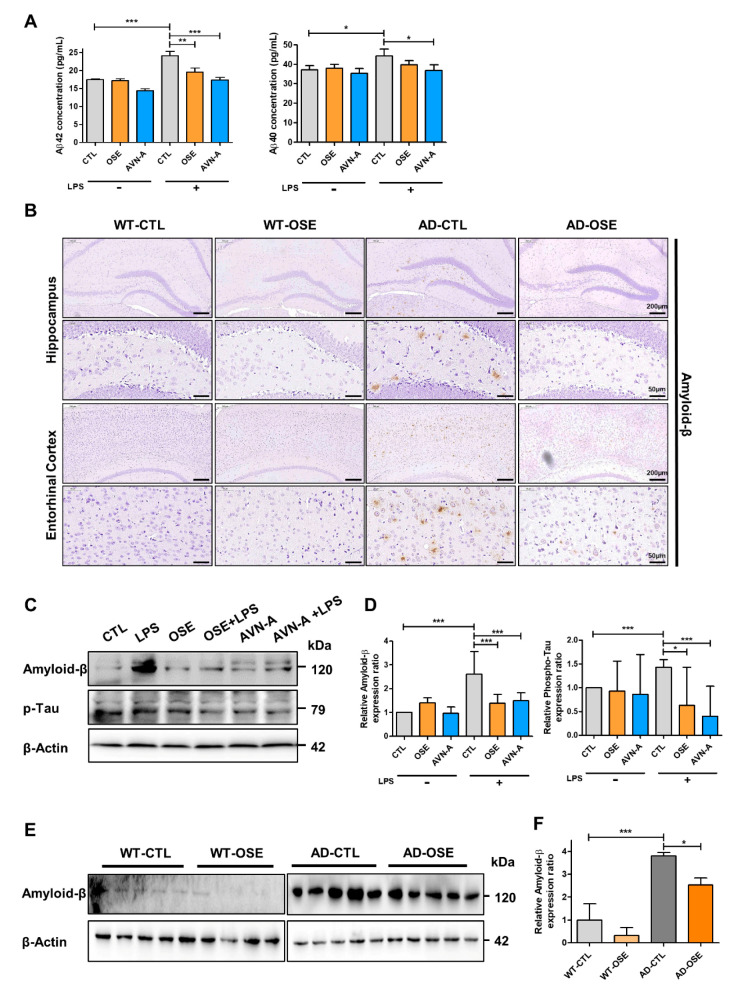
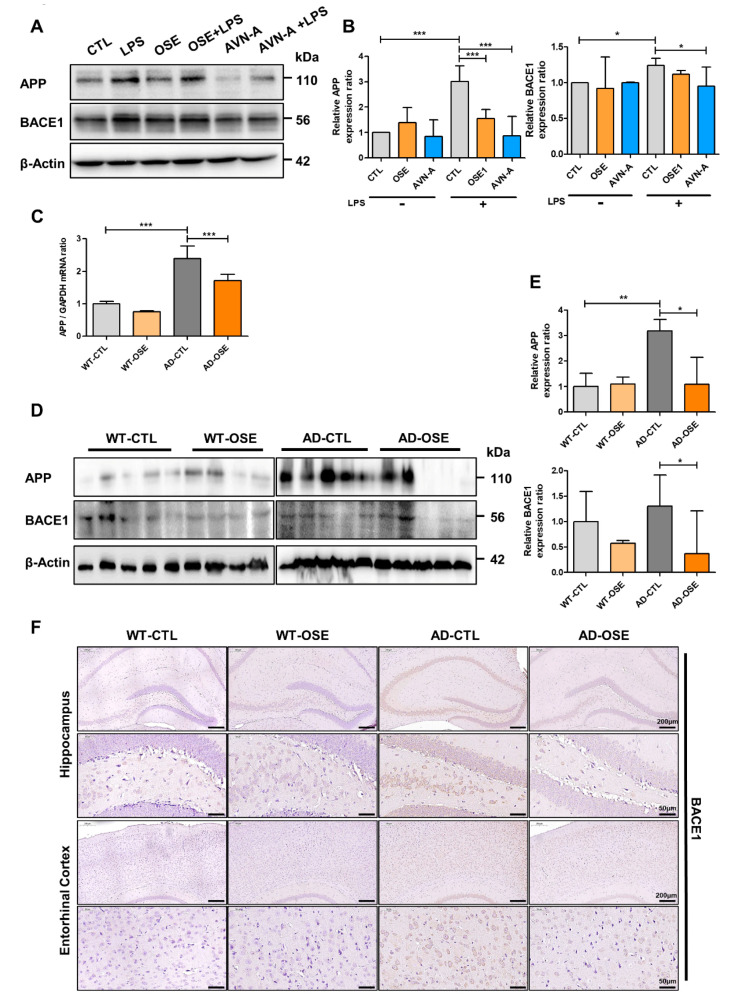
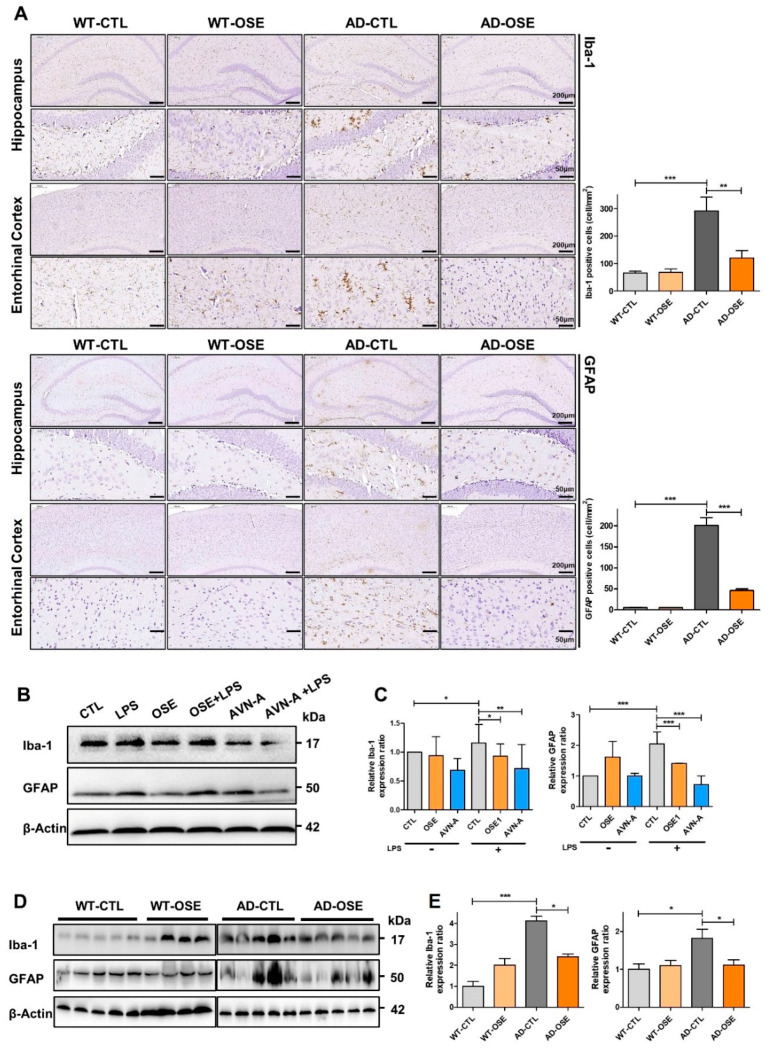
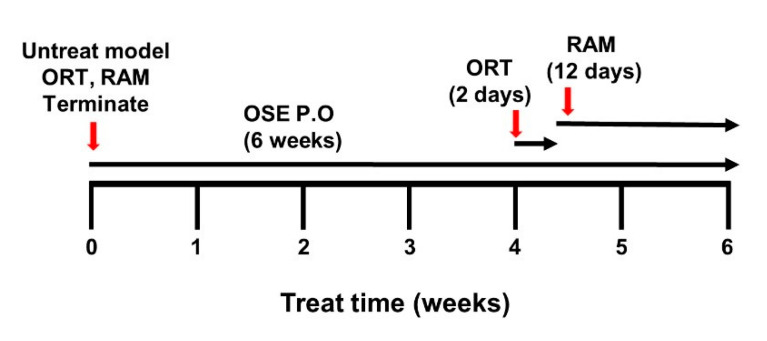
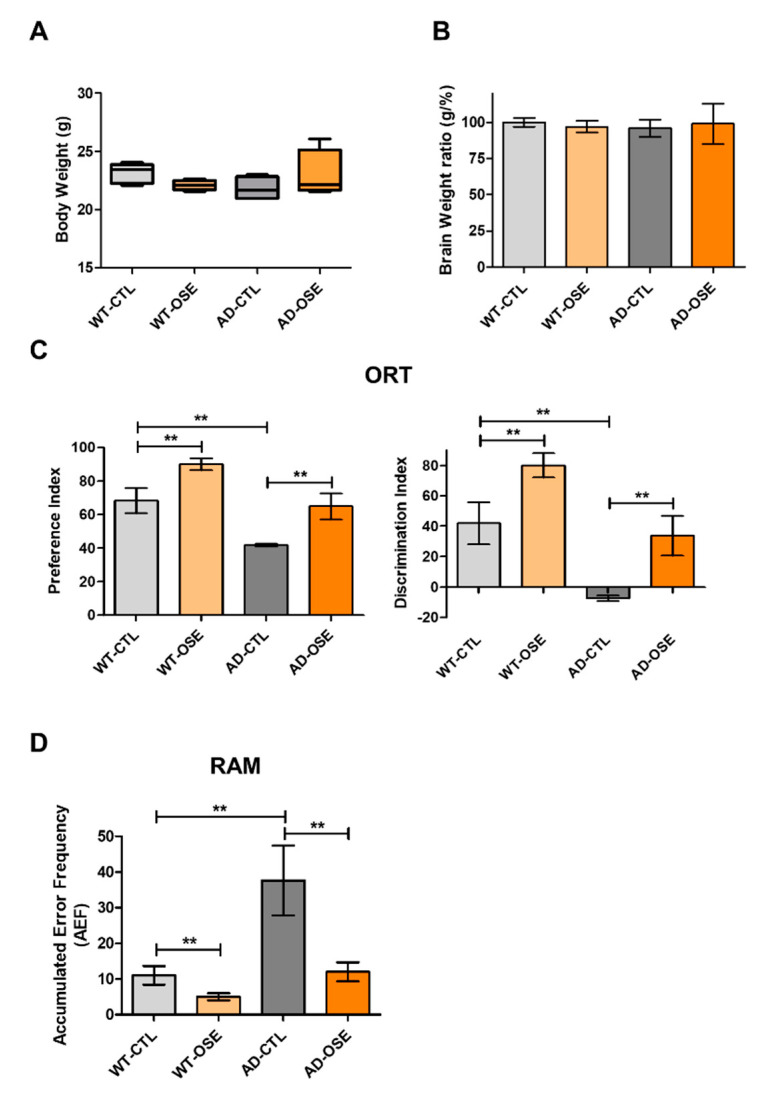
The physiological or dietary advantages of germinated grains have been the subject of numerous discussions over the past decade. Around 23 million tons of oats are consumed globally, making up a sizeable portion of the global grain market. Oat seedlings contain more protein, beta-glucan, free amino acids, and phenolic compounds than seeds. The progressive neurodegenerative disorder of Alzheimer's is accompanied by worsening memory and cognitive function. A key indicator of this disorder is the unusual buildup of amyloid-beta protein (or Aβ) in human brains. In this context, oat seedling extract (OSE) has been identified as a new therapeutic candidate for AD, due to its antioxidant activity and AD-specific mechanism of action. This study directly investigated how OSE affected AD and its impacts by examining the cognitive function and exploring the inflammatory response mechanism. The dried oat seedlings were grounded finely with a grinder, inserted with 50% fermented ethanol 10 times (/), and extracted by stirring for 10 h at 45 °C. After filtering the extract by 0.22 um filter, some of it was used for UHPLC analysis. The results indicated that the treatment with OSE protects against Aβ25-35-induced cytotoxicity in BV2 cells. Tg-5Xfad AD mice had strong deposition of Aβ throughout their brains, while WT mice did not exhibit any such deposition within their brains. A drastic reduction was observed in terms of numbers, as well as the size, of Aβ plaques within Tg-5Xfad AD mice exposed to OSE. This study indicated OSE's neuroprotective impacts against neurodegeneration, synaptic dysfunction, and neuroinflammation induced by amyloid-beta. Our results suggest that OSE acts as a neuroprotective agent to combat AD-specific apoptotic cell death, neuroinflammation, amyloid-beta accumulation, as well as synaptic dysfunction in AD mice's brains. Furthermore, the study indicated that OSE treatment affects JNK/ERK/p38 MAPK signaling, with considerable inhibition in p-JNK, p-p38, and p-ERK levels seen in the brain of OSE-treated Tg-5Xfad AD mice.
在过去十年中,发芽谷物的生理或饮食优势一直是众多讨论的主题。全球约消费 2300 万吨燕麦,占全球谷物市场的相当大一部分。燕麦苗比种子含有更多的蛋白质、β-葡聚糖、游离氨基酸和酚类化合物。阿尔茨海默病是一种进行性神经退行性疾病,其特征是记忆力和认知功能逐渐恶化。这种疾病的一个关键指标是人类大脑中异常积聚的淀粉样β蛋白(或 Aβ)。在这种情况下,由于其抗氧化活性和 AD 特有的作用机制,燕麦苗提取物(OSE)已被确定为 AD 的一种新的治疗候选物。本研究通过考察认知功能和探索炎症反应机制,直接研究了 OSE 如何影响 AD 及其影响。将干燥的燕麦苗用研磨机精细研磨,用 50%发酵乙醇插入 10 次(/),在 45°C 下搅拌提取 10 小时。用 0.22 µm 过滤器过滤提取物后,取一部分进行 UHPLC 分析。结果表明,OSE 处理可防止 BV2 细胞中 Aβ25-35 诱导的细胞毒性。Tg-5Xfad AD 小鼠的大脑中强烈沉积了 Aβ,而 WT 小鼠的大脑中没有沉积。暴露于 OSE 的 Tg-5Xfad AD 小鼠中 Aβ斑块的数量和大小均明显减少。本研究表明 OSE 对淀粉样β诱导的神经退行性变、突触功能障碍和神经炎症具有神经保护作用。我们的结果表明,OSE 作为一种神经保护剂,可对抗 AD 特异性凋亡细胞死亡、神经炎症、Aβ 积累以及 AD 小鼠大脑中的突触功能障碍。此外,该研究表明,OSE 处理影响 JNK/ERK/p38 MAPK 信号通路,在 OSE 处理的 Tg-5Xfad AD 小鼠大脑中观察到 p-JNK、p-p38 和 p-ERK 水平的显著抑制。