Department of Molecular Microbiology and Immunology, University of Missouri-School of Medicine, Columbia, Missouri, United States of America.
Department of Biological Sciences and Geology, Queensborough Community College of The City University of New York, New York City, New York, United States of America.
PLoS Pathog. 2022 Oct 14;18(10):e1010636. doi: 10.1371/journal.ppat.1010636. eCollection 2022 Oct.
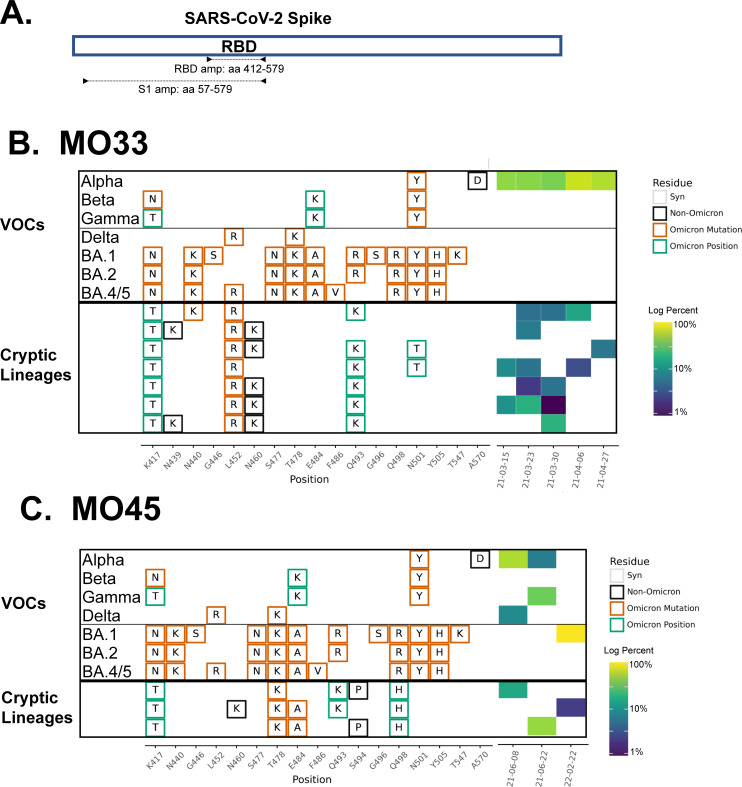
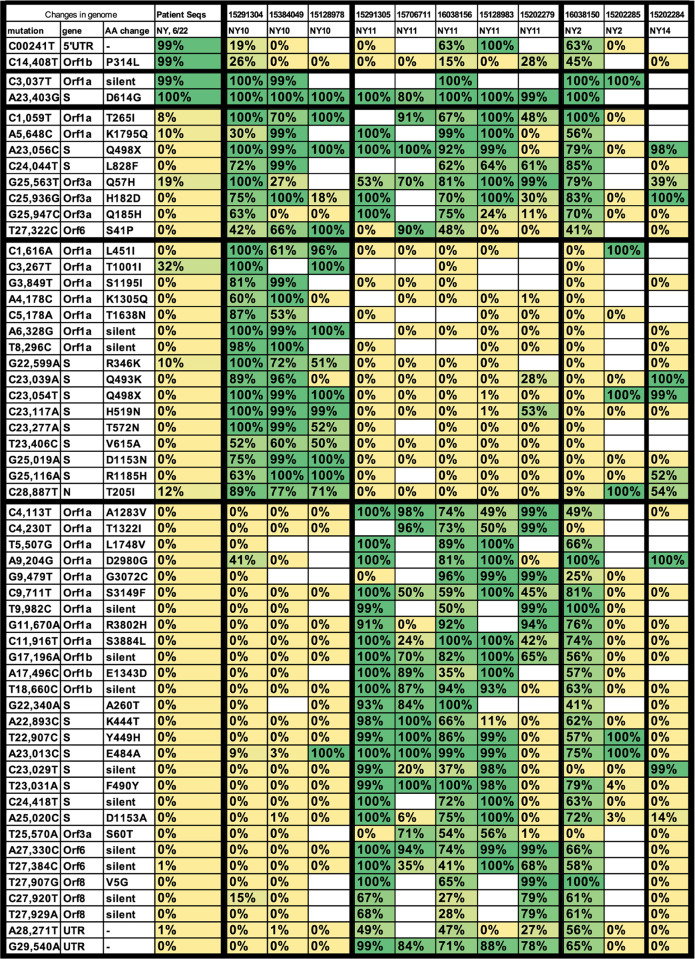
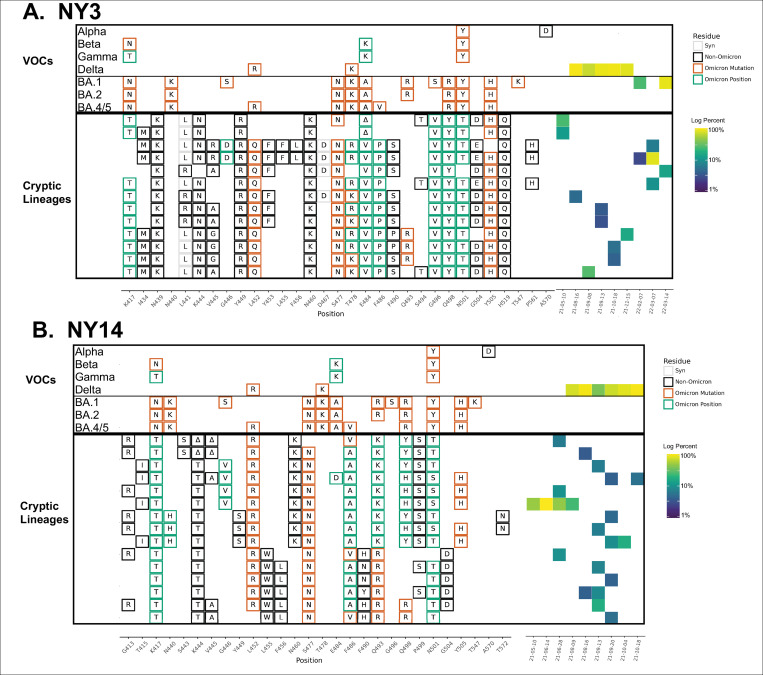
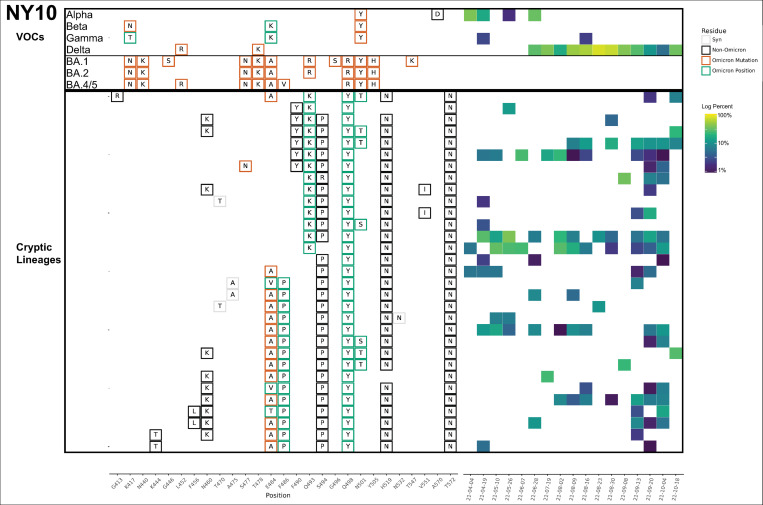
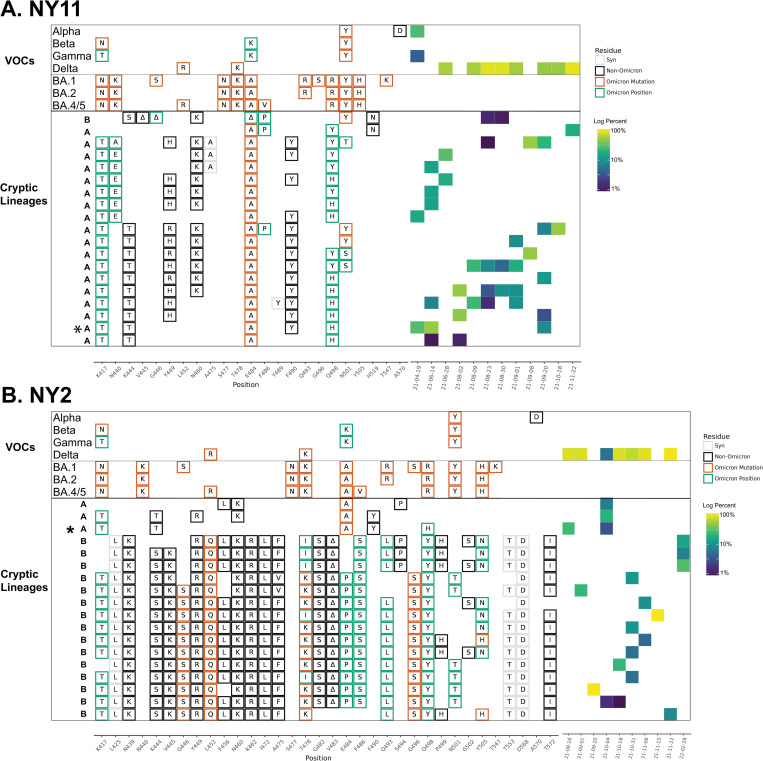
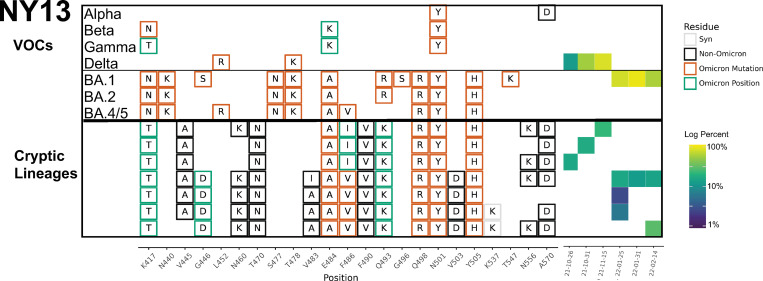
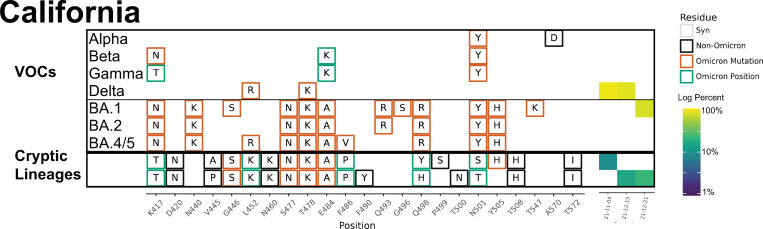
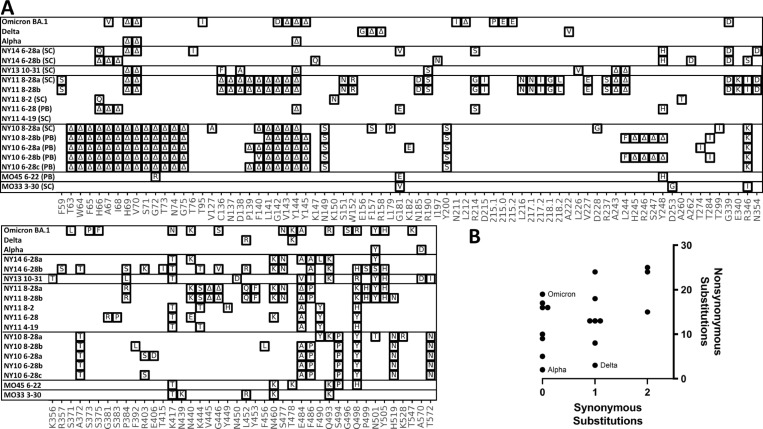
Wastewater-based epidemiology (WBE) is an effective way of tracking the appearance and spread of SARS-COV-2 lineages through communities. Beginning in early 2021, we implemented a targeted approach to amplify and sequence the receptor binding domain (RBD) of SARS-COV-2 to characterize viral lineages present in sewersheds. Over the course of 2021, we reproducibly detected multiple SARS-COV-2 RBD lineages that have never been observed in patient samples in 9 sewersheds located in 3 states in the USA. These cryptic lineages contained between 4 to 24 amino acid substitutions in the RBD and were observed intermittently in the sewersheds in which they were found for as long as 14 months. Many of the amino acid substitutions in these lineages occurred at residues also mutated in the Omicron variant of concern (VOC), often with the same substitutions. One of the sewersheds contained a lineage that appeared to be derived from the Alpha VOC, but the majority of the lineages appeared to be derived from pre-VOC SARS-COV-2 lineages. Specifically, several of the cryptic lineages from New York City appeared to be derived from a common ancestor that most likely diverged in early 2020. While the source of these cryptic lineages has not been resolved, it seems increasingly likely that they were derived from long-term patient infections or animal reservoirs. Our findings demonstrate that SARS-COV-2 genetic diversity is greater than what is commonly observed through routine SARS-CoV-2 surveillance. Wastewater sampling may more fully capture SARS-CoV-2 genetic diversity than patient sampling and could reveal new VOCs before they emerge in the wider human population.
基于污水的流行病学(WBE)是一种通过社区追踪 SARS-CoV-2 谱系出现和传播的有效方法。从 2021 年初开始,我们实施了一项靶向方法来扩增和测序 SARS-CoV-2 的受体结合域(RBD),以描述污水流域中存在的病毒谱系。在 2021 年期间,我们在 3 个美国州的 9 个污水流域中重复检测到了从未在患者样本中观察到的多个 SARS-CoV-2 RBD 谱系。这些隐匿谱系在 RBD 中含有 4 到 24 个氨基酸取代,并且在发现它们的污水流域中间歇性地观察到,最长可达 14 个月。这些谱系中的许多氨基酸取代发生在与关注的奥密克戎变异株(VOC)突变的残基上,而且经常具有相同的取代。其中一个污水流域中存在一种谱系,似乎源自 Alpha VOC,但大多数谱系似乎源自 VOC 之前的 SARS-CoV-2 谱系。具体来说,来自纽约市的几个隐匿谱系似乎源自一个共同的祖先,该祖先很可能在 2020 年初就已经分化。虽然这些隐匿谱系的来源尚未确定,但它们似乎越来越有可能是源自长期的患者感染或动物宿主。我们的研究结果表明,SARS-CoV-2 的遗传多样性大于通过常规 SARS-CoV-2 监测通常观察到的多样性。污水采样可能比患者采样更全面地捕获 SARS-CoV-2 的遗传多样性,并在它们在更广泛的人群中出现之前揭示新的 VOC。