Department of Obstetrics and Gynecology, Qilu Hospital of Shandong University, Jinan, Shandong, China.
Department of Obstetrics and Gynecology, The First Affiliated Hospital of USTC, Division of Life Sciences and Medicine,University of Science and Technology of China, Hefei, Anhui, China.
BMC Genomics. 2022 Oct 19;23(1):711. doi: 10.1186/s12864-022-08937-3.
Preeclampsia is a pregnancy-related condition that causes high blood pressure and proteinuria after 20 weeks of pregnancy. It is linked to increased maternal mortality, organ malfunction, and foetal development limitation. In this view, there is a need critical to identify biomarkers for the early detection of preeclampsia. The objective of this study is to discover critical genes and explore medications for preeclampsia treatment that may influence these genes.
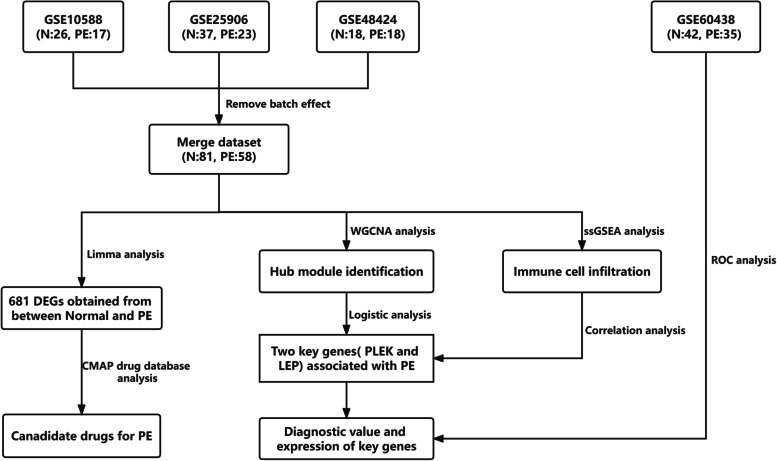
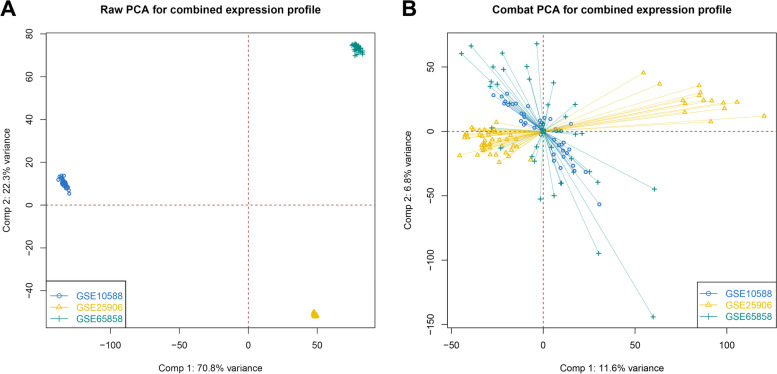
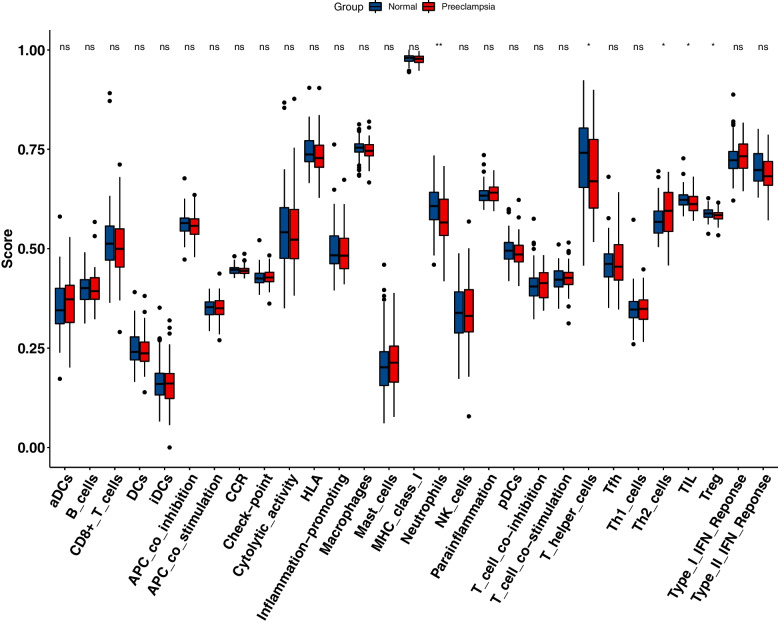
Four datasets, including GSE10588, GSE25906, GSE48424 and GSE60438 were retrieved from the Gene Expression Omnibus database. The GSE10588, GSE25906, and GSE48424 datasets were then removed the batch effect using the "sva" R package and merged into a complete dataset. The differentially expressed genes (DEGs) were identified using the "limma" R package. The potential small-molecule agents for the treatment of PE was further screened using the Connective Map (CMAP) drug database based on the DEGs. Further, Weight gene Co-expression network (WGNCA) analysis was performed to identified gene module associated with preeclampsia, hub genes were then identified using the logistic regression analysis. Finally, the immune cell infiltration level of genes was evaluated through the single sample gene set enrichment analysis (ssGSEA).
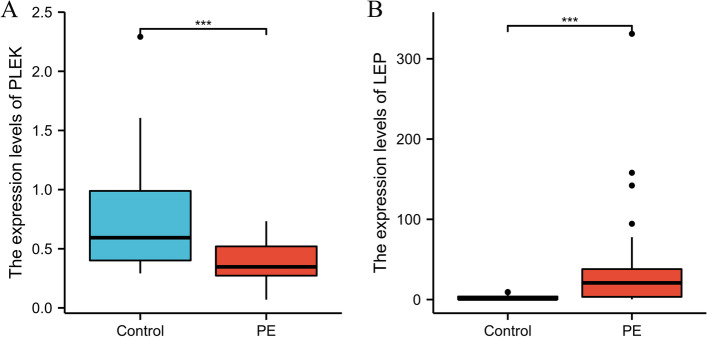
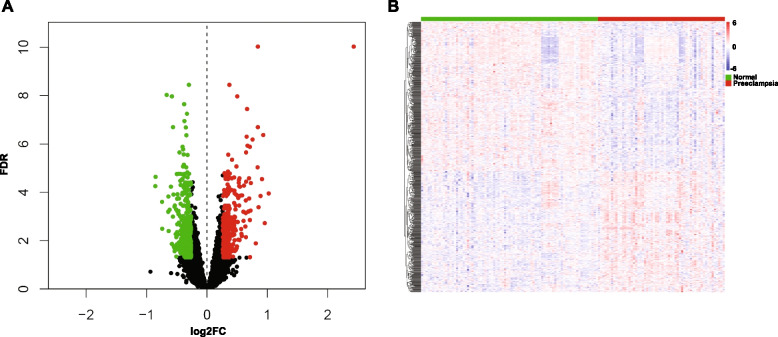
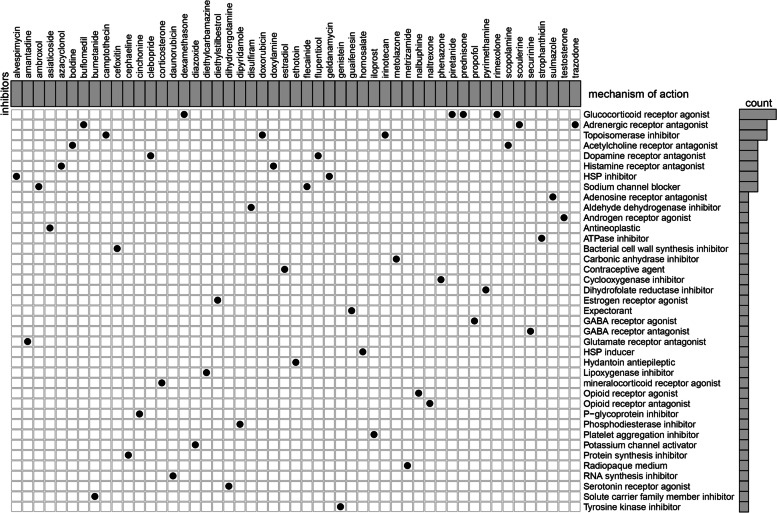
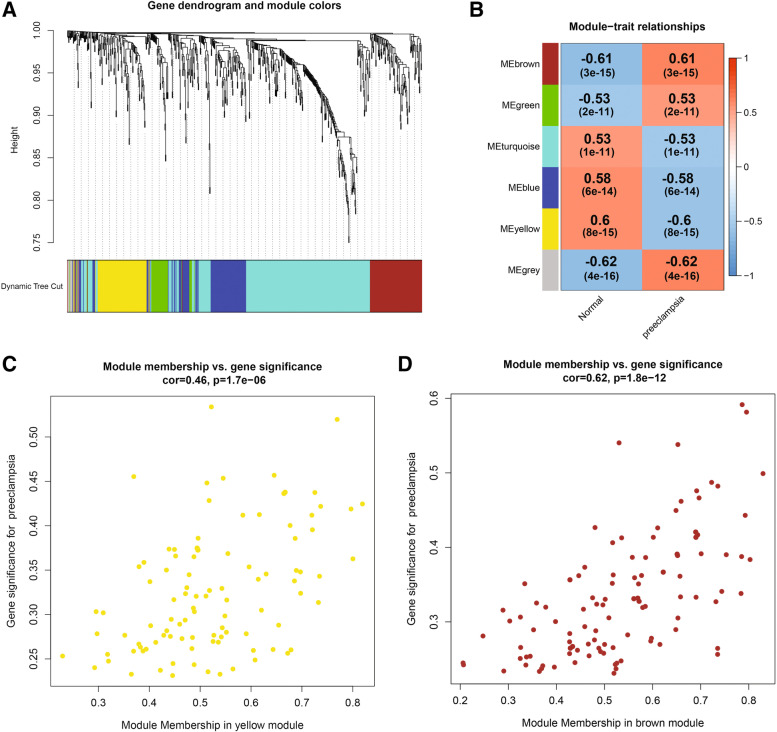
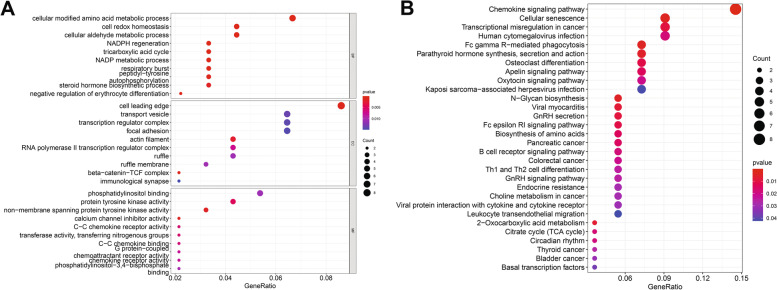
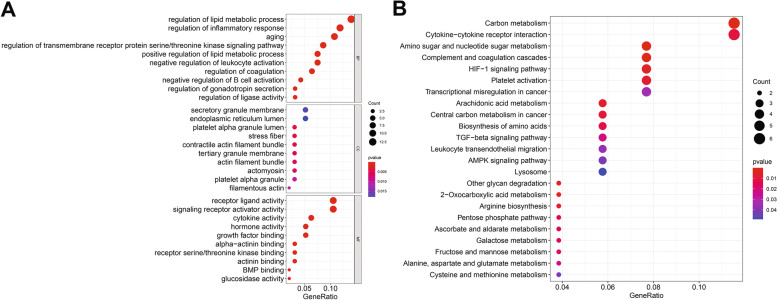
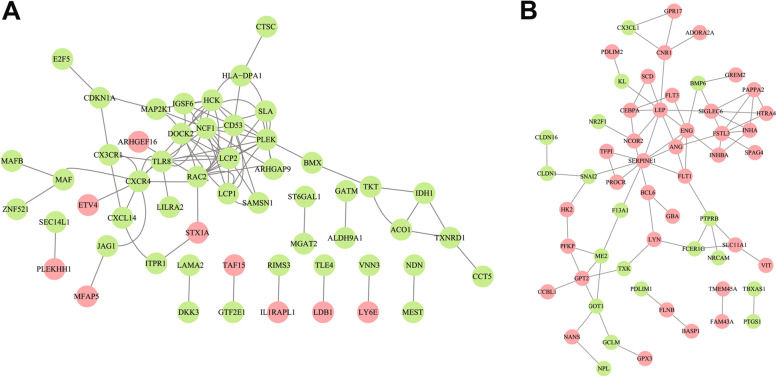
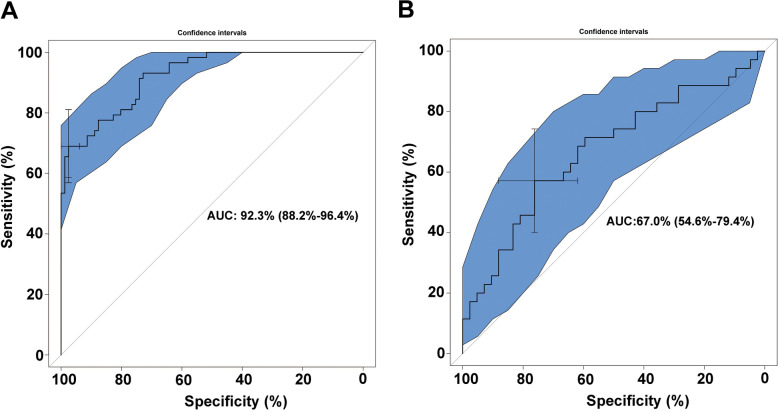
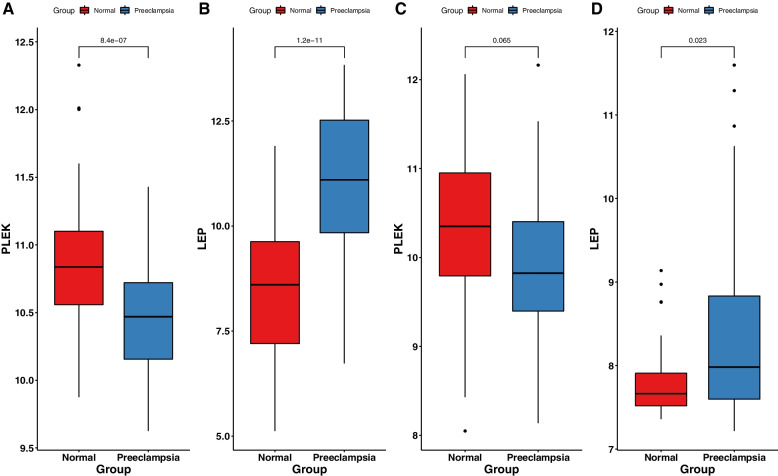
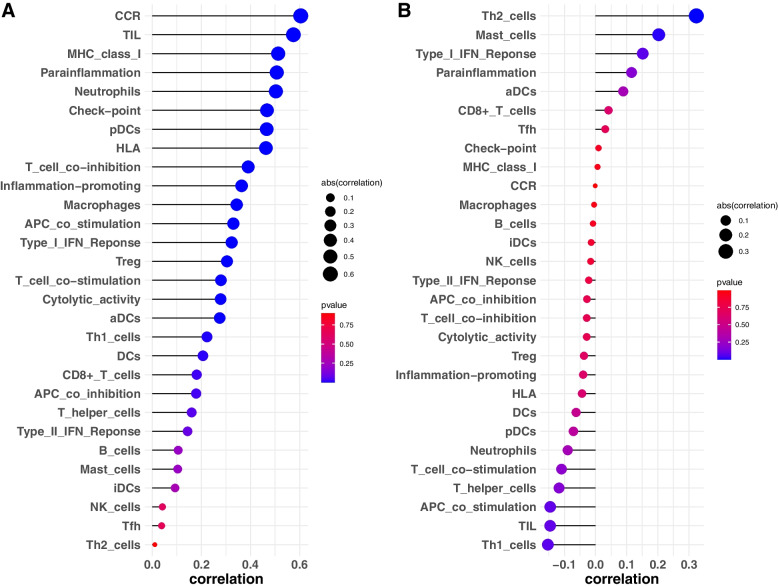
A total of 681 DEGs (376 down-regulated and 305 up-regulated genes) were identified between normal and preeclampsia samples. Then, Dexamethasone, Prednisone, Rimexolone, Piretanide, Trazodone, Buflomedil, Scoulerin, Irinotecan, and Camptothecin drugs were screened based on these DEGs through the CMAP database. Two modules including yellow and brown modules were the most associated with disease through the WGCNA analysis. KEGG analysis revealed that the chemokine signaling pathway, Th1 and Th2 cell differentiation, B cell receptor signalling pathway and oxytocin signalling pathway were significantly enriched in these modules. Moreover, two key genes, PLEK and LEP were evaluated using the univariate and multivariate logistic regression analysis from the hub modules. These two genes were further validated in the external validation cohort GSE60438 and qRT-PCR experiment. Finally, we evaluated the relationship between immune cell and two genes.
In conclusion, the present study investigated key genes associated with PE pathogenesis that may contribute to identifying potential biomarkers, therapeutic agents and developing personalized treatment for PE.
子痫前期是一种妊娠相关疾病,在怀孕 20 周后会导致高血压和蛋白尿。它与产妇死亡率增加、器官功能障碍和胎儿发育受限有关。因此,迫切需要寻找生物标志物来进行子痫前期的早期检测。本研究旨在发现关键基因,并探索可能影响这些基因的子痫前期治疗药物。
从基因表达综合数据库中检索了四个数据集,包括 GSE10588、GSE25906、GSE48424 和 GSE60438。使用“sva”R 包去除 GSE10588、GSE25906 和 GSE48424 数据集中的批次效应,并将其合并为一个完整的数据集。使用“limma”R 包识别差异表达基因(DEGs)。根据 DEGs,进一步使用连接映射(CMAP)药物数据库筛选治疗 PE 的潜在小分子药物。此外,还通过加权基因共表达网络分析(WGCNA)识别与子痫前期相关的基因模块,然后使用逻辑回归分析识别关键基因。最后,通过单样本基因集富集分析(ssGSEA)评估基因的免疫细胞浸润水平。
共鉴定出正常和子痫前期样本之间的 681 个 DEGs(376 个下调基因和 305 个上调基因)。然后,通过 CMAP 数据库筛选出基于这些 DEGs 的地塞米松、泼尼松、利美索龙、吡嗪酰胺、曲唑酮、布美他尼、Scoulerin、伊立替康和喜树碱药物。通过 WGCNA 分析,黄色和棕色模块是与疾病最相关的两个模块。KEGG 分析表明,趋化因子信号通路、Th1 和 Th2 细胞分化、B 细胞受体信号通路和催产素信号通路在这些模块中显著富集。此外,从关键基因模块中使用单变量和多变量逻辑回归分析评估了两个关键基因 PLEK 和 LEP。这两个基因在外部验证队列 GSE60438 和 qRT-PCR 实验中得到了进一步验证。最后,我们评估了免疫细胞与这两个基因之间的关系。
总之,本研究探讨了与子痫前期发病机制相关的关键基因,这可能有助于识别潜在的生物标志物、治疗药物,并为子痫前期开发个性化治疗方案。