Choi Catherine, Smalley Joshua L, Lemons Abigail H S, Ren Qiu, Bope Christopher E, Dengler Jake S, Davies Paul A, Moss Stephen J
Department of Neuroscience, Tufts University School of Medicine, Boston, MA, United States.
Department of Neuroscience, Physiology and Pharmacology, University College London, London, United Kingdom.
Front Mol Neurosci. 2022 Oct 3;15:1017404. doi: 10.3389/fnmol.2022.1017404. eCollection 2022.
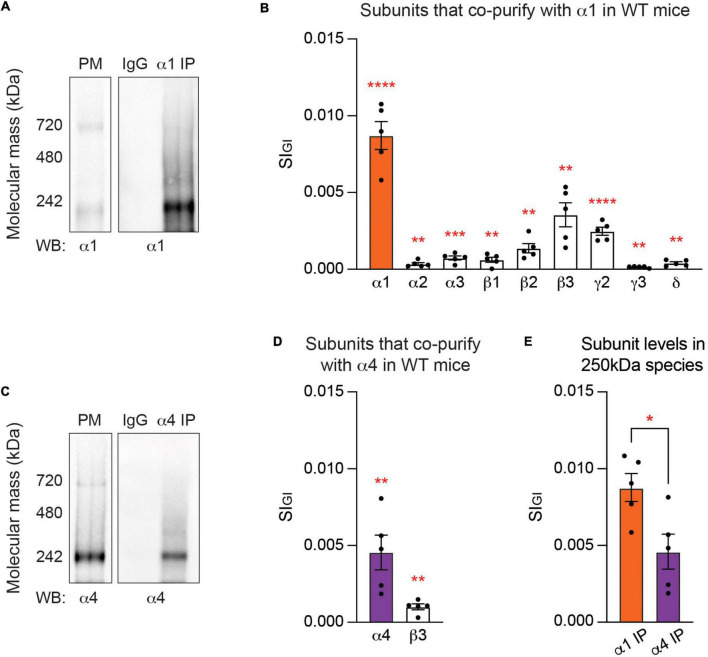
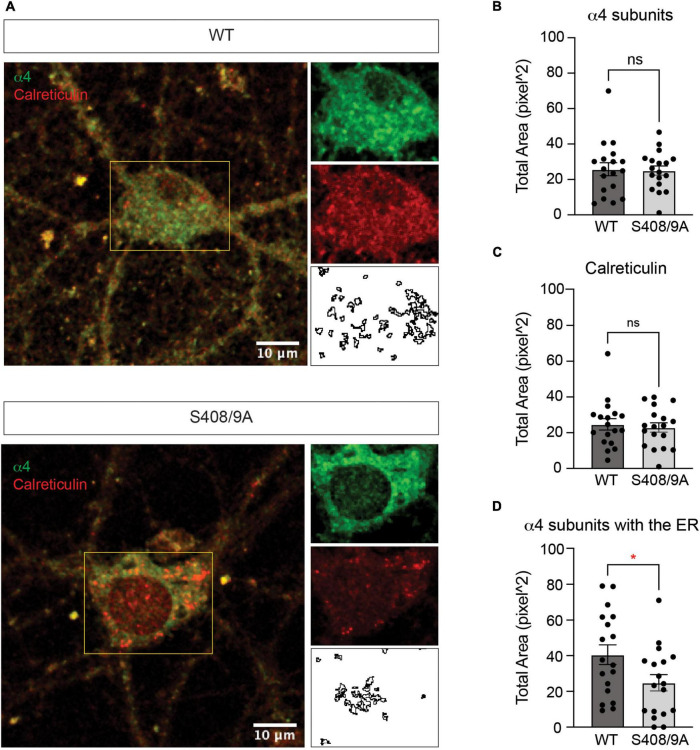
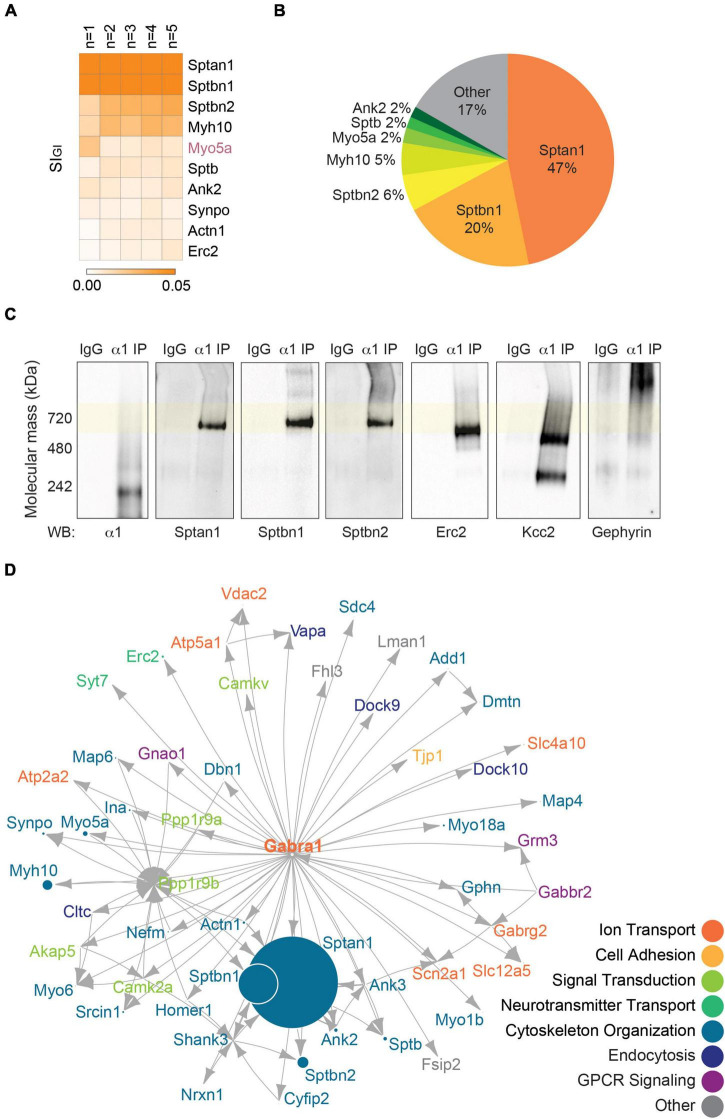
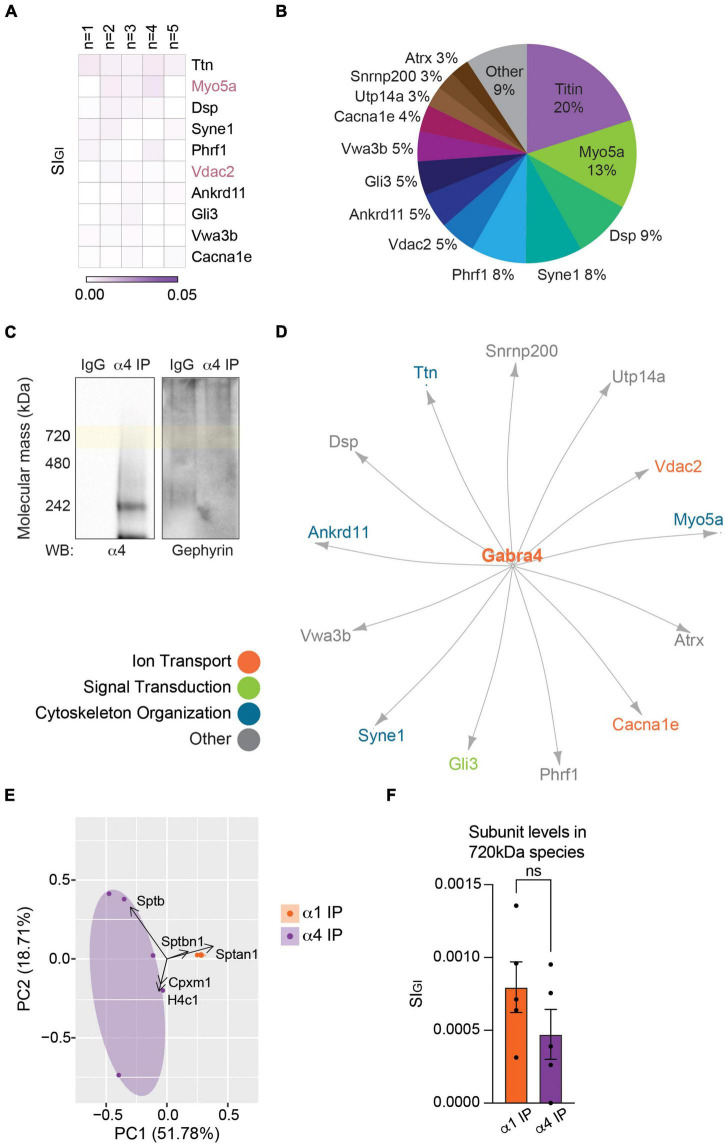
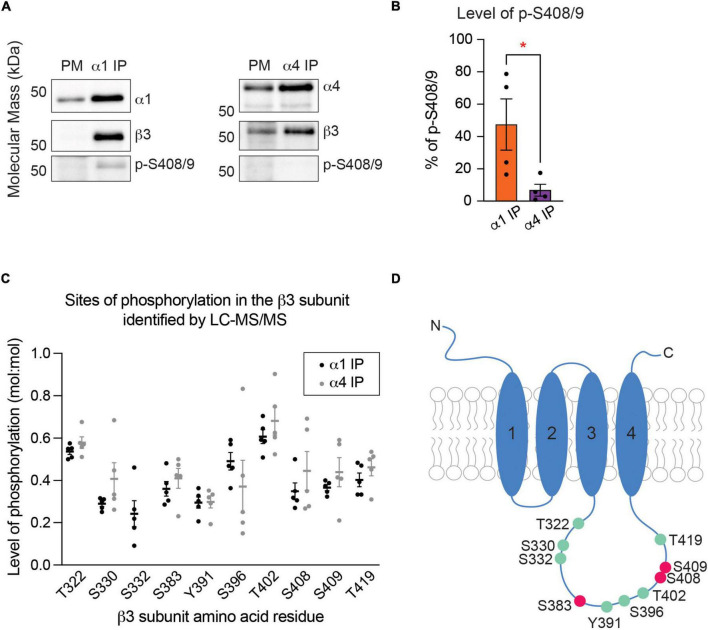
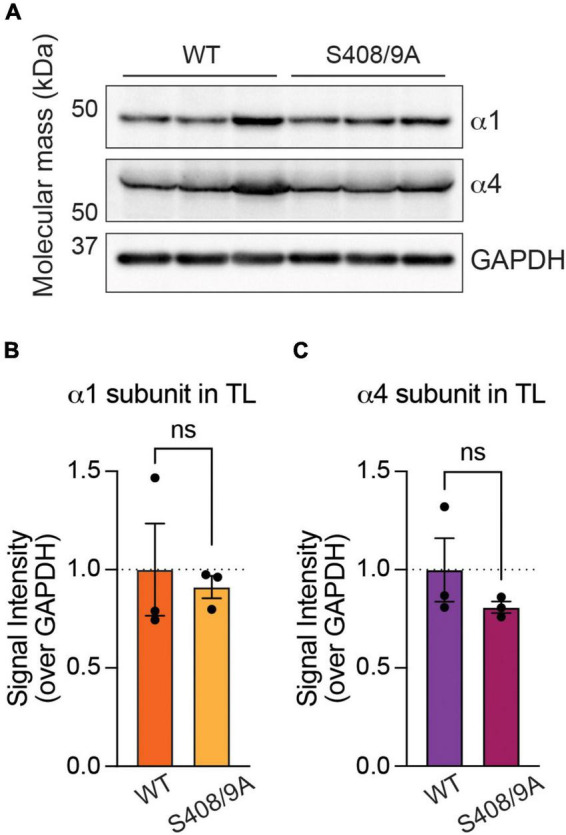
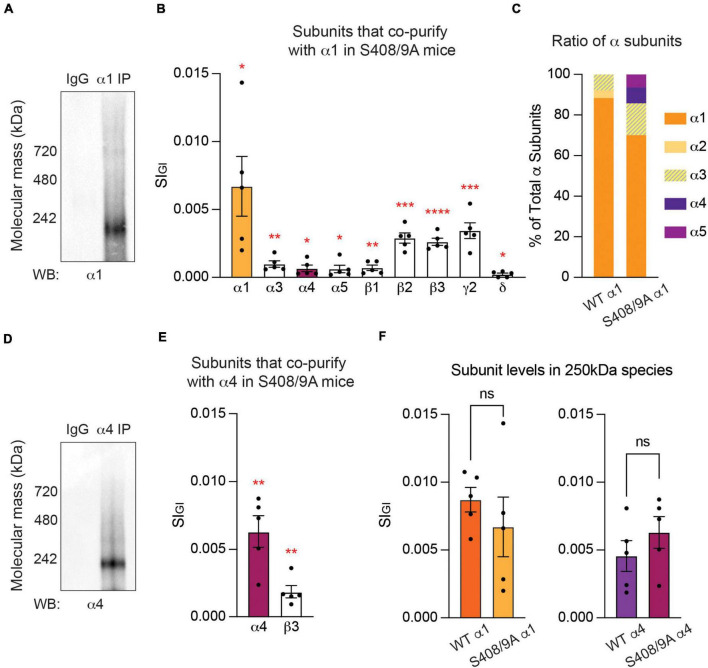
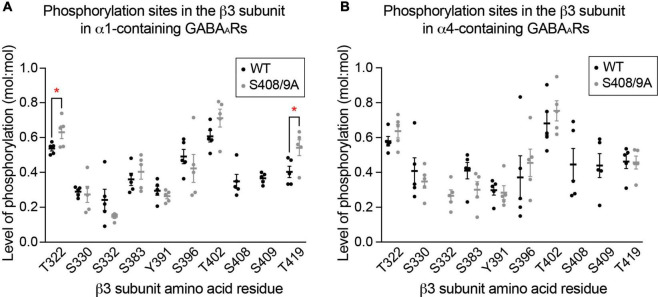
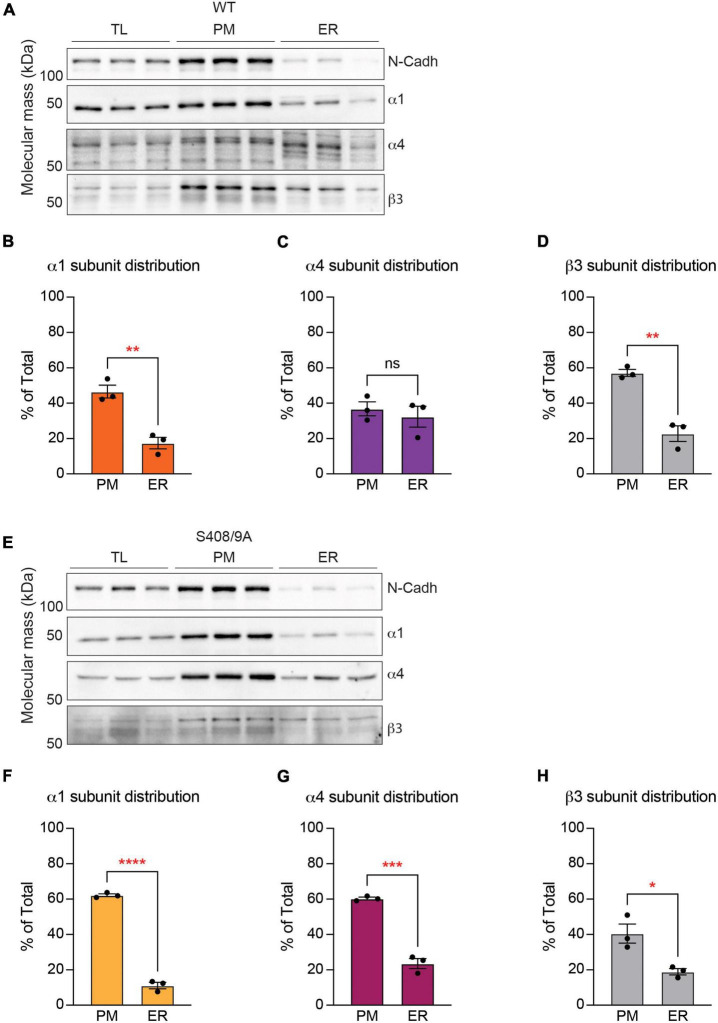
Impaired inhibitory signaling underlies the pathophysiology of many neuropsychiatric and neurodevelopmental disorders including autism spectrum disorders and epilepsy. Neuronal inhibition is regulated by synaptic and extrasynaptic -aminobutyric acid type A receptors (GABA Rs), which mediate phasic and tonic inhibition, respectively. These two GABA R subtypes differ in their function, ligand sensitivity, and physiological properties. Importantly, they contain different α subunit isoforms: synaptic GABA Rs contain the α1-3 subunits whereas extrasynaptic GABA Rs contain the α4-6 subunits. While the subunit composition is critical for the distinct roles of synaptic and extrasynaptic GABA R subtypes in inhibition, the molecular mechanism of the subtype-specific assembly has not been elucidated. To address this issue, we purified endogenous α1- and α4-containing GABA Rs from adult murine forebrains and examined their subunit composition and interacting proteins using liquid chromatography coupled with tandem mass spectrometry (LC-MS/MS) and quantitative analysis. We found that the α1 and α4 subunits form separate populations of GABA Rs and interact with distinct sets of binding proteins. We also discovered that the β3 subunit, which co-purifies with both the α1 and α4 subunits, has different levels of phosphorylation on serines 408 and 409 (S408/9) between the two receptor subtypes. To understand the role S408/9 plays in the assembly of α1- and α4-containing GABA Rs, we examined the effects of S408/9A (alanine) knock-in mutation on the subunit composition of the two receptor subtypes using LC-MS/MS and quantitative analysis. We discovered that the S408/9A mutation results in the formation of novel α1α4-containing GABA Rs. Moreover, in S408/9A mutants, the plasma membrane expression of the α4 subunit is increased whereas its retention in the endoplasmic reticulum is reduced. These findings suggest that S408/9 play a critical role in determining the subtype-specific assembly of GABA Rs, and thus the efficacy of neuronal inhibition.
抑制性信号传导受损是许多神经精神疾病和神经发育障碍(包括自闭症谱系障碍和癫痫)病理生理学的基础。神经元抑制由突触和突触外A型γ-氨基丁酸受体(GABARs)调节,它们分别介导相位性和紧张性抑制。这两种GABAR亚型在功能、配体敏感性和生理特性上有所不同。重要的是,它们包含不同的α亚基异构体:突触GABARs包含α1-3亚基,而突触外GABARs包含α4-6亚基。虽然亚基组成对于突触和突触外GABAR亚型在抑制中的不同作用至关重要,但亚型特异性组装的分子机制尚未阐明。为了解决这个问题,我们从成年小鼠前脑中纯化了内源性含α1和α4的GABARs,并使用液相色谱-串联质谱(LC-MS/MS)和定量分析来检查它们的亚基组成和相互作用蛋白。我们发现α1和α4亚基形成了不同的GABAR群体,并与不同的结合蛋白组相互作用。我们还发现,与α1和α4亚基共纯化的β3亚基在两种受体亚型之间的丝氨酸408和409(S408/9)上具有不同水平的磷酸化。为了了解S408/9在含α1和α4的GABARs组装中的作用,我们使用LC-MS/MS和定量分析检查了S408/9A(丙氨酸)敲入突变对两种受体亚型亚基组成的影响。我们发现S408/9A突变导致形成新的含α1α4的GABARs。此外,在S408/9A突变体中,α4亚基的质膜表达增加,而其在内质网中的保留减少。这些发现表明S408/9在决定GABARs的亚型特异性组装以及神经元抑制的功效方面起着关键作用。