Sheng Jianwen, Zhang Shanjin, Wu Lule, Kumar Gajendra, Liao Yuanhang, Gk Pratap, Fan Huizhen
Department of Gastroenterology, The People's Hospital of Yichun City, Yichun, China.
Department of Neuroscience, City University of Hong Kong, Kowloon Tong, Hong Kong SAR, China.
Front Aging Neurosci. 2022 Oct 4;14:1019187. doi: 10.3389/fnagi.2022.1019187. eCollection 2022.
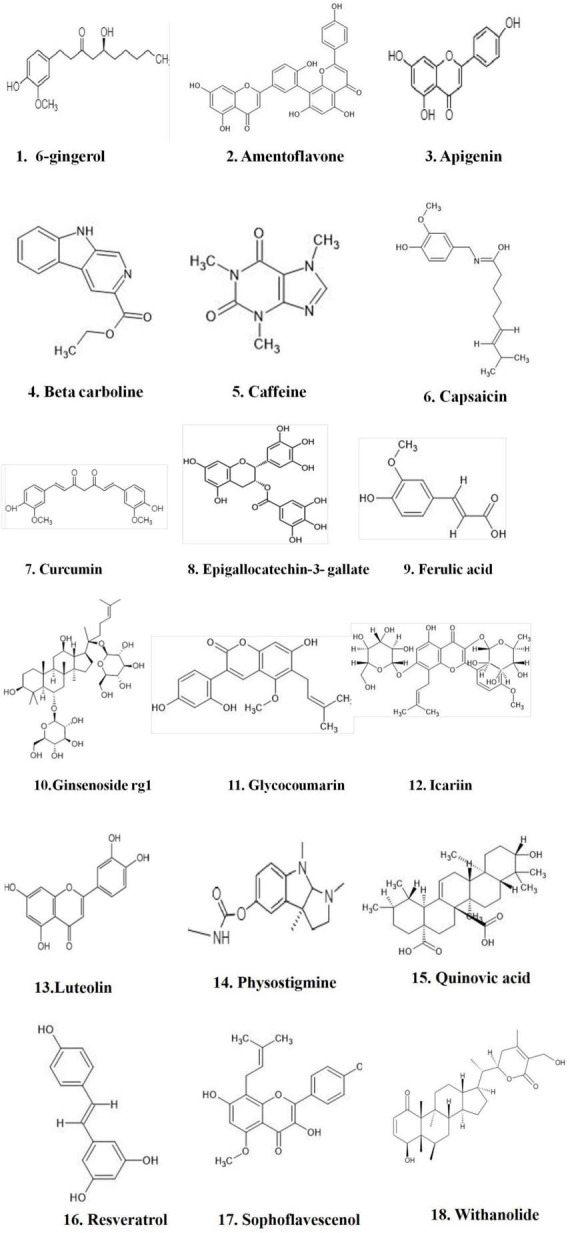
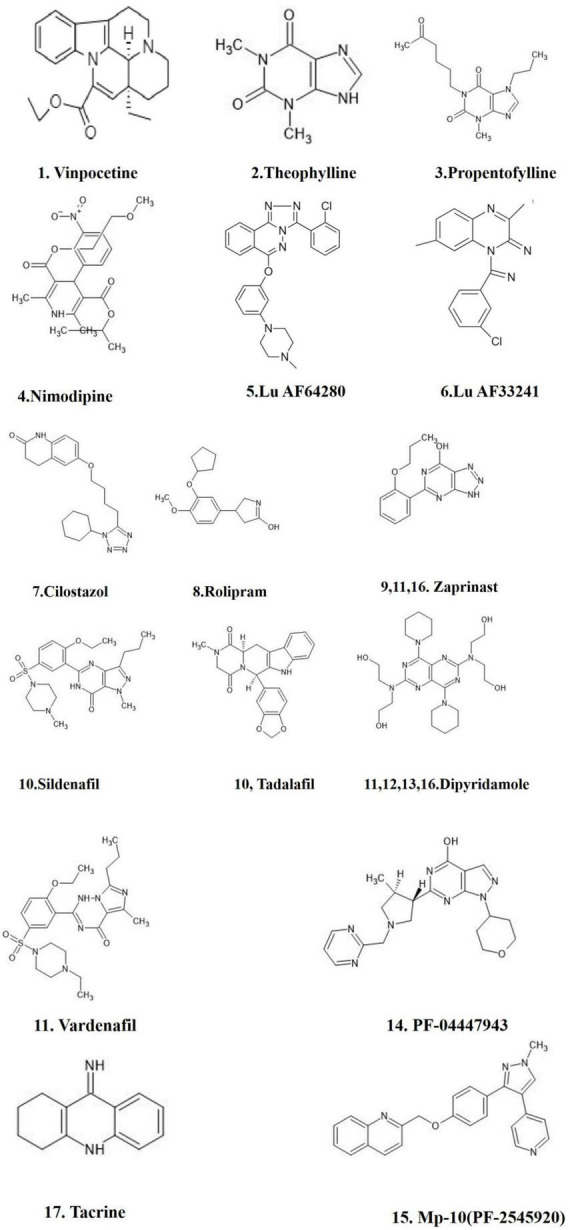
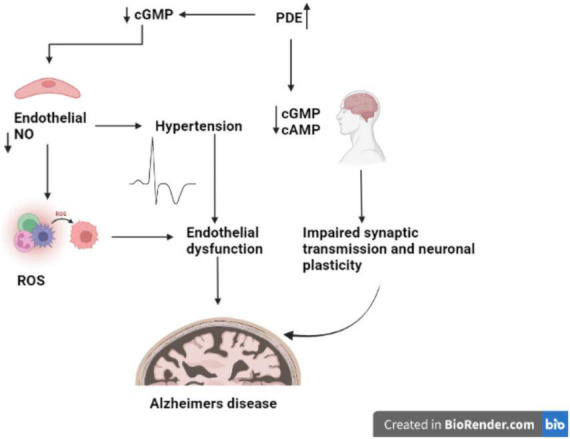
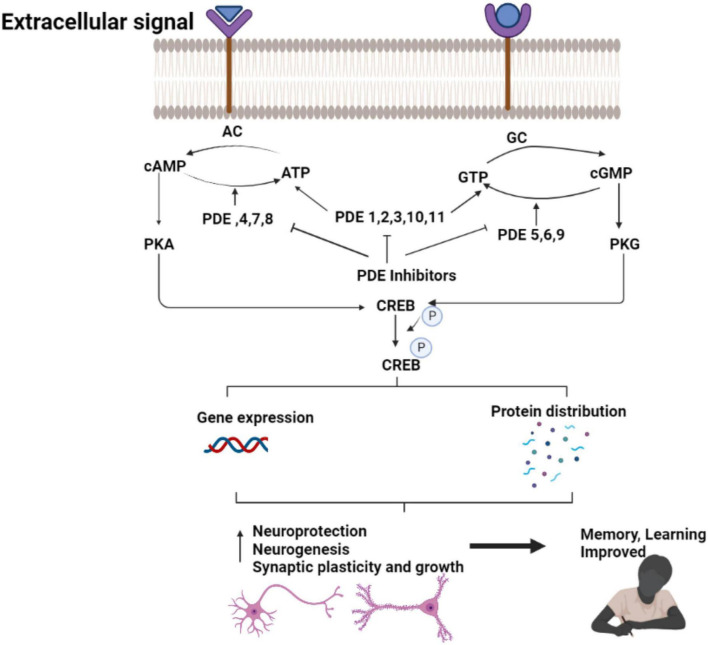
Alzheimer's disease (AD) is the most common form of dementia and is ranked as the 6th leading cause of death in the US. The prevalence of AD and dementia is steadily increasing and expected cases in USA is 14.8 million by 2050. Neuroinflammation and gradual neurodegeneration occurs in Alzheimer's disease. However, existing medications has limitation to completely abolish, delay, or prevent disease progression. Phosphodiesterases (PDEs) are large family of enzymes to hydrolyze the 3'-phosphodiester links in cyclic adenosine monophosphate (cAMP) and cyclic guanosine monophosphate (cGMP) in signal-transduction pathways for generation of 5'-cyclic nucleotides. It plays vital role to orchestrate several pharmacological activities for proper cell functioning and regulating the levels of cAMP and cGMP. Several evidence has suggested that abnormal cAMP signaling is linked to cognitive problems in neurodegenerative disorders like AD. Therefore, the PDE family has become a widely accepted and multipotential therapeutic target for neurodegenerative diseases. Notably, modulation of cAMP/cGMP by phytonutrients has a huge potential for the management of AD. Natural compounds have been known to inhibit phosphodiesterase by targeting key enzymes of cGMP synthesis pathway, however, the mechanism of action and their therapeutic efficacy has not been explored extensively. Currently, few PDE inhibitors such as Vinpocetine and Nicergoline have been used for treatment of central nervous system (CNS) disorders. Considering the role of flavonoids to inhibit PDE, this review discussed the therapeutic potential of natural compounds with PDE inhibitory activity for the treatment of AD and related dementia.
阿尔茨海默病(AD)是最常见的痴呆形式,在美国是第六大死因。AD和痴呆症的患病率正在稳步上升,预计到2050年美国的病例数将达到1480万。阿尔茨海默病会发生神经炎症和渐进性神经退行性变。然而,现有药物在完全消除、延缓或预防疾病进展方面存在局限性。磷酸二酯酶(PDEs)是一大类酶,可水解信号转导途径中环磷酸腺苷(cAMP)和环磷酸鸟苷(cGMP)中的3'-磷酸二酯键,生成5'-环核苷酸。它在协调多种药理活性以实现细胞正常功能和调节cAMP及cGMP水平方面起着至关重要的作用。有多项证据表明,异常的cAMP信号传导与AD等神经退行性疾病中的认知问题有关。因此,PDE家族已成为神经退行性疾病广泛认可的多潜能治疗靶点。值得注意的是,植物营养素对cAMP/cGMP的调节在AD管理方面具有巨大潜力。已知天然化合物可通过靶向cGMP合成途径的关键酶来抑制磷酸二酯酶,然而,其作用机制及其治疗效果尚未得到广泛探索。目前,很少有PDE抑制剂如长春西汀和尼麦角林被用于治疗中枢神经系统(CNS)疾病。考虑到黄酮类化合物对PDE的抑制作用,本综述讨论了具有PDE抑制活性的天然化合物在治疗AD及相关痴呆方面的治疗潜力。