Institute for Futures Studies, Stockholm, Sweden.
Future of Humanity Institute Oxford Martin School Reuben College University of Oxford, Oxford, UK.
Sci Eng Ethics. 2022 Oct 26;28(6):46. doi: 10.1007/s11948-022-00404-2.
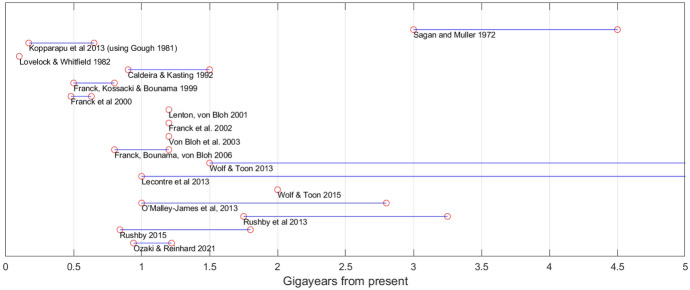
The biosphere represents the global sum of all ecosystems. According to a prominent view in environmental ethics, ecocentrism, these ecosystems matter for their own sake, and not only because they contribute to human ends. As such, some ecocentrists are critical of the modern industrial civilization, and a few even argue that an irreversible collapse of the modern industrial civilization would be a good thing. However, taking a longer view and considering the eventual destruction of the biosphere by astronomical processes, we argue that humans, a species with considerable technological know-how and industrial capacity could intervene to extend the lifespan of Earth's biosphere, perhaps by several billion years. We argue that human civilization, despite its flaws and harmful impacts on many ecosystems, is the biosphere's best hope of avoiding premature destruction. We argue that proponents of ecocentrism, even those who wholly disregard anthropocentric values, have a strong moral reason preserve the modern industrial civilization, for as long as needed to ensure biosphere survival.
生物圈代表着所有生态系统的全球总和。根据环境伦理学中的一个重要观点,生态中心主义认为这些生态系统本身就具有重要意义,不仅仅因为它们有助于人类的目的。因此,一些生态中心主义者对现代工业文明持批评态度,甚至有少数人认为现代工业文明的不可逆转崩溃将是一件好事。然而,从更长远的角度来看,考虑到生物圈最终会被天文过程所破坏,我们认为,人类作为一个具有相当技术知识和工业能力的物种,可以进行干预,延长地球生物圈的寿命,也许可以延长数十亿年。我们认为,尽管人类文明存在缺陷,并对许多生态系统造成了有害影响,但它是生物圈避免过早破坏的最佳希望。我们认为,生态中心主义的支持者,甚至那些完全无视人类中心主义价值观的人,也有强烈的道德理由来保护现代工业文明,只要这是确保生物圈生存所必需的。