Feng Tao, Xiao Linli, Bai Jiahua, Ding Hongxiang, Pang Liyan, Song Yuqing, Qin Yusheng, Xu Xiaoling, Wang Jing, Liu Yan
Institute of Animal Husbandry and Veterinary Medicine (IAHVM), Beijing Academy of Agriculture and Forestry Sciences (BAAFS), Beijing 100097, China.
Joint Laboratory of Animal Science between IAHVM of BAAFS and Division of Agricultural Science and Natural Resource of Oklahoma State University, Beijing 100097, China.
Biology (Basel). 2022 Sep 30;11(10):1432. doi: 10.3390/biology11101432.
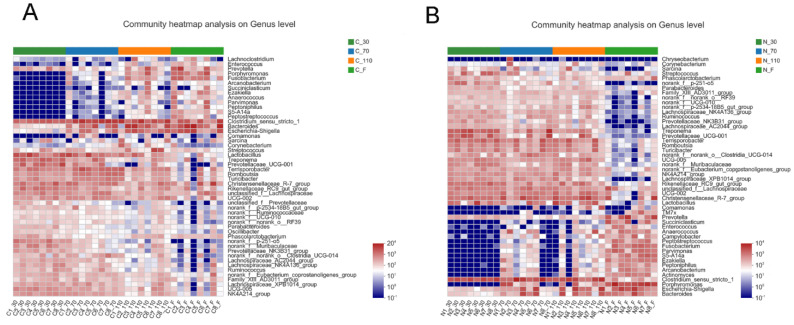
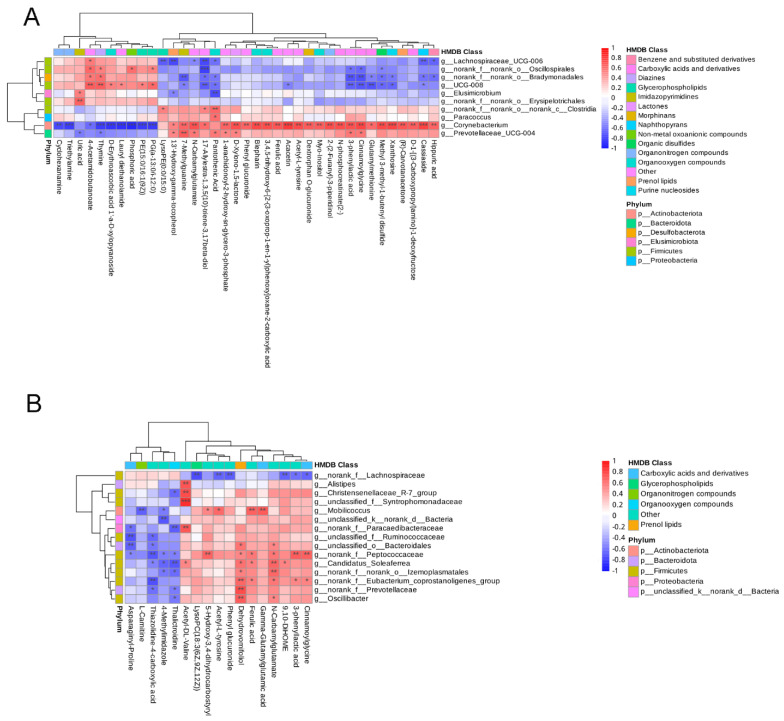
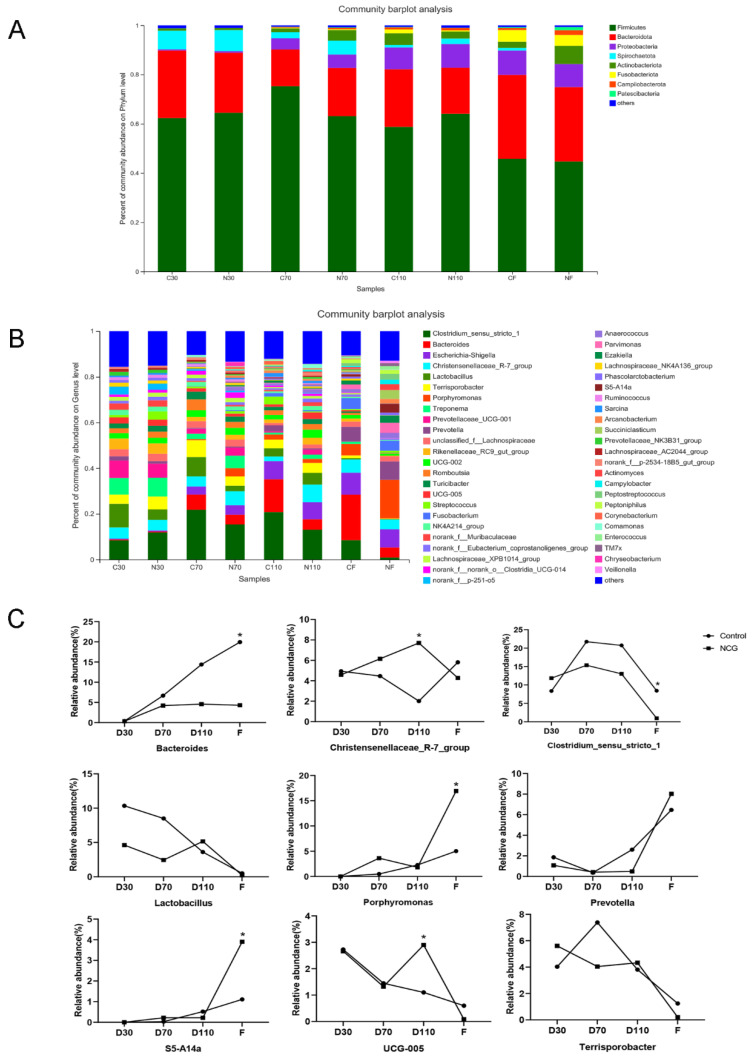
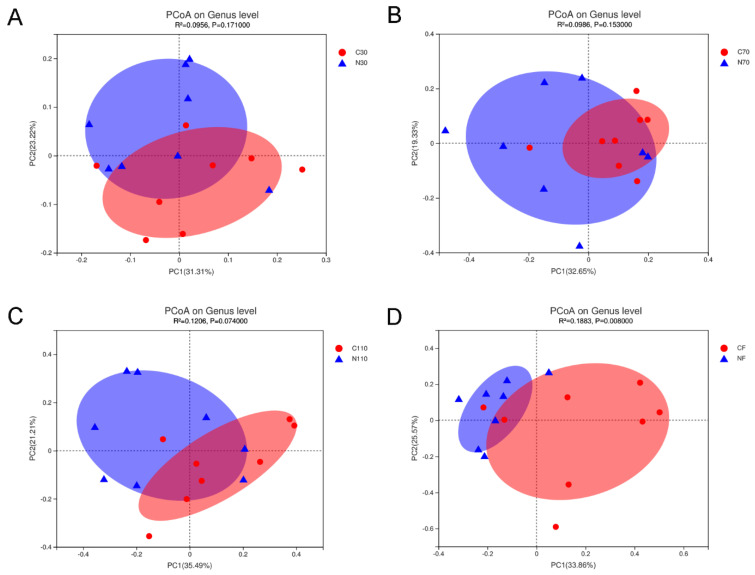
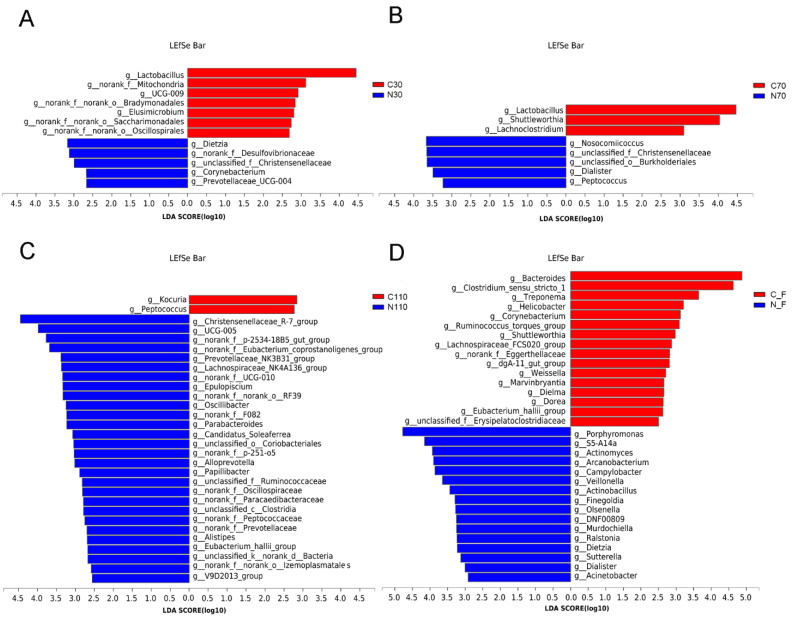
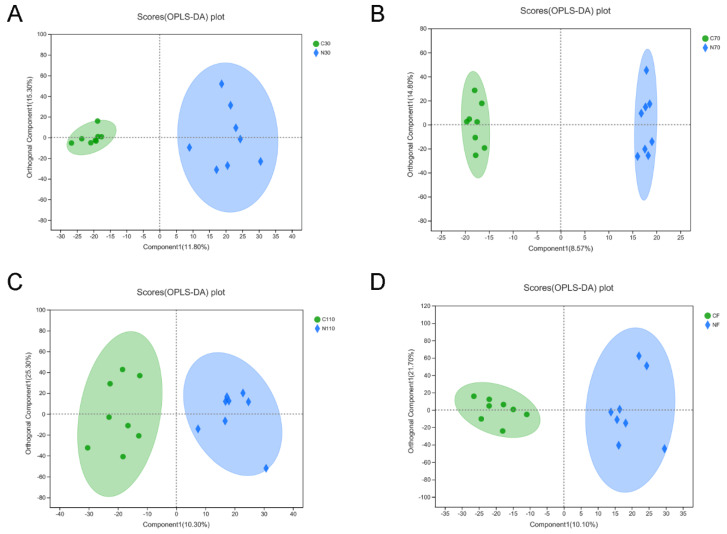
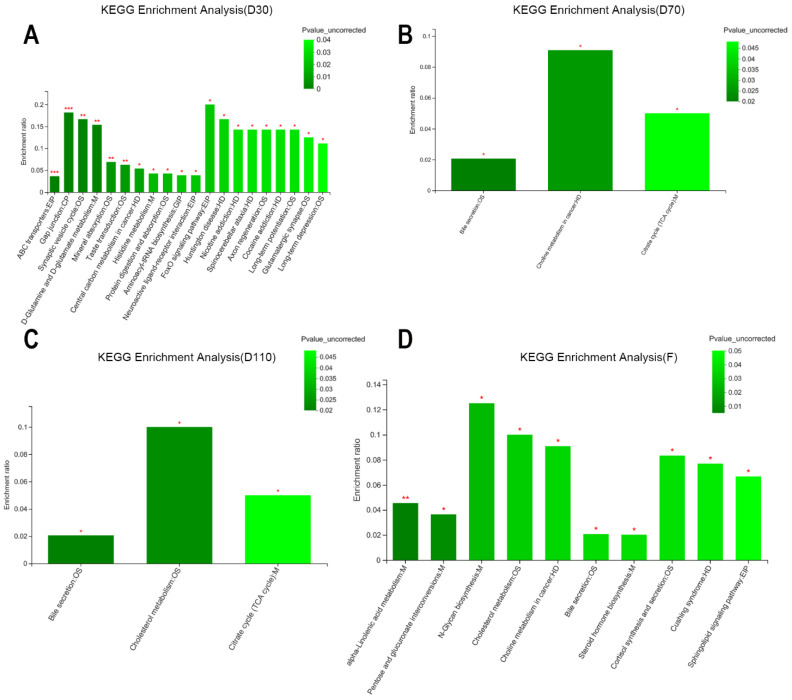
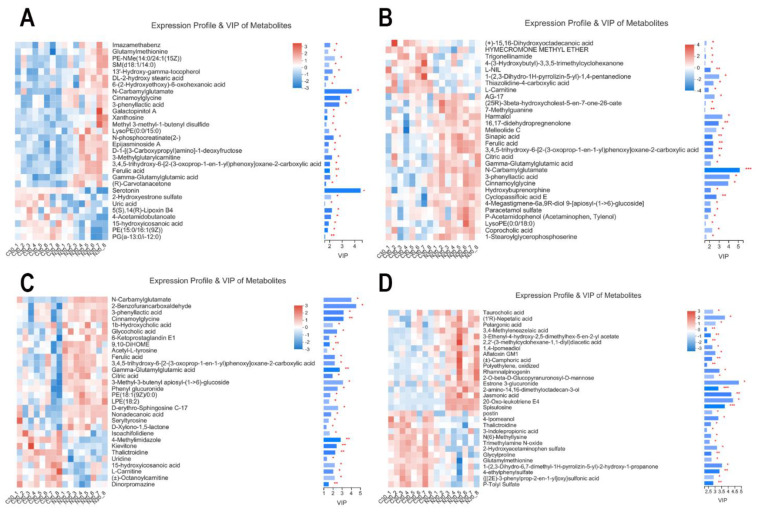
N-carbamylglutamate (NCG) supplementation during gestation improves reproductive performance in sows after conventional artificial insemination. However, whether NCG can improve reproductive performance and change fecal microbiota and serum metabolite levels during pregnancy in sows after fixed-time artificial insemination (FTAI) remains unclear. Two hundred multiparous sows were assigned a diet from mating until farrowing: control (corn−soybean meal) or NCG supplementation (0.05% NCG). At days 30, 70, and 110 of gestation and after farrowing, maternal microbial diversity and serum metabolites were studied. Supplementation of NCG increased the number of piglets born alive and the litter weight (all p < 0.05) and altered the fetal microbial community during gestation. Some genera were particularly abundant at different time points during gestation and after farrowing, but none were commonly abundant across all four time points. Metabolic analysis revealed that NCG supplementation significantly increased the serum concentrations of NCG, ferulic acid, cinnamoylglycine, 3-phenyllactic acid, and gamma-glutamylglutamic acid in the NCG group compared with levels in the control group. Our results reveal that NCG supplementation during gestation improves reproductive performance in sows after FTAI, exerting both direct (increased serum NCG levels) and indirect effects (altered intestinal microbiome and serum metabolites) on sow reproduction and, ultimately, improving placental and fetal development.
妊娠期补充N-氨甲酰谷氨酸(NCG)可提高经传统人工授精的母猪的繁殖性能。然而,NCG能否改善定时人工授精(FTAI)后母猪妊娠期的繁殖性能、改变粪便微生物群和血清代谢物水平仍不清楚。将200头经产母猪从配种到分娩分为两组:对照组(玉米-豆粕日粮)和NCG补充组(0.05% NCG)。在妊娠第30、70和110天以及分娩后,对母体微生物多样性和血清代谢物进行了研究。补充NCG增加了产活仔数和窝重(均p<0.05),并改变了妊娠期胎儿的微生物群落。在妊娠期和分娩后的不同时间点,某些属特别丰富,但在所有四个时间点都没有共同丰富的属。代谢分析表明,与对照组相比,NCG补充组血清中NCG、阿魏酸、肉桂酰甘氨酸、3-苯乳酸和γ-谷氨酰谷氨酸的浓度显著增加。我们的研究结果表明,妊娠期补充NCG可提高FTAI后母猪的繁殖性能,对母猪繁殖产生直接(血清NCG水平升高)和间接影响(肠道微生物群和血清代谢物改变),最终改善胎盘和胎儿发育。