González-Rodríguez Alexandre, Monreal José A, Seeman Mary V
Department of Mental Health, Mutua Terrassa University Hospital, Fundació Docència i Recerca Mutua Terrassa, University of Barcelona (UB), Centro de Investigación Biomédica en Red de Salud Mental (CIBERSAM), 08221 Terrassa, Spain.
Institut de Neurociències, Universitat Autònoma de Barcelona, 08221 Terrassa, Spain.
Brain Sci. 2022 Oct 4;12(10):1342. doi: 10.3390/brainsci12101342.
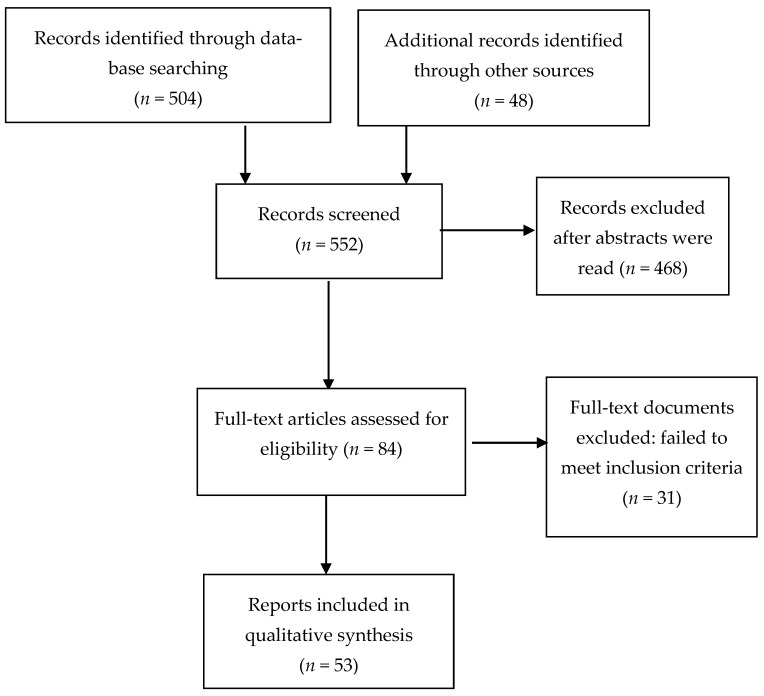
Background: It has been hypothesized that, whenever estrogen levels decline, psychosis symptoms in women increase. At menopause, this can happen in two main ways: (a) the loss of estrogen (mainly estradiol) can directly affect central neurotransmission, leading to increase in schizophrenia-related symptoms, and (b) the loss of estrogen can decrease the synthesis of enzymes that metabolize antipsychotic drugs, thus weakening their efficacy. Aims and Methods: The aim of this narrative review was to investigate the second possibility by searching PubMed and ClinicalTrials.gov for studies over the last two decades that investigated the metabolism of antipsychotics and their efficacy before and after menopause in women or that studied systemic and local estrogen level effects on the pharmacokinetics and pharmacodynamics of individual antipsychotic drugs. Results: The evidence suggests that symptom level in women with schizophrenia rises after menopause for many reasons beyond hormones but, importantly, there is an estrogen-dependent loss of efficacy related to antipsychotic treatment. Conclusion: Effective clinical intervention is challenging; nevertheless, several promising routes forward are suggested.
有假说认为,每当雌激素水平下降时,女性的精神病症状就会增加。在更年期,这种情况主要通过两种方式发生:(a)雌激素(主要是雌二醇)的丧失可直接影响中枢神经传递,导致精神分裂症相关症状增加;(b)雌激素的丧失会减少代谢抗精神病药物的酶的合成,从而削弱其疗效。目的与方法:本叙述性综述的目的是通过在PubMed和ClinicalTrials.gov上搜索过去二十年中研究女性绝经前后抗精神病药物代谢及其疗效的研究,或研究全身和局部雌激素水平对个别抗精神病药物药代动力学和药效学影响的研究,来探讨第二种可能性。结果:证据表明,绝经后精神分裂症女性的症状水平上升有多种原因,而非仅与激素有关,但重要的是,抗精神病治疗存在雌激素依赖性疗效丧失的情况。结论:有效的临床干预具有挑战性;尽管如此,仍提出了一些有前景的前进方向。