Petralia Maria Cristina, Nicoletti Ferdinando, Tancheva Lyubka, Kalfin Reni, Fagone Paolo, Mangano Katia
Department of Clinical and Experimental Medicine, University of Messina, 98122 Messina, Italy.
Department of Biomedical and Biotechnological Sciences, University of Catania, Via S. Sofia 89, 95123 Catania, Italy.
Brain Sci. 2022 Oct 12;12(10):1378. doi: 10.3390/brainsci12101378.
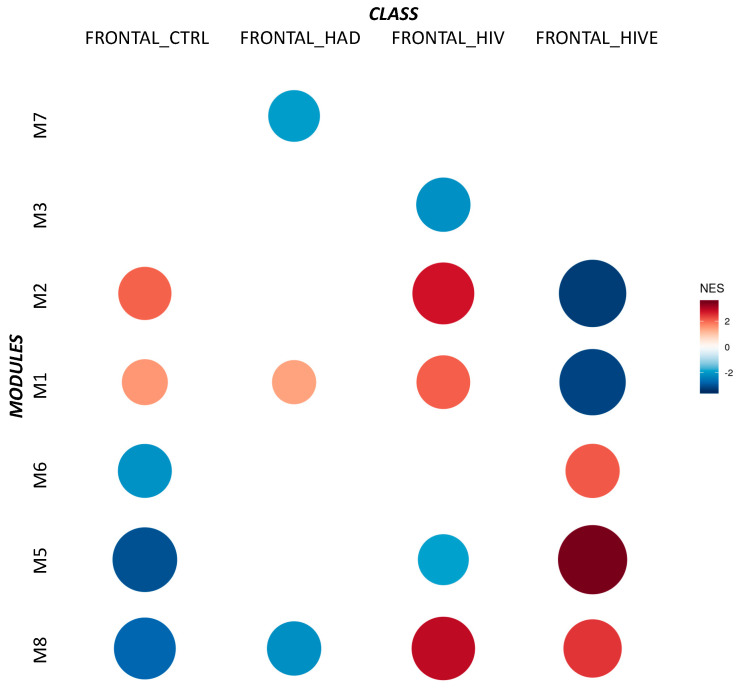
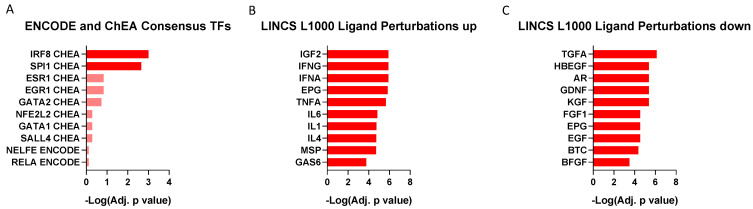
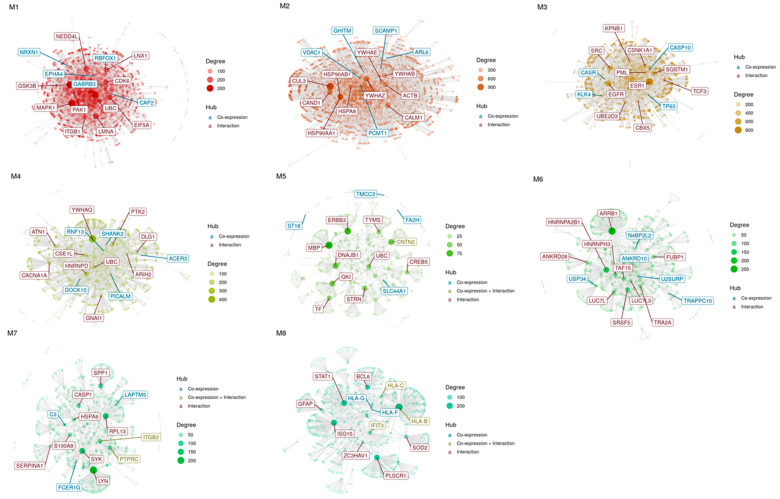
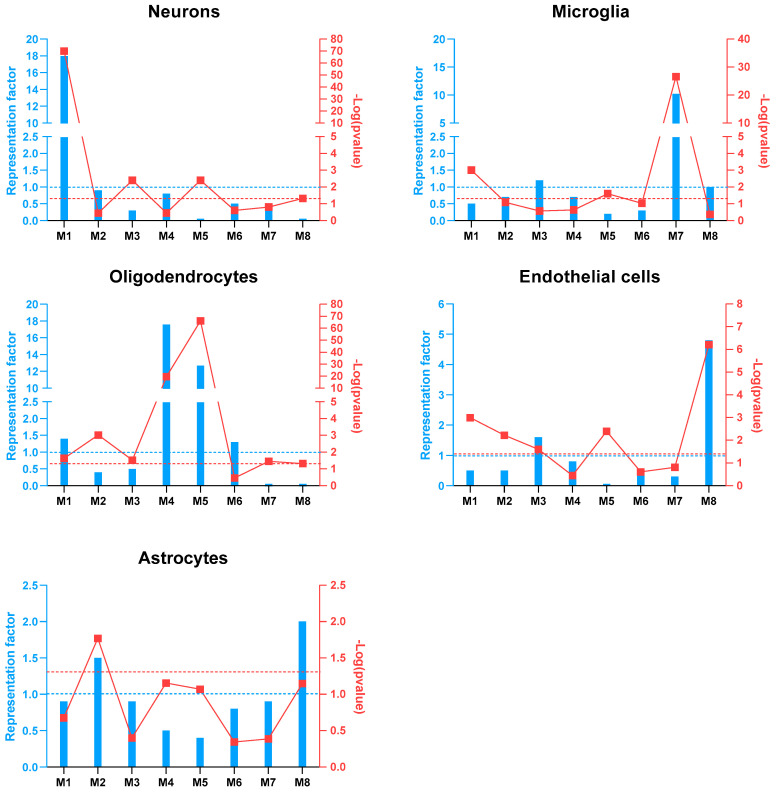
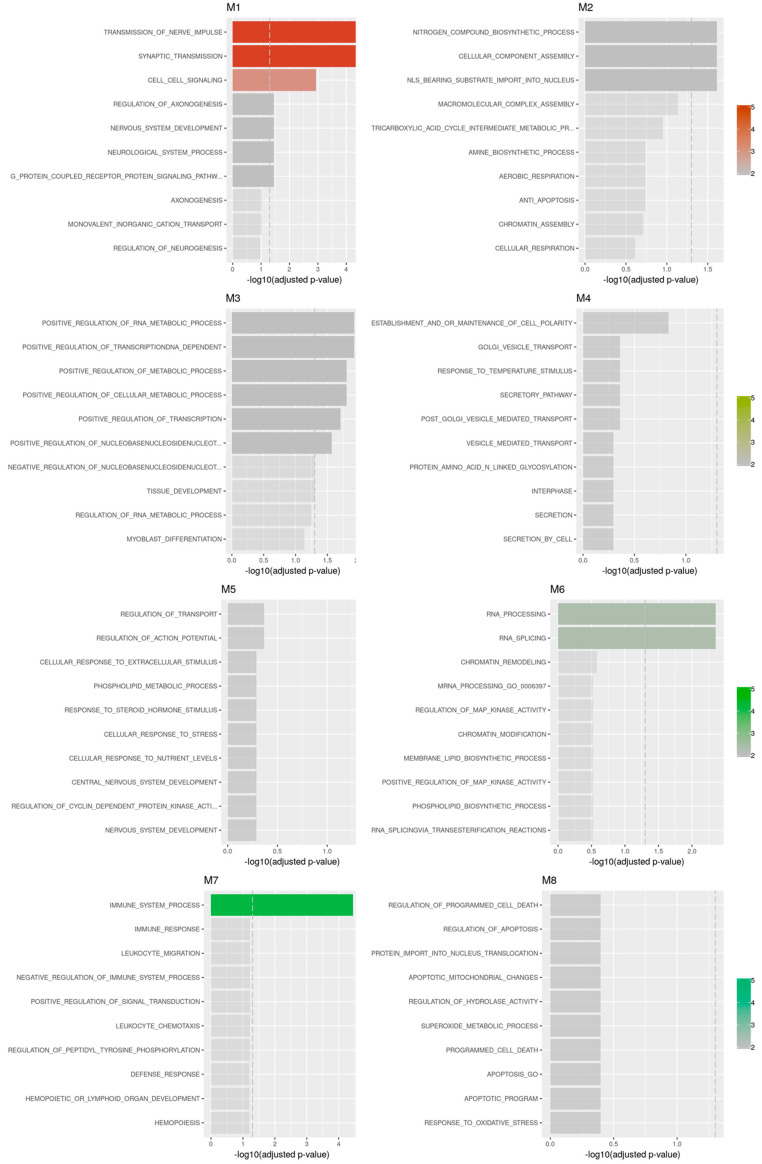
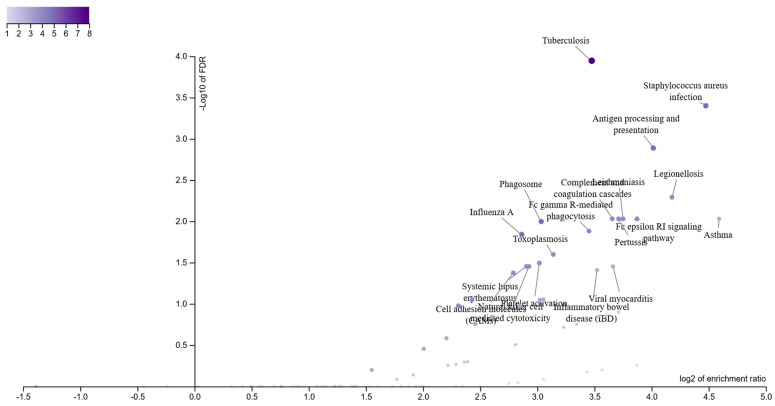
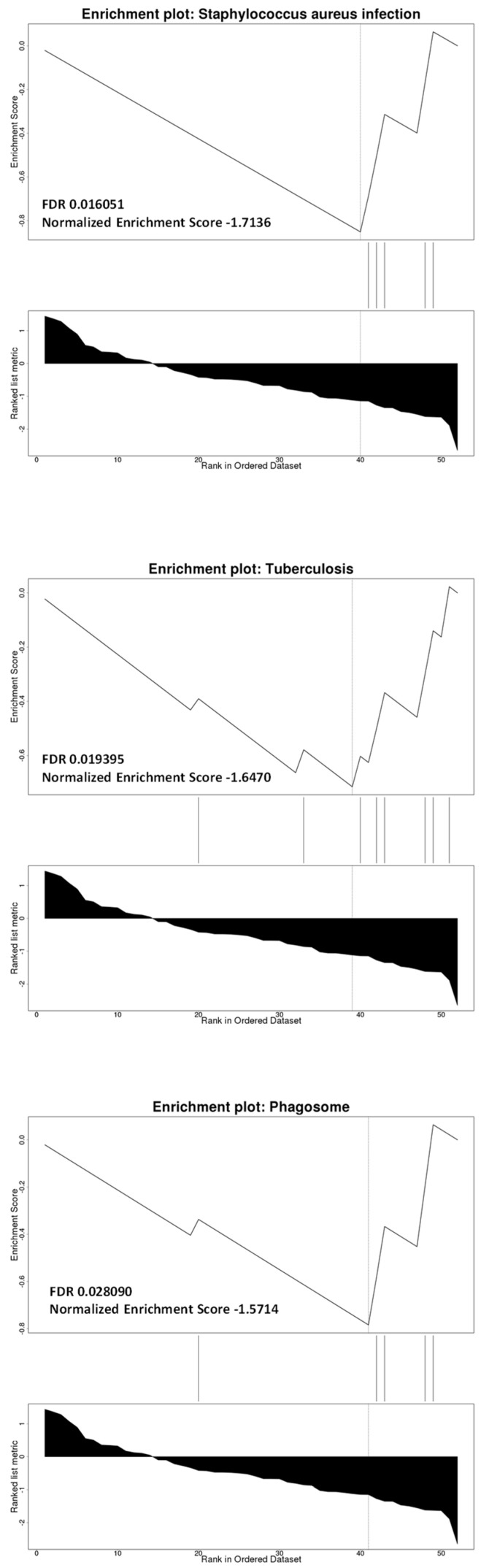
Although the introduction of HAART has completely changed the natural course of HIV infection, the number of chronic forms of HIV-associated neurocognitive disorder (HAND) has risen. It is estimated that up to half of subjects undergoing HAART therapy exhibit mild cognitive impairments. In the current study, we apply the gene co-expression network modular analysis, a well-established system biology approach, to the gene expression profiles of cases from the National NeuroAIDS Tissue Consortium (NNTC). We observed a negative enrichment for genes associated with the control of immune responses and putatively regulated by the transcription factors IRF8 and SPI1 and by both type I and II interferons. Our study provides evidence of altered immune responses, which are likely associated with the occurrence of HAND in the absence of HIV encephalitis (HIVE).
尽管高效抗逆转录病毒疗法(HAART)的引入彻底改变了HIV感染的自然病程,但与HIV相关的慢性神经认知障碍(HAND)的病例数量却有所增加。据估计,接受HAART治疗的患者中,多达一半表现出轻度认知障碍。在本研究中,我们将基因共表达网络模块分析(一种成熟的系统生物学方法)应用于国家神经艾滋病组织联盟(NNTC)病例的基因表达谱。我们观察到与免疫反应控制相关的基因呈负富集,这些基因可能受转录因子IRF8和SPI1以及I型和II型干扰素的调控。我们的研究提供了免疫反应改变的证据,这可能与无HIV脑炎(HIVE)情况下HAND的发生有关。