Department of Neurosciences and Rehabilitation, University of Ferrara, 44121 Ferrara, Italy.
Department of Environmental and Prevention Sciences, University of Ferrara, 44121 Ferrara, Italy.
Int J Environ Res Public Health. 2022 Oct 13;19(20):13163. doi: 10.3390/ijerph192013163.
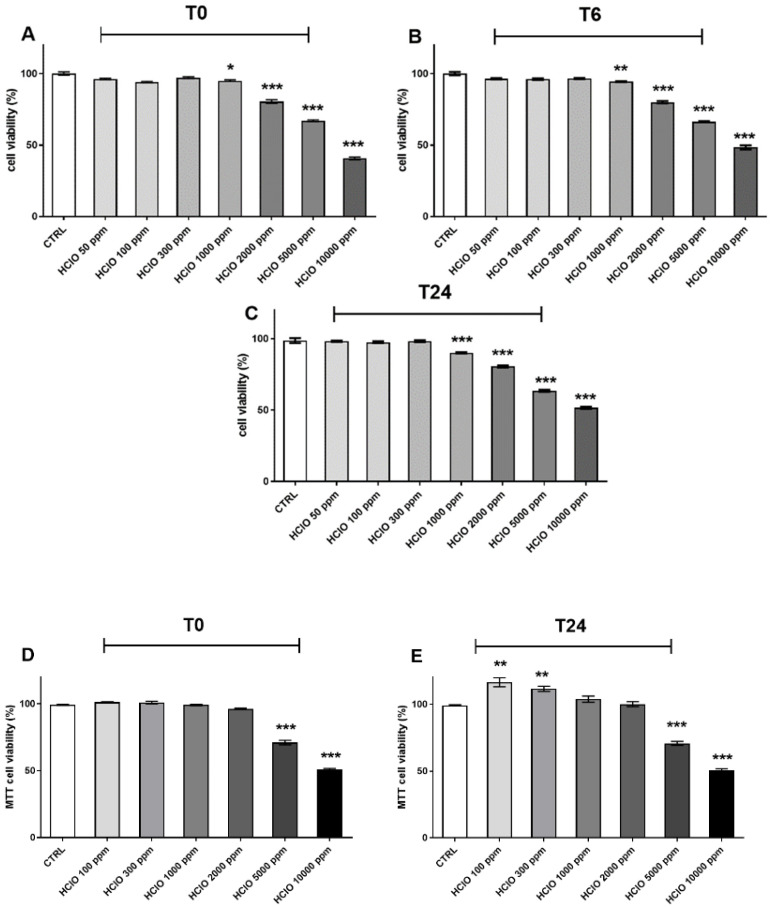
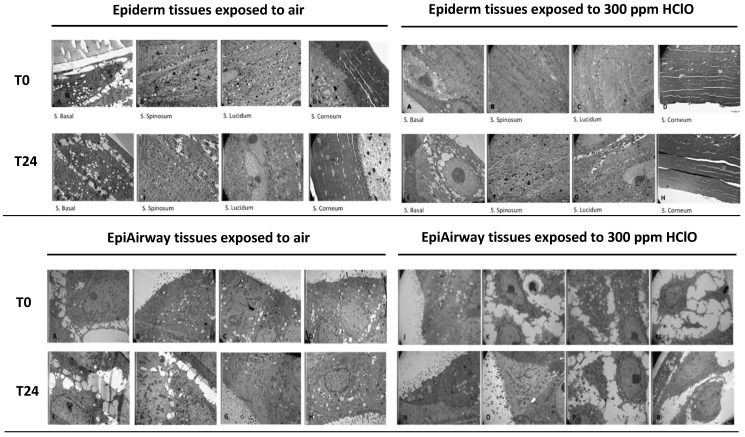
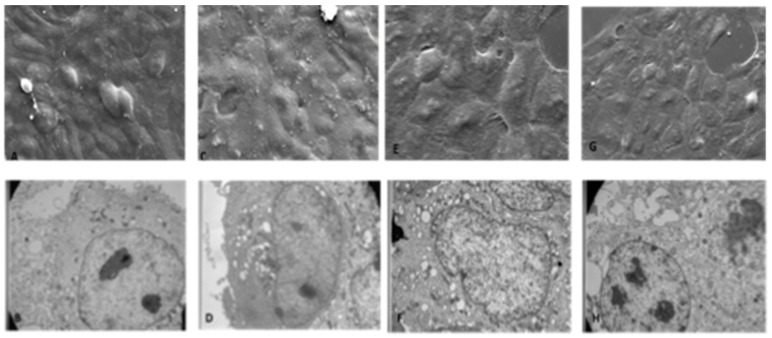
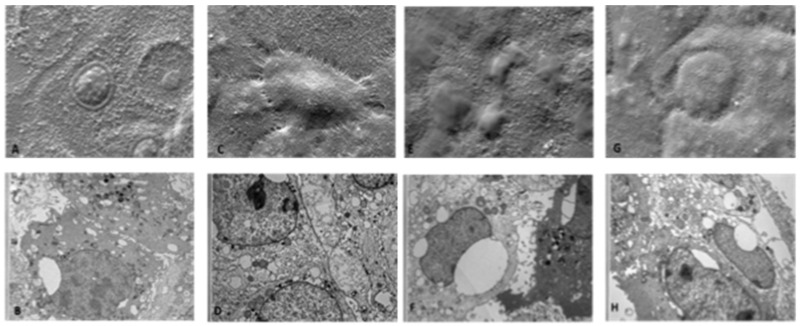
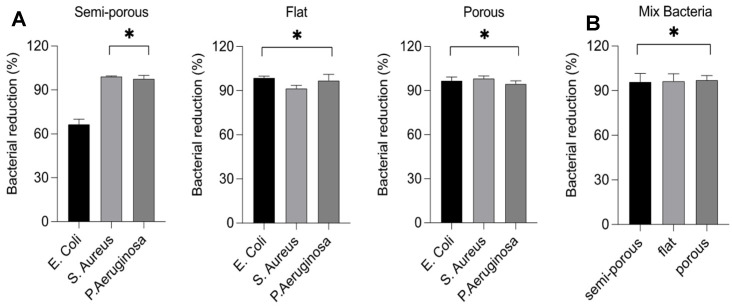
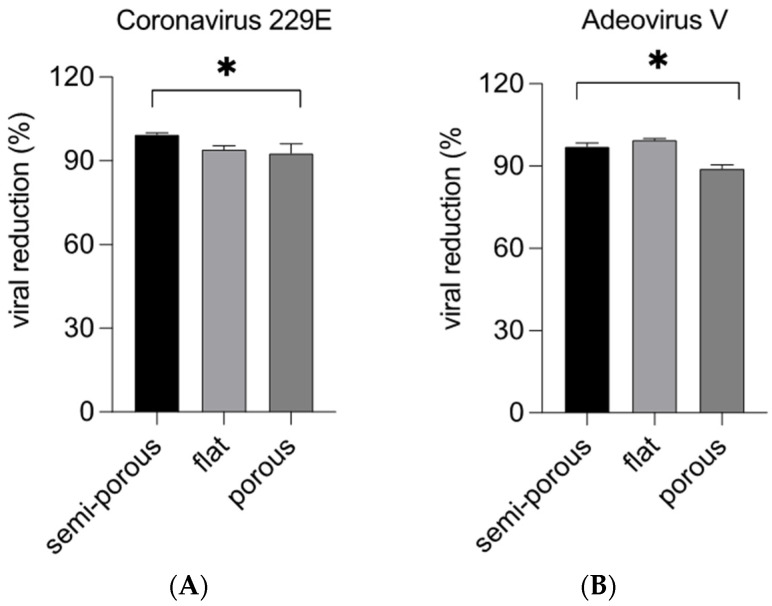
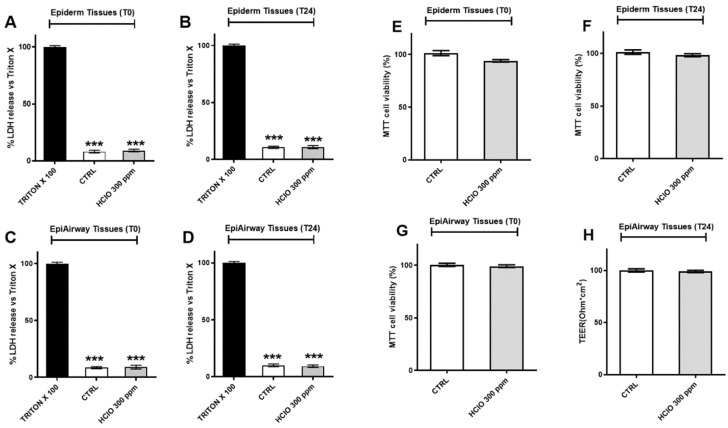
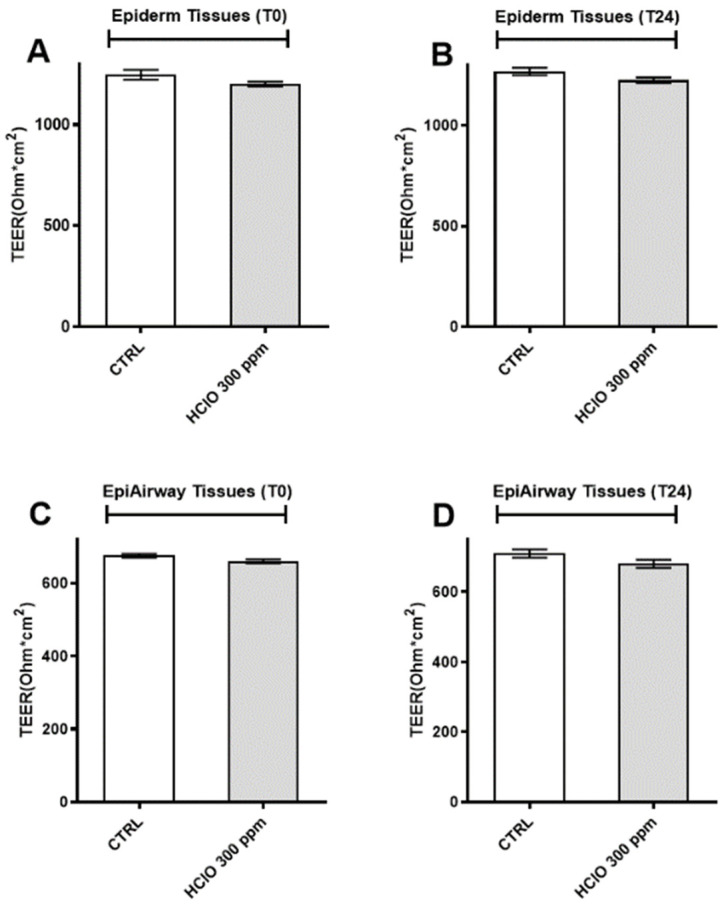
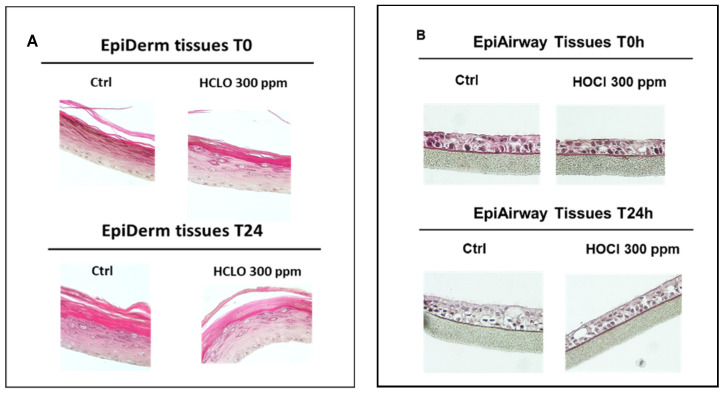
The COVID-19 pandemic has underlined the importance of disinfectants as tools to prevent and fight against coronavirus spreading. An ideal disinfectant and sanitizer must be nontoxic to surface contact, noncorrosive, effective, and relatively inexpensive as it is hypochlorous acid (HOCl). The present work intended to evaluate, on different surfaces, the bactericidal and virucidal effectiveness of nebulized HOCl and test its safety usage in 2D and 3D skin and lung models. Our data showed that HOCl at the dose of 300 ppm did not affect cellular and tissue viability, not their morphology. The HOCl bactericidal properties varies with the surface analyzed: 69% for semi-porous, 96-99.9% for flat and porous. This discrepancy was not noticed for the virucidal properties. Overall, this study showed that nebulized HOCl can prevent virus and bacteria growth without affecting lung and skin tissues, making this compound a perfect candidate to sanitize indoor environments.
新冠疫情突出了消毒剂作为预防和对抗冠状病毒传播的工具的重要性。一种理想的消毒剂和杀菌剂必须对表面接触无毒、无腐蚀性、有效且相对便宜,因为它是次氯酸(HOCl)。本工作旨在评估不同表面上雾化 HOCl 的杀菌和杀病毒效果,并在 2D 和 3D 皮肤和肺模型中测试其安全使用。我们的数据表明,300ppm 的 HOCl 不会影响细胞和组织的活力及其形态。HOCl 的杀菌特性因分析的表面而异:半多孔表面为 69%,平面和多孔表面为 96-99.9%。对于杀病毒特性,没有注意到这种差异。总体而言,这项研究表明,雾化 HOCl 可以防止病毒和细菌生长,而不会影响肺部和皮肤组织,这使得该化合物成为室内环境消毒的理想选择。