School of Management, Shandong University, Jinan 250100, China.
Int J Environ Res Public Health. 2022 Oct 21;19(20):13713. doi: 10.3390/ijerph192013713.
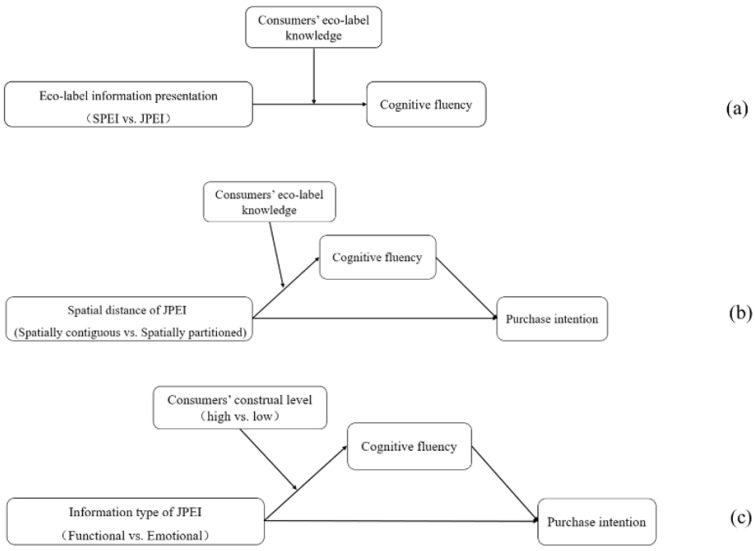
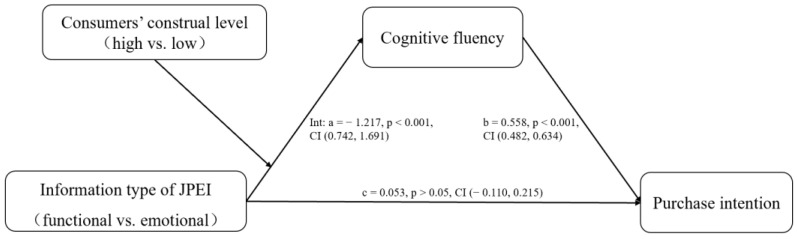
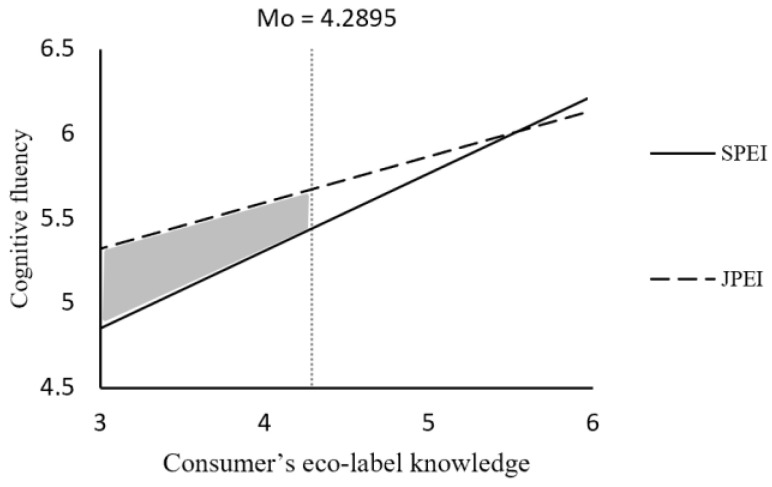
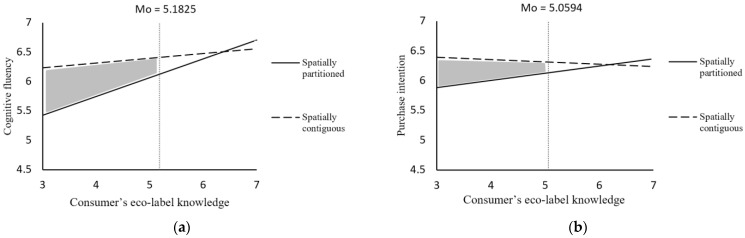
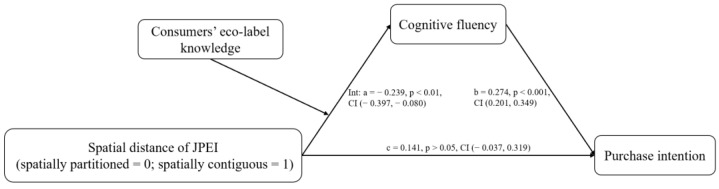
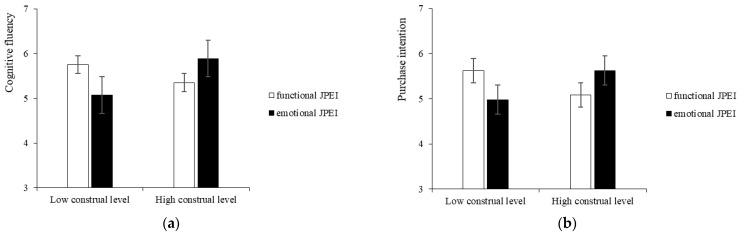
An eco-label is an important tool for identifying green products in the marketplace. Most eco-labels, however, present a single icon that is simple and carries limited information, thus creating cognitive barriers for consumers. As a result, eco-labels might not always effectively promote green consumption. Based on dual coding theory and the spatial contiguity effect, this study investigated the effect of the "joint presentation of eco-label information" (JPEI), which adds (functional/emotional) descriptive text to eco-labels, on improving consumers' cognitive fluency in eco-labels and subsequent purchase intention. We conducted three studies and found that, compared with the "single presentation of eco-label information" (SPEI), JPEI improved the cognitive fluency of consumers with low eco-label knowledge. Furthermore, spatially contiguous JPEI was more effective than spatially partitioned JPEI for consumers with low eco-label knowledge. In addition, we specifically explored the information types of JPEI that were effective for consumers with low eco-label knowledge. Low-construal consumers had higher cognitive fluency and higher purchase intentions under functional JPEI, and high-construal consumers had higher cognitive fluency and higher purchase intentions under emotional JPEI. The results of this study enrich eco-label research and can provide theoretical guidance for marketing practices in eco-labels.
生态标签是识别市场上绿色产品的重要工具。然而,大多数生态标签呈现的是一个简单且信息量有限的单一图标,这给消费者造成了认知障碍。因此,生态标签并不总是能有效地促进绿色消费。基于双重编码理论和空间邻近效应,本研究探讨了“生态标签信息的联合呈现”(JPEI)对改善消费者对生态标签认知流畅度和后续购买意愿的影响。我们进行了三项研究,发现与“单一呈现生态标签信息”(SPEI)相比,JPEI 提高了生态标签知识水平较低的消费者的认知流畅度。此外,对于生态标签知识水平较低的消费者,空间上连续的 JPEI 比空间上分隔的 JPEI 更有效。此外,我们还专门探讨了 JPEI 的信息类型对生态标签知识水平较低的消费者的有效性。在功能性 JPEI 下,低构念消费者具有更高的认知流畅度和更高的购买意愿,而在情感性 JPEI 下,高构念消费者具有更高的认知流畅度和更高的购买意愿。本研究的结果丰富了生态标签研究,可为生态标签营销实践提供理论指导。