Wang Shuaibing, Li Yi, Zhang Jie, Wang Xiangying, Hong Jianping, Qiu Chen, Meng Huisheng
College of Resources and Environment, Shanxi Agricultural University, Taigu County, Jinzhong 030810, China.
College of Life Sciences, Shanxi Agricultural University, Taigu County, Jinzhong 030810, China.
Microorganisms. 2022 Oct 10;10(10):1998. doi: 10.3390/microorganisms10101998.
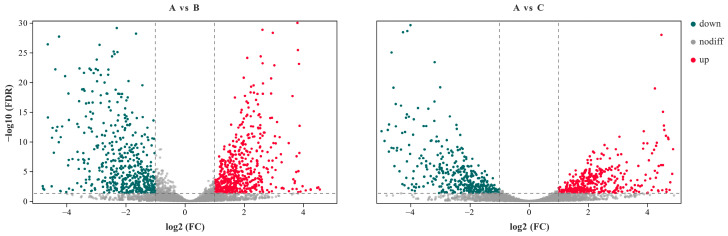
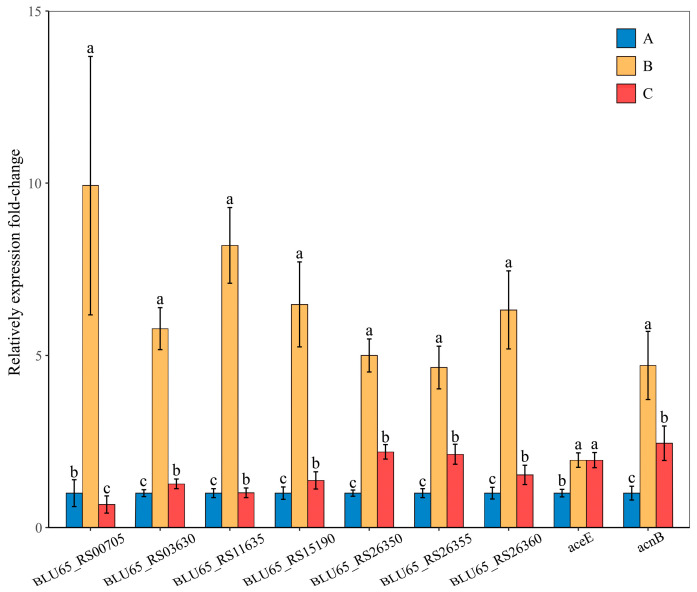
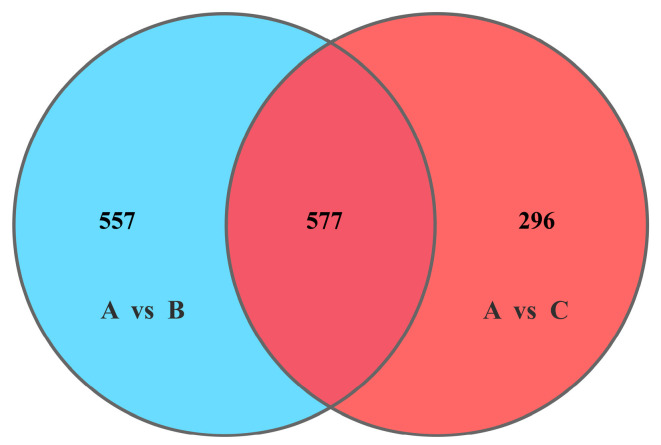
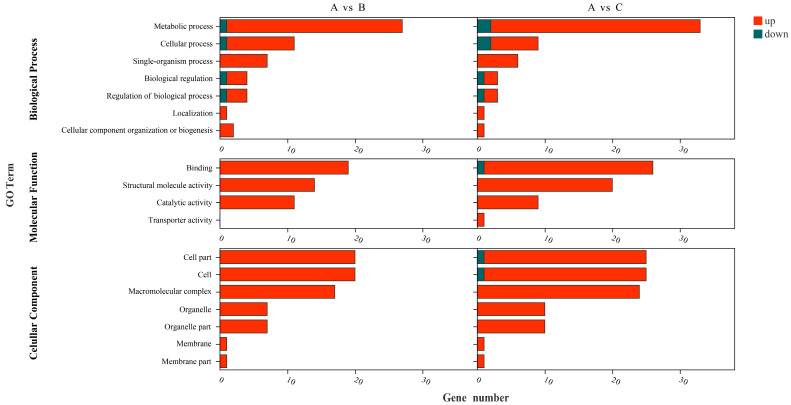
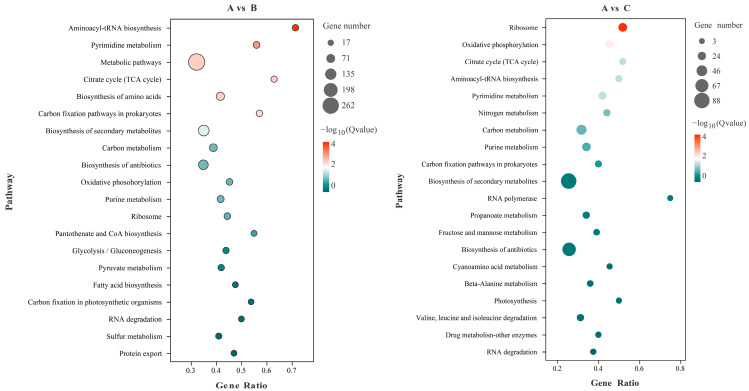
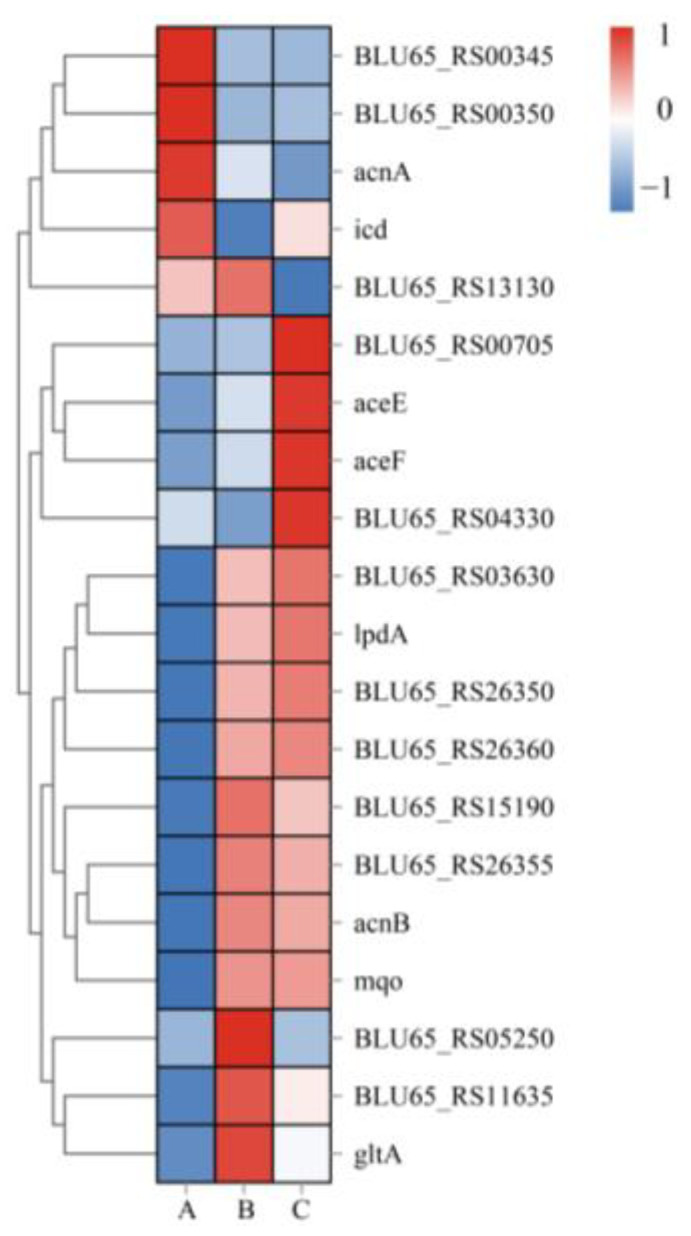
Phosphate-solubilizing bacteria (PSB) can alleviate available phosphorus deficiency without causing environmental pollution, unlike chemical phosphate fertilizers. However, the phosphate solubilization mechanisms of PSB are still unclear. Transcriptome sequencing was used to analyze the expression patterns of differential expressed genes (DEGs) of the phosphate-solubilizing bacterium W134 under the conditions of soluble phosphorus (group A), insoluble phosphorus (group B), and lacking phosphorus (group C). Nine DEGs in three different groups were detected by quantitative real-time polymerase chain reaction (qRT-PCR). Then, high performance liquid chromatography (HPLC) was applied to detect the concentrations and composition of organic acids. Compared with group A, Gene Ontology (GO) annotation showed that the cluster of W134 DEGs in groups B and C were basically the same. Besides, the results of enrichment Kyoto Encyclopedia of Genes and Genomes (KEGG) pathway indicated that genes in the Citrate cycle (TCA cycle) pathway closely related to organic acid production were significantly upregulated. The qRT-PCR results were almost consistent with the expression trends of the transcriptome data. The HPLC results showed that the formic acid, ascorbic acid, acetic acid, citric acid, and succinic acid concentrations were significantly increased in group B and C (p < 0.05), while the contents of lactic acid and malic acid were significantly increased in group B (p < 0.05). The above results provided further validation that the upregulated genes should be related to W134 secretion of organic acids. Our study revealed several potential candidate genes and tried to explain phosphate solubilization mechanisms. This provides a new insight for calcareous reclaimed soil, and it will reduce the need of chemical phosphate fertilizers to promote environmentally friendly agriculture.
与化学磷肥不同,解磷细菌(PSB)可以缓解有效磷缺乏问题且不会造成环境污染。然而,PSB的解磷机制仍不清楚。本研究采用转录组测序分析解磷细菌W134在可溶性磷(A组)、难溶性磷(B组)和缺磷(C组)条件下差异表达基因(DEGs)的表达模式。通过实时定量聚合酶链反应(qRT-PCR)检测了三个不同组中的9个DEGs。然后,应用高效液相色谱(HPLC)检测有机酸的浓度和组成。与A组相比,基因本体论(GO)注释显示B组和C组中W134的DEGs聚类基本相同。此外,京都基因与基因组百科全书(KEGG)通路富集结果表明,与有机酸产生密切相关的柠檬酸循环(TCA循环)通路中的基因显著上调。qRT-PCR结果与转录组数据的表达趋势基本一致。HPLC结果表明,B组和C组中甲酸、抗坏血酸、乙酸、柠檬酸和琥珀酸的浓度显著增加(p<0.05),而B组中乳酸和苹果酸的含量显著增加(p<0.05)。上述结果进一步验证了上调基因应与W134分泌有机酸有关。我们的研究揭示了几个潜在的候选基因,并试图解释解磷机制。这为石灰性复垦土壤提供了新的见解,并将减少化学磷肥的需求,以促进环境友好型农业。