Ozden Ayse, Doneray Hakan, Hafize Erdeniz Emine Hafize, Altinkaynak Konca, Igan Hakan
Department of Pediatric Endocrinology, Erzurum Regional Training and Research Hospital, Erzurum, Turkey.
Department of Pediatric Endocrinology, Atatürk University Faculty of Medicine, Erzurum, Turkey; Clinical Research Development and Design Application and Research Center, Atatürk University, Erzurum, Turkey.
Eurasian J Med. 2022 Oct;54(3):285-291. doi: 10.5152/eurasianjmed.2022.22213.
The studies on children with COVID-19 are very limited. The aim of this study is to reveal the effect of serum 25-hydroxy vitamin D level on clinical and laboratory parameters.
The study included 74 children (35 boys and 39 girls) diagnosed with COVID-19. The retrospective data were obtained from the file records of the patients. Seventy-four patients were divided into 3 groups (group 1, deficient; group 2, insufficient; and group 3, sufficient) according to their serum 25-hydroxy vitamin D levels.
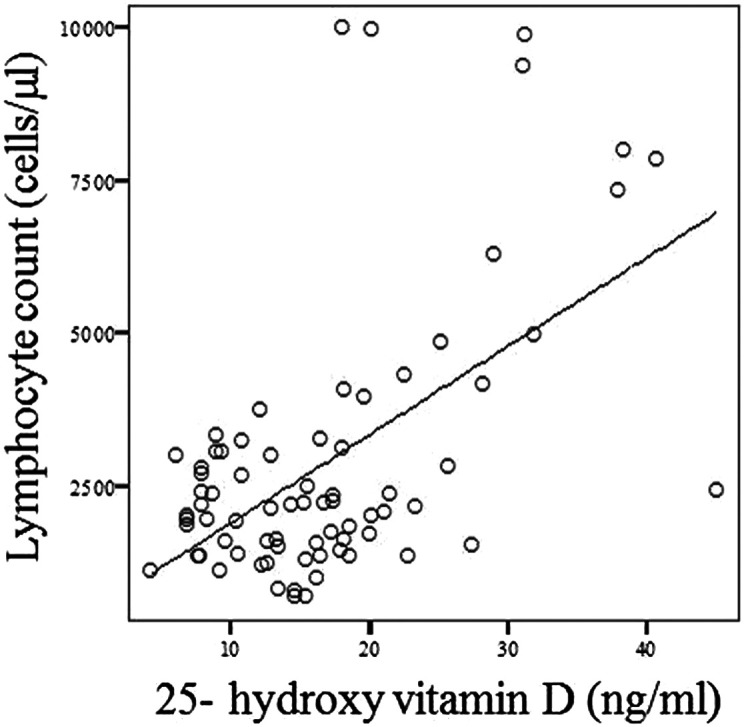
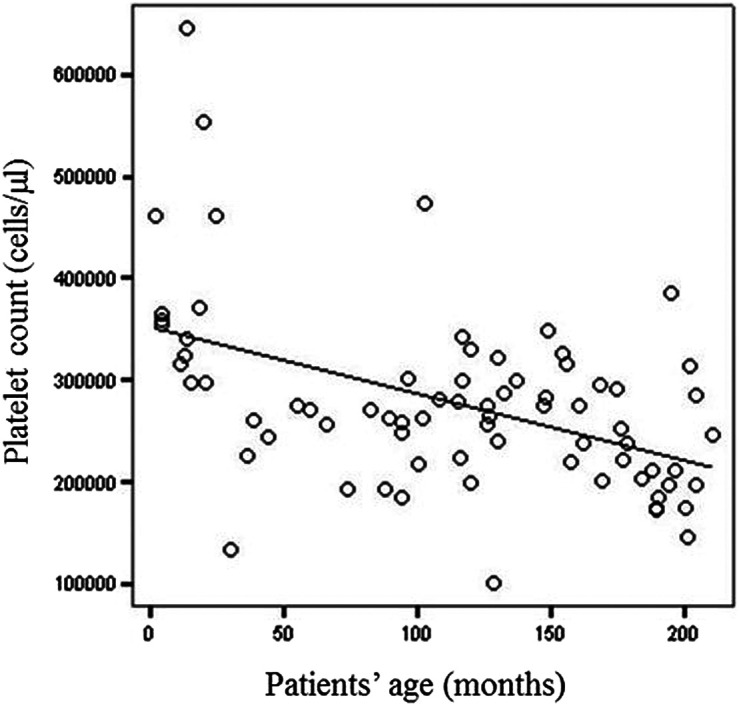
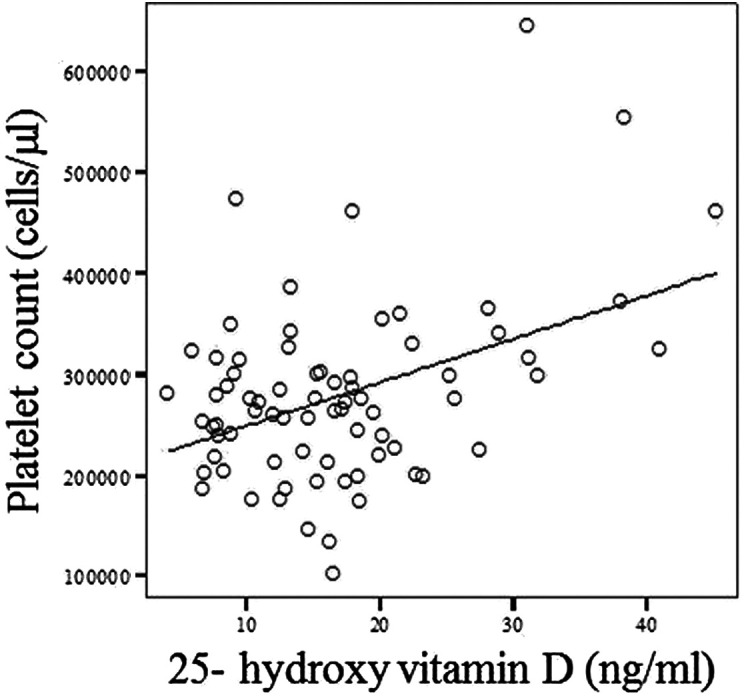
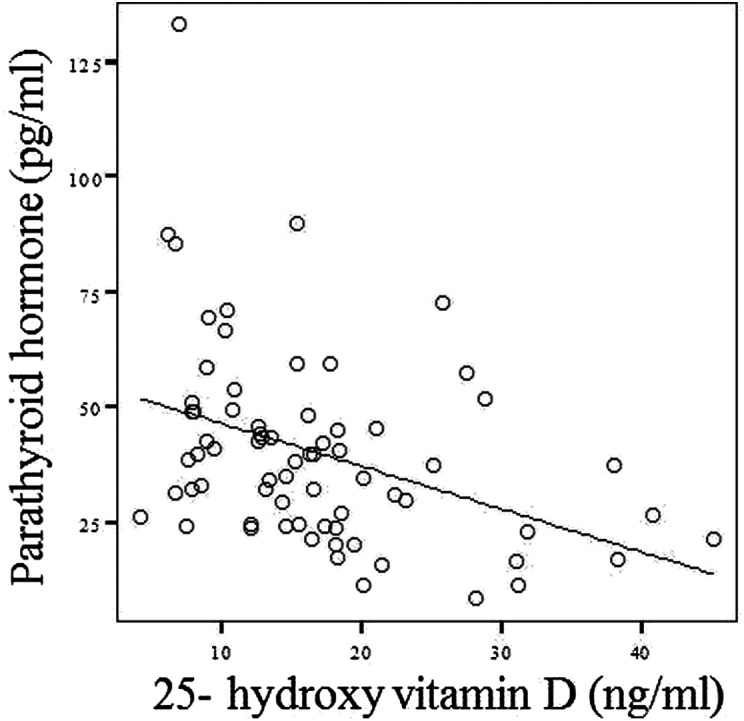
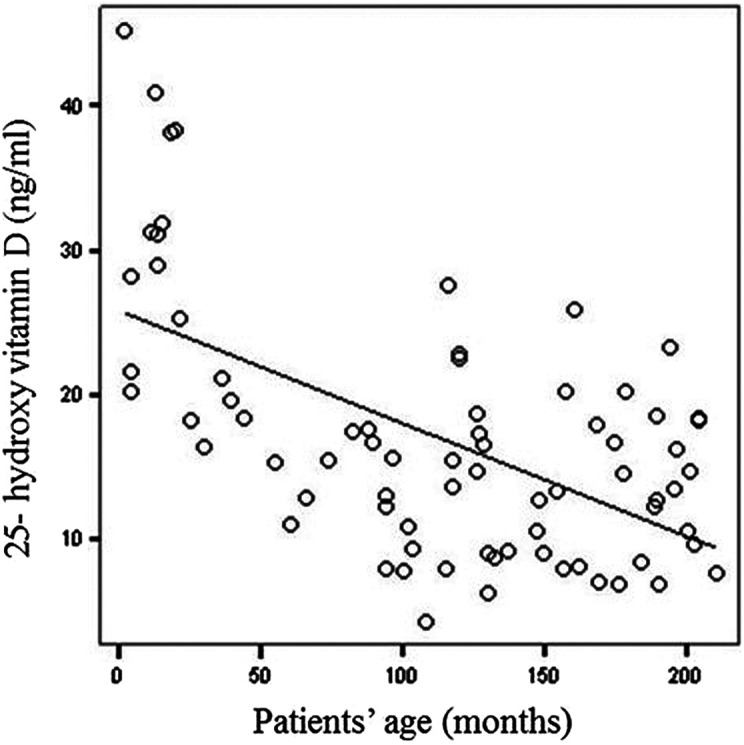
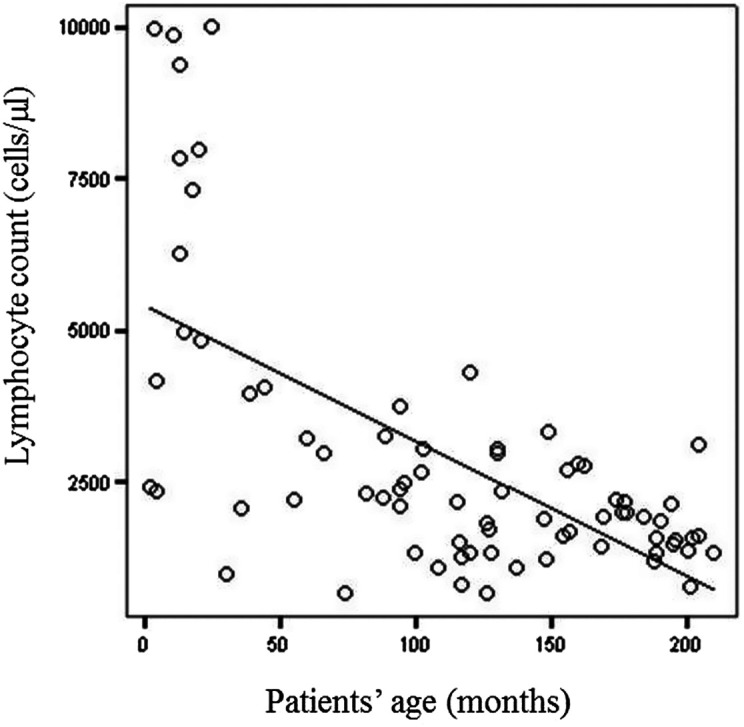
The mean age of all patients was 113.25 ± 64.55 months. The mean leucocyte count was substantially higher in group 3 compared to groups 1 and 2 (P = .05 and P = .002, respectively). The mean lymphocyte and platelet count in group 3 was remarkably higher than both groups 1 and 2 (P = .001 and P = .002; and P = .04 and P = .01, respectively). The mean serum parathyroid hormone concentration in group 1 was markedly higher than both groups 2 and 3 (P=.003 and P = .002, respectively) while the mean serum 25-hydroxy vitamin D level in group 1 was remarkably lower than both groups 2 and 3 (P=.001 and P=.001, respectively). Serum 25-hydroxy vitamin D concentrations were positively correlated with leucocyte, lymphocyte, and platelet counts (r=0.221, P=.05; r=0.396, P=.001; and r=0.249, P=.03, respectively) while there was a negative correlation with parathyroid hormone concentrations (r=-0,436, P=.001).
This study suggests that COVID-19 has a benign course in children and that serum 25-hydroxy vitamin D concentration may have a role in the lymphocyte count.
关于新型冠状病毒肺炎(COVID-19)患儿的研究非常有限。本研究旨在揭示血清25-羟基维生素D水平对临床和实验室参数的影响。
本研究纳入74例确诊为COVID-19的患儿(35例男孩和39例女孩)。回顾性数据来自患者的病历记录。根据血清25-羟基维生素D水平,将74例患者分为3组(1组,缺乏;2组,不足;3组,充足)。
所有患者的平均年龄为113.25±64.55个月。3组的平均白细胞计数显著高于1组和2组(分别为P = 0.05和P = 0.002)。3组的平均淋巴细胞和血小板计数显著高于1组和2组(分别为P = 0.001和P = 0.002;以及P = 0.04和P = 0.01)。1组的平均血清甲状旁腺激素浓度显著高于2组和3组(分别为P = 0.003和P = 0.002),而1组的平均血清25-羟基维生素D水平显著低于2组和3组(分别为P = 0.001和P = 0.001)。血清25-羟基维生素D浓度与白细胞、淋巴细胞和血小板计数呈正相关(分别为r = 0.221,P = 0.05;r = 0.396,P = 0.001;r = 0.249,P = 0.03),而与甲状旁腺激素浓度呈负相关(r = -0.436,P = 0.001)。
本研究表明,COVID-19在儿童中病程呈良性,血清25-羟基维生素D浓度可能对淋巴细胞计数有影响。