Animal Microecology Institute, College of Veterinary, Sichuan Agricultural University, Chengdu, China.
Plateau Brain Science Research Center, Tibet University, Lhasa, China.
Front Immunol. 2022 Oct 10;13:1007737. doi: 10.3389/fimmu.2022.1007737. eCollection 2022.
Intestinal microbiota plays an important role in maintaining the microecological balance of the gastrointestinal tract in various animals. Disturbances in the intestinal microbiota may lead to the proliferation of potentially pathogenic bacteria that become the dominant species, leading to intestinal immune disorders, intestinal inflammation, and other intestinal diseases. Numerous studies have been confirmed that high-altitude exposure affects the normal function of the intestine and the composition of the intestinal microbiota. However, it is still necessary to reveal the changes in intestinal microbiota in high-altitude exposure environments, and clarify the relationship between the proliferation of potentially pathogenic bacteria and intestinal injury in this environment. In addition, explored probiotics that may have preventive effects against intestinal diseases.
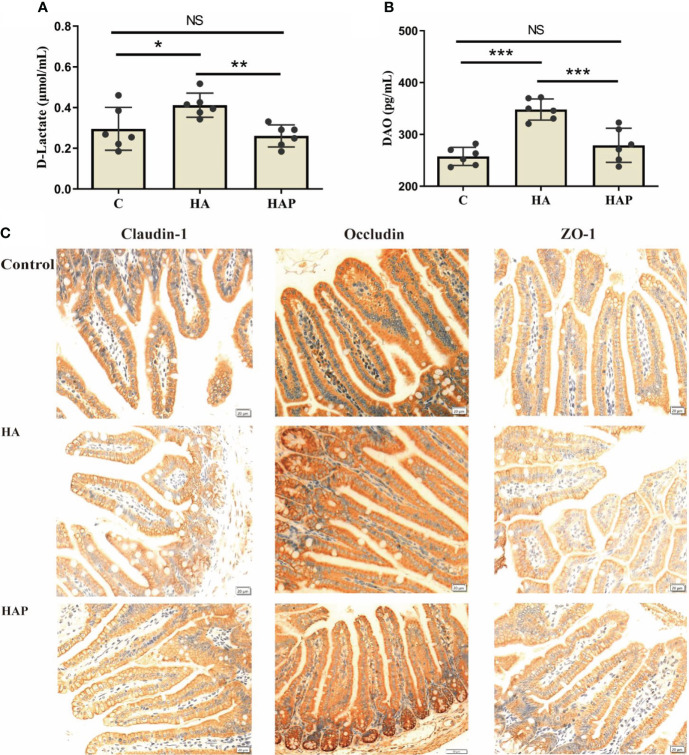
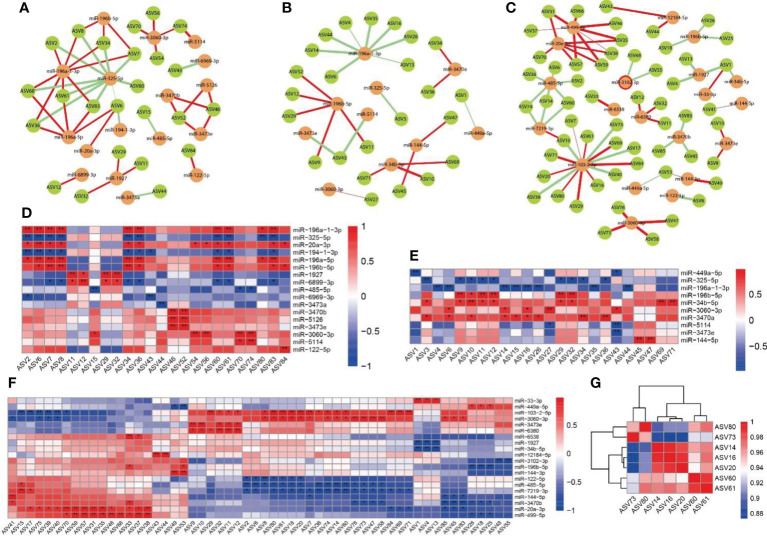
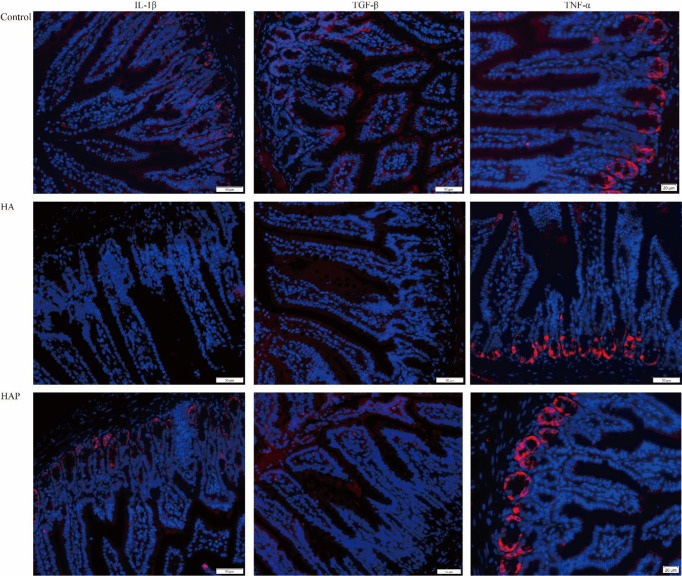
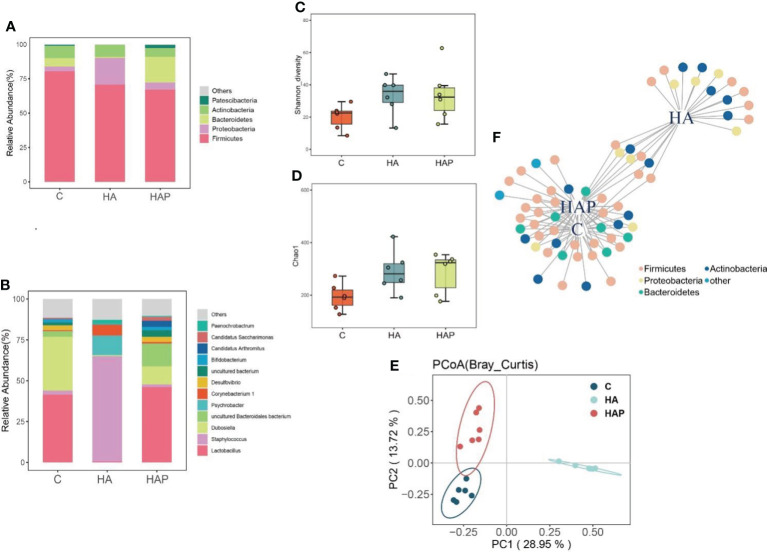
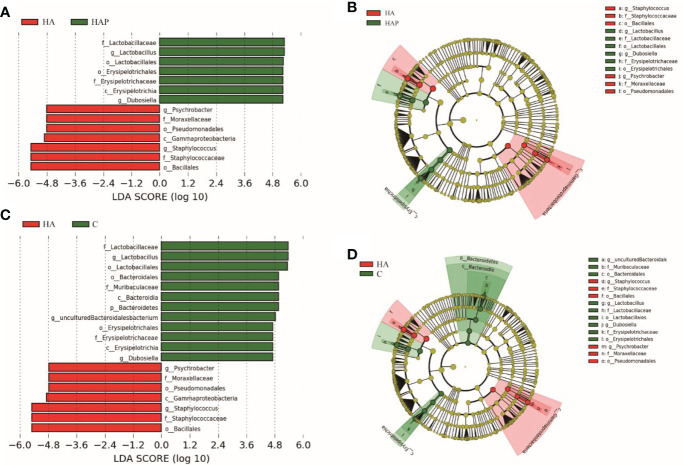
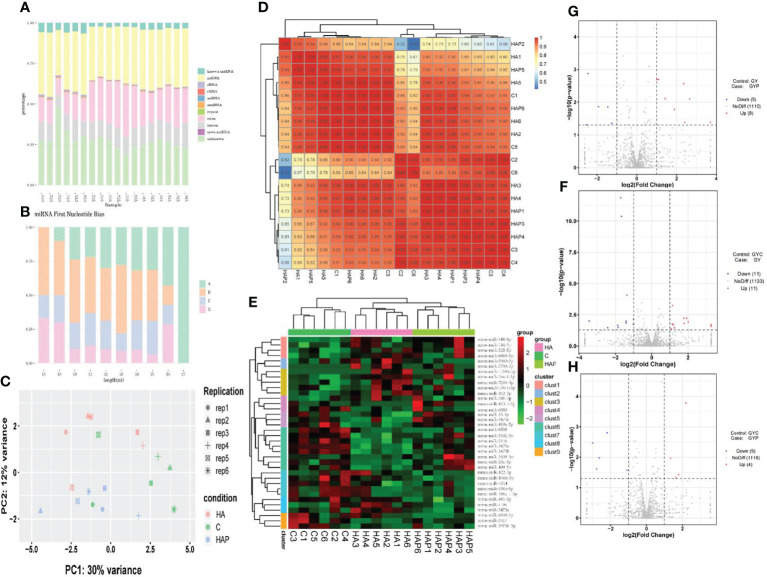
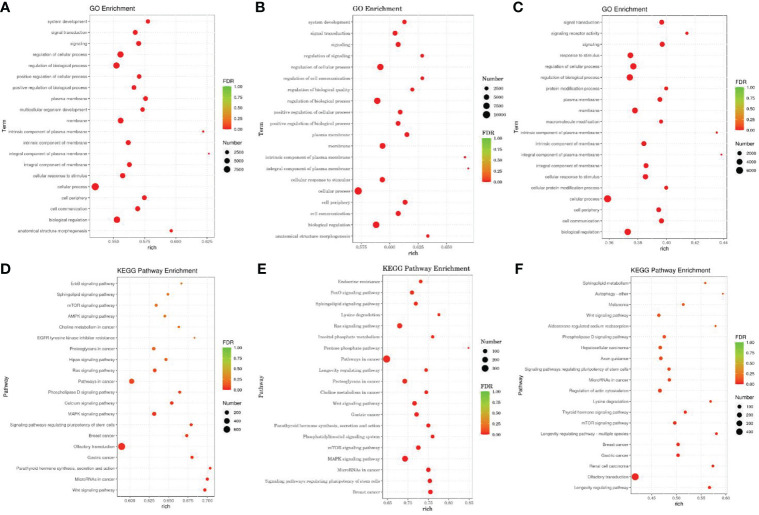
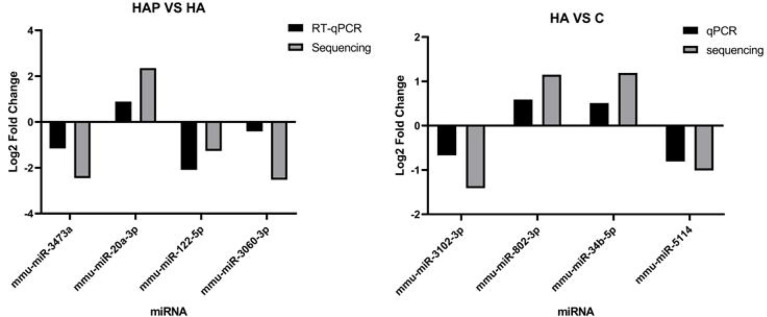
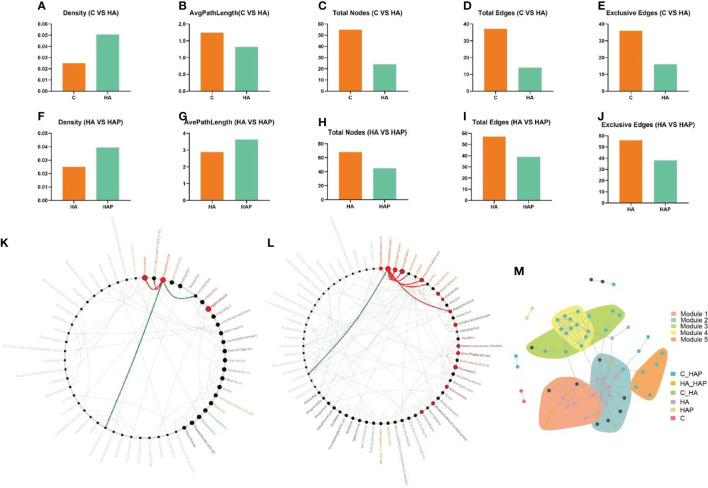
C57BL/6 mice were randomly divided into three groups, a high-altitude group (HA), control group (C), and high-altitude probiotic group (HAP). The HA and HAP groups were subjected to hypoxia modeling for 14 days in a low-pressure oxygen chamber with daily gavage of 0.2 mL of normal saline (HA) and YH1136 bacterial fluid (HAP), while the control group was fed normally. YH1136 was isolated from feces of a healthy Tibetan girl in Baingoin county, the Nagqu region of the Tibet Autonomous Region, at an altitude of 5000 meters. Our observations revealed that gavage of YH1136 was effective in improving the damage to the intestinal barrier caused by high-altitude exposure to hypoxic environments and helped to reduce the likelihood of pathogenic bacteria infection through the intestinal barrier. It also positively regulates the intestinal microbiota to the extent of Lactobacillus being the dominant microbiome and reducing the number of pathogenic bacteria. By analyzing the expression profile of ileal microRNAs and correlation analysis with intestinal microbiota, we found that Staphylococcus and Corynebacterium1 cooperated with miR-196a-1-3p and miR-3060-3p, respectively, to play a regulatory role in the process of high-altitude hypoxia-induced intestinal injury.
These findings revealed the beneficial effect of YH1136 in preventing potential endogenous pathogenic bacteria-induced intestinal dysfunction in high-altitude environments. The mechanism may be related to the regulation of intestinal injury from the perspective of the gut microbiota as well as miRNAs.
肠道微生物群在维持各种动物胃肠道微生态平衡中发挥着重要作用。肠道微生物群的紊乱可能导致潜在致病性细菌的过度增殖,成为优势物种,导致肠道免疫紊乱、肠道炎症等肠道疾病。大量研究证实,高原暴露会影响肠道的正常功能和肠道微生物群的组成。然而,仍有必要揭示高原暴露环境中肠道微生物群的变化,并阐明在这种环境中潜在致病性细菌的增殖与肠道损伤之间的关系。此外,还探索了可能对肠道疾病具有预防作用的益生菌。
将 C57BL/6 小鼠随机分为三组,分别为高原组(HA)、对照组(C)和高原益生菌组(HAP)。HA 和 HAP 组在低压氧舱中进行 14 天缺氧建模,每天灌胃 0.2 mL 生理盐水(HA)和 YH1136 菌液(HAP),对照组正常喂养。YH1136 是从西藏自治区那曲地区巴青县海拔 5000 米的一位健康藏族女孩的粪便中分离出来的。我们的观察结果表明,YH1136 的灌胃有效改善了高原缺氧环境暴露引起的肠道屏障损伤,有助于通过肠道屏障减少潜在致病菌的感染机会。它还通过调节肠道微生物群使乳杆菌成为优势菌群并减少致病菌数量,从而对肠道微生物群产生积极的调节作用。通过分析回肠 microRNA 的表达谱及其与肠道微生物群的相关性分析,发现金黄色葡萄球菌和棒状杆菌 1 分别与 miR-196a-1-3p 和 miR-3060-3p 合作,在高原缺氧诱导的肠道损伤过程中发挥调节作用。
这些发现揭示了 YH1136 在预防高原环境中潜在内源性致病菌引起的肠道功能障碍方面的有益作用。其机制可能与肠道微生物群以及 microRNA 从肠道损伤角度的调节有关。