Department of Biological Sciences, Fordham University, 441 E. Fordham Road, Larkin Hall 160, Bronx, NY, 10458, USA.
Department of Psychology, Fordham University, 441 E. Fordham Road, Dealy Hall 226G, Bronx, NY, 10458, USA.
Biol Sex Differ. 2022 Oct 28;13(1):62. doi: 10.1186/s13293-022-00466-8.
Ovarian hormone fluctuations over the rodent estrous cycle and the human menstrual cycle are known to significantly impact brain physiology and disease risk, yet this variable is largely ignored in preclinical neuroscience research, clinical studies, and psychiatric practice.
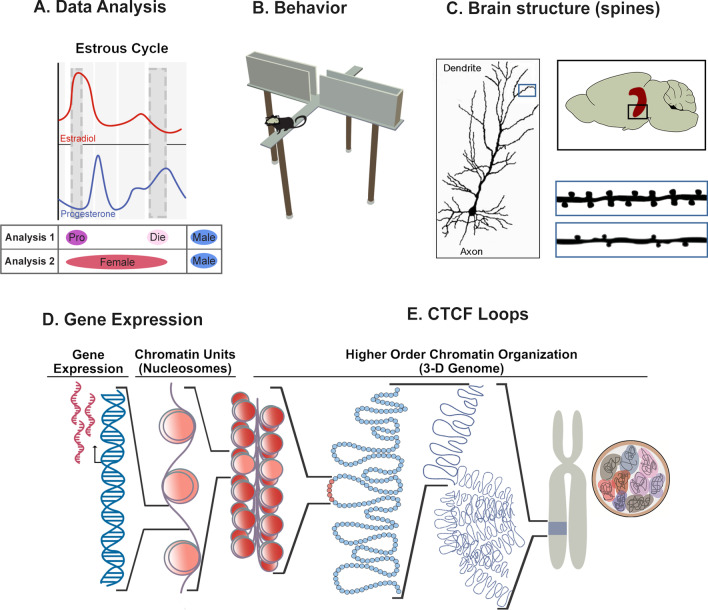
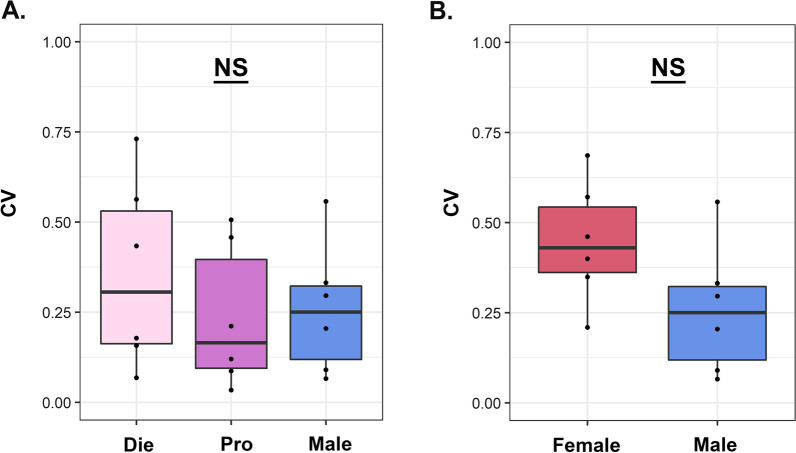
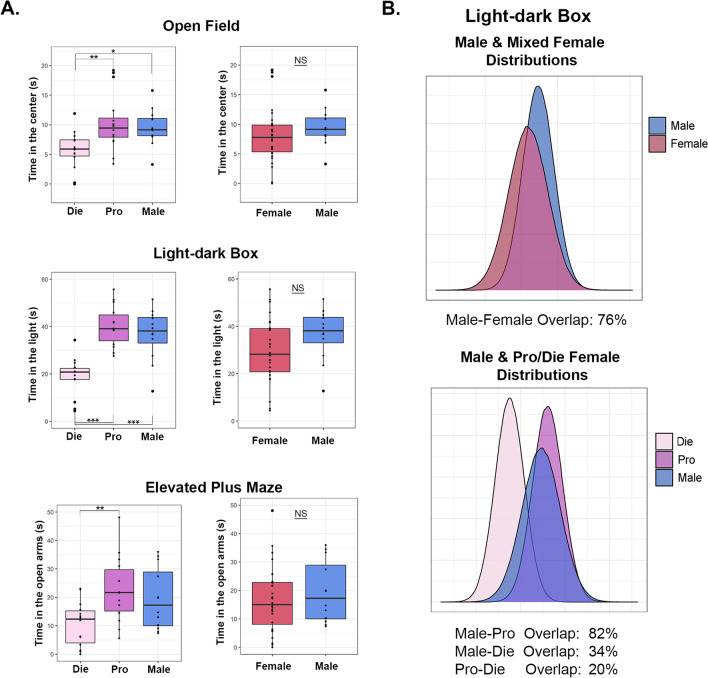
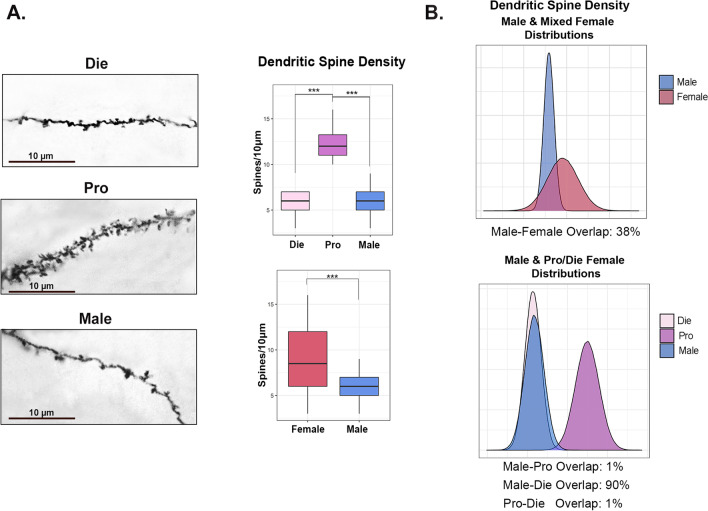
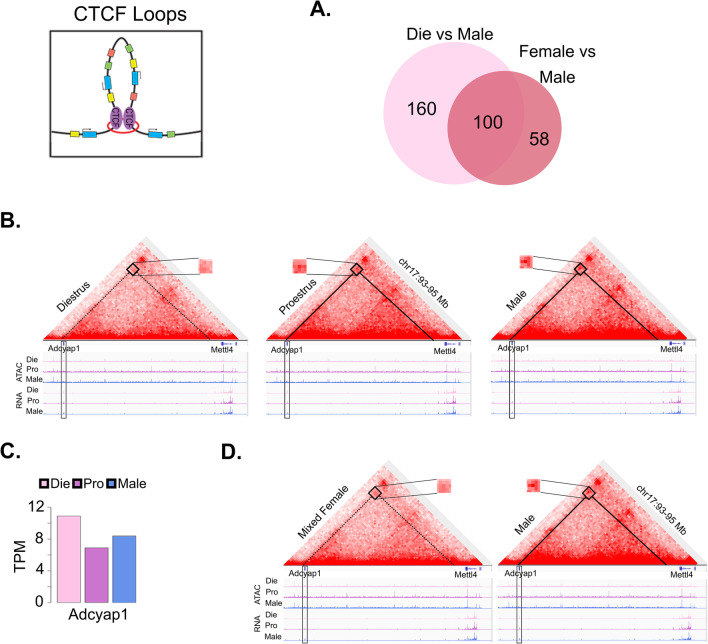
To assess the importance of the estrous cycle information for the analysis of sex differences in neuroscience research, we re-analyzed our previously published data with or without the estrous cycle information, giving a side-by-side comparison of the analyses of behavior, brain structure, gene expression, and 3D genome organization in female and male mice. We also examined and compared the variance of female and male groups across all neurobehavioral measures.
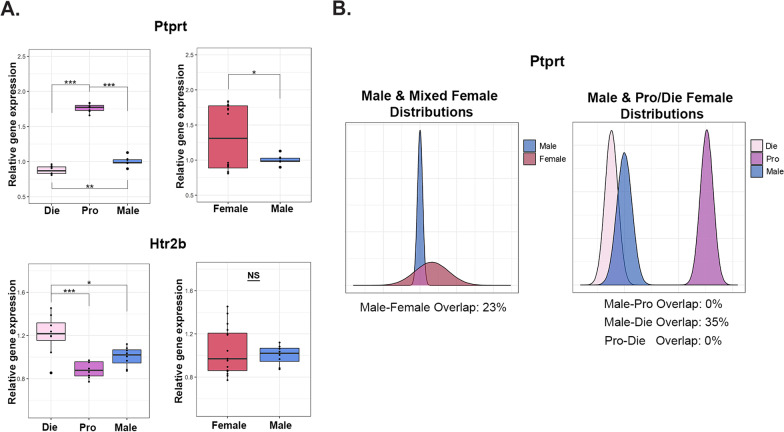
We show that accounting for the estrous cycle significantly increases the resolution of the neuroscience studies and allows for: (a) identification of masked sex differences; (b) mechanistic insight(s) into the identified sex differences, across different neurobehavioral outcomes, from behavior to molecular phenotypes. We confirm previous findings that female data from either mixed- or staged-female groups are, on average, not more variable than that of males. However, we show that female variability is not, at all, predictive of whether the estrous cycle plays an important role in regulating the outcome of interest.
We argue that "bringing back" the estrous cycle variable to the main stage is important in order to enhance the resolution and quality of the data, to advance the health of women and other menstruators, and to make research more gender-inclusive. We strongly encourage the neuroscience community to incorporate the estrous cycle information in their study design and data analysis, whenever possible, and we debunk some myths that tend to de-emphasize the importance and discourage the inclusion of this critically important biological variable. Highlights Ovarian hormone fluctuation impacts brain physiology and is a major psychiatric risk factor, yet this variable has been overlooked in neuroscience research and psychiatric practice. From rodent behavior to gene regulation, accounting for the estrous cycle increases the resolution of the neuroscience data, allowing identification and mechanistic insight(s) into sex differences. Female variability does not equal (and is not predictive of) the estrous cycle effect and should not be used as a proxy for the effects of ovarian hormones on the outcome of interest. Neuroscience researchers are advised to incorporate the estrous cycle information in their studies to foster more equitable, female- and gender-inclusive research. Studies of the ovarian cycle are especially important for improving women's mental health.
啮齿动物动情周期和人类月经周期中的卵巢激素波动,已知会对大脑生理学和疾病风险产生重大影响,但这一变量在临床前神经科学研究、临床研究和精神科实践中基本上被忽视。
为了评估动情周期信息对神经科学研究中性别差异分析的重要性,我们重新分析了之前发表的数据,有无动情周期信息,并对雌性和雄性小鼠的行为、大脑结构、基因表达和 3D 基因组组织的分析进行了并排比较。我们还检查并比较了所有神经行为测量中雌性和雄性组的方差。
我们表明,考虑到动情周期会显著提高神经科学研究的分辨率,并允许:(a)识别被掩盖的性别差异;(b)通过不同的神经行为结果,从行为到分子表型,对已识别的性别差异进行机制分析。我们证实了之前的发现,即混合或分期雌性组的雌性数据平均而言并不比雄性数据更具变异性。然而,我们表明,雌性的变异性根本不能预测动情周期是否在调节研究结果方面起着重要作用。
我们认为,将“动情周期”变量重新引入主要阶段对于提高数据的分辨率和质量、促进女性和其他经期女性的健康以及使研究更具性别包容性非常重要。我们强烈鼓励神经科学界在可能的情况下将动情周期信息纳入其研究设计和数据分析中,并揭穿一些往往淡化这一重要生物学变量的重要性和阻碍其纳入的神话。
卵巢激素波动会影响大脑生理学,是主要的精神科风险因素,但这一变量在神经科学研究和精神科实践中被忽视。从啮齿动物行为到基因调控,考虑到动情周期可以提高神经科学数据的分辨率,从而识别和了解性别差异的机制。女性的变异性并不等同于(也不能预测)动情周期的影响,不应将其作为卵巢激素对研究结果影响的替代指标。建议神经科学研究人员在研究中纳入动情周期信息,以促进更公平、更具女性和性别包容性的研究。对卵巢周期的研究对于改善女性心理健康尤为重要。