Nandi Sayantan, Chennappan Saravanakkumar, Andrasch Yannik, Fidan Miray, Engler Melanie, Ahmad Mubashir, Tuckermann Jan P, Zenker Martin, Cirstea Ion Cristian
Institute of Comparative Molecular Endocrinology, Ulm University, Ulm, Germany.
Masonic Medical Research Institute, Utica, NY, United States.
Front Cell Dev Biol. 2022 Oct 18;10:1000575. doi: 10.3389/fcell.2022.1000575. eCollection 2022.
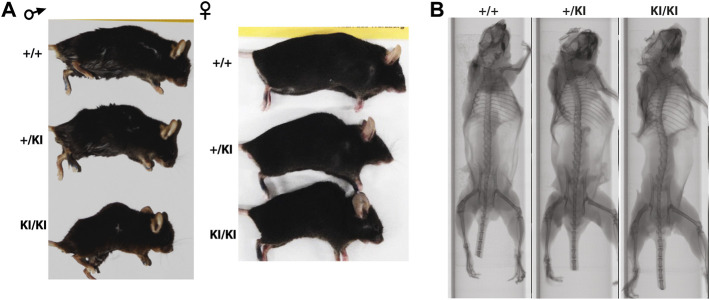
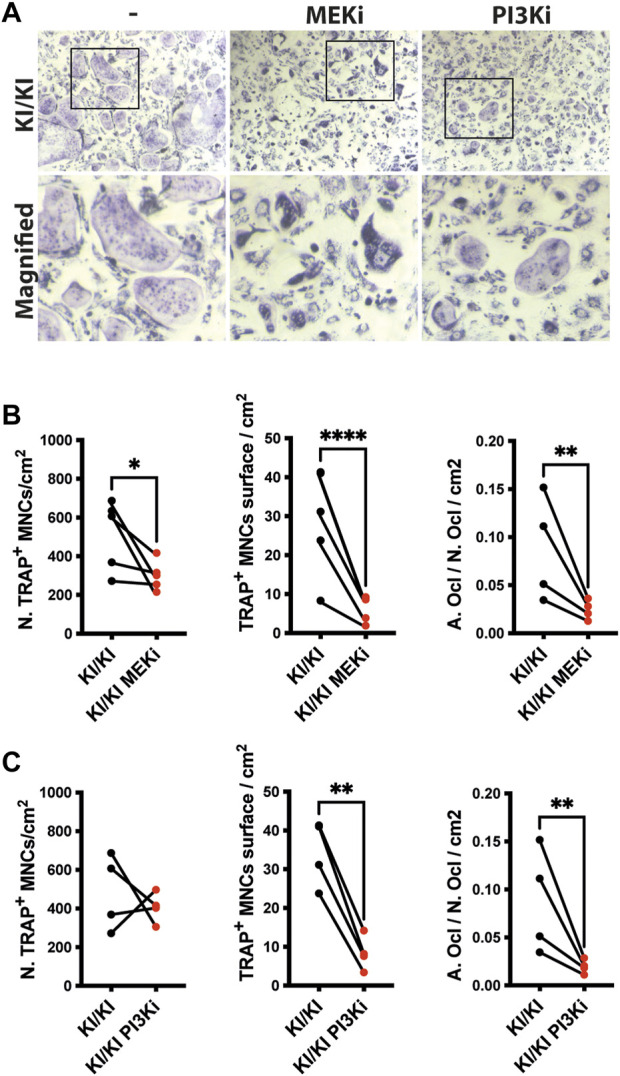
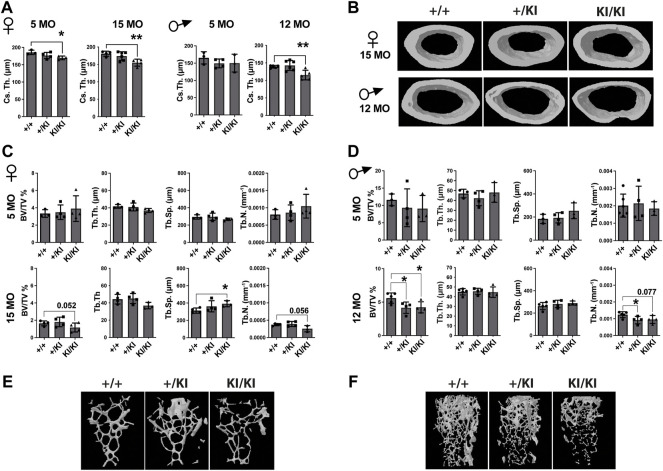
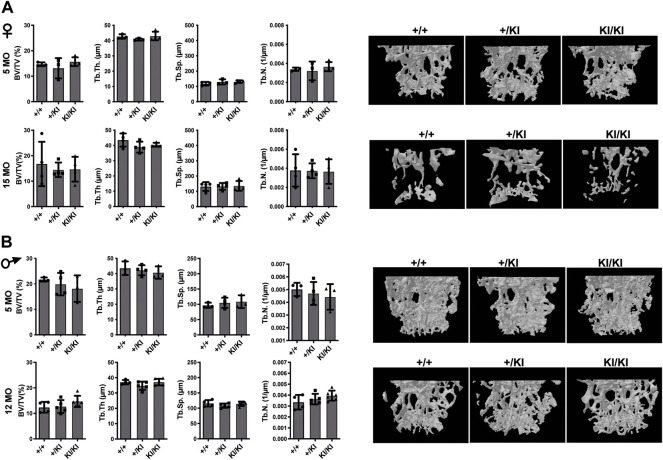
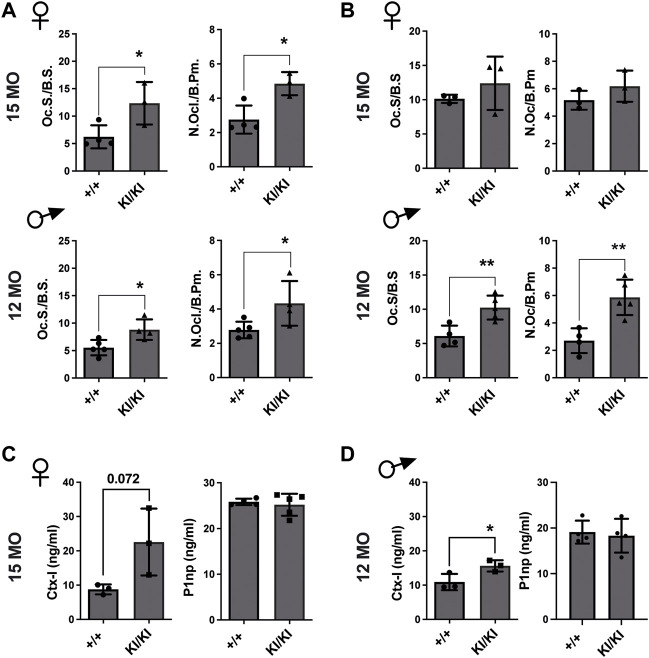
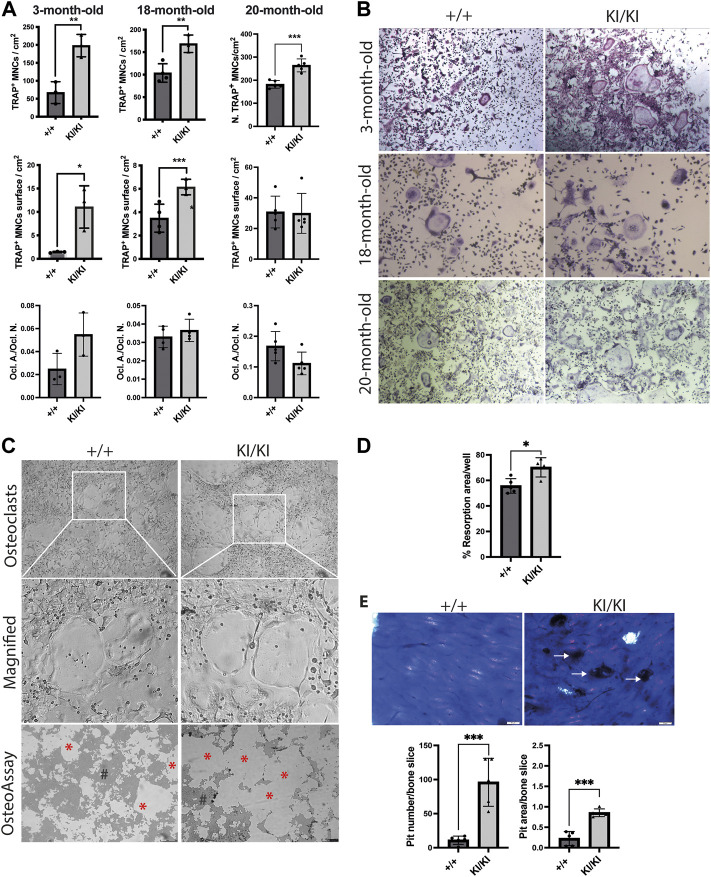
RAS GTPases are ubiquitous GDP/GTP-binding proteins that function as molecular switches in cellular signalling and control numerous signalling pathways and biological processes. Pathogenic mutations in genes severely affect cellular homeostasis, leading to cancer when occurring in somatic cells and developmental disorders when the germline is affected. These disorders are generally termed as RASopathies and among them Costello syndrome (CS) is a distinctive entity that is caused by specific germline mutations. The majority of these mutations affect residues 12 and 13, the same sites as somatic oncogenic mutations. The hallmarks of the disease include congenital cardiac anomalies, impaired thriving and growth, neurocognitive impairments, distinctive craniofacial anomalies, and susceptibility to cancer. Adult patients often present signs of premature aging including reduced bone mineral density and osteoporosis. Using a CS mouse model harbouring a germline mutation, we aimed at determining whether this model recapitulates the patients' bone phenotype and which bone cells are driving the phenotype when mutated. Our data revealed that mutation induces bone loss in mice at certain ages. In addition, we identified that bone loss correlated with an increased number of osteoclasts and mutations increased osteoclastogenesis . Last, but not least, mutant osteoclast differentiation was reduced by treatment with MEK and PI3K inhibitors, respectively. These results indicate that Hras is a novel regulator of bone homeostasis and an increased osteoclastogenesis due to mutation contributes to bone loss in the Costello syndrome.
RAS GTP酶是普遍存在的GDP/GTP结合蛋白,作为细胞信号传导中的分子开关,控制众多信号通路和生物学过程。相关基因的致病性突变会严重影响细胞内稳态,发生在体细胞时会导致癌症,影响生殖系时会导致发育障碍。这些疾病通常被称为RAS病,其中科斯特洛综合征(CS)是由特定生殖系突变引起的一种独特病症。这些突变大多影响第12和13位残基,与体细胞致癌突变位点相同。该疾病的特征包括先天性心脏异常、生长发育迟缓、神经认知障碍、独特的颅面异常以及易患癌症。成年患者常出现早衰迹象,包括骨密度降低和骨质疏松。利用携带生殖系突变的CS小鼠模型,我们旨在确定该模型是否重现患者的骨骼表型,以及突变时哪些骨细胞驱动了该表型。我们的数据显示,特定年龄的小鼠中,该突变会导致骨质流失。此外,我们发现骨质流失与破骨细胞数量增加相关,且该突变会增加破骨细胞生成。最后,用MEK和PI3K抑制剂分别处理可减少突变破骨细胞的分化。这些结果表明,Hras是骨稳态的新型调节因子,科斯特洛综合征中因该突变导致的破骨细胞生成增加会造成骨质流失。