ZIEL - Institute for Food & Health, Technical University of Munich, Gregor-Mendel Str. 2, 85354 Freising, Germany; Chair of Nutrition and Immunology, Technical University of Munich, Gregor-Mendel-Str. 2, 85354 Freising, Germany.
Institute of Neurobiology, Center of Brain, Behavior & Metabolism, University of Lübeck, Marie Curie Street, 23562, Lübeck, Germany.
Mol Metab. 2022 Dec;66:101628. doi: 10.1016/j.molmet.2022.101628. Epub 2022 Nov 2.
Internal clocks time behavior and physiology, including the gut microbiome, in a circadian (∼24 h) manner. Mismatch between internal and external time, e.g. during shift work, disrupts circadian system coordination promoting the development of obesity and type 2 diabetes (T2D). Conversely, body weight changes induce microbiota dysbiosis. The relationship between circadian disruption and microbiota dysbiosis in metabolic diseases, however, remains largely unknown.
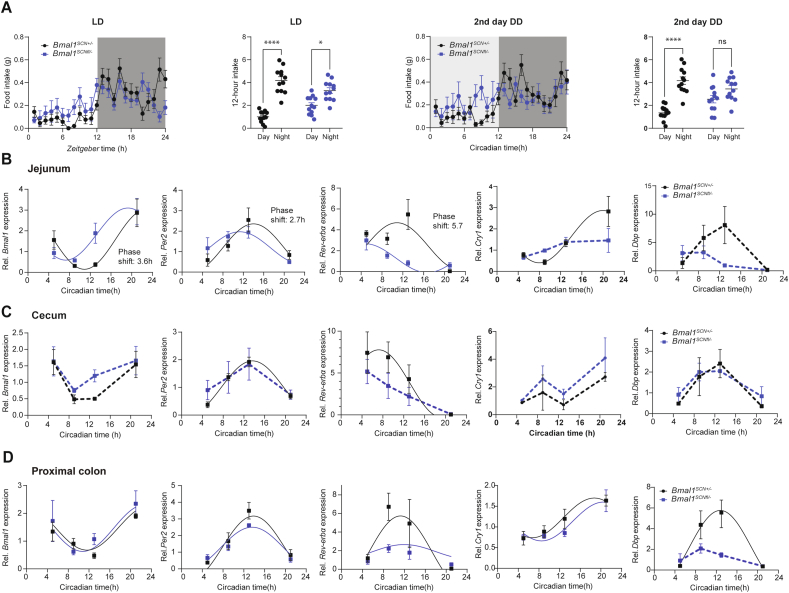
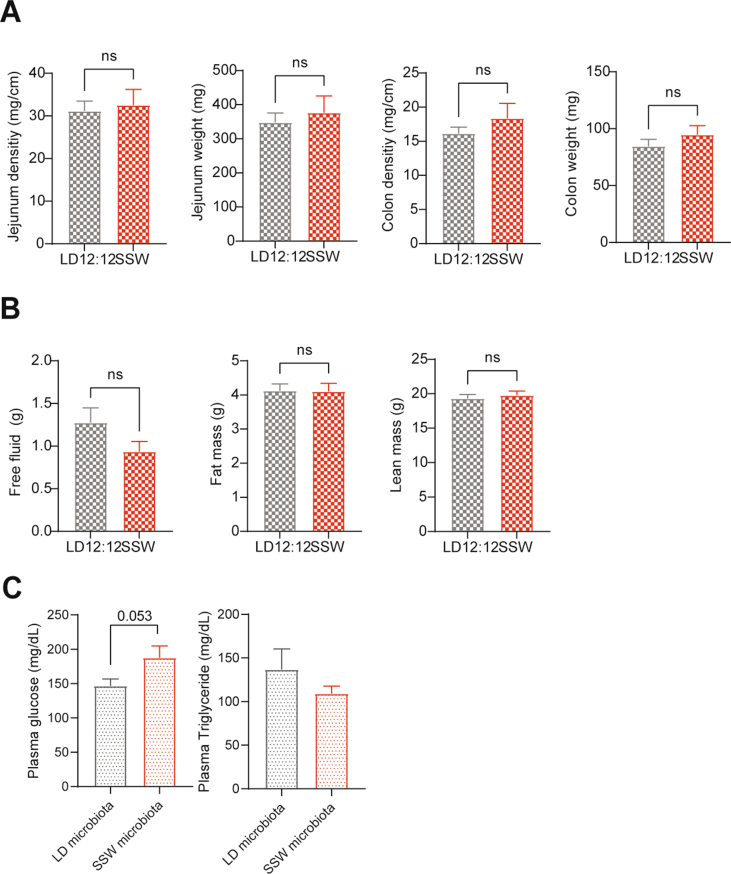
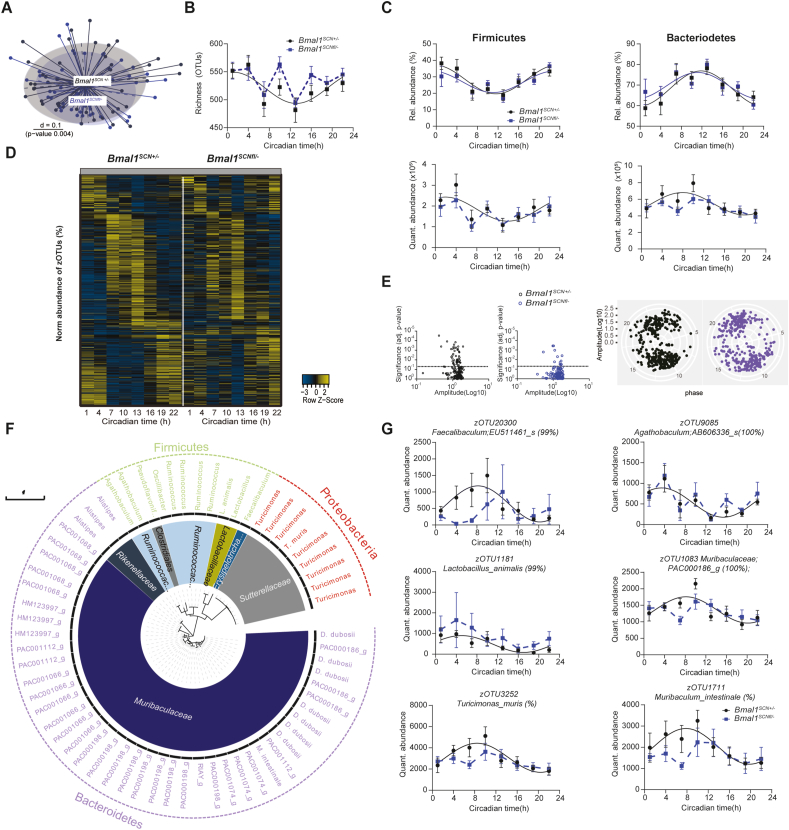
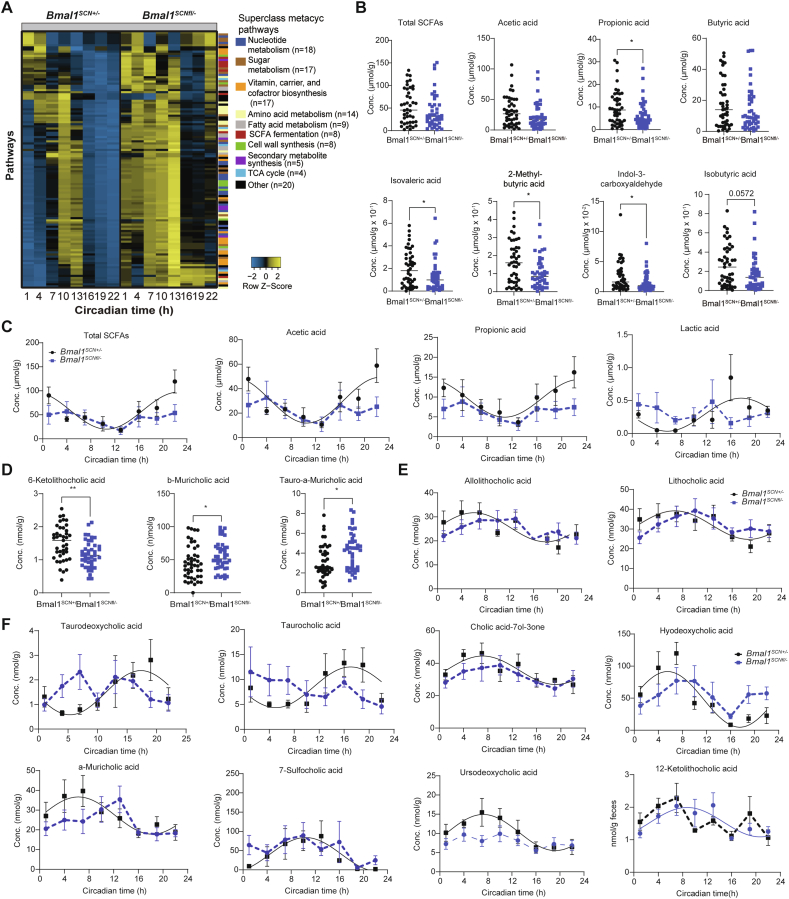
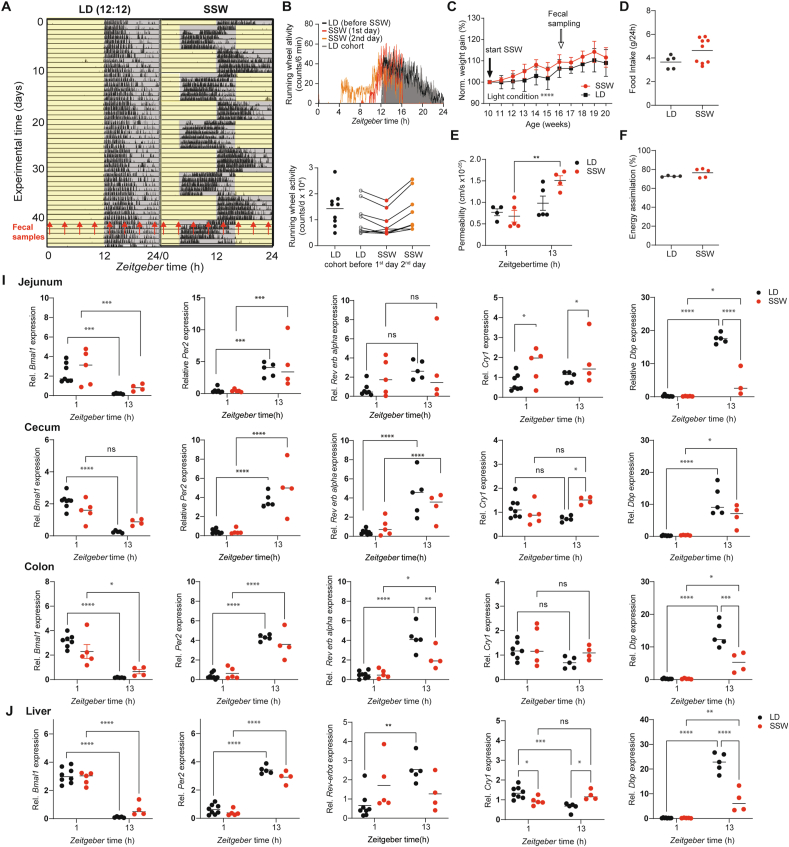
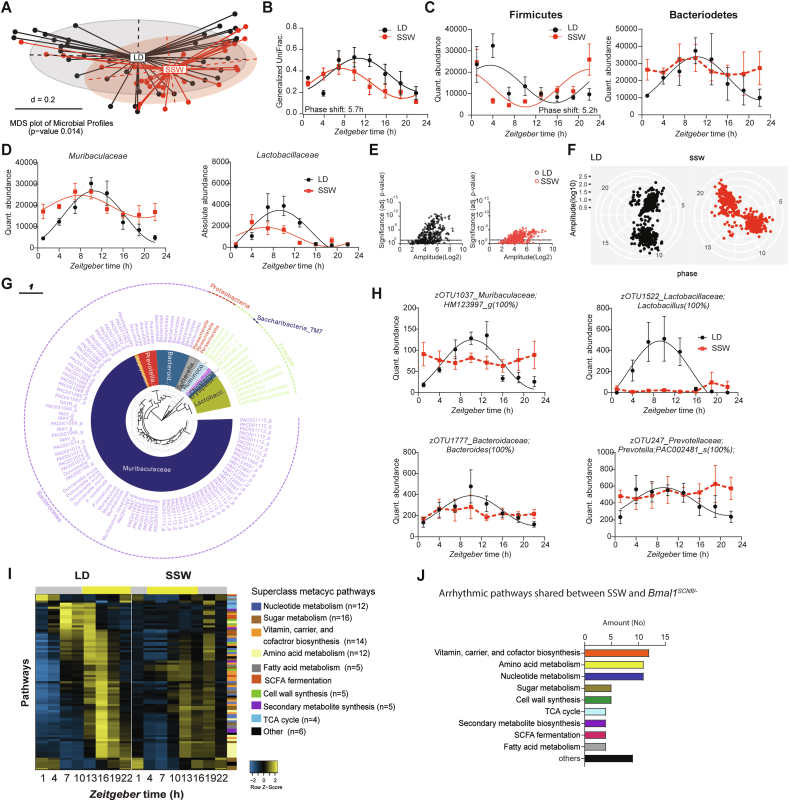
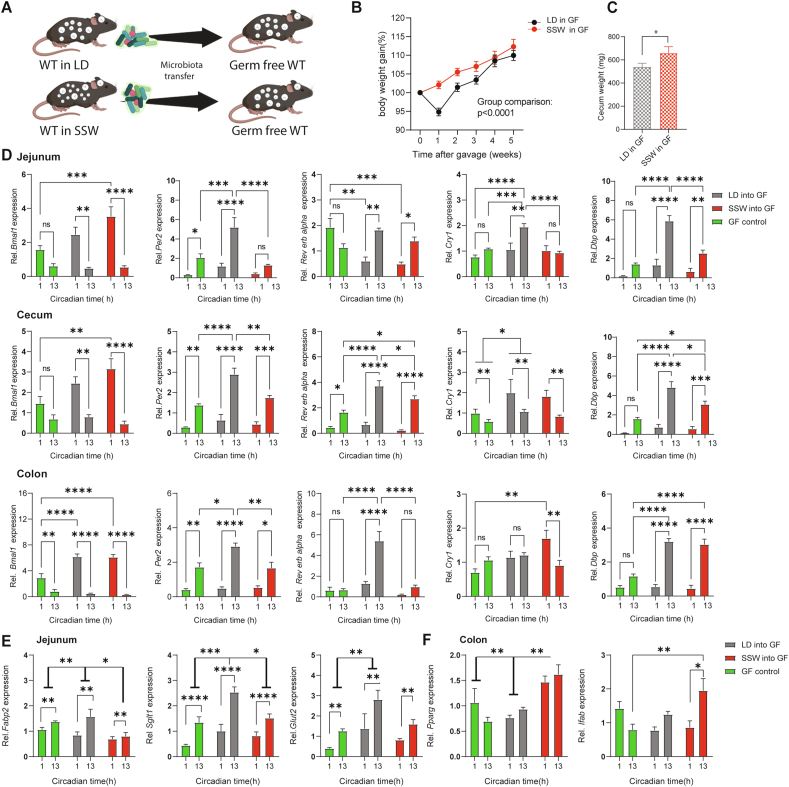
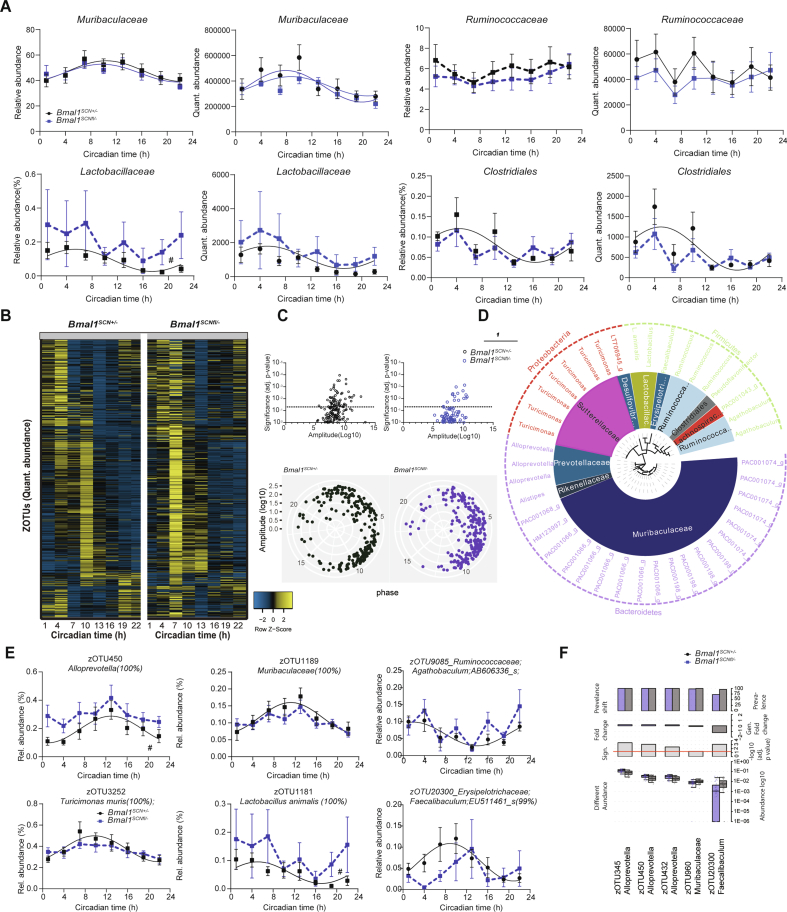
Core and accessory clock gene expression in different gastrointestinal (GI) tissues were determined by qPCR in two different models of circadian disruption - mice with Bmal1 deficiency in the circadian pacemaker, the suprachiasmatic nucleus (Bmal1), and wild-type mice exposed to simulated shift work (SSW). Body composition and energy balance were evaluated by nuclear magnetic resonance (NMR), bomb calorimetry, food intake and running-wheel activity. Intestinal permeability was measured in an Ussing chamber. Microbiota composition and functionality were evaluated by 16S rRNA gene amplicon sequencing, PICRUST2.0 analysis and targeted metabolomics. Finally, microbiota transfer was conducted to evaluate the functional impact of SSW-associated microbiota on the host's physiology.
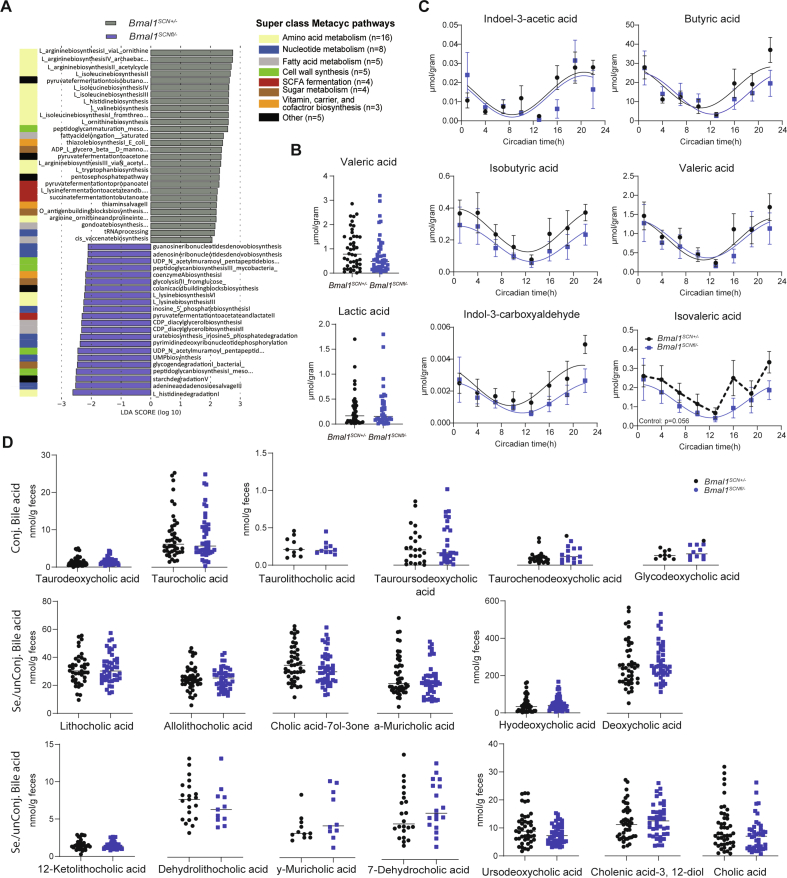
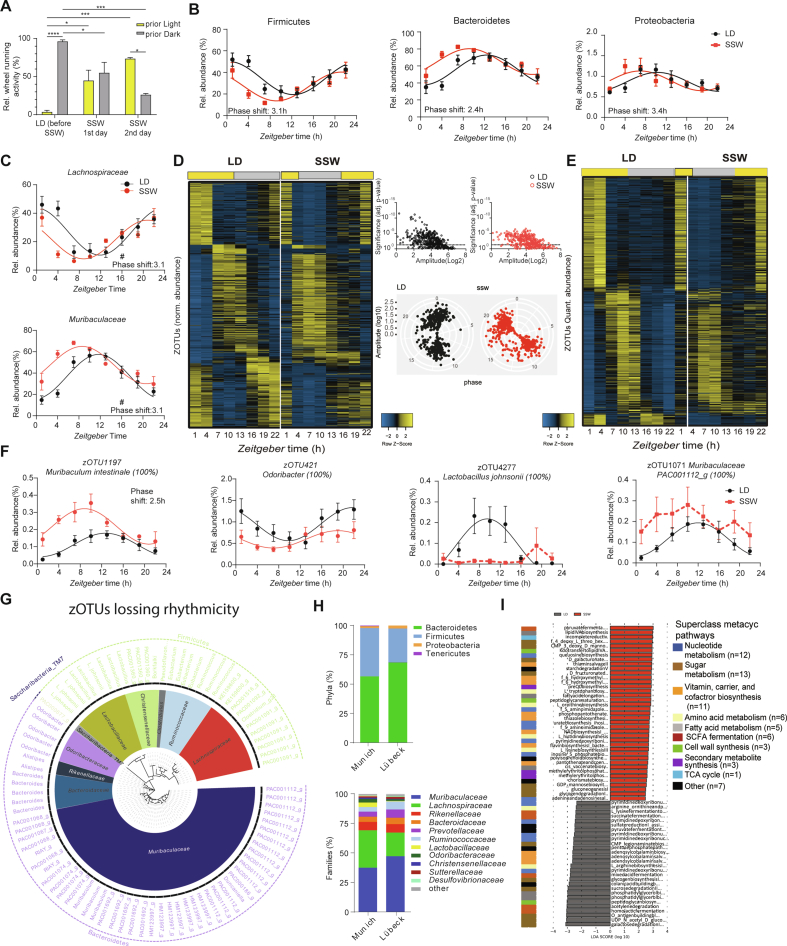
Both chronodisruption models show desynchronization within and between peripheral clocks in GI tissues and reduced microbial rhythmicity, in particular in taxa involved in short-chain fatty acid (SCFA) fermentation and lipid metabolism. In Bmal1SCNfl/- mice, loss of rhythmicity in microbial functioning associates with previously shown increased body weight, dysfunctional glucose homeostasis and adiposity. Similarly, we observe an increase in body weight in SSW mice. Germ-free colonization experiments with SSW-associated microbiota mechanistically link body weight gain to microbial changes. Moreover, alterations in expression of peripheral clock genes as well as clock-controlled genes (CCGs) relevant for metabolic functioning of the host were observed in recipients, indicating a bidirectional relationship between microbiota rhythmicity and peripheral clock regulation.
Collectively, our data suggest that loss of rhythmicity in bacteria taxa and their products, which likely originates in desynchronization of intestinal clocks, promotes metabolic abnormalities during shift work.
内部时钟的行为和生理学,包括肠道微生物组,以 24 小时的周期进行。内部和外部时间不匹配,例如在轮班工作期间,会破坏昼夜节律系统的协调,促进肥胖和 2 型糖尿病(T2D)的发展。相反,体重变化会导致微生物群落失调。然而,昼夜节律紊乱与代谢疾病中的微生物群落失调之间的关系在很大程度上仍然未知。
通过 qPCR 确定两种不同的昼夜节律中断模型——生物钟核心基因 Bmal1 在昼夜节律起搏器视交叉上核(Bmal1)中缺失的小鼠和暴露于模拟轮班工作(SSW)的野生型小鼠中不同胃肠道(GI)组织中的核心和辅助时钟基因表达。通过核磁共振(NMR)、弹式量热法、食物摄入和跑步轮活动评估体成分和能量平衡。通过 Ussing 室测量肠道通透性。通过 16S rRNA 基因扩增子测序、PICRUST2.0 分析和靶向代谢组学评估微生物群落组成和功能。最后,进行微生物转移实验以评估 SSW 相关微生物对宿主生理学的功能影响。
两种节律中断模型均显示 GI 组织中内部和外部时钟的不同步以及微生物节律性降低,特别是在参与短链脂肪酸(SCFA)发酵和脂质代谢的分类群中。在 Bmal1SCNfl/- 小鼠中,微生物功能的节律性丧失与先前观察到的体重增加、葡萄糖稳态功能障碍和肥胖有关。同样,我们也观察到 SSW 小鼠体重增加。用 SSW 相关微生物进行无菌定植实验,从机制上将体重增加与微生物变化联系起来。此外,在接受者中观察到外周时钟基因以及与宿主代谢功能相关的时钟控制基因(CCGs)的表达改变,表明微生物节律性和外周时钟调节之间存在双向关系。
总的来说,我们的数据表明,细菌分类群及其产物的节律性丧失,可能源于肠道时钟的失同步,促进了轮班工作期间的代谢异常。