Koel Mariann, Krjutškov Kaarel, Saare Merli, Samuel Külli, Lubenets Dmitri, Katayama Shintaro, Einarsdottir Elisabet, Vargas Eva, Sola-Leyva Alberto, Lalitkumar Parameswaran Grace, Gemzell-Danielsson Kristina, Blesa David, Simon Carlos, Lanner Fredrik, Kere Juha, Salumets Andres, Altmäe Signe
Competence Centre on Health Technologies, Tartu, Estonia.
Department of Cell Biology, Institute of Molecular and Cell Biology, University of Tartu, Tartu, Estonia.
Hum Reprod Open. 2022 Oct 13;2022(4):hoac043. doi: 10.1093/hropen/hoac043. eCollection 2022.
Which genes regulate receptivity in the epithelial and stromal cellular compartments of the human endometrium, and which molecules are interacting in the implantation process between the blastocyst and the endometrial cells?
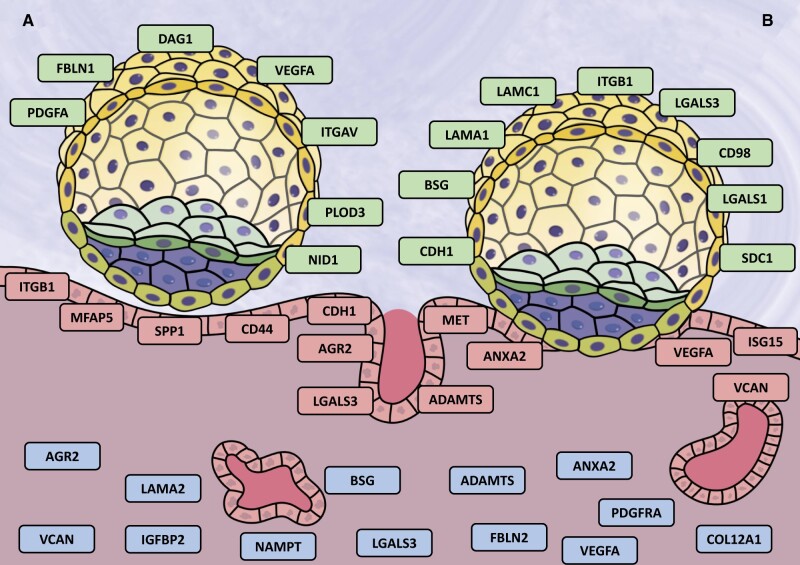
A set of receptivity-specific genes in the endometrial epithelial and stromal cells was identified, and the role of galectins (LGALS1 and LGALS3), integrin β1 (ITGB1), basigin (BSG) and osteopontin (SPP1) in embryo-endometrium dialogue among many other protein-protein interactions were highlighted.
The molecular dialogue taking place between the human embryo and the endometrium is poorly understood due to ethical and technical reasons, leaving human embryo implantation mostly uncharted.
Paired pre-receptive and receptive phase endometrial tissue samples from 16 healthy women were used for RNA sequencing. Trophectoderm RNA sequences were from blastocysts.
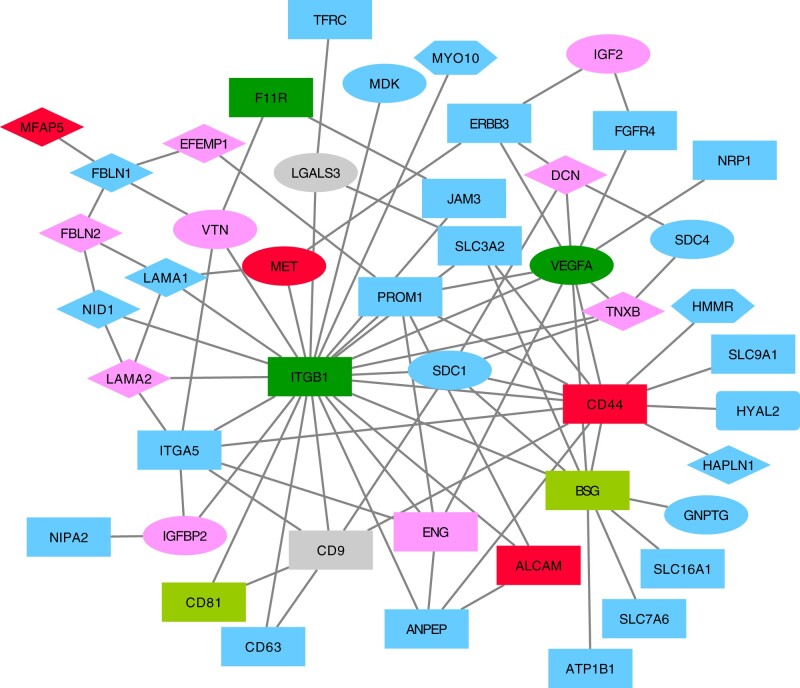
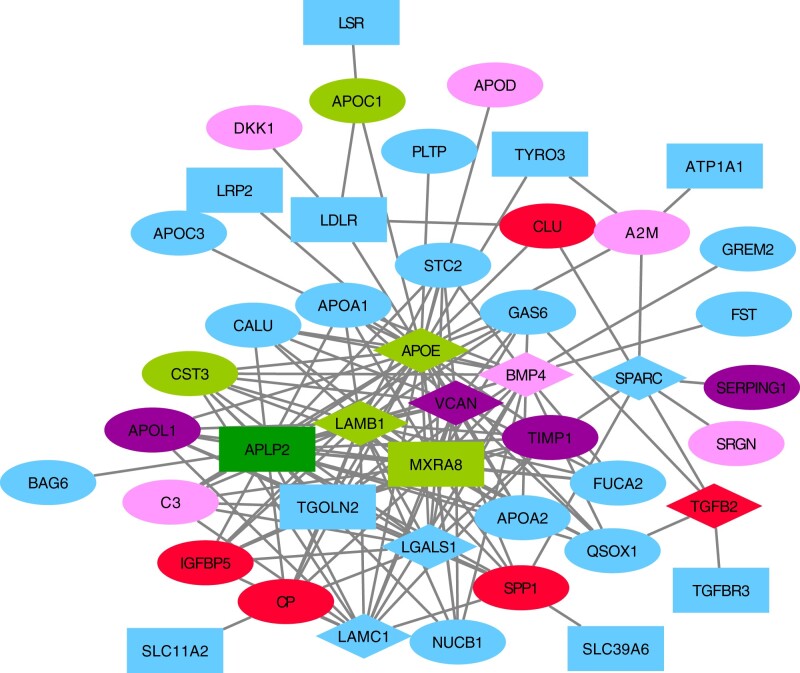
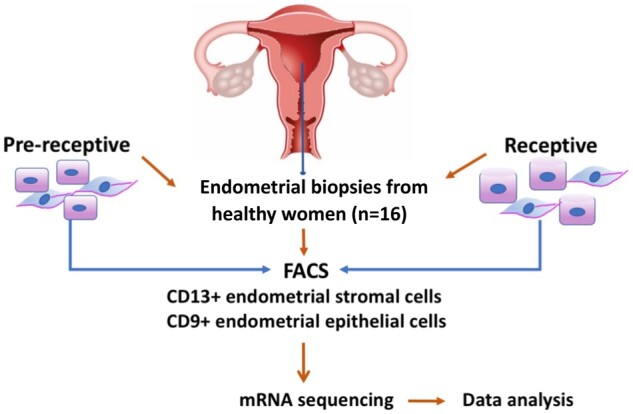
PARTICIPANTS/MATERIALS SETTING METHODS: Cell-type-specific RNA-seq analysis of freshly isolated endometrial epithelial and stromal cells using fluorescence-activated cell sorting (FACS) from 16 paired pre-receptive and receptive tissue samples was performed. Endometrial transcriptome data were further combined with trophectodermal gene expression data from 466 single cells originating from 17 blastocysts to characterize the first steps of embryo implantation. We constructed a protein-protein interaction network between endometrial epithelial and embryonal trophectodermal cells, and between endometrial stromal and trophectodermal cells, thereby focusing on the very first phases of embryo implantation, and highlighting the molecules likely to be involved in the embryo apposition, attachment and invasion.
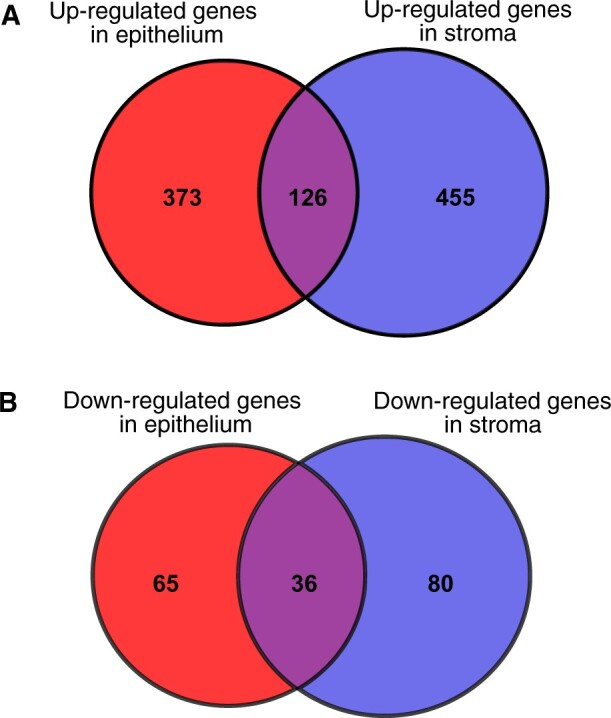
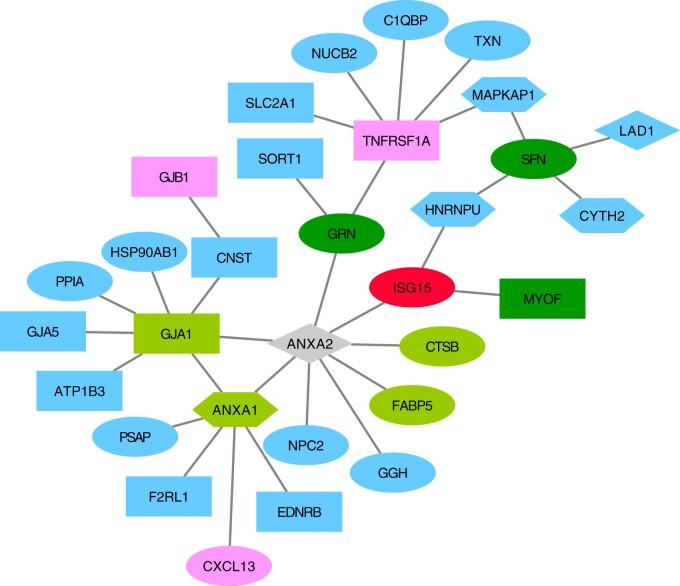
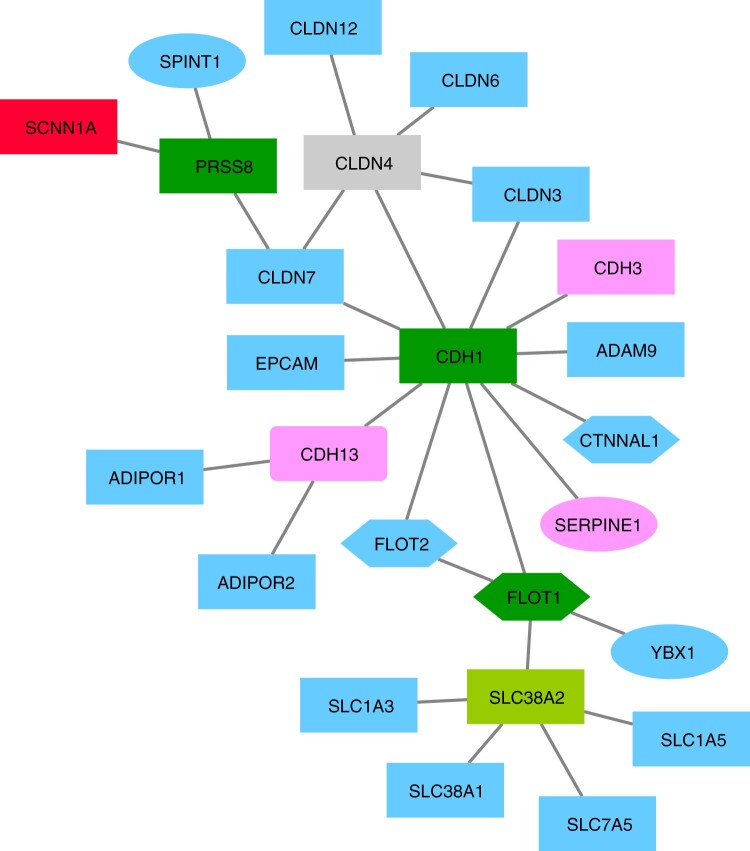
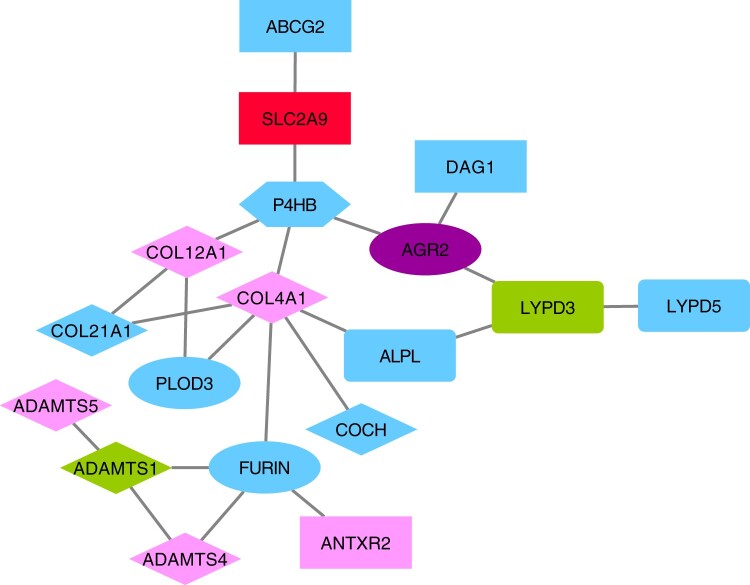
In total, 499 epithelial and 581 stromal genes were up-regulated in the receptive phase endometria when compared to pre-receptive samples. The constructed protein-protein interactions identified a complex network of 558 prioritized protein-protein interactions between trophectodermal, epithelial and stromal cells, which were grouped into clusters based on the function of the involved molecules. The role of galectins (LGALS1 and LGALS3), integrin β1 (ITGB1), basigin (BSG and osteopontin (SPP1) in the embryo implantation process were highlighted.
RNA-seq data are available at www.ncbi.nlm.nih.gov/geo under accession number GSE97929.
Providing a static snap-shot of a dynamic process and the nature of prediction analysis is limited to the known interactions available in databases. Furthermore, the cell sorting technique used separated enriched epithelial cells and stromal cells but did not separate luminal from glandular epithelium. Also, the use of biopsies taken from non-pregnant women and using spare IVF embryos (due to ethical considerations) might miss some of the critical interactions characteristic of natural conception only.
The findings of our study provide new insights into the molecular embryo-endometrium interplay in the first steps of implantation process in humans. Knowledge about the endometrial cell-type-specific molecules that coordinate successful implantation is vital for understanding human reproduction and the underlying causes of implantation failure and infertility. Our study results provide a useful resource for future reproductive research, allowing the exploration of unknown mechanisms of implantation. We envision that those studies will help to improve the understanding of the complex embryo implantation process, and hopefully generate new prognostic and diagnostic biomarkers and therapeutic approaches to target both infertility and fertility, in the form of new contraceptives.
STUDY FUNDING/COMPETING INTERESTS: This research was funded by the Estonian Research Council (grant PRG1076); Horizon 2020 innovation grant (ERIN, grant no. EU952516); Enterprise Estonia (grant EU48695); the EU-FP7 Marie Curie Industry-Academia Partnerships and Pathways (IAPP, grant SARM, EU324509); Spanish Ministry of Economy, Industry and Competitiveness (MINECO) and European Regional Development Fund (FEDER) (grants RYC-2016-21199, ENDORE SAF2017-87526-R, and Endo-Map PID2021-127280OB-100); Programa Operativo FEDER Andalucía (B-CTS-500-UGR18; A-CTS-614-UGR20), Junta de Andalucía (PAIDI P20_00158); Margarita Salas program for the Requalification of the Spanish University system (UJAR01MS); the Knut and Alice Wallenberg Foundation (KAW 2015.0096); Swedish Research Council (2012-2844); and Sigrid Jusélius Foundation; Academy of Finland. A.S.-L. is funded by the Spanish Ministry of Science, Innovation and Universities (PRE2018-085440). K.G.-D. has received consulting fees and/or honoraria from RemovAid AS, Norway Bayer, MSD, Gedeon Richter, Mithra, Exeltis, MedinCell, Natural cycles, Exelgyn, Vifor, Organon, Campus Pharma and HRA-Pharma and NIH support to the institution; D.B. is an employee of IGENOMIX. The rest of the authors declare no conflict of interest.
哪些基因调节人类子宫内膜上皮和基质细胞区室的容受性,以及在囊胚与子宫内膜细胞之间的着床过程中哪些分子相互作用?
鉴定出一组子宫内膜上皮和基质细胞中与容受性相关的基因,并强调了半乳糖凝集素(LGALS1和LGALS3)、整合素β1(ITGB1)、基底膜蛋白(BSG)和骨桥蛋白(SPP1)在胚胎与子宫内膜对话中的作用,以及许多其他蛋白质-蛋白质相互作用。
由于伦理和技术原因,人类胚胎与子宫内膜之间发生的分子对话目前了解甚少,导致人类胚胎着床大多仍未被探索。
使用来自16名健康女性的配对的非容受期和容受期子宫内膜组织样本进行RNA测序。滋养外胚层RNA序列来自囊胚。
参与者/材料设置方法:使用荧光激活细胞分选(FACS)对来自16对非容受期和容受期组织样本的新鲜分离的子宫内膜上皮和基质细胞进行细胞类型特异性RNA测序分析。子宫内膜转录组数据进一步与来自17个囊胚的466个单细胞的滋养外胚层基因表达数据相结合,以表征胚胎着床的第一步。我们构建了子宫内膜上皮与胚胎滋养外胚层细胞之间以及子宫内膜基质与滋养外胚层细胞之间的蛋白质-蛋白质相互作用网络,从而聚焦于胚胎着床的最初阶段,并突出显示可能参与胚胎附着、黏附和侵入的分子。
与非容受期样本相比,容受期子宫内膜中总共499个上皮基因和581个基质基因上调。构建的蛋白质-蛋白质相互作用确定了滋养外胚层、上皮和基质细胞之间558个优先的蛋白质-蛋白质相互作用的复杂网络,这些相互作用根据所涉及分子的功能分组为簇。突出显示了半乳糖凝集素(LGALS1和LGALS3)、整合素β1(ITGB1)、基底膜蛋白(BSG)和骨桥蛋白(SPP1)在胚胎着床过程中的作用。
RNA测序数据可在www.ncbi.nlm.nih.gov/geo上获取,登录号为GSE97929。
提供的是一个动态过程的静态快照,预测分析的性质仅限于数据库中可用的已知相互作用。此外,所使用的细胞分选技术分离富集了上皮细胞和基质细胞,但未将腔上皮与腺上皮分开。而且,使用从非孕妇获取的活检样本以及使用备用的体外受精胚胎(出于伦理考虑)可能会遗漏一些仅自然受孕特有的关键相互作用。
我们的研究结果为人类着床过程第一步中分子水平的胚胎-子宫内膜相互作用提供了新见解。了解协调成功着床的子宫内膜细胞类型特异性分子对于理解人类生殖以及着床失败和不孕症的潜在原因至关重要。我们的研究结果为未来的生殖研究提供了有用资源,有助于探索未知的着床机制。我们设想这些研究将有助于增进对复杂胚胎着床过程的理解,并有望产生新的预后和诊断生物标志物以及针对不孕症和生育力的治疗方法,如新型避孕药。
研究资金/利益冲突:本研究由爱沙尼亚研究委员会(PRG1076资助);地平线2020创新资助(ERIN,资助编号EU952516);爱沙尼亚企业局(EU48695资助);欧盟第七框架玛丽·居里产业-学术界伙伴关系和途径(IAPP,SARM资助,EU324509);西班牙经济、工业和竞争力部(MINECO)和欧洲区域发展基金(FEDER)(RYC-2016-21199、ENDORE SAF2017-87526-R和Endo-Map PID2021-127280OB-100资助);安达卢西亚运营计划(B-CTS-500-UGR18;A-CTS-614-UGR20),安达卢西亚自治区(PAIDI P20_00158);玛格丽塔·萨拉斯西班牙大学系统重新资格计划(UJAR01MS);克努特和爱丽丝·瓦伦堡基金会(KAW 2015.0096);瑞典研究委员会(2012-2844);以及西格丽德·朱塞利乌斯基金会;芬兰科学院。A.S.-L.由西班牙科学、创新和大学部资助(PRE2018-085440)。K.G.-D.已从挪威RemovAid AS、拜耳、默克雪兰诺、吉德昂·里奇特、米特拉、Exeltis、MedinCell、Natural cycles、Exelgyn、维福、欧加农、校园制药和HRA-制药获得咨询费和/或酬金,以及美国国立卫生研究院对该机构的支持;D.B.是IGENOMIX的员工。其余作者声明无利益冲突。