Sebastian Sujeesh, Tandberg Felix, Liu Yang, Raina Deepak B, Tägil Magnus, Collin Mattias, Lidgren Lars
Department of Clinical Sciences, Orthopedics, Lund University Faculty of Medicine, Lund, Sweden.
Division of Infection Medicine, Department of Clinical Sciences, Lund University Faculty of Medicine, Lund, Sweden.
Bone Joint Res. 2022 Nov;11(11):787-802. doi: 10.1302/2046-3758.1111.BJR-2022-0101.R1.
There is a lack of biomaterial-based carriers for the local delivery of rifampicin (RIF), one of the cornerstone second defence antibiotics for bone infections. RIF is also known for causing rapid development of antibiotic resistance when given as monotherapy. This in vitro study evaluated a clinically used biphasic calcium sulphate/hydroxyapatite (CaS/HA) biomaterial as a carrier for dual delivery of RIF with vancomycin (VAN) or gentamicin (GEN).
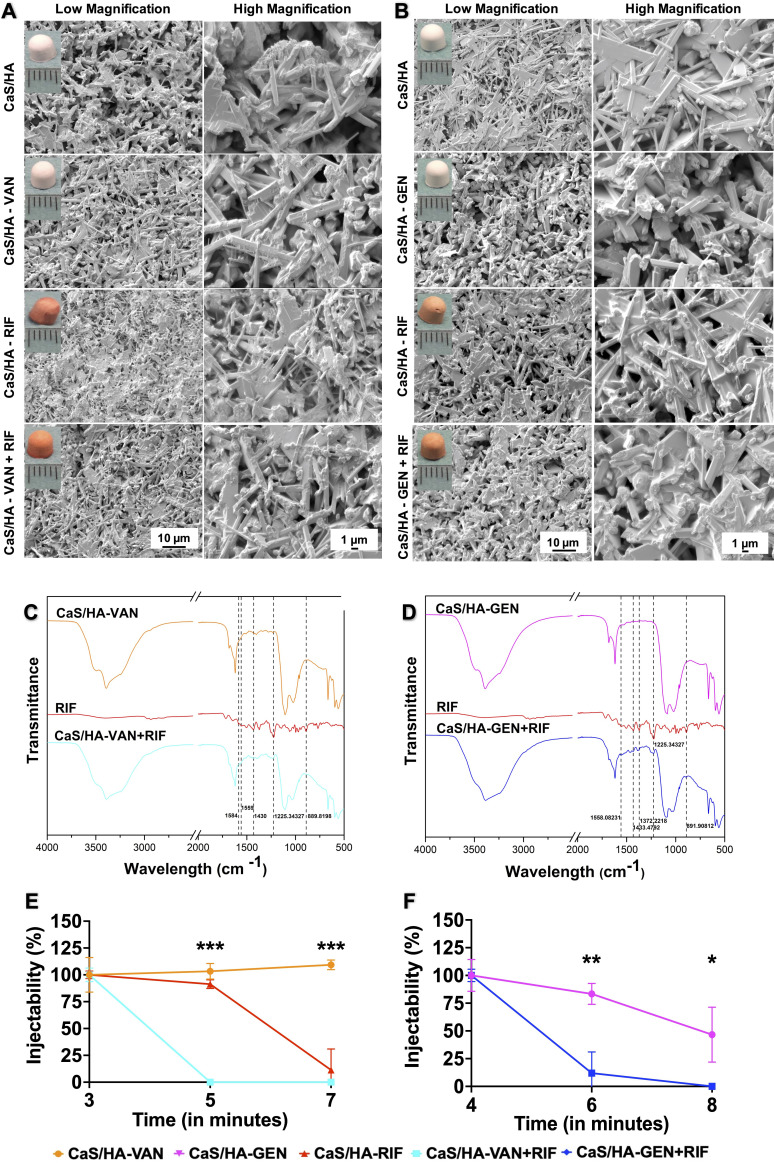
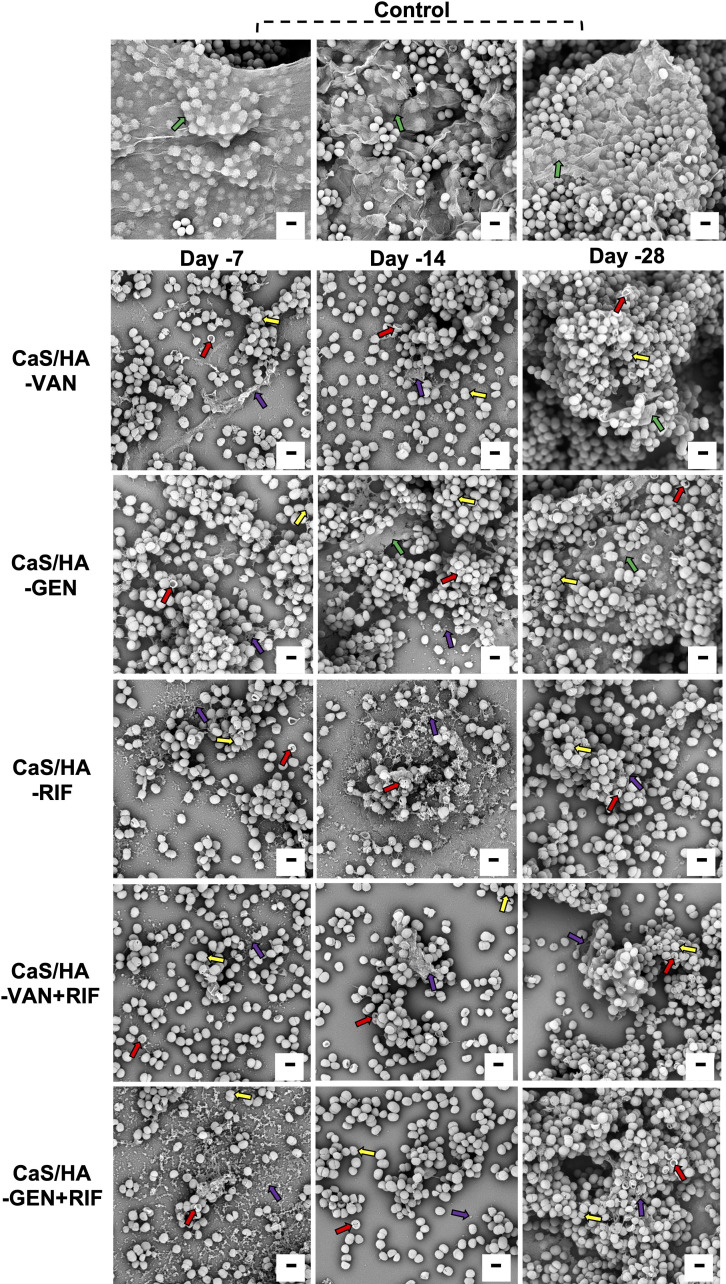
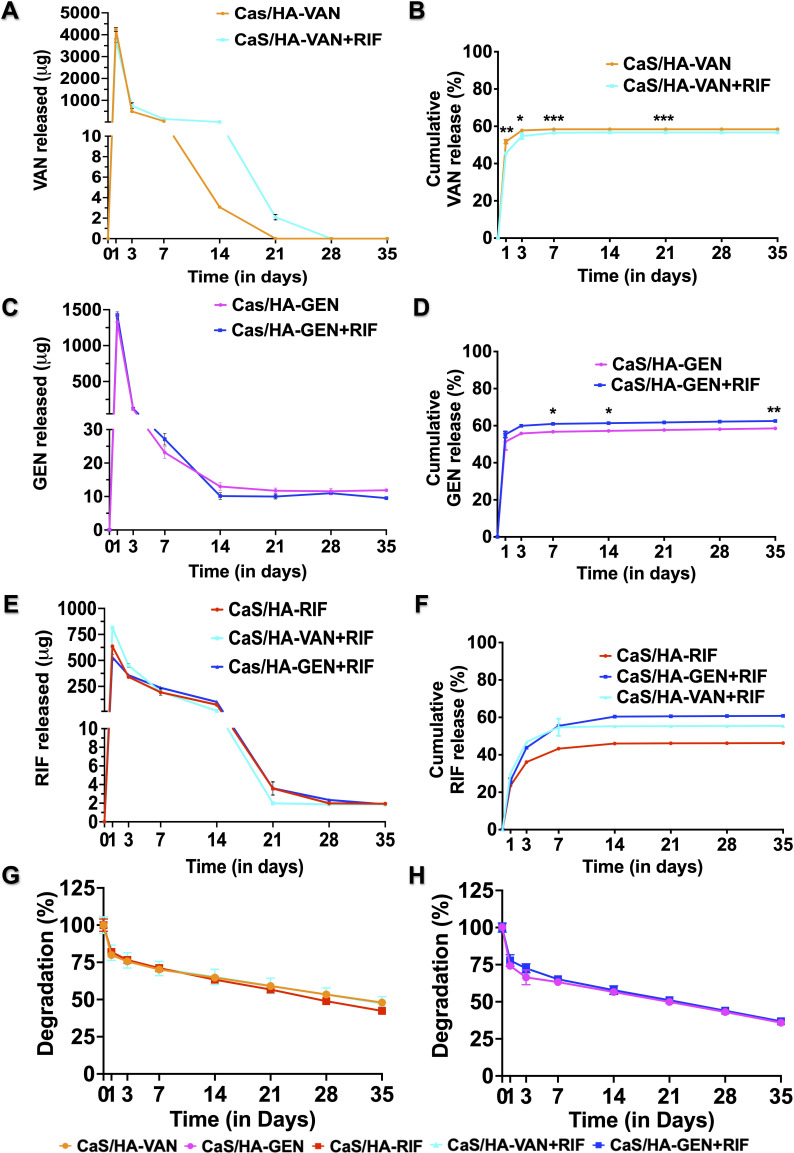
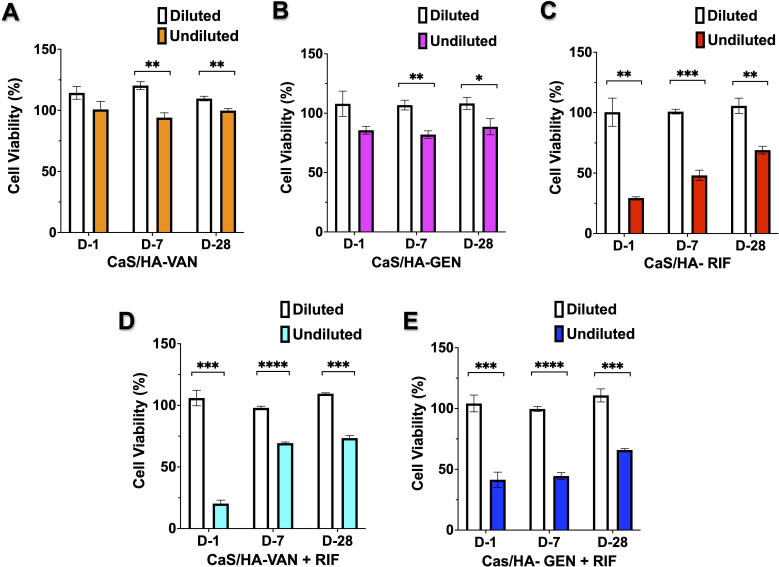
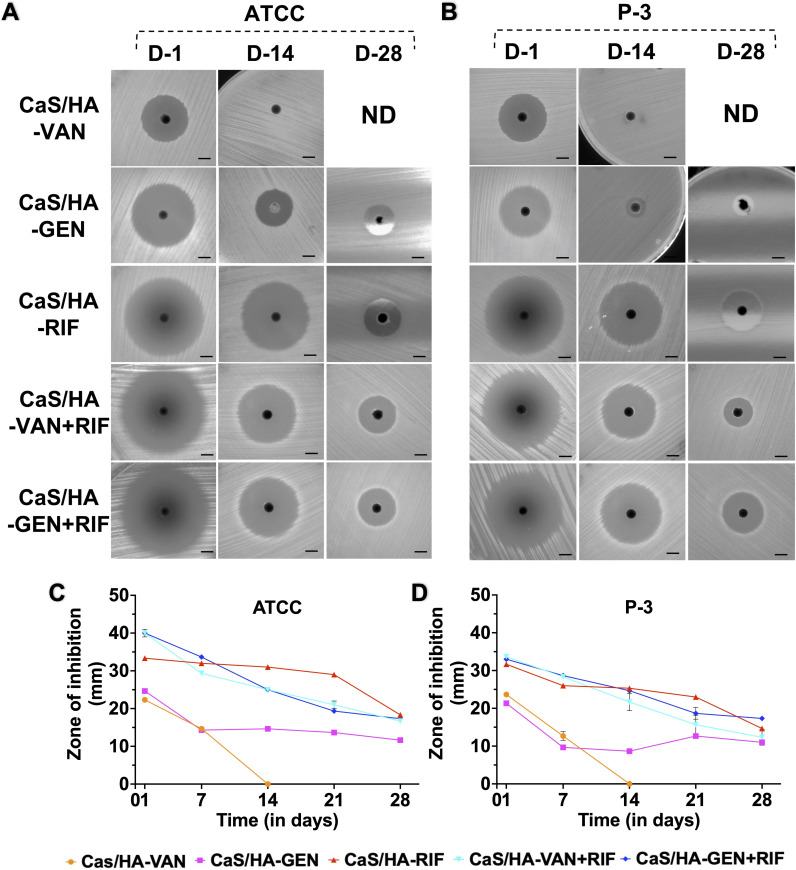
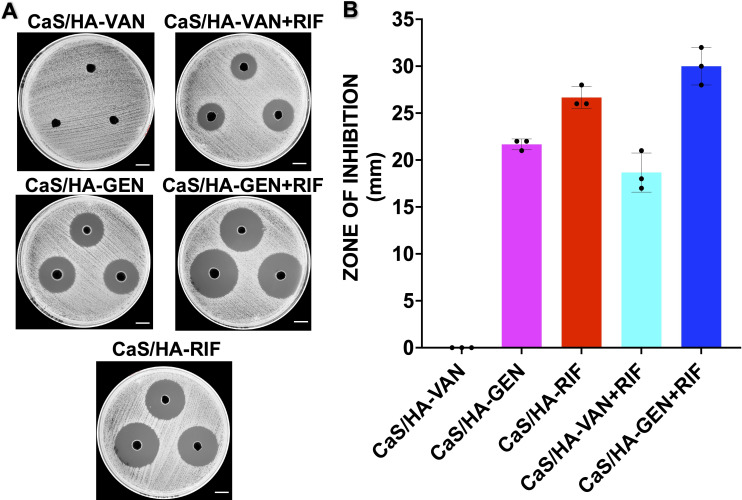
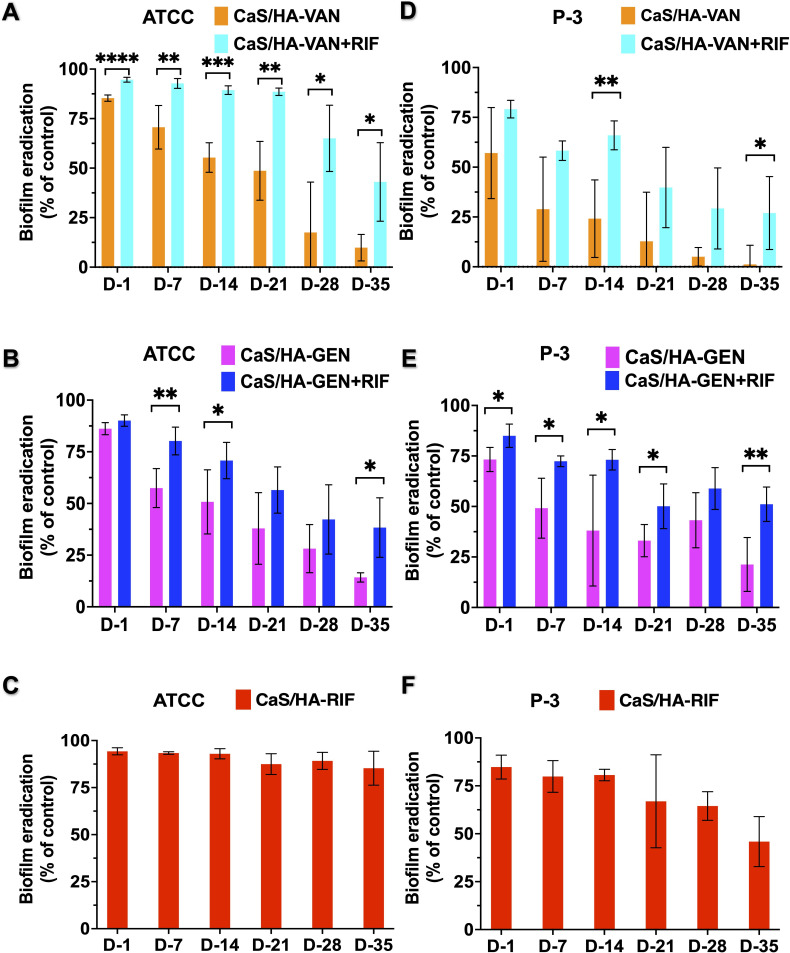
The CaS/HA composites containing RIF/GEN/VAN, either alone or in combination, were first prepared and their injectability, setting time, and antibiotic elution profiles were assessed. Using a continuous disk diffusion assay, the antibacterial behaviour of the material was tested on both planktonic and biofilm-embedded forms of standard and clinical strains of for 28 days. Development of bacterial resistance to RIF was determined by exposing the biofilm-embedded bacteria continuously to released fractions of antibiotics from CaS/HA-antibiotic composites.
Following the addition of RIF to CaS/HA-VAN/GEN, adequate injectability and setting of the CaS/HA composites were noted. Sustained release of RIF above the minimum inhibitory concentrations of was observed until study endpoint (day 35). Only combinations of CaS/HA-VAN/GEN + RIF exhibited antibacterial and antibiofilm effects yielding no viable bacteria at study endpoint. The strains developed resistance to RIF when biofilms were subjected to CaS/HA-RIF alone but not with CaS/HA-VAN/GEN + RIF.
Our in vitro results indicate that biphasic CaS/HA loaded with VAN or GEN could be used as a carrier for RIF for local delivery in clinically demanding bone infections.Cite this article: 2022;11(11):787-802.
作为治疗骨感染的重要二线抗生素之一,利福平(RIF)缺乏基于生物材料的局部递送载体。RIF单独使用时还会导致抗生素耐药性迅速发展。本体外研究评估了一种临床使用的双相硫酸钙/羟基磷灰石(CaS/HA)生物材料作为RIF与万古霉素(VAN)或庆大霉素(GEN)联合递送的载体。
首先制备单独或组合含有RIF/GEN/VAN的CaS/HA复合材料,并评估其可注射性、凝固时间和抗生素洗脱曲线。使用连续纸片扩散试验,在28天内对标准菌株和临床菌株的浮游菌和生物被膜包埋菌形式测试该材料的抗菌行为。通过将生物被膜包埋菌持续暴露于CaS/HA抗生素复合材料释放的抗生素组分来确定细菌对RIF的耐药性发展情况。
在CaS/HA-VAN/GEN中添加RIF后,观察到CaS/HA复合材料具有足够的可注射性和凝固性。在研究终点(第35天)之前,观察到RIF在最低抑菌浓度以上持续释放。只有CaS/HA-VAN/GEN + RIF组合表现出抗菌和抗生物被膜作用,在研究终点时未发现活菌。当生物被膜单独接受CaS/HA-RIF处理时,菌株对RIF产生耐药性,但与CaS/HA-VAN/GEN + RIF联合处理时则不会。
我们的体外研究结果表明,负载VAN或GEN的双相CaS/HA可作为RIF的载体,用于临床需求的骨感染局部递送。引用本文:2022;11(11):787-802。