Bulama Ibrahim, Nasiru Suleiman, Bello Abubakar, Abbas Abdullahi Yahaya, Nasiru Jinjiri Ismail, Saidu Yusuf, Chiroma Musa Samaila, Mohd Moklas Mohamad Aris, Mat Taib Che Norma, Waziri Ali, Suleman Bilbis Lawal
Department of Veterinary Physiology and Biochemistry, Faculty of Veterinary Medicine, University of Maiduguri, Maiduguri, Nigeria.
Department of Human Anatomy, Faculty of Medicine and Health Sciences, Universiti Putra Malaysia, Serdang, Selangor, Malaysia.
Front Pharmacol. 2022 Oct 6;13:998179. doi: 10.3389/fphar.2022.998179. eCollection 2022.
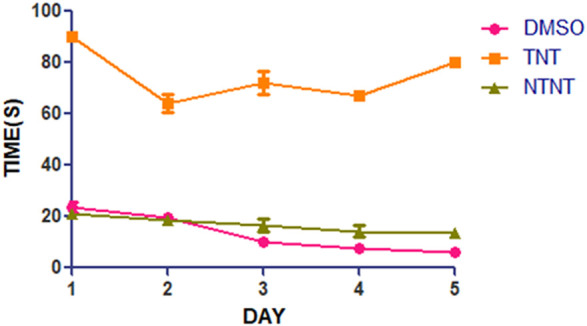
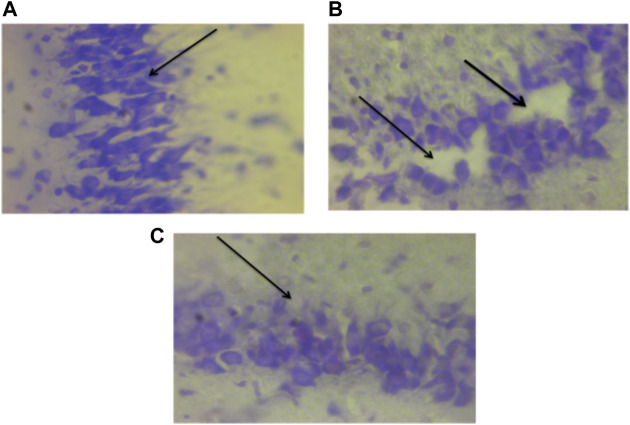
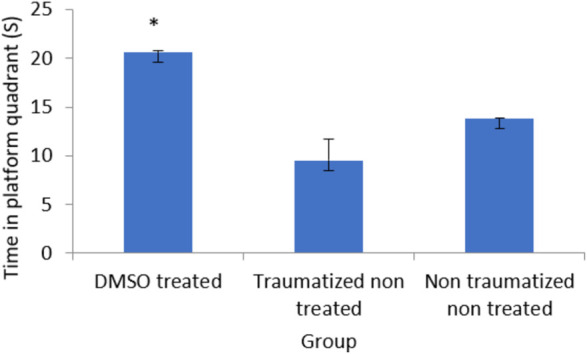
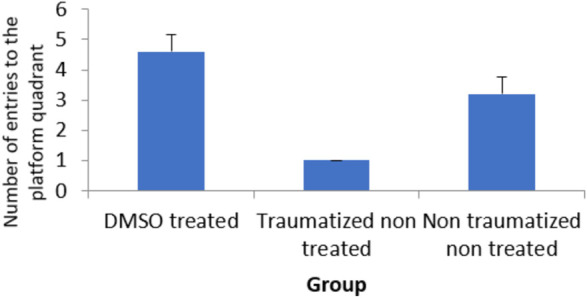
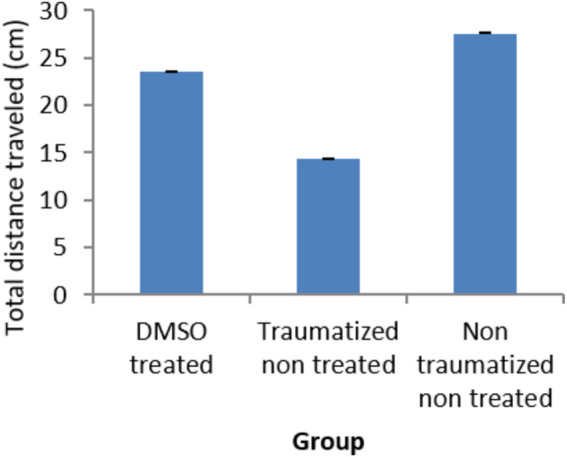
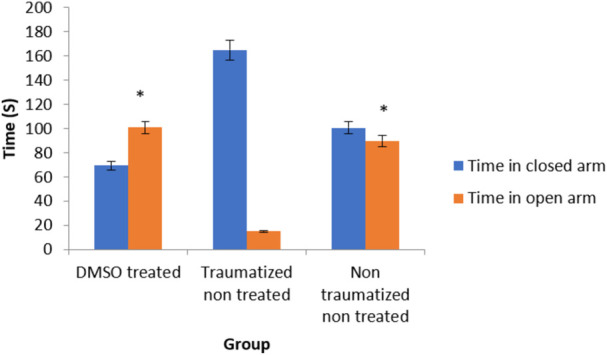
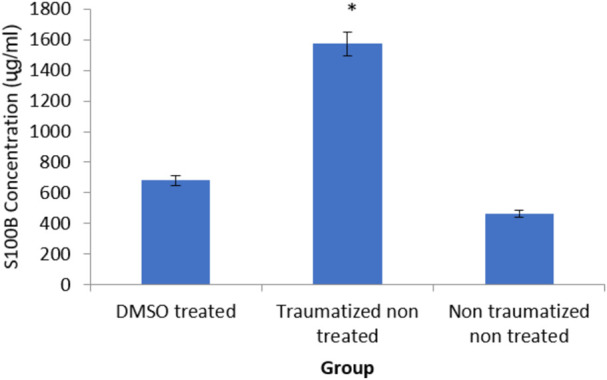
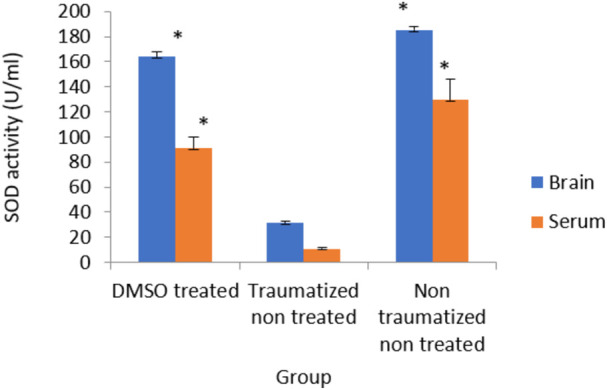
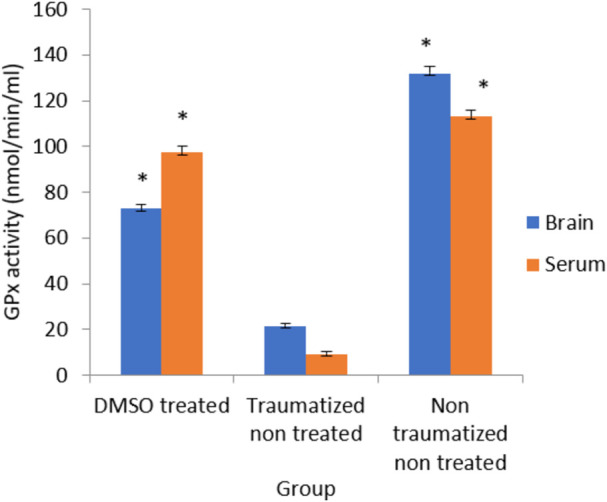
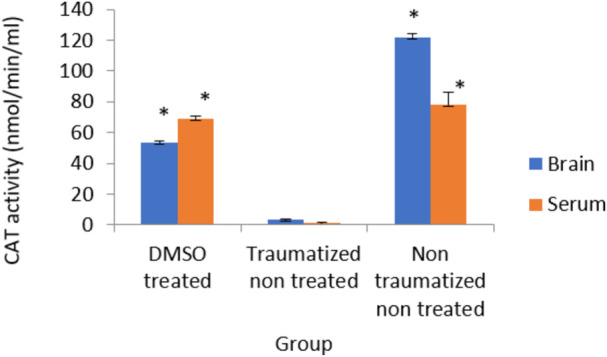
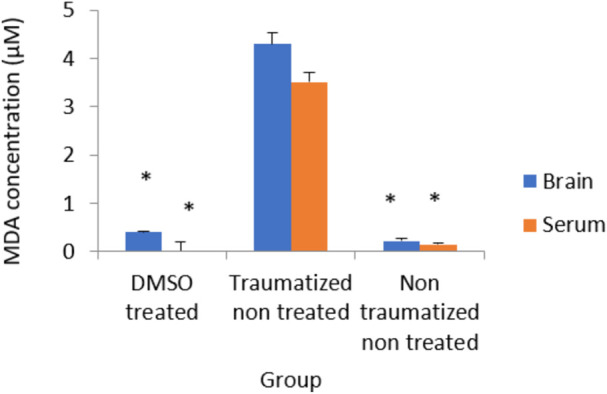
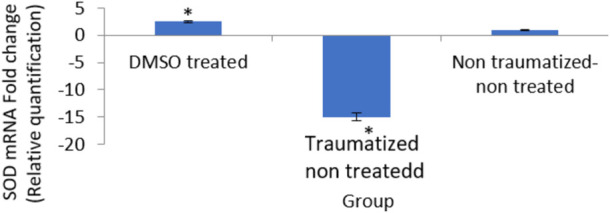
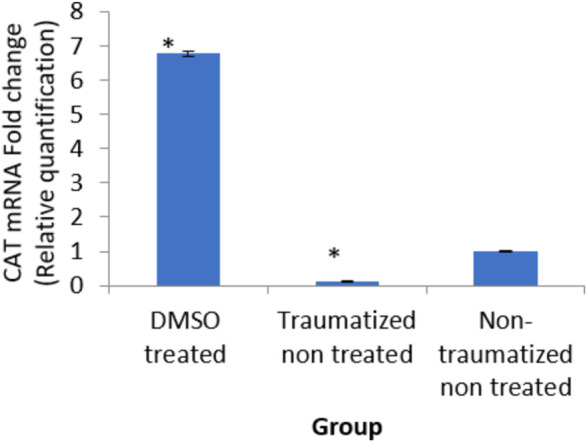
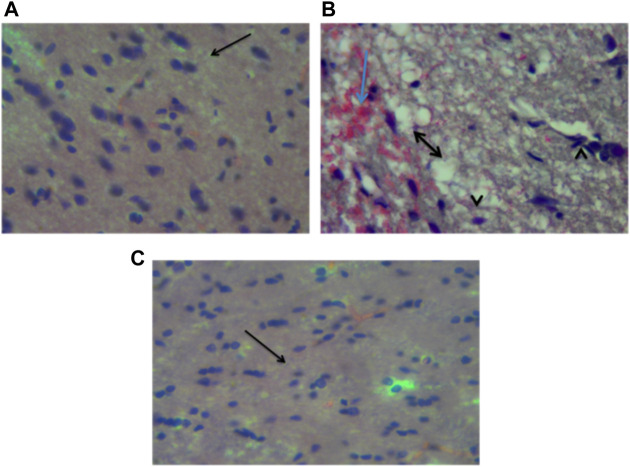
Traumatic brain injury (TBI) has been the result of neurological deficit and oxidative stress. This study evaluated the antioxidative neuroprotective property and learning and memory-enhancing effects of dimethyl sulfoxide (DMSO) in a rat model after the induction of TBI. 21 albino rats with 7 rats per group were used in this study. Group I was induced with TBI and treated with DMSO at 67.5 mg/kg orally once daily which started 30 min after the induction of TBI and lasted 21 days. Group II was induced with TBI but not treated while Group III was neither induced with TBI nor treated. Assessment of behavioral function (Learning and memory, anxiety and motor function), the level of an antioxidant enzymes and their gene expression (superoxide dismutase, catalase, glutathione peroxidase), the biomarkers of oxidative stress (malondialdehyde) and S100B levels as well as brain tissues histological studies were conducted. Administration of DMSO to rats with induced TBI has improved learning and memory, locomotor function and decreased anxiety in Group I compared to Group II. Moreover, the level of S100B was significantly ( < 0.05) lower in Group I compared to Group II. Treatment with DMSO also decreased lipid peroxidation significantly ( < 0.05) compared to Group II. There exists a significant ( < 0.05) increase in CAT, SOD, and GPX activities in Group I compared to Group II. Therefore, DMSO has demonstrated a potential antioxidative neuroprotective effect through its ability to increase the level of antioxidant enzymes which they quench and inhibit the formation of ROS, thereby improving cognitive functions.
创伤性脑损伤(TBI)一直是神经功能缺损和氧化应激的结果。本研究评估了二甲基亚砜(DMSO)在TBI诱导后的大鼠模型中的抗氧化神经保护特性以及对学习和记忆的增强作用。本研究使用了21只白化大鼠,每组7只。第一组诱导TBI,并在TBI诱导后30分钟开始每天口服一次67.5mg/kg的DMSO,持续21天。第二组诱导TBI但未接受治疗,而第三组既未诱导TBI也未接受治疗。进行了行为功能(学习和记忆、焦虑和运动功能)评估、抗氧化酶水平及其基因表达(超氧化物歧化酶、过氧化氢酶、谷胱甘肽过氧化物酶)、氧化应激生物标志物(丙二醛)和S100B水平评估以及脑组织组织学研究。与第二组相比,给诱导TBI的大鼠施用DMSO改善了第一组的学习和记忆、运动功能并降低了焦虑。此外,与第二组相比,第一组的S100B水平显著(<0.05)降低。与第二组相比,用DMSO治疗也显著(<0.05)降低了脂质过氧化。与第二组相比,第一组的CAT、SOD和GPX活性有显著(<0.05)增加。因此,DMSO通过提高抗氧化酶水平,淬灭并抑制活性氧的形成,从而改善认知功能,已证明具有潜在的抗氧化神经保护作用。