Gawrońska-Grzywacz Monika, Piątkowska-Chmiel Iwona, Popiołek Łukasz, Herbet Mariola, Dudka Jarosław
Department of Toxicology, Faculty of Pharmacy, Medical University of Lublin, 8B Jaczewskiego Street, 20-090 Lublin, Poland.
Department of Organic Chemistry, Faculty of Pharmacy, Medical University of Lublin, 4A Chodźki Street, 20-093 Lublin, Poland.
Pharmaceuticals (Basel). 2022 Oct 23;15(11):1308. doi: 10.3390/ph15111308.
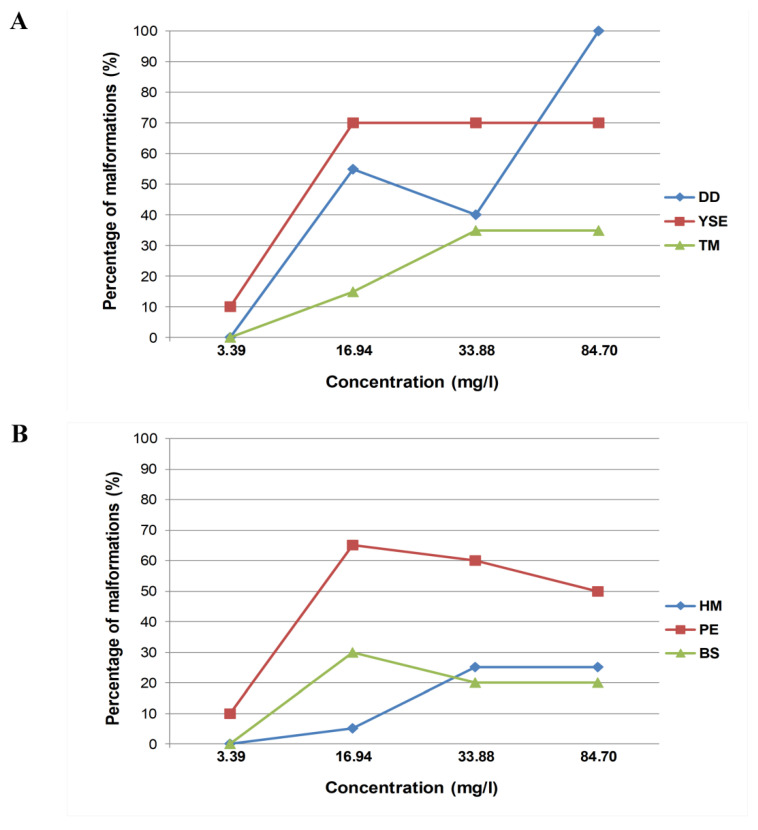
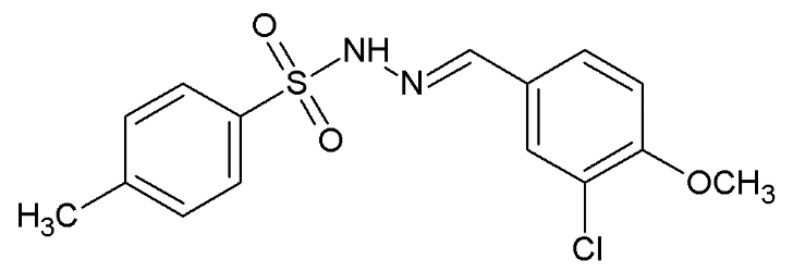
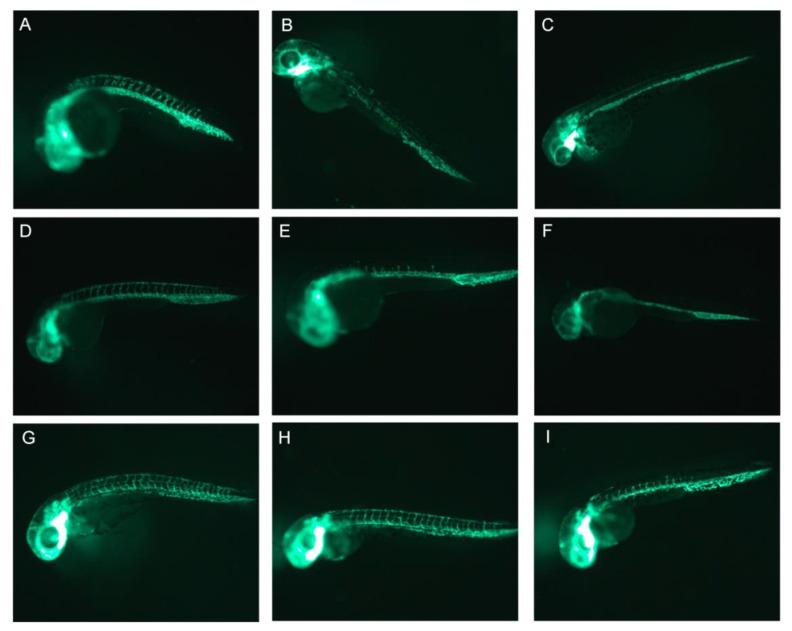
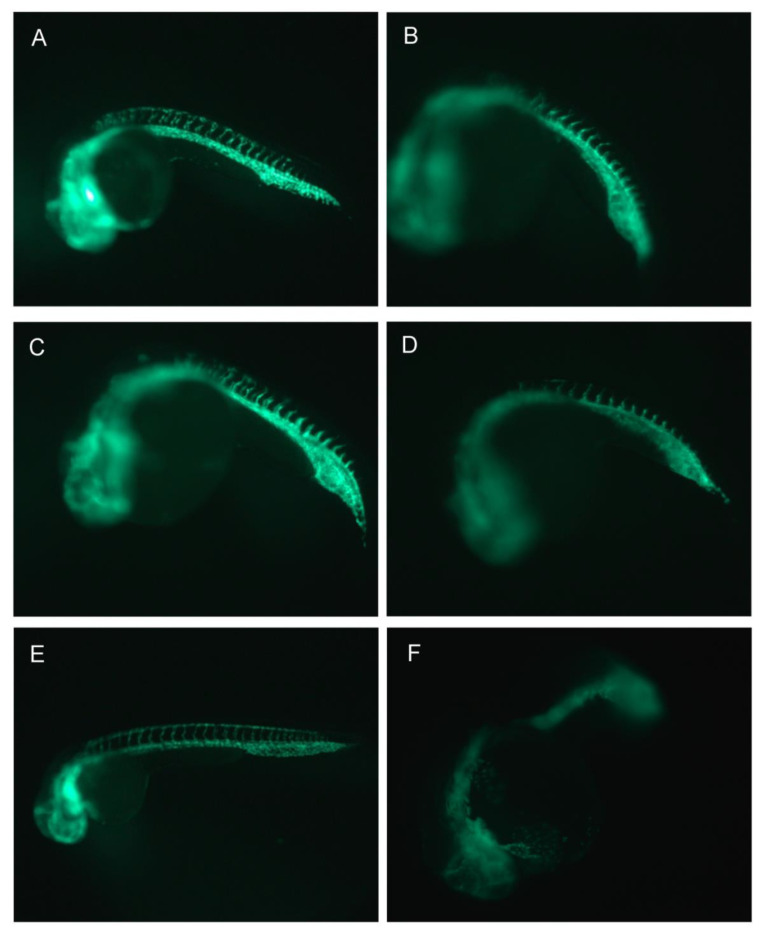
One of the most important therapies of malignant neoplasms, which are the second cause of death worldwide, is focused on the inhibition of pathological angiogenesis within the tumor. Therefore, the searching for the efficacious and relatively inexpensive small-molecule inhibitors of this process is essential. In this research, the anti-angiogenic potential of -substituted-4-methylbenzenesulphonyl hydrazone, possessing antiproliferative activity against cancer cells, was tested. For this purpose, an intersegmental vessel (ISV) angiogenesis assay was performed using 6 hpf (hours post fertilization), 12 hpf and 24 hpf embryos of zebrafish transgenic strain, . They were incubated with different concentrations of tested molecule and after 24 h the development of intersegmental vessels of the trunk was analysed. In turn, the acute toxicity study in the zebrafish model was mainly conducted on strain AB, using the OECD-approved and recommended fish embryo acute toxicity test (FET) procedure. The results showed the moderate toxicity of -[(3-chloro-4-methoxyphenyl)methylidene]-4-methylbenzenesulphonohydrazide in above-mentioned model with the LC value calculated at 23.04 mg/L. Moreover, newly synthesized molecule demonstrated the anti-angiogenic potential proved in zebrafish model, which may be promising for the therapy of neoplastic tumors as well as other diseases related to pathological angiogenesis, such as age-related macular degeneration and diabetic retinopathy.
恶性肿瘤是全球第二大致死原因,其最重要的治疗方法之一是专注于抑制肿瘤内的病理性血管生成。因此,寻找有效且相对廉价的该过程小分子抑制剂至关重要。在本研究中,测试了对癌细胞具有抗增殖活性的β-取代-4-甲基苯磺酰腙的抗血管生成潜力。为此,使用斑马鱼转基因品系的6 hpf(受精后小时数)、12 hpf和24 hpf胚胎进行节间血管(ISV)血管生成测定。将它们与不同浓度的测试分子孵育,24小时后分析躯干节间血管的发育。反过来,斑马鱼模型中的急性毒性研究主要在AB品系上进行,采用经经合组织批准和推荐的鱼类胚胎急性毒性试验(FET)程序。结果表明,在上述模型中,β-[(3-氯-4-甲氧基苯基)亚甲基]-4-甲基苯磺酰肼具有中等毒性,计算得出的LC值为23.04 mg/L。此外,新合成的分子在斑马鱼模型中显示出抗血管生成潜力,这对于肿瘤治疗以及其他与病理性血管生成相关的疾病,如年龄相关性黄斑变性和糖尿病性视网膜病变,可能具有前景。