Department of Global Health and Development, London School of Hygiene & Tropical Medicine, London, UK
Institute of Public Health, Kilimanjaro Christian Medical University College, Moshi, Tanzania.
BMJ Glob Health. 2022 Nov;7(11). doi: 10.1136/bmjgh-2022-009907.
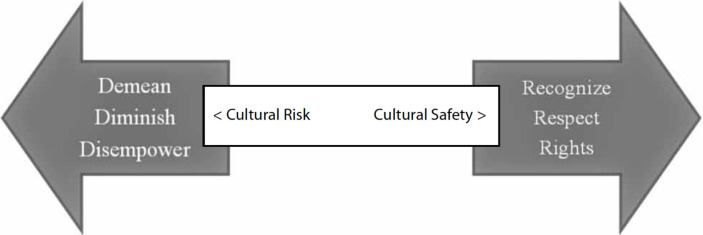
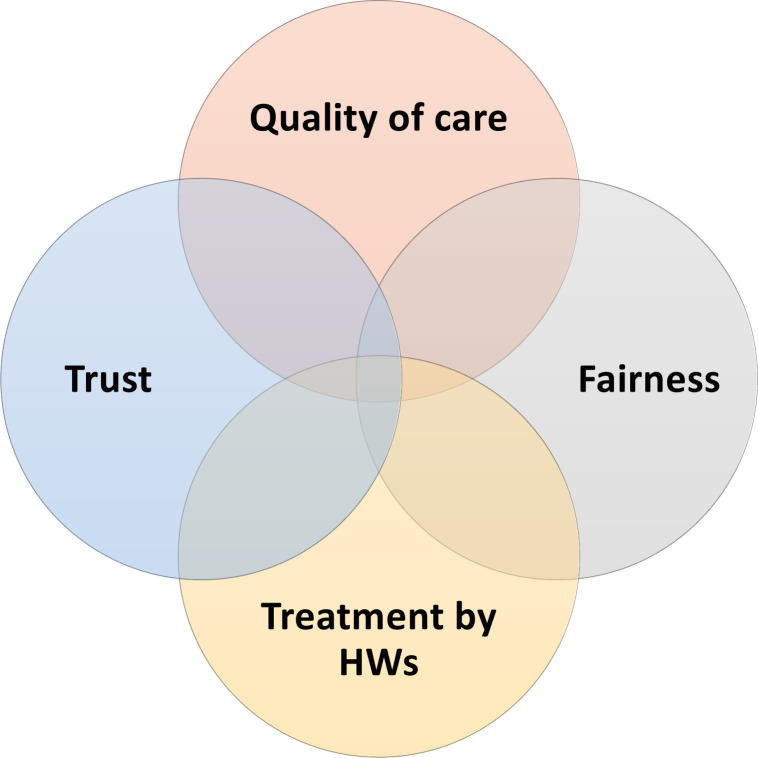
The history of the Maasai tribe in northern Tanzania is characterised by marginalisation, discrimination and political subjugation. Inequities, enacted through power relations, influence healthcare access, practices and outcomes among the Maasai. Cultural safety and ethical space provide lenses into social, political and historical influences on access to care, helping to understand the realities of historically marginalised populations such as the Maasai, and responses to health services. This study aims to examine Maasai experiences of accessing and uptake of health services within a postcolonial discourse in Tanzania. In an ethnographic study examining access and perceptions of healthcare services in Maasai communities, lead authors conducted participant observations and at health facilities to document experiences. Household interviews, a group oral history and interviews with NGOs working with Maasai communities, contributed to the data analysed. Inductive thematic analysis was used to understand healthcare experiences within a framework of cultural safety and ethical space. Despite trust in biomedicine, Maasai people have a strong desire for health services with particular characteristics. Quality of care, including facilities and diagnostics available and used, was important. A sense of fairness was a determinant in respecting services including 'first come first serve' system and transparency when unable to treat a condition. Trust in health services was also influenced by personal interactions with health workers, including provision of health information provided to patients and instances of being mistreated. These findings offer an understanding of ways in which spaces of healthcare can be more approachable and trusted by Maasai. Incorporating cultural safety and ethical spaces to understand healthcare access can help to reduce the power imbalance possibly resulting from a history of marginalisation. This can inform development of culturally appropriate programmes, used to educate healthcare professionals and advocate for improved healthcare services for marginalised groups.
坦桑尼亚北部马赛部落的历史特点是边缘化、歧视和政治统治。不平等通过权力关系实施,影响了马赛人的医疗保健获取、实践和结果。文化安全和伦理空间提供了了解社会、政治和历史对获得医疗保健的影响的视角,有助于理解马赛等历史上边缘化群体的现实情况以及对医疗服务的反应。本研究旨在审查马赛人在坦桑尼亚后殖民话语中获得和接受医疗服务的经验。在一项民族志研究中,主要作者通过参与观察和在卫生设施中记录经验,检查了马赛社区获取和对医疗保健服务的看法。家庭访谈、群体口述历史和与马赛社区合作的非政府组织访谈为分析的数据做出了贡献。采用归纳主题分析来理解文化安全和伦理空间框架内的医疗保健经验。尽管马赛人信任生物医学,但他们强烈希望获得具有特定特征的医疗服务。护理质量,包括可用和使用的设施和诊断,很重要。公平感是尊重服务的决定因素,包括“先来先服务”系统和无法治疗疾病时的透明度。对医疗服务的信任还受到与卫生工作者的个人互动的影响,包括向患者提供卫生信息和虐待患者的情况。这些发现提供了对医疗保健空间如何更容易接近和被马赛人信任的方式的理解。纳入文化安全和伦理空间来理解医疗保健获取,可以帮助减少可能源于边缘化历史的权力失衡。这可以为制定文化上合适的方案提供信息,用于教育医疗保健专业人员并倡导为边缘化群体改善医疗服务。