Peng Chang, Cai Qianqian, Chen Mengyue, Jiang Xiaoning
School of Biomedical Engineering, ShanghaiTech University, Shanghai 201210, China.
Department of Mechanical and Aerospace Engineering, North Carolina State University, Raleigh, NC 27695, USA.
Micromachines (Basel). 2022 Oct 29;13(11):1855. doi: 10.3390/mi13111855.
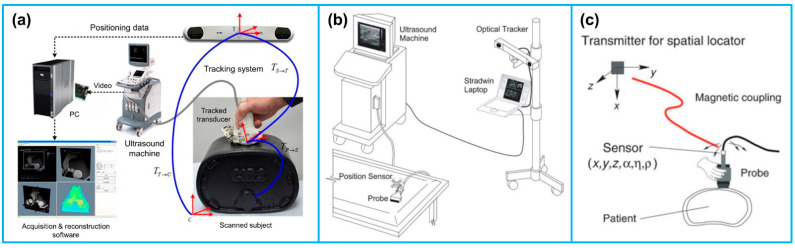
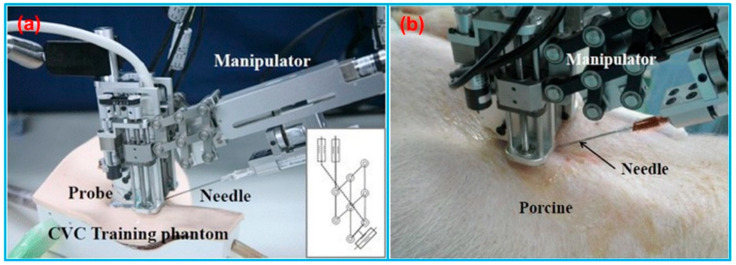
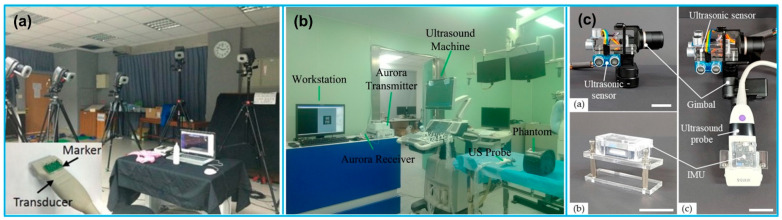
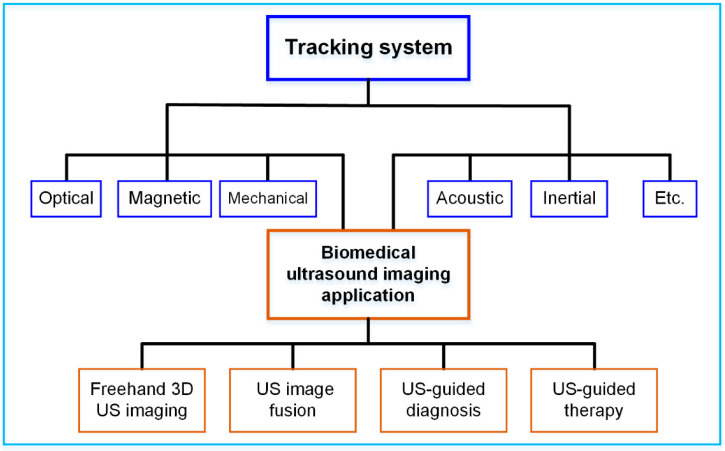
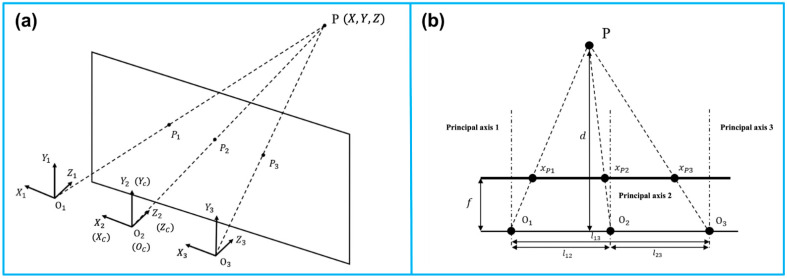
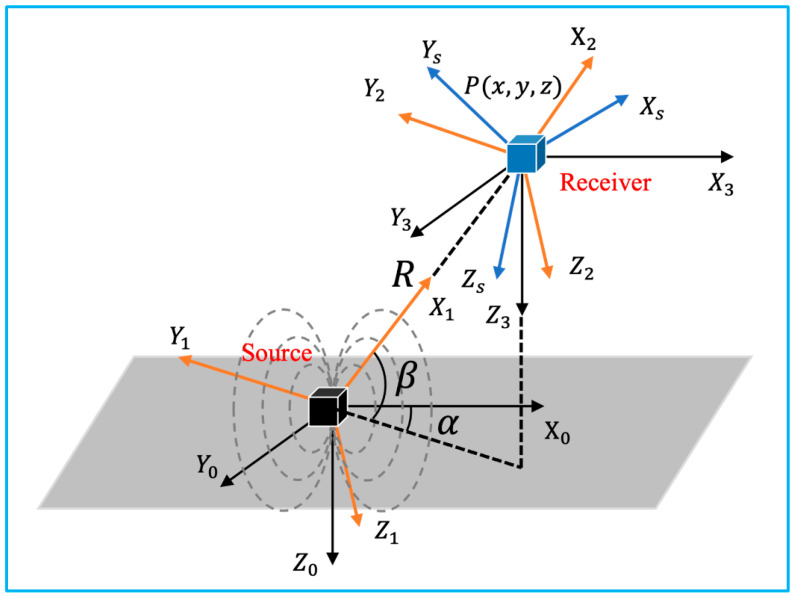
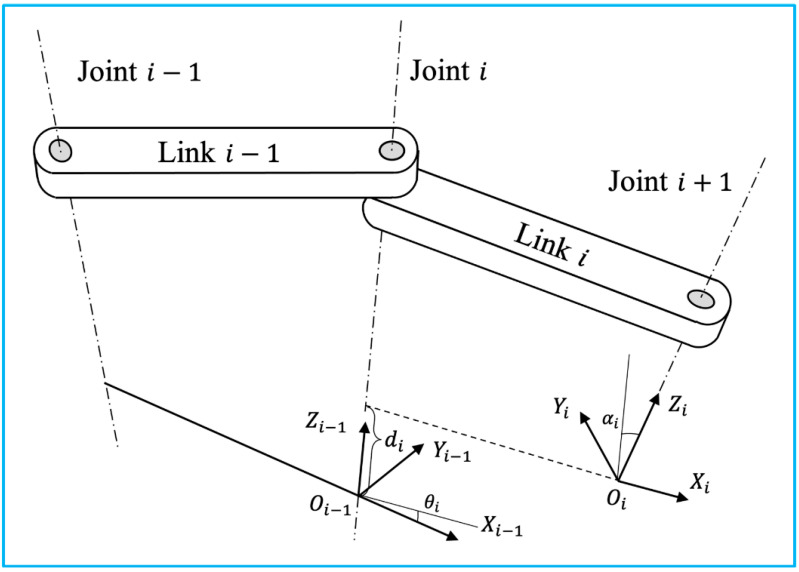
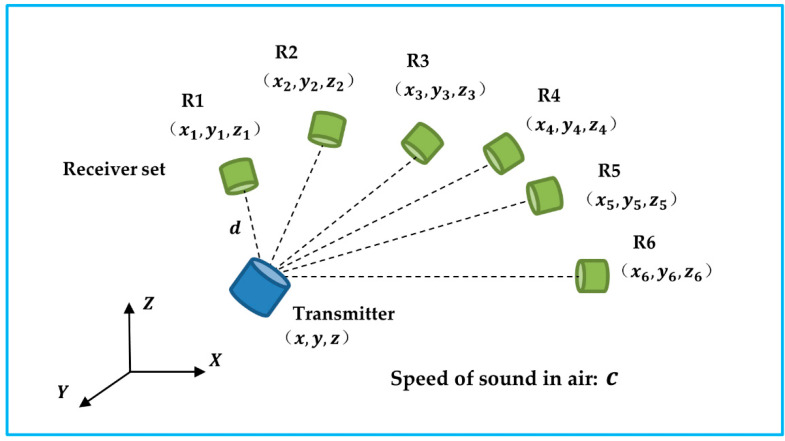
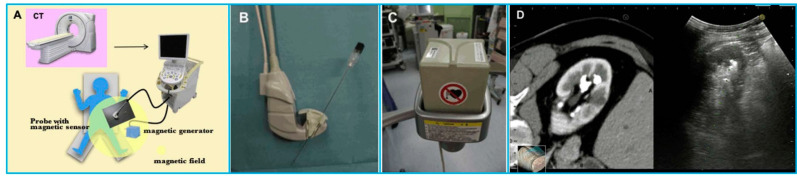
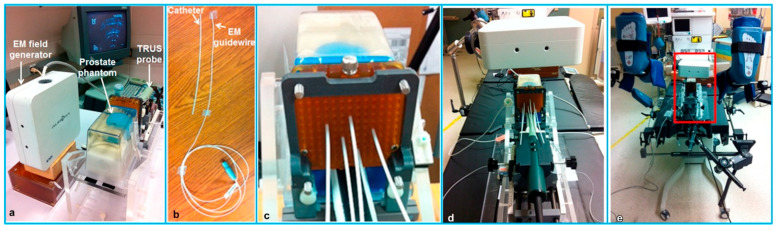
With the rapid advancement of tracking technologies, the applications of tracking systems in ultrasound imaging have expanded across a wide range of fields. In this review article, we discuss the basic tracking principles, system components, performance analyses, as well as the main sources of error for popular tracking technologies that are utilized in ultrasound imaging. In light of the growing demand for object tracking, this article explores both the potential and challenges associated with different tracking technologies applied to various ultrasound imaging applications, including freehand 3D ultrasound imaging, ultrasound image fusion, ultrasound-guided intervention and treatment. Recent development in tracking technology has led to increased accuracy and intuitiveness of ultrasound imaging and navigation with less reliance on operator skills, thereby benefiting the medical diagnosis and treatment. Although commercially available tracking systems are capable of achieving sub-millimeter resolution for positional tracking and sub-degree resolution for orientational tracking, such systems are subject to a number of disadvantages, including high costs and time-consuming calibration procedures. While some emerging tracking technologies are still in the research stage, their potentials have been demonstrated in terms of the compactness, light weight, and easy integration with existing standard or portable ultrasound machines.
随着跟踪技术的迅速发展,跟踪系统在超声成像中的应用已扩展到广泛的领域。在这篇综述文章中,我们讨论了超声成像中常用跟踪技术的基本跟踪原理、系统组件、性能分析以及主要误差来源。鉴于对目标跟踪的需求不断增长,本文探讨了不同跟踪技术应用于各种超声成像应用(包括徒手三维超声成像、超声图像融合、超声引导干预和治疗)所带来的潜力和挑战。跟踪技术的最新发展提高了超声成像和导航的准确性和直观性,减少了对操作者技能的依赖,从而有利于医学诊断和治疗。尽管市售的跟踪系统能够实现位置跟踪的亚毫米分辨率和方向跟踪的亚度分辨率,但此类系统存在一些缺点,包括成本高和校准程序耗时。虽然一些新兴的跟踪技术仍处于研究阶段,但它们在紧凑性、重量轻以及易于与现有的标准或便携式超声设备集成方面已展现出潜力。