Department of General Surgery, The First Affiliated Hospital of Soochow University, Suzhou, Jiangsu, China.
Cancer Institute, The First Clinical Medical College, Xuzhou Medical University, Xuzhou, Jiangsu, China.
EBioMedicine. 2022 Dec;86:104347. doi: 10.1016/j.ebiom.2022.104347. Epub 2022 Nov 10.
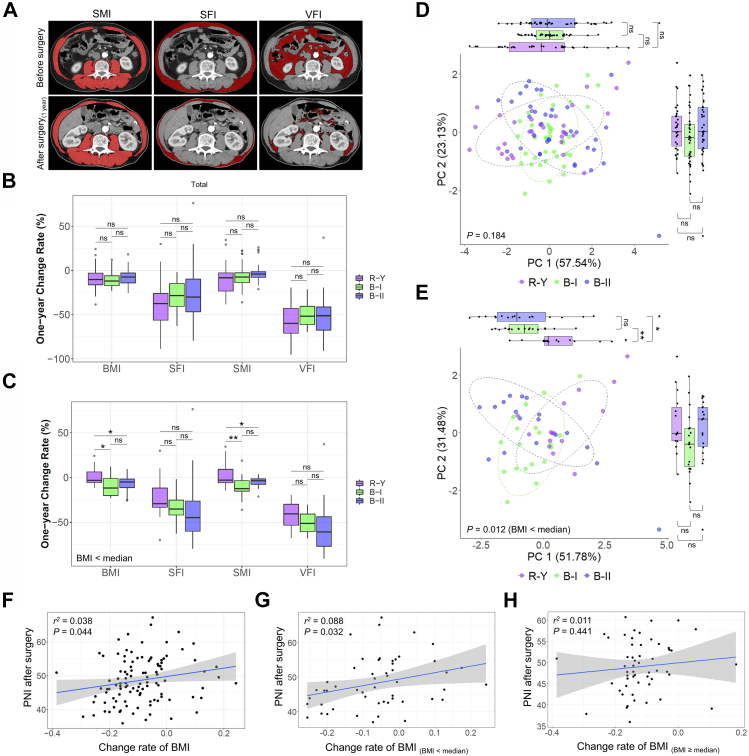
Different methods for digestive tract reconstruction have a complex impact on the nutritional status of gastric cancer (GC) patients after radical gastrectomy. Previous studies reported that Roux-en-Y (R-Y) reconstruction resulted in obvious weight reduction and improvement in type 2 diabetes in obese patients. We investigated the relationship between R-Y reconstruction, gut microbiota, and the NLRP3 inflammasome in GC patients with poor basic nutrition.
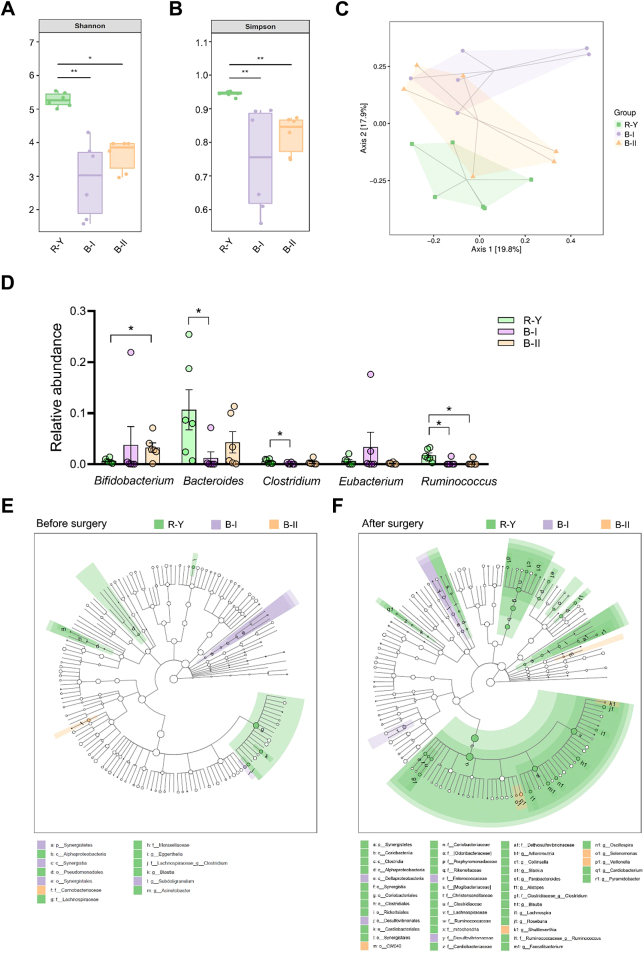
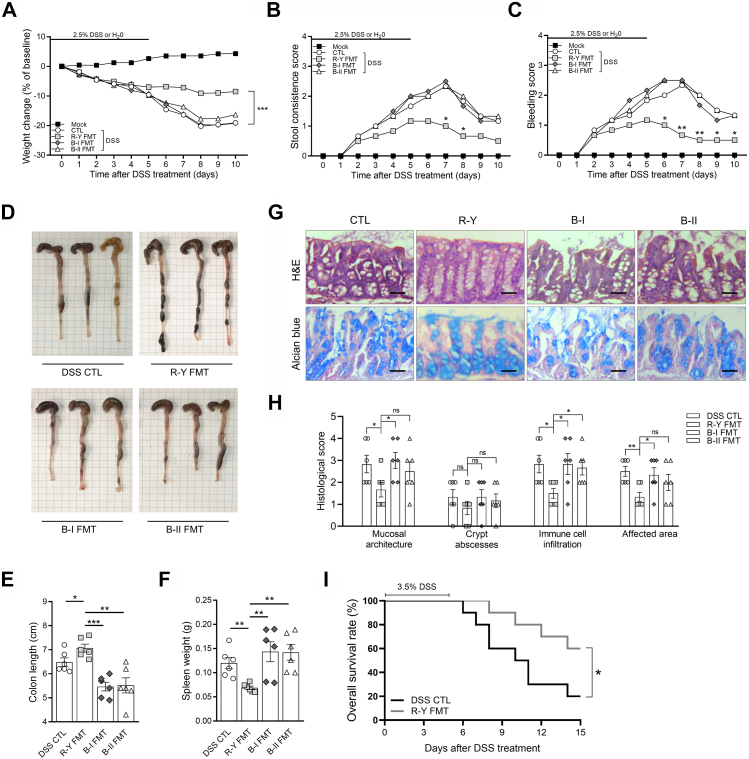
Changes in the gut microbiota after radical gastrectomy accomplished by different methods of digestive tract reconstruction were investigated via fecal microbiota transplantation. The underlying mechanisms were also explored by analyzing the role of the microbiota, butyrate, and the NLRP3 inflammasome in the colon tissues of colitis model mice and GC patients after radical gastrectomy.
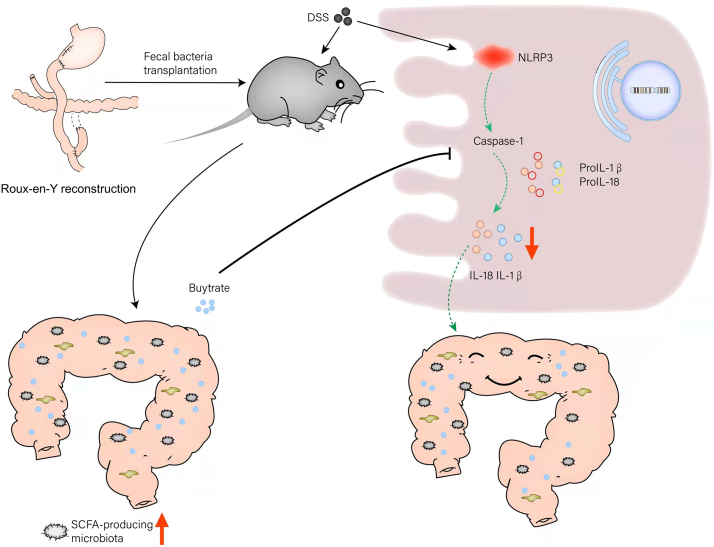
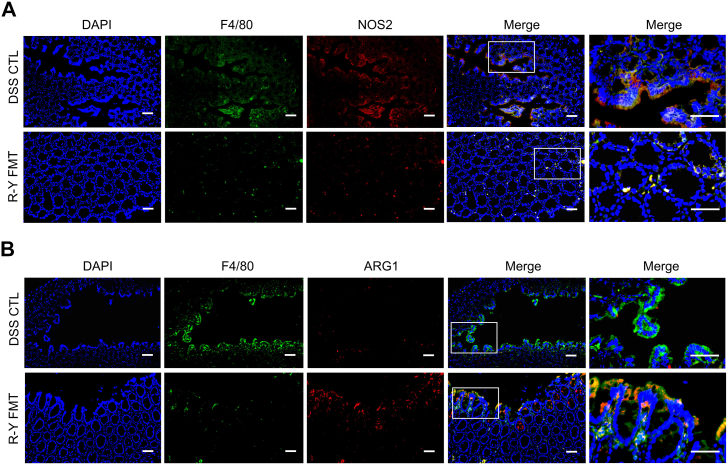
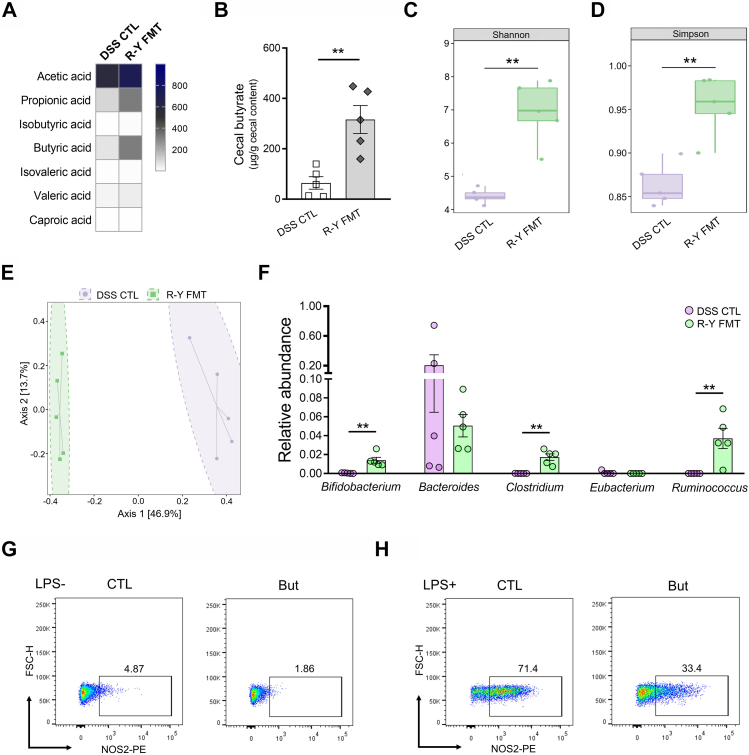
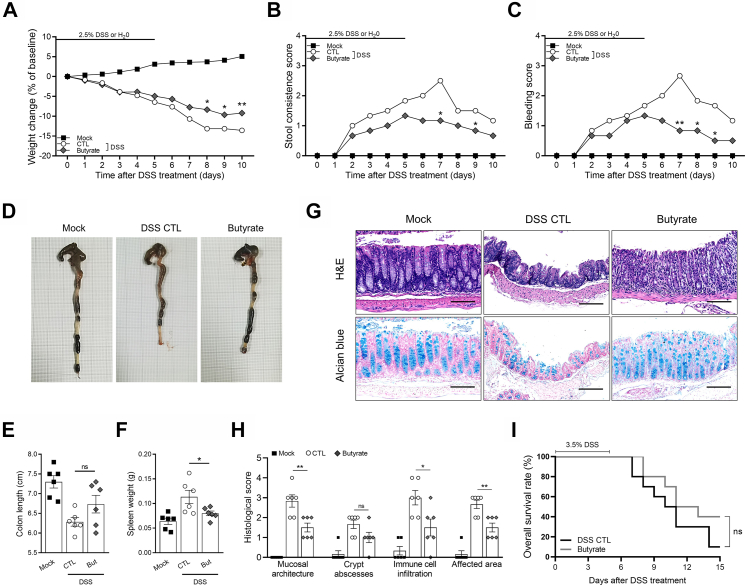
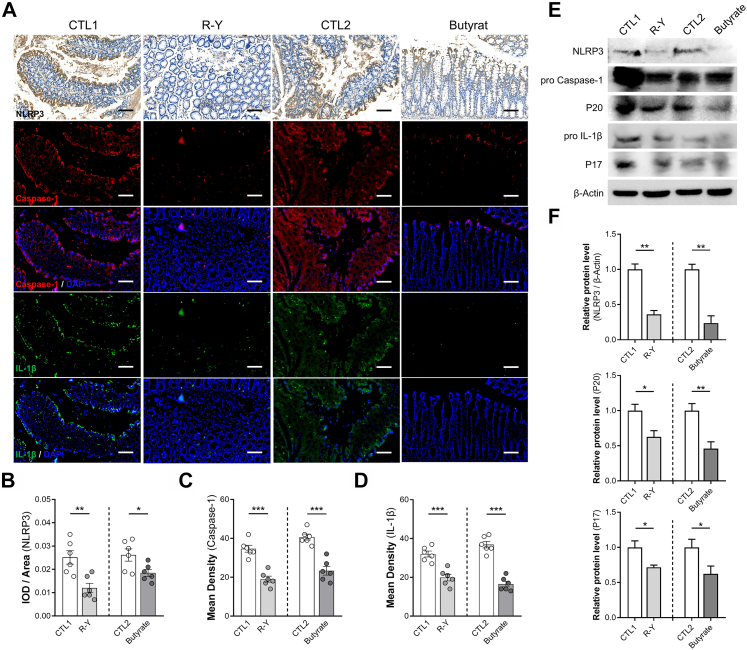
R-Y reconstruction effectively relieved intestinal inflammation and facilitated nutrient absorption. 16S rRNA analysis revealed that gavage transplantation with the fecal microbiota of R-Y reconstruction patients could reverse dysbacteriosis triggered by radical gastrectomy and elevate the relative abundance of some short-chain fatty acid (SCFA)-producing bacteria. Subsequently, butyrate negatively regulated the NLRP3-mediated inflammatory signaling pathway to inhibit the activation of macrophages and the secretion of pro-inflammatory mediators such as caspase-1 and interleukin (IL)-1β, decreasing the level of intestinal inflammation and promoting nutrient absorption.
R-Y reconstruction induced colonization with SCFA-producing bacteria to alleviate radical gastrectomy-induced colitis by down-regulating the NLRP3 signaling pathway. This can be a new strategy and theoretical basis for the management of the postoperative nutritional status of GC patients.
This work was supported by the National Nature Science Foundation of China (81974375), the BoXi cultivation program (BXQN202130), and the Project of Youth Foundation in Science and Education of the Department of Public Health of Suzhou (KJXW2018001).
不同的消化道重建方法对胃癌(GC)患者根治性胃切除术后的营养状况有复杂的影响。既往研究报道 Roux-en-Y(R-Y)重建可使肥胖患者明显减重,并改善 2 型糖尿病。我们研究了 R-Y 重建、肠道菌群与 NLRP3 炎症小体在基础营养状况差的 GC 患者中的关系。
通过粪便微生物移植研究不同消化道重建方法根治性胃切除术后肠道菌群的变化。通过分析微生物、丁酸盐和 NLRP3 炎症小体在结肠炎模型小鼠和根治性胃切除术后 GC 患者结肠组织中的作用,探讨其潜在机制。
R-Y 重建可有效缓解肠道炎症,促进营养吸收。16S rRNA 分析显示,R-Y 重建患者粪便微生物灌胃移植可逆转根治性胃切除术后的肠道菌群失调,并提高某些短链脂肪酸(SCFA)产生菌的相对丰度。随后,丁酸盐负调控 NLRP3 介导的炎症信号通路,抑制巨噬细胞的激活和促炎介质如半胱氨酸天冬氨酸蛋白酶-1(caspase-1)和白细胞介素(IL)-1β的分泌,降低肠道炎症水平,促进营养吸收。
R-Y 重建诱导产生 SCFA 产生菌定植,通过下调 NLRP3 信号通路缓解根治性胃切除术后的结肠炎。这可能为 GC 患者术后营养状况的管理提供新策略和理论依据。
本研究得到国家自然科学基金(81974375)、博新计划(BXQN202130)和苏州市公共卫生青年科技项目(KJXW2018001)的资助。