Department of Orthopaedics, The First Affiliated Hospital of Soochow University, Soochow University, No. 188 Shizi Street, Suzhou, 215006, Jiangsu, China.
Orthopaedic Institute, Medical College, Soochow University, Suzhou, 215007, China.
J Nanobiotechnology. 2021 Jun 6;19(1):170. doi: 10.1186/s12951-021-00915-3.
Inflammatory osteolysis after total joint replacement (TJR) may cause implant failure, periprosthetic fractures, and be a severe threat to global public health. Our previous studies demonstrated that melatonin had a therapeutic effect on wear-particles induced osteolysis. Gut microbiota is closely related to bone homeostasis, and has been proven to be affected by melatonin. However, whether melatonin could play its anti-osteolysis effects through reprogramming gut microbiota remains elusive.
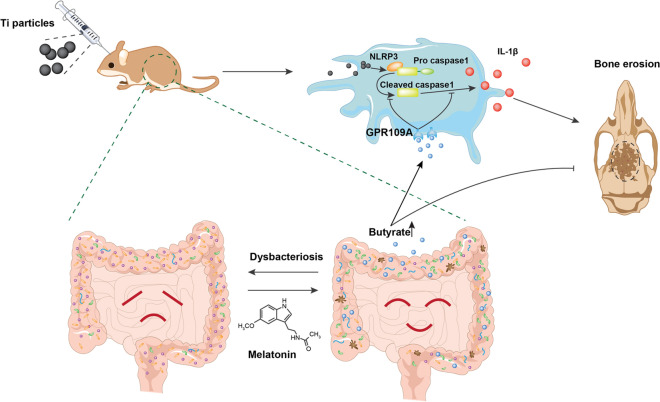
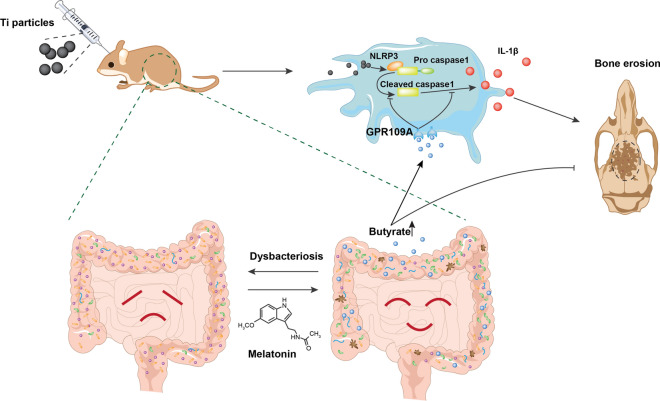
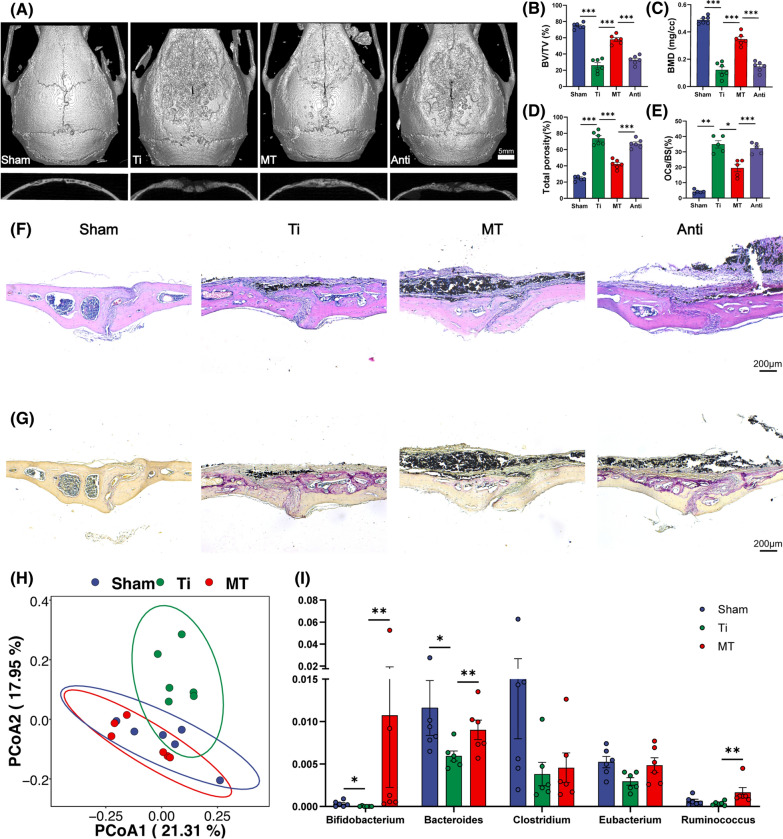
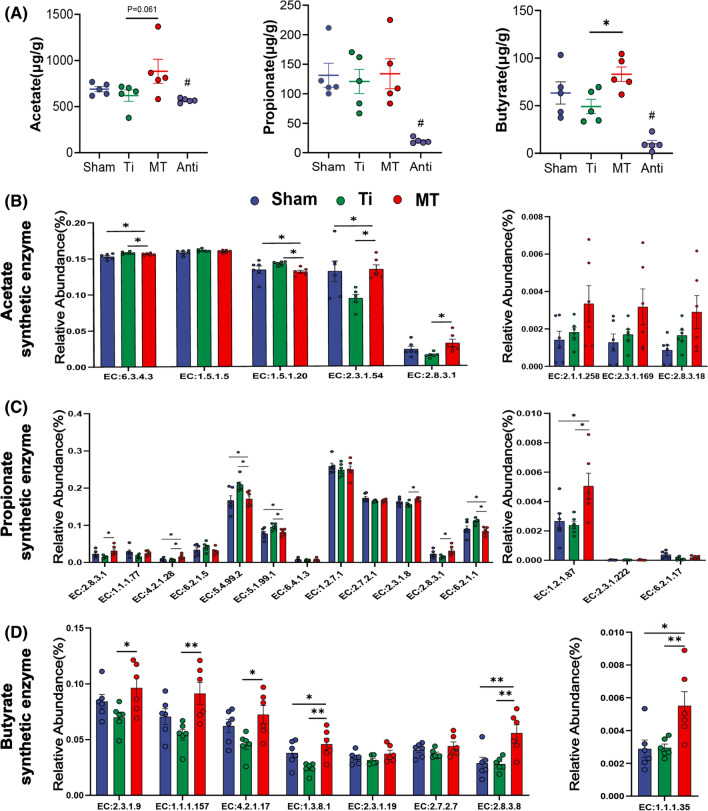
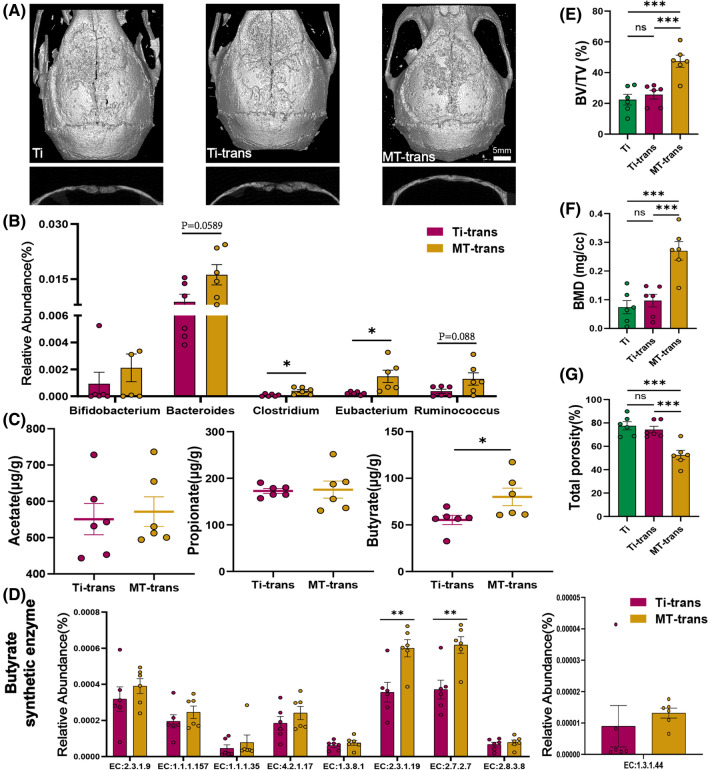
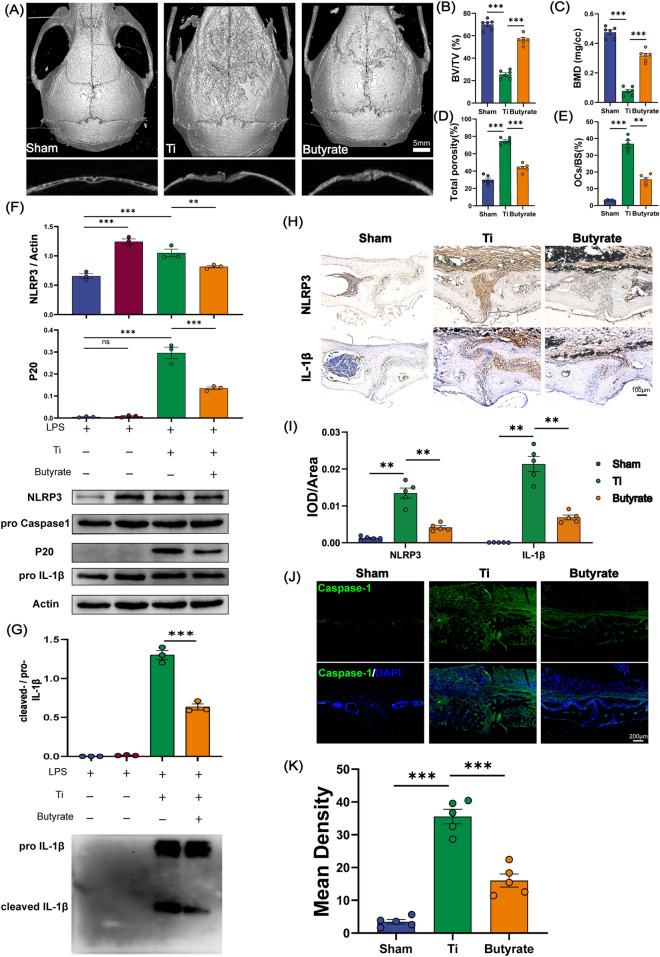
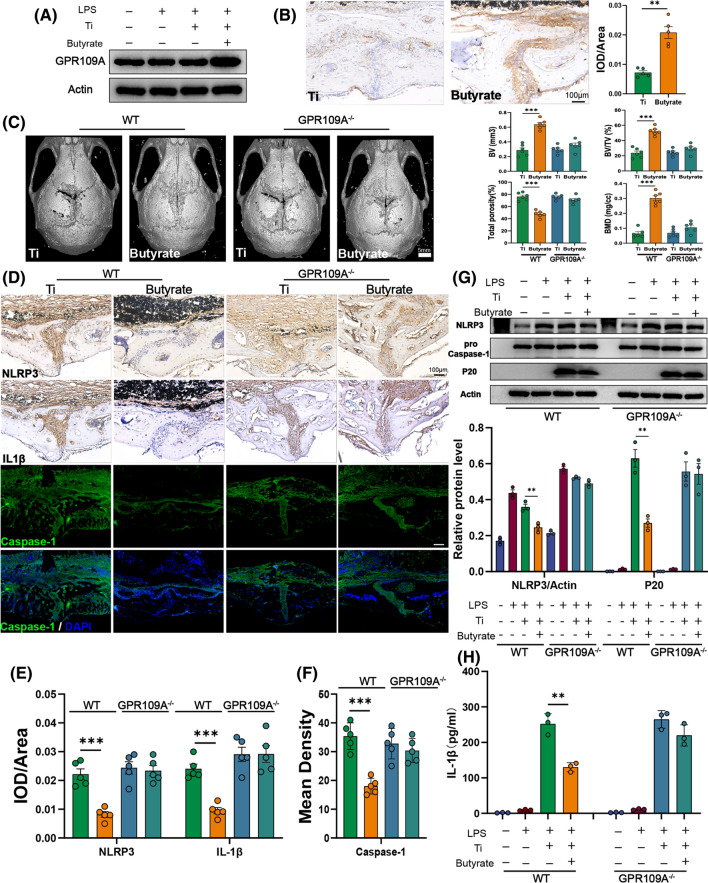
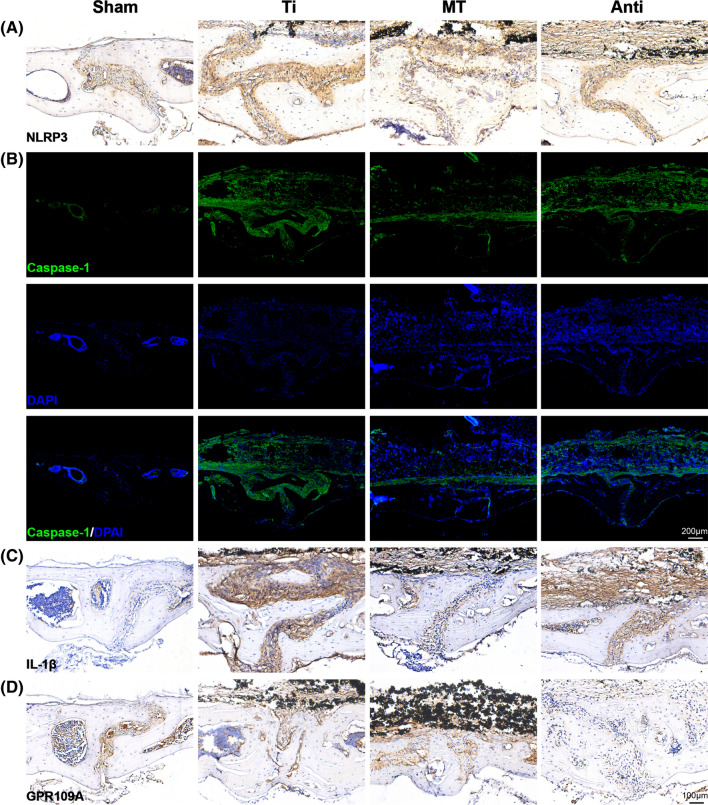
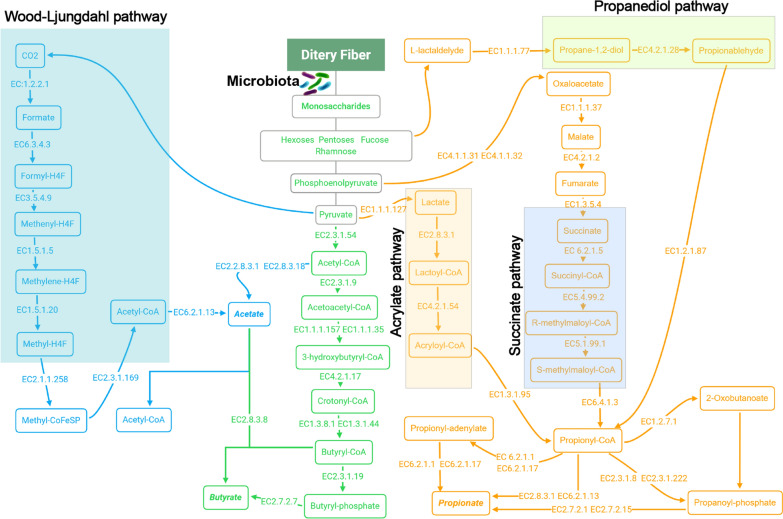
Here, we demonstrated that melatonin could alleviate Ti-particles induced osteolysis, while this therapeutic effect was blocked by antibiotic cocktail treatment. Interestingly, transplantation of fecal microbiota from mice treated with melatonin reappeared the same beneficial effect. Analysis of the 16S rRNA revealed that melatonin could reverse dysbacteriosis triggered by osteolysis, and elevate the relative abundance of some short chain fatty acid (SCFA) producing bacteria. Moreover, butyrate was enriched by exogenous melatonin administration, while acetate and propionate did not show an evident difference. This was consistent with the results of the metagenomic approach (PICRUSt2) analysis, which revealed a general increase in the synthetic enzymes of butyrate. More importantly, direct supplementation of butyrate could also recapitulate the anti-osteolysis effect of melatonin. Further analysis identified that butyrate alleviated osteolysis via activating its receptor GPR109A, and thus to suppress the activation of NLRP3 inflammasome triggered by Ti-particles.
Taken together, our results suggested that the benefits of melatonin mainly depend on the ability of modulating gut microbiota and regulating butyrate production.
全膝关节置换术后的炎症性骨溶解可能导致假体失败、假体周围骨折,严重威胁全球公众健康。我们之前的研究表明,褪黑素对磨损颗粒诱导的骨溶解具有治疗作用。肠道微生物群与骨稳态密切相关,并已被证明受褪黑素影响。然而,褪黑素是否可以通过重编程肠道微生物群发挥其抗骨溶解作用仍不清楚。
在这里,我们证明褪黑素可以减轻 Ti 颗粒诱导的骨溶解,而这种治疗作用被抗生素鸡尾酒处理所阻断。有趣的是,移植接受褪黑素治疗的小鼠的粪便微生物群再现了相同的有益效果。16S rRNA 分析表明,褪黑素可以逆转骨溶解引发的菌群失调,并提高一些产生短链脂肪酸(SCFA)的细菌的相对丰度。此外,外源性褪黑素给药会富集丁酸盐,而乙酸盐和丙酸盐没有明显差异。这与宏基因组方法(PICRUSt2)分析的结果一致,该结果表明丁酸盐的合成酶普遍增加。更重要的是,直接补充丁酸盐也可以再现褪黑素的抗骨溶解作用。进一步分析表明,丁酸盐通过激活其受体 GPR109A 来减轻骨溶解,从而抑制 Ti 颗粒触发的 NLRP3 炎性小体的激活。
总之,我们的结果表明,褪黑素的益处主要取决于调节肠道微生物群和调节丁酸盐产生的能力。