The Kennedy Institute of Rheumatology, Nuffield Department of Orthopaedics, Rheumatology and Musculo-skeletal Sciences (NDORMS), University of Oxford, Oxford, United Kingdom.
Internal Medicine, Ashtead Hospital, Ashtead, United Kingdom.
Front Immunol. 2022 Oct 28;13:1001956. doi: 10.3389/fimmu.2022.1001956. eCollection 2022.
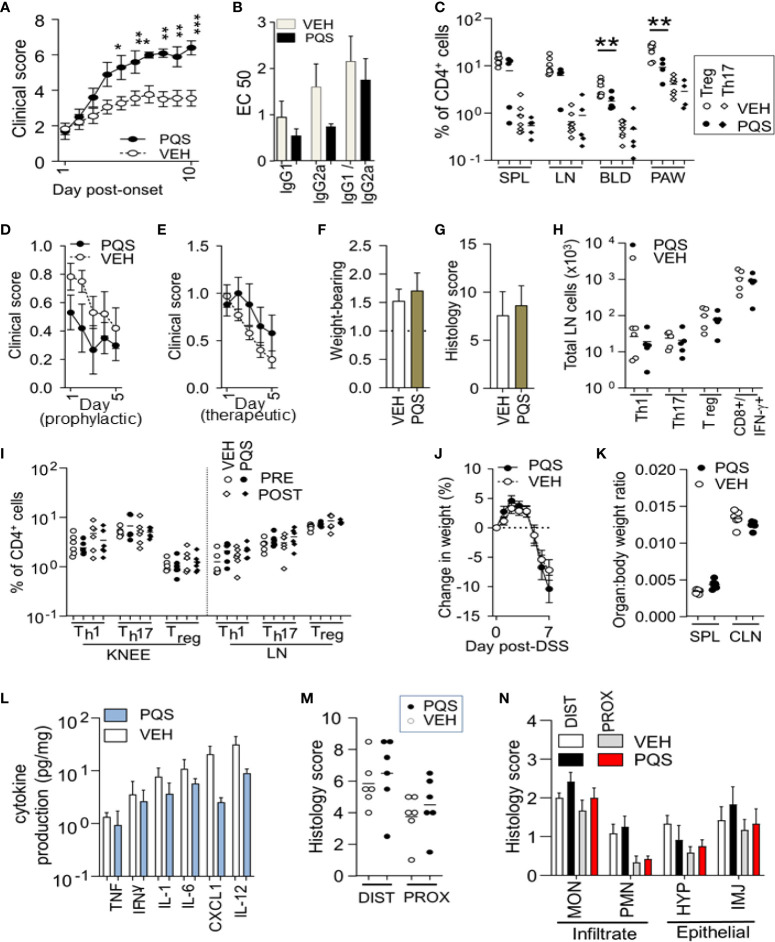
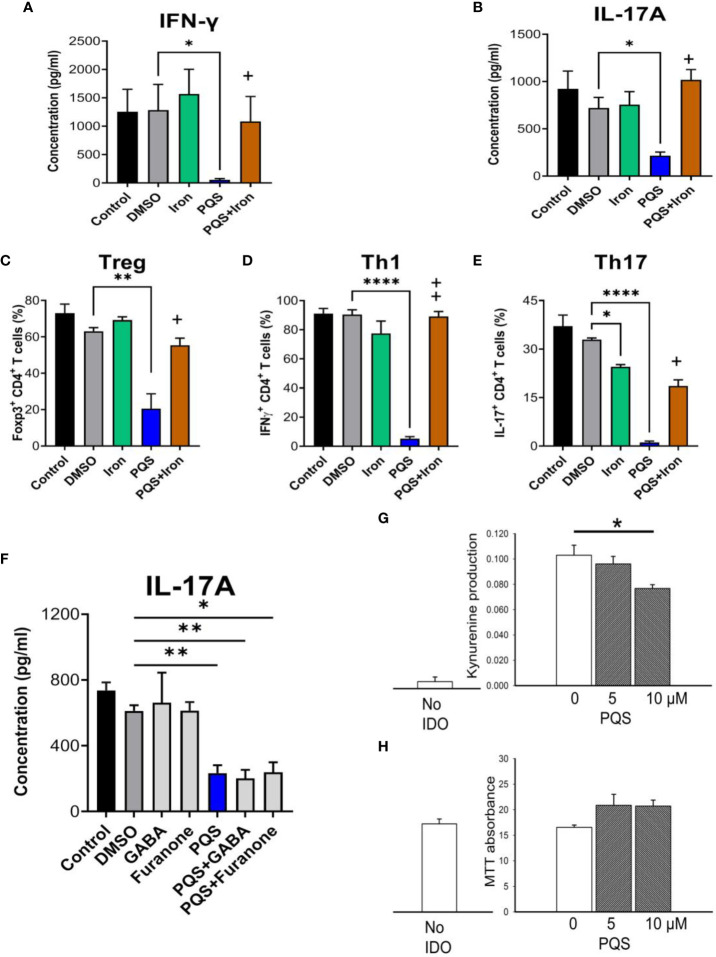
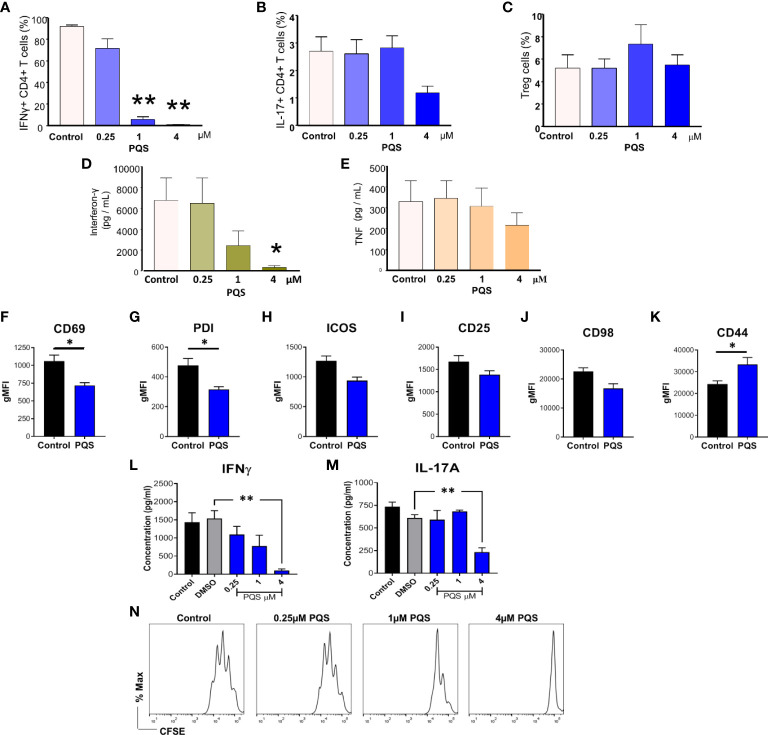
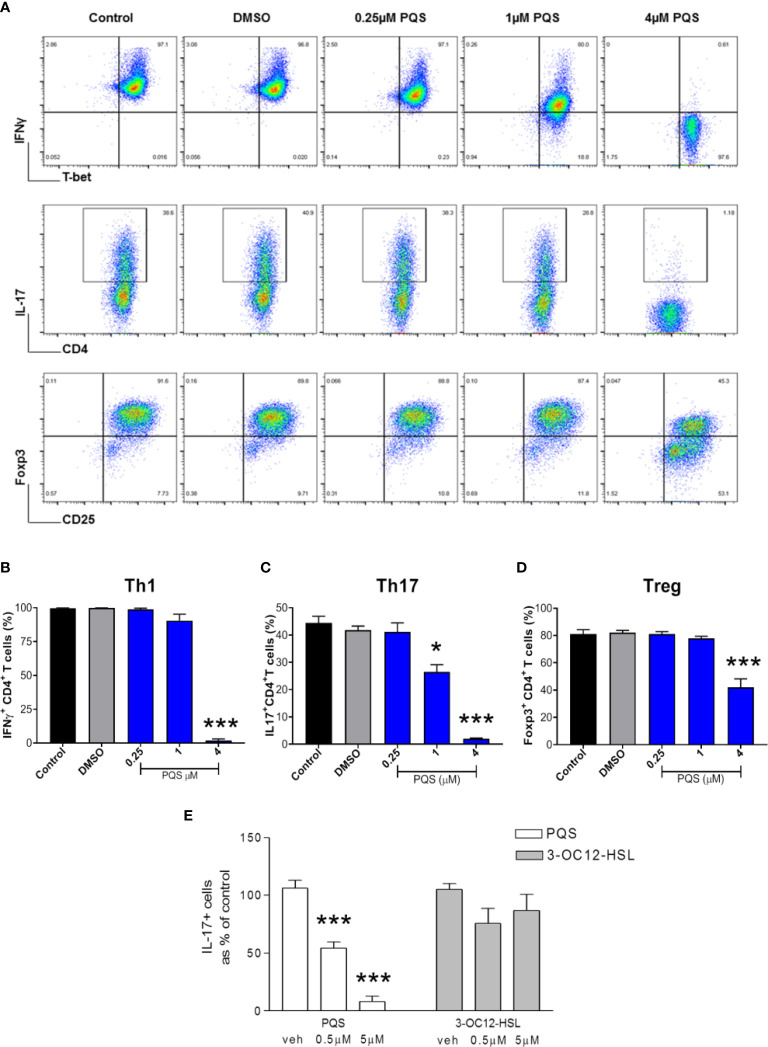
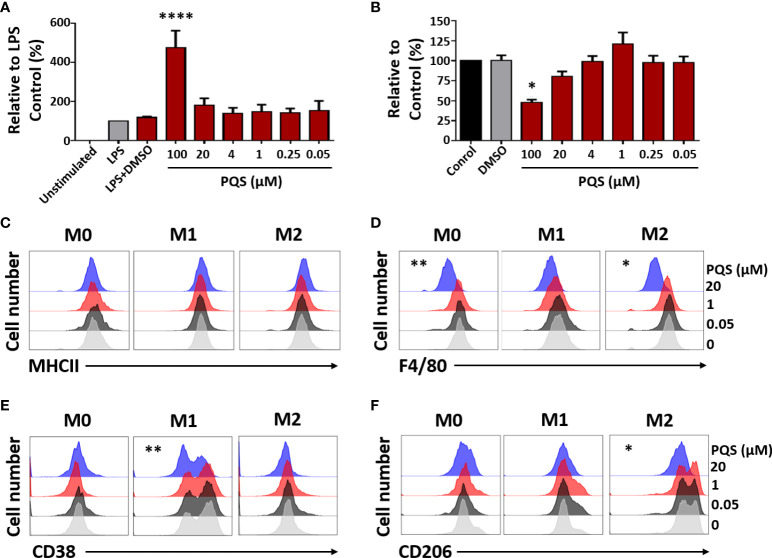
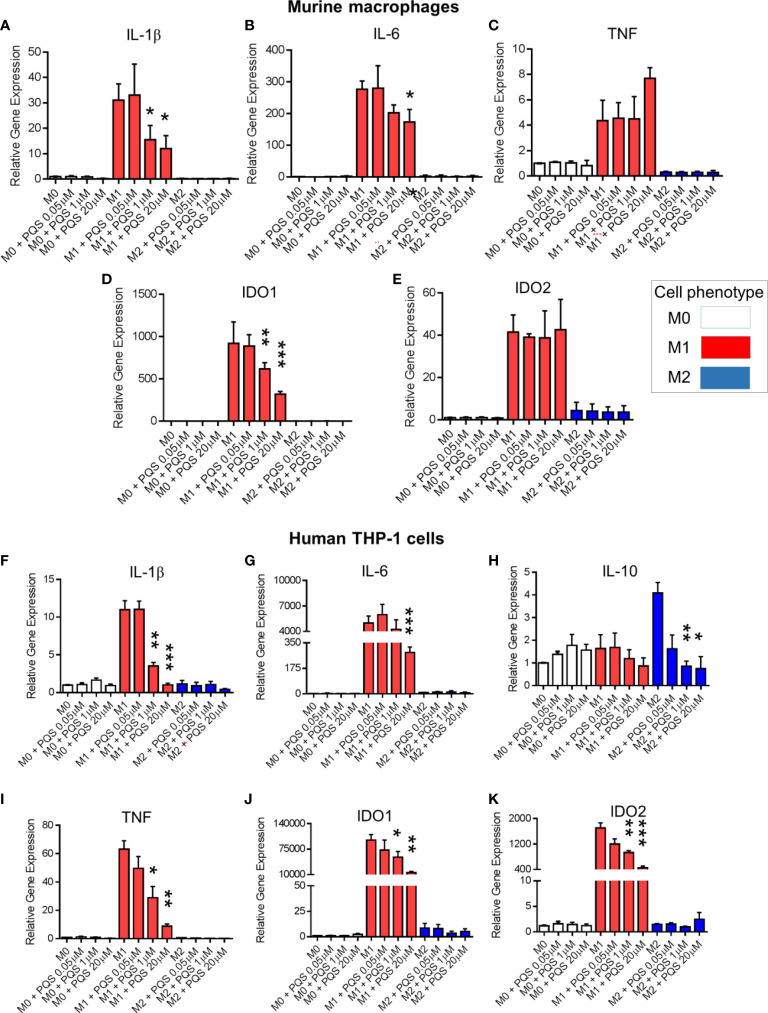
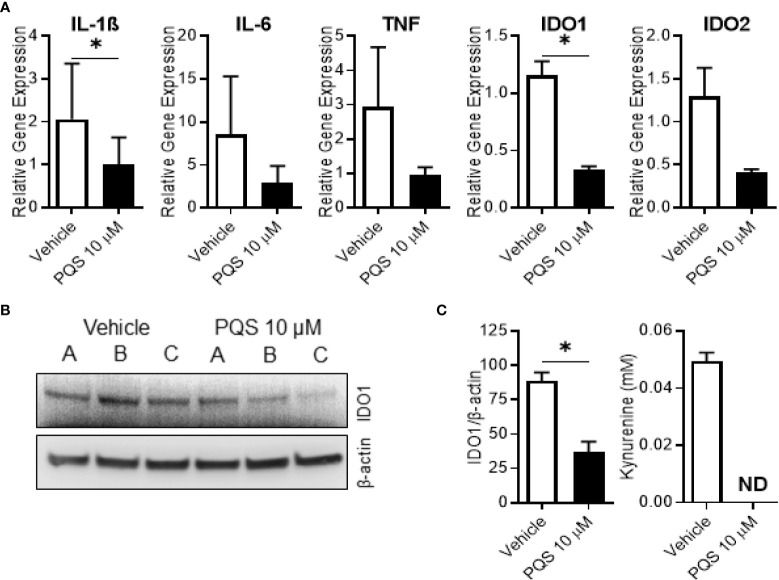
Many invasive micro-organisms produce 'quorum sensor' molecules which regulate colony expansion and may modulate host immune responses. We have examined the ability of Quorum Sensor (PQS) to influence cytokine expression under conditions of inflammatory stress. The administration of PQS to mice with collagen-induced arthritis (CIA) increased the severity of disease. Blood and inflamed paws from treated mice had fewer regulatory T cells (Tregs) but normal numbers of Th17 cells. However, PQS (1μM) treatment of antigen-stimulated lymph node cells from collagen-immunised mice inhibited the differentiation of CD4+IFNγ cells, with less effect on CD4+IL-17+ cells and no change in CD4+FoxP3Tregs. PQS also inhibited T cell activation by anti-CD3/anti-CD28 antibodies. PQS reduced murine macrophage polarisation and inhibited expression of IL1B and IL6 genes in murine macrophages and human THP-1 cells. In human monocyte-derived macrophages, IDO1 gene, protein and enzyme activity were all inhibited by exposure to PQS. TNF gene expression was inhibited in THP-1 cells but not murine macrophages, while LPS-induced TNF protein release was increased by high PQS concentrations. PQS is known to have iron scavenging activity and its suppression of cytokine release was abrogated by iron supplementation. Unexpectedly, PQS decreased the expression of indoleamine-2, 3-dioxygenase genes (IDO1 and IDO2), IDO1 protein expression and enzyme activity in mouse and human macrophages. This is consistent with evidence that IDO1 inhibition or deletion exacerbates arthritis, while kynurenine reduces its severity. It is suggested that the inhibition of IDO1 and cytokine expression may contribute to the quorum sensor and invasive actions of PQS.
许多侵袭性微生物会产生“群体感应”分子,调节菌落的扩张,并可能调节宿主的免疫反应。我们研究了 Quorum Sensor(PQS)在炎症应激条件下影响细胞因子表达的能力。将 PQS 给予胶原诱导性关节炎(CIA)小鼠,可加重疾病的严重程度。来自治疗小鼠的血液和发炎的爪子中调节性 T 细胞(Tregs)减少,但 Th17 细胞数量正常。然而,PQS(1μM)处理胶原免疫小鼠的抗原刺激淋巴结细胞,抑制 CD4+IFNγ 细胞的分化,对 CD4+IL-17+细胞的影响较小,对 CD4+FoxP3Tregs 没有变化。PQS 还抑制抗 CD3/抗 CD28 抗体激活 T 细胞。PQS 减少了小鼠巨噬细胞的极化,并抑制了小鼠巨噬细胞和人 THP-1 细胞中 IL1B 和 IL6 基因的表达。在人单核细胞衍生的巨噬细胞中,PQS 暴露抑制 IDO1 基因、蛋白和酶活性。THP-1 细胞中 TNF 基因表达受抑制,但小鼠巨噬细胞不受抑制,而高 PQS 浓度增加 LPS 诱导的 TNF 蛋白释放。已知 PQS 具有铁清除活性,其对细胞因子释放的抑制作用被铁补充所消除。出乎意料的是,PQS 降低了小鼠和人巨噬细胞中吲哚胺 2,3-双加氧酶基因(IDO1 和 IDO2)、IDO1 蛋白表达和酶活性的表达。这与 IDO1 抑制或缺失可加重关节炎,而犬尿氨酸可减轻其严重程度的证据一致。这表明 IDO1 抑制和细胞因子表达的抑制可能有助于群体感应和 PQS 的侵袭作用。