Department of MRI, The First Affiliated Hospital of Zhengzhou University, Henan, Zhengzhou, China.
Department of Neurosurgery, The First Affiliated Hospital of Zhengzhou University, Zhengzhou University, Zhengzhou, Henan, China.
Mol Cancer. 2024 Oct 30;23(1):241. doi: 10.1186/s12943-024-02164-y.
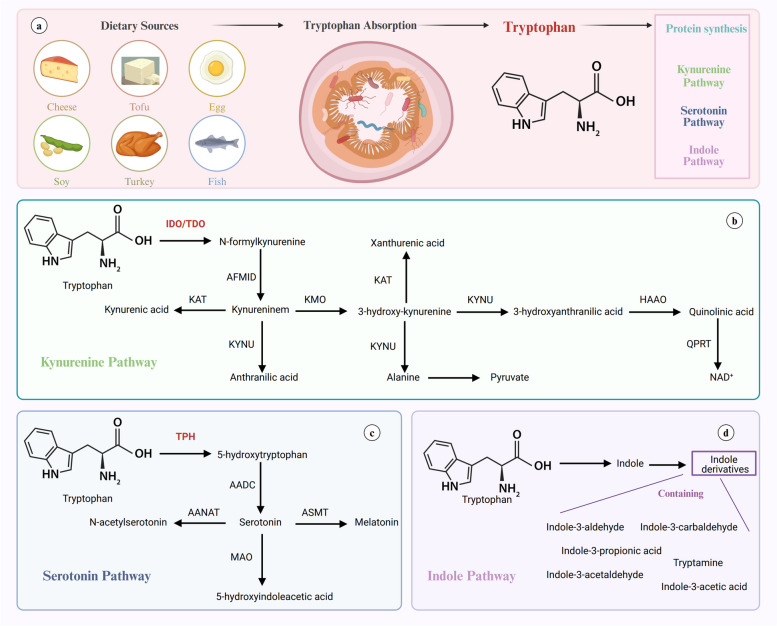
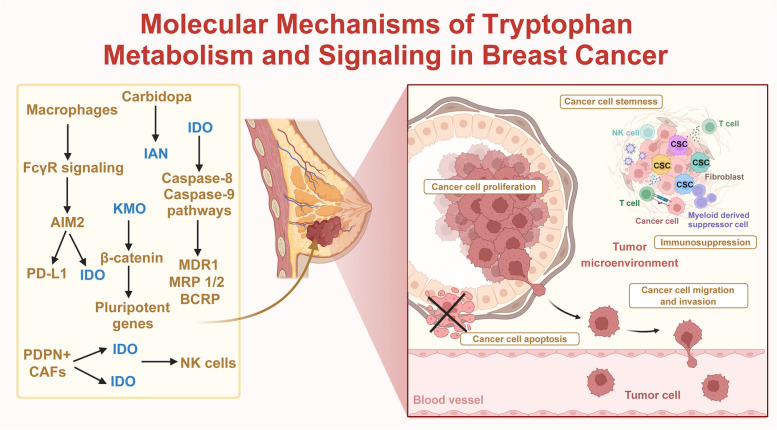
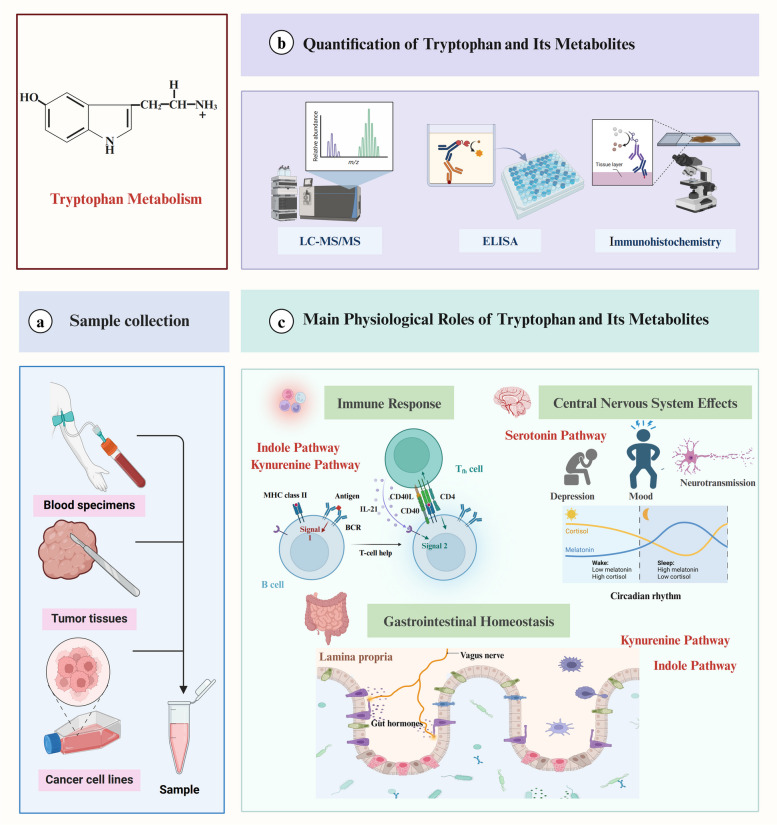
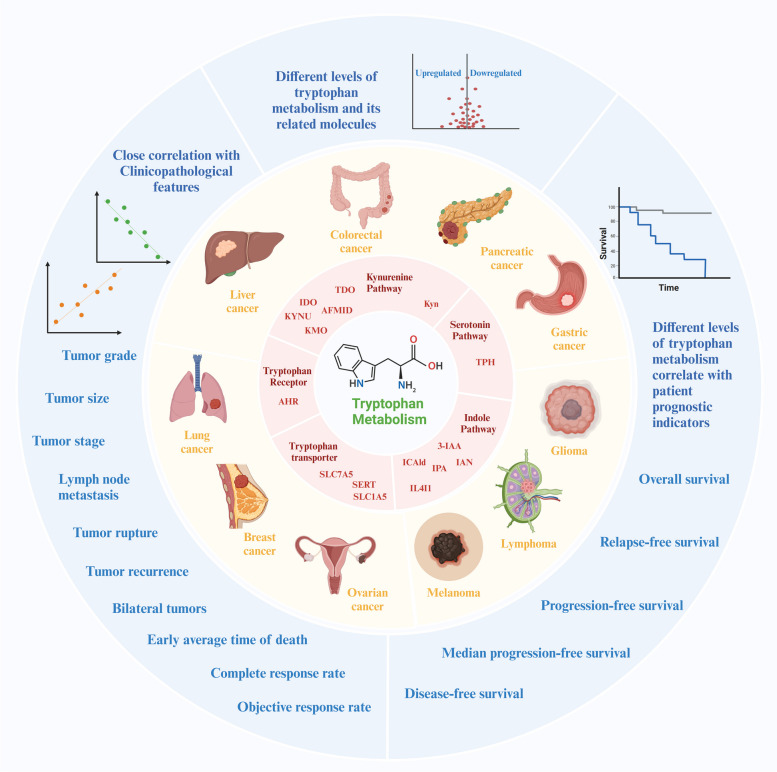
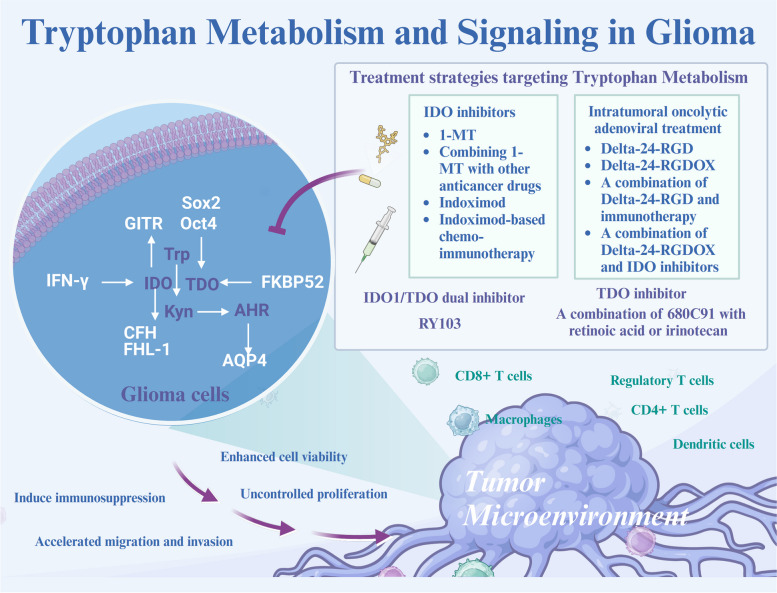
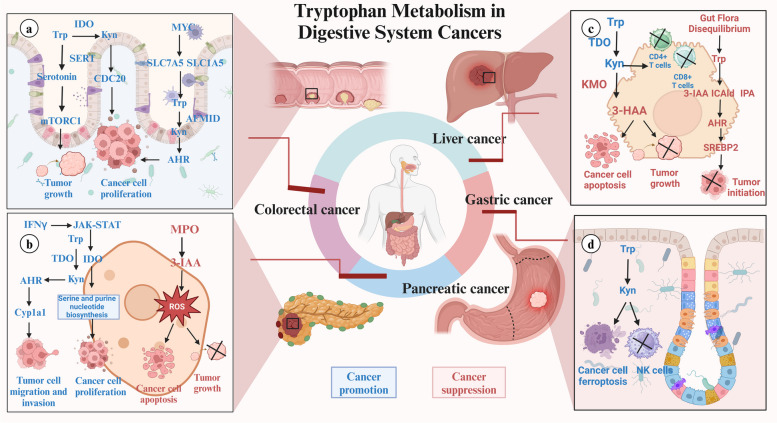
Tryptophan (Trp) metabolism involves three primary pathways: the kynurenine (Kyn) pathway (KP), the 5-hydroxytryptamine (serotonin, 5-HT) pathway, and the indole pathway. Under normal physiological conditions, Trp metabolism plays crucial roles in regulating inflammation, immunity, and neuronal function. Key rate-limiting enzymes such as indoleamine-2,3-dioxygenase (IDO), Trp-2,3-dioxygenase (TDO), and kynurenine monooxygenase (KMO) drive these metabolic processes. Imbalances in Trp metabolism are linked to various cancers and often correlate with poor prognosis and adverse clinical characteristics. Dysregulated Trp metabolism fosters tumor growth and immune evasion primarily by creating an immunosuppressive tumor microenvironment (TME). Activation of the KP results in the production of immunosuppressive metabolites like Kyn, which modulate immune responses and promote oncogenesis mainly through interaction with the aryl hydrocarbon receptor (AHR). Targeting Trp metabolism therapeutically has shown significant potential, especially with the development of small-molecule inhibitors for IDO1, TDO, and other key enzymes. These inhibitors disrupt the immunosuppressive signals within the TME, potentially restoring effective anti-tumor immune responses. Recently, IDO1 inhibitors have been tested in clinical trials, showing the potential to enhance the effects of existing cancer therapies. However, mixed results in later-stage trials underscore the need for a deeper understanding of Trp metabolism and its complex role in cancer. Recent advancements have also explored combining Trp metabolism inhibitors with other treatments, such as immune checkpoint inhibitors, chemotherapy, and radiotherapy, to enhance therapeutic efficacy and overcome resistance mechanisms. This review summarizes the current understanding of Trp metabolism and signaling in cancer, detailing the oncogenic mechanisms and clinical significance of dysregulated Trp metabolism. Additionally, it provides insights into the challenges in developing Trp-targeted therapies and future research directions aimed at optimizing these therapeutic strategies and improving patient outcomes.
色氨酸(Trp)代谢涉及三条主要途径:犬尿酸(Kyn)途径(KP)、5-羟色胺(5-HT)途径和吲哚途径。在正常生理条件下,Trp 代谢在调节炎症、免疫和神经元功能方面起着至关重要的作用。关键限速酶,如吲哚胺 2,3-双加氧酶(IDO)、色氨酸 2,3-双加氧酶(TDO)和犬尿氨酸单加氧酶(KMO),驱动这些代谢过程。Trp 代谢失衡与各种癌症有关,通常与不良预后和不利的临床特征相关。Trp 代谢失调主要通过创建免疫抑制性肿瘤微环境(TME)促进肿瘤生长和免疫逃逸。KP 的激活导致免疫抑制代谢物如 Kyn 的产生,这些代谢物通过与芳香烃受体(AHR)相互作用调节免疫反应并促进肿瘤发生。针对 Trp 代谢的治疗具有显著的潜力,特别是随着 IDO1、TDO 和其他关键酶的小分子抑制剂的开发。这些抑制剂破坏了 TME 中的免疫抑制信号,可能恢复有效的抗肿瘤免疫反应。最近,IDO1 抑制剂已在临床试验中进行了测试,显示出增强现有癌症治疗效果的潜力。然而,后期试验中的混合结果突显了需要更深入地了解 Trp 代谢及其在癌症中的复杂作用。最近的进展还探索了将 Trp 代谢抑制剂与其他治疗方法(如免疫检查点抑制剂、化疗和放疗)相结合,以增强治疗效果并克服耐药机制。本综述总结了目前对癌症中 Trp 代谢和信号的理解,详细阐述了失调的 Trp 代谢的致癌机制和临床意义。此外,还探讨了开发 Trp 靶向治疗的挑战以及未来的研究方向,旨在优化这些治疗策略并改善患者的预后。