Hajiali Sajedeh, Daneshjou Sara, Daneshjoo Somayeh
Department of Nanobiomimetic, Faculty of Advanced Sciences and Technology, Tehran Medical Sciences, Islamic Azad University, Tehran, Iran.
Department of Nanobiotechnology, Faculty of Biological Science, Tarbiat Modares University, Tehran, Iran.
AMB Express. 2022 Nov 19;12(1):145. doi: 10.1186/s13568-022-01490-y.
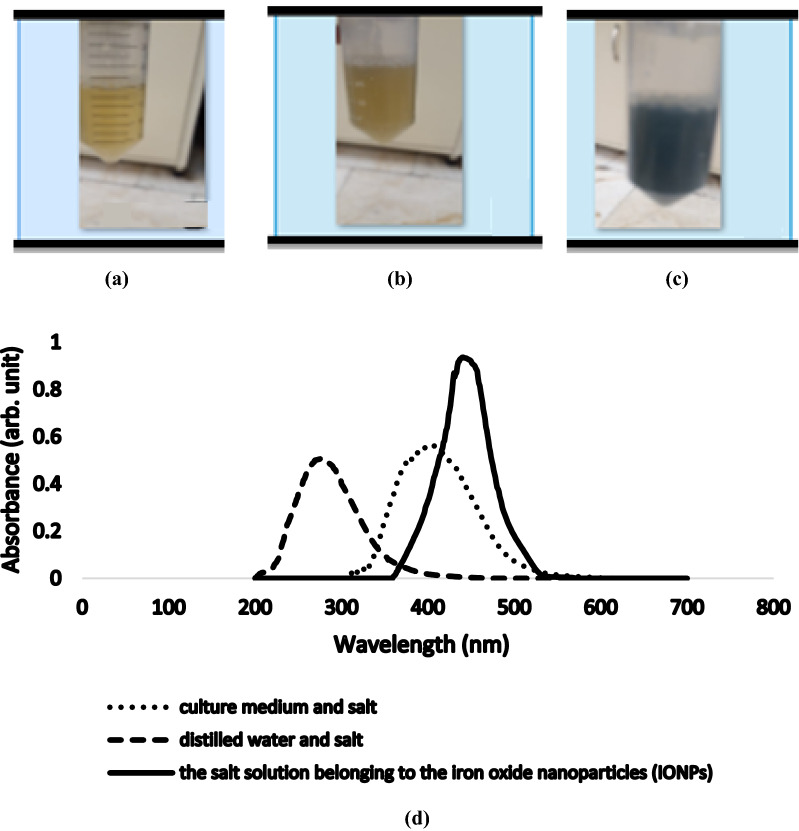
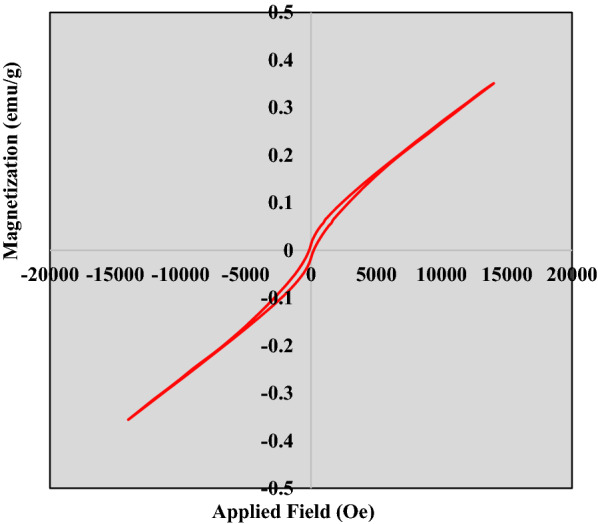
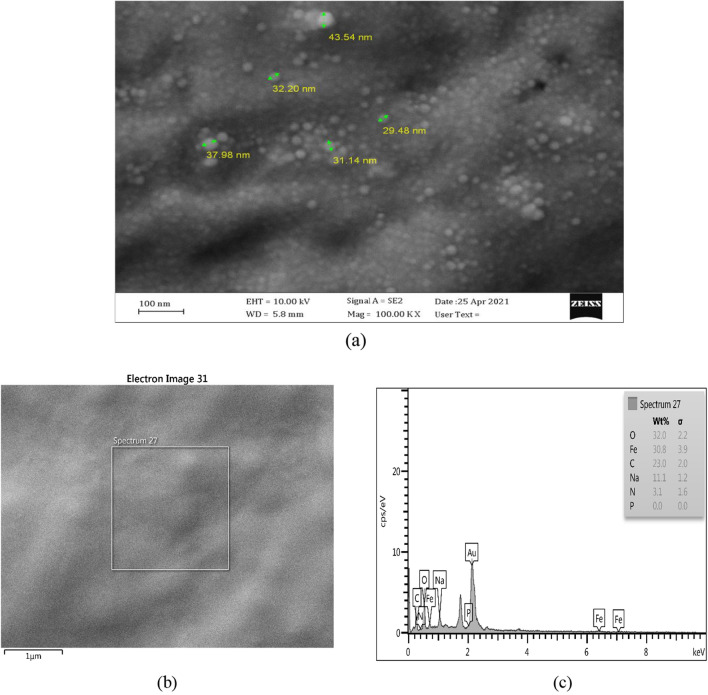
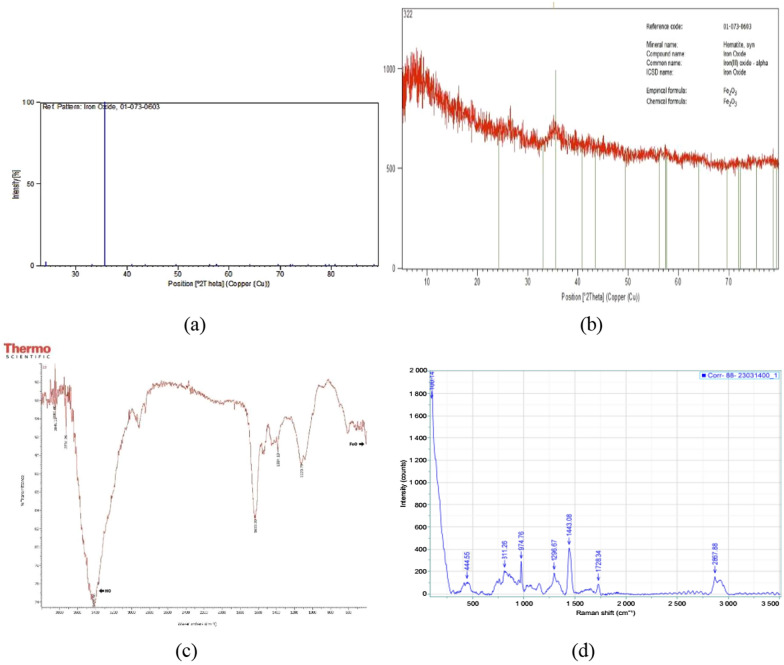
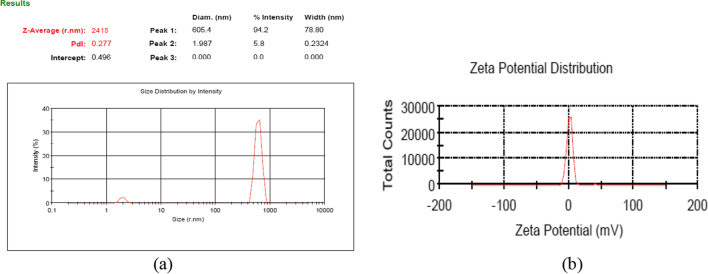
The suitable structural characteristics of magnetic nanoparticles have resulted in their widespread use in magnetic hyperthermia therapy. Moreover, they are considered a proper and operational choice for pharmaceutical nanocarriers. Using the biomimetic method, we were able to produce iron oxide magnetic nanoparticles from the bacterial source of PTCC1250, Bacillus megaterium, for therangostic diagnosis systems and targeted drug delivery. Some of the benefits of this method include mitigated environmental and biological dangers, low toxicity, high biocompatibility, cheap and short-term mass production possibilities in each synthesis round compared to other biological sources, simple equipment required for the synthesis; and the possibility of industrial-scale production. Bacillus megaterium is a magnetotactic bacteria (MTB) that has a magnetosome organelle capable of orienting based on external magnetic fields, caused by the mineralization of magnetic nanocrystals. Utilizing this capability and adding an iron nitrate solution to the bacterial suspension, we synthesized iron oxide nanoparticles. The extent of synthesis was measured using UV-visible spectrophotometry. The morphology was evaluated using FESEM. The crystallized structure was characterized using RAMAN and XRD. The size and distribution of the nanoparticles were assessed using DLS. The surface charge of the nanoparticles was measured using zeta potential. The synthesis of iron oxide nanoparticles was confirmed using FT-IR, and the magnetic property was measured using VSM. This study is continued to identify industrial and clinical applications.
磁性纳米颗粒合适的结构特性使其在磁热疗中得到广泛应用。此外,它们被认为是药物纳米载体的合适且可行的选择。通过仿生方法,我们能够从PTCC1250的细菌来源巨大芽孢杆菌中生产氧化铁磁性纳米颗粒,用于治疗诊断系统和靶向药物递送。与其他生物来源相比,该方法的一些优点包括减轻环境和生物危害、低毒性、高生物相容性、每次合成轮次中廉价且短期的大规模生产可能性、合成所需设备简单以及工业规模生产的可能性。巨大芽孢杆菌是一种趋磁细菌(MTB),具有磁小体细胞器,能够基于由磁性纳米晶体矿化引起的外部磁场进行定向。利用这种能力并向细菌悬浮液中添加硝酸铁溶液,我们合成了氧化铁纳米颗粒。使用紫外可见分光光度法测量合成程度。使用场发射扫描电子显微镜(FESEM)评估形态。使用拉曼光谱(RAMAN)和X射线衍射(XRD)表征结晶结构。使用动态光散射(DLS)评估纳米颗粒的尺寸和分布。使用zeta电位测量纳米颗粒的表面电荷。使用傅里叶变换红外光谱(FT-IR)确认氧化铁纳米颗粒的合成,并使用振动样品磁强计(VSM)测量磁性。本研究继续以确定工业和临床应用。