Ratliff Katherine M, Oudejans Lukas, Archer John, Calfee Worth, Gilberry Jerome U, Hook David Adam, Schoppman William E, Yaga Robert W, Brooks Lance, Ryan Shawn
Center for Environmental Solutions and Emergency Response, Office of Research and Development, U.S. Environmental Protection Agency, Research Triangle Park, NC, USA.
Jacobs Technology Inc., Research Triangle Park, NC, USA.
Build Environ. 2023 Jan;227:109804. doi: 10.1016/j.buildenv.2022.109804. Epub 2022 Nov 12.
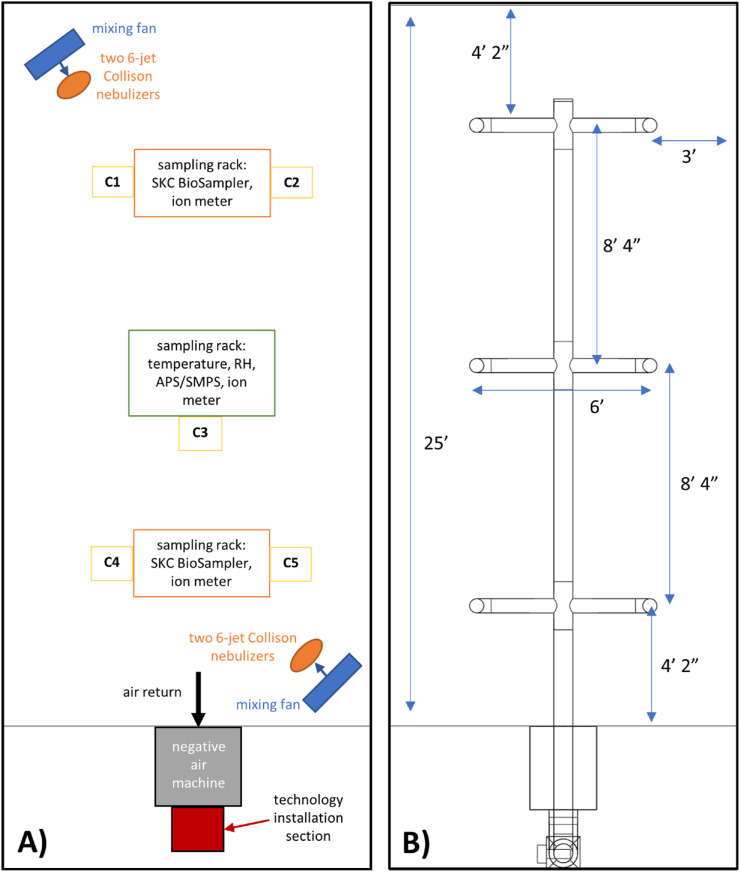
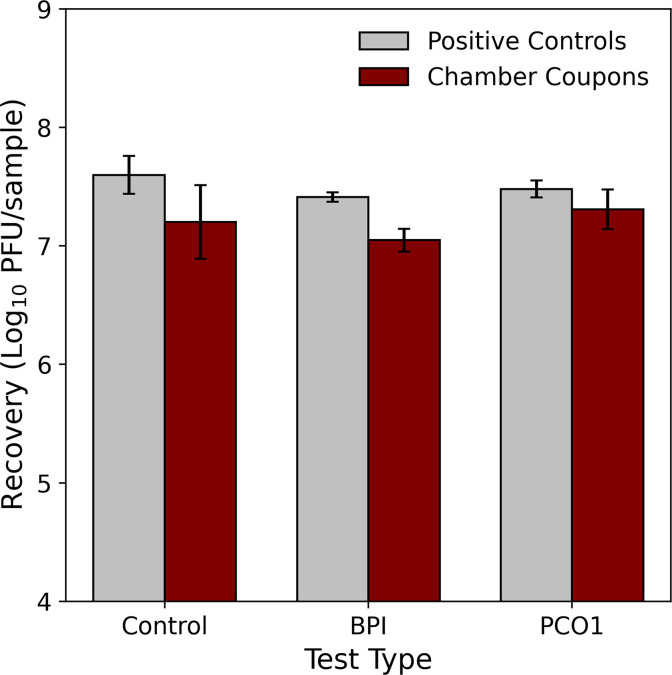
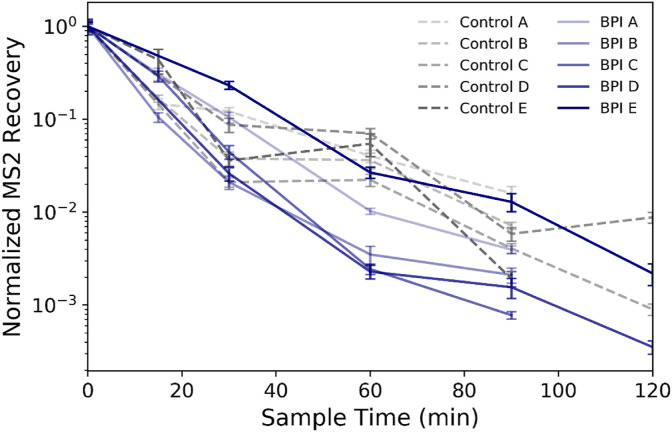
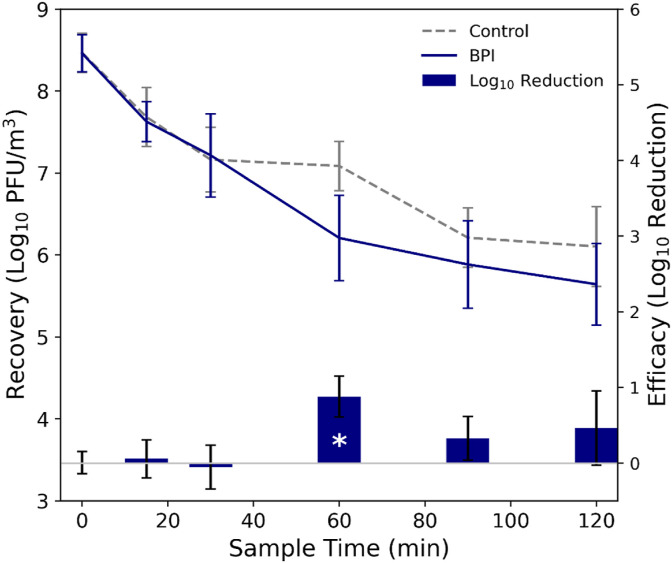
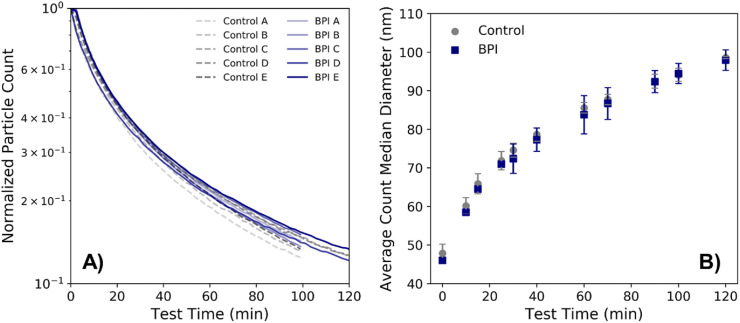
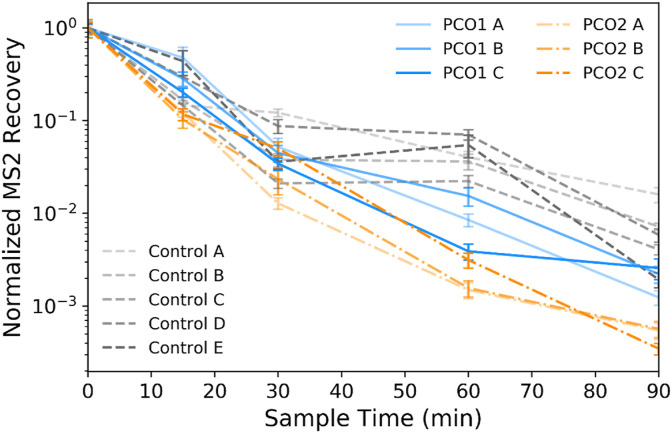
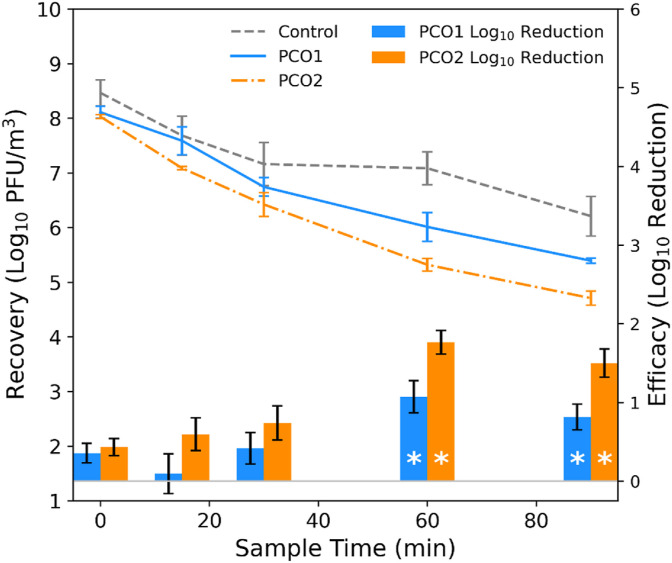
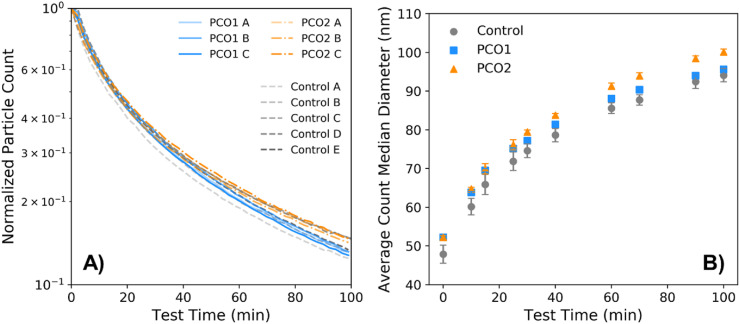
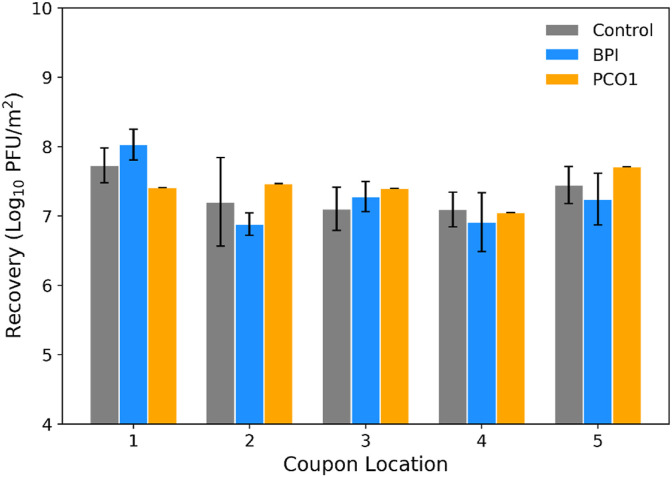
The COVID-19 pandemic has raised awareness in the spread of disease via airborne transmission. As a result, there has been increasing interest in technologies that claim to reduce concentrations of airborne pathogens in indoor environments. The efficacy of many of these emerging technologies is not fully understood, and the testing that has been done is often conducted at a small scale and not representative of applied settings. There is currently no standard test method for evaluating air treatment technologies, making it difficult to compare results across studies or technology types. Here, a consistent testing approach in an operational-scale test chamber with a mock recirculating heating, ventilation, and air conditioning (HVAC) system was used to evaluate the efficacy of bipolar ionization and photocatalytic devices against the non-enveloped bacteriophage MS2 in the air and on surfaces. Statistically significant differences between replicate sets of technology tests and control tests (without technologies active) are apparent after 1 h, ranging to a maximum of 0.88 log reduction for the bipolar ionization tests and 1.8 log reduction for the photocatalytic device tests. It should be noted that ozone concentrations were elevated above background concentrations in the test chamber during the photocatalytic device testing. No significant differences were observed between control and technology tests in terms of the amount of MS2 deposited or inactivated on surfaces during testing. A standardized, large-scale testing approach, with replicate testing and time-matched control conditions, is necessary for contextualizing laboratory efficacy results, translating them to real-world conditions, and for facilitating technology comparisons.
新冠疫情提高了人们对疾病通过空气传播的认识。因此,人们对声称能降低室内环境中空气传播病原体浓度的技术越来越感兴趣。许多这些新兴技术的功效尚未得到充分了解,而且已进行的测试往往规模较小,不能代表实际应用场景。目前尚无评估空气处理技术的标准测试方法,这使得难以比较不同研究或不同技术类型的结果。在此,我们采用了一种在具有模拟循环加热、通风和空调(HVAC)系统的运行规模测试舱中进行的一致测试方法,以评估双极电离和光催化装置对空气中和表面的无包膜噬菌体MS2的功效。技术测试和对照测试(技术未开启)的重复组之间在1小时后出现了统计学上的显著差异,双极电离测试的最大降幅为0.88个对数,光催化装置测试的最大降幅为1.8个对数。需要注意的是,在光催化装置测试期间,测试舱内的臭氧浓度高于背景浓度。在测试过程中,对照测试和技术测试在表面上沉积或灭活的MS2数量方面未观察到显著差异。为了将实验室功效结果与实际情况相结合、将其转化为实际应用情况并促进技术比较,需要一种标准化的大规模测试方法,包括重复测试和时间匹配的对照条件。