Department of Hepatobiliary Surgery and Oncology, The First Affiliated Hospital of Guangxi Medical University, No 6 Shuangyong Road, Nanning, 530021, Guangxi, People's Republic of China.
Institute of Biophysics, Chinese Academy of Sciences, Beijing, 100101, China.
J Exp Clin Cancer Res. 2022 Nov 24;41(1):330. doi: 10.1186/s13046-022-02528-6.
Glycolysis metabolism is an attractive target for cancer therapy. Reprogramming metabolic pathways could improve the ability of metabolic inhibitors to suppress cancers with limited treatment options. The ubiquitin-proteasome system facilitates the turnover of most intracellular proteins with E3 ligase conferring the target selection and specificity. Ubiquitin protein ligase E3 component N-recognin 7 (UBR7), among the least studied E3 ligases, recognizes its substrate through a plant homeodomain (PHD) finger. Here, we bring into focus on its suppressive role in glycolysis and HCC tumorigenesis, dependent on its E3 ubiquitin ligase activity toward monoubiquitination of histone H2B at lysine 120 (H2BK120ub).
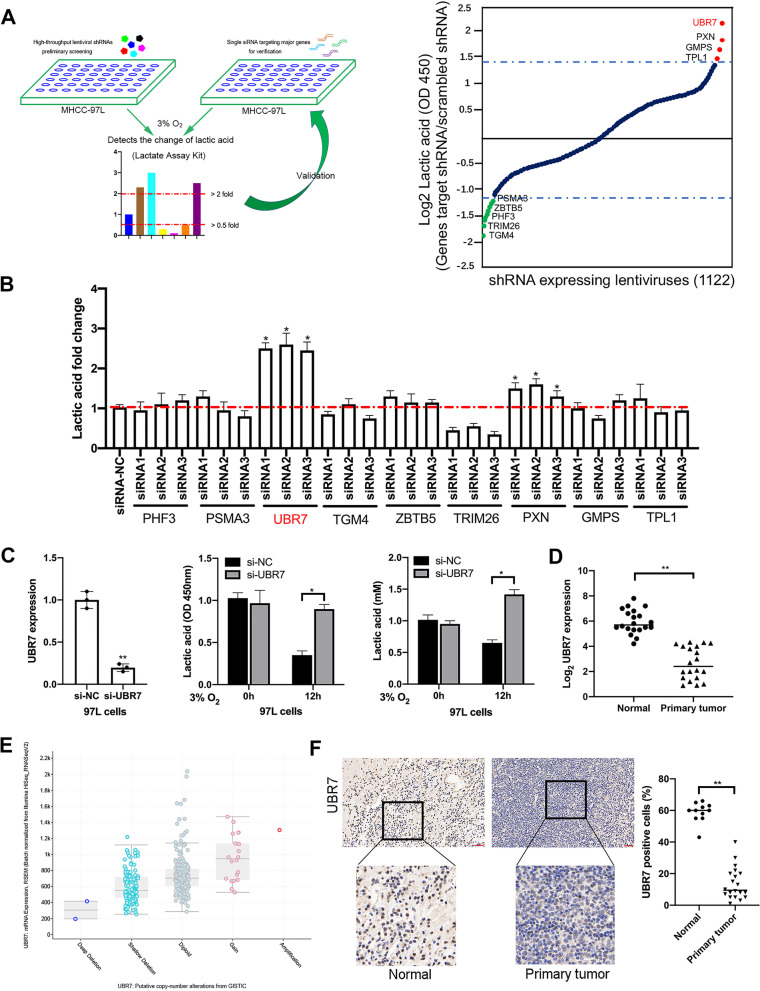
In this study, we carried out high-throughput RNAi screening to identify epigenetic candidates in regulating lactic acid and investigated its possible roles in HCC progression.
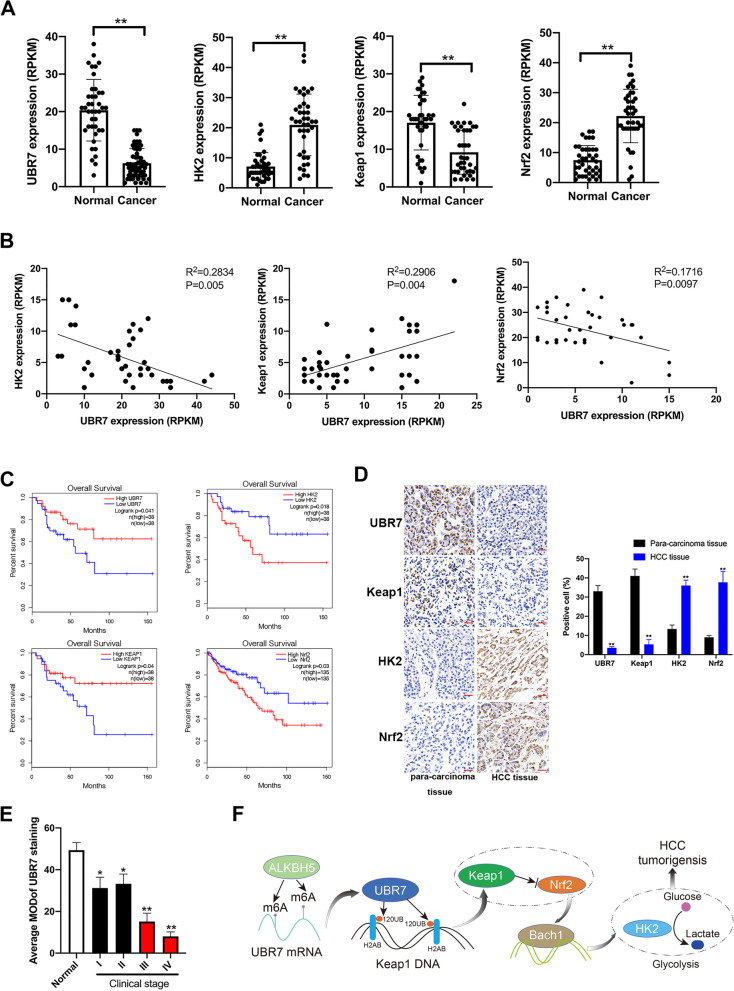
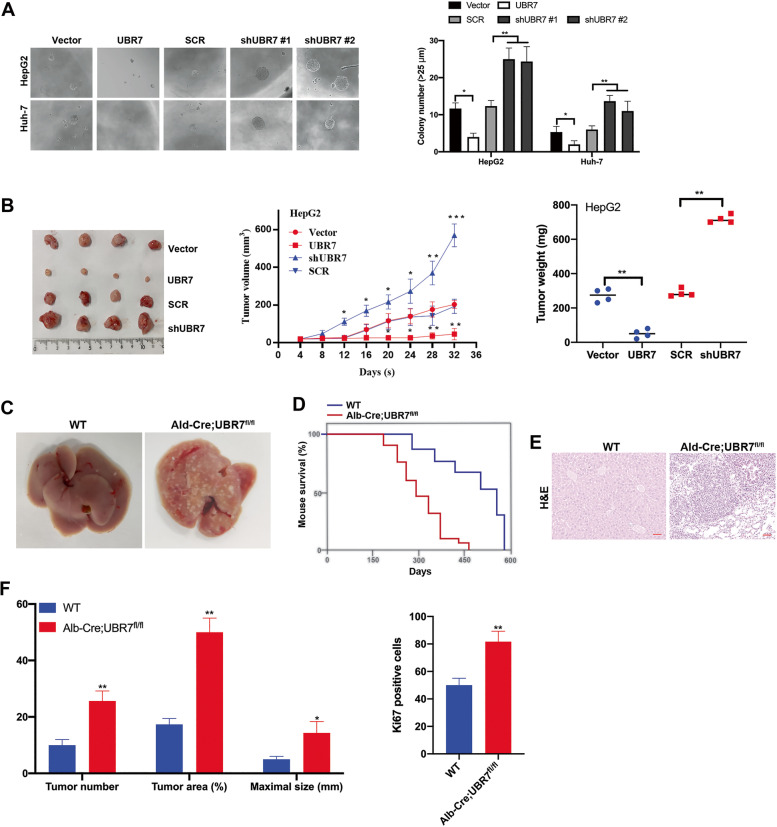
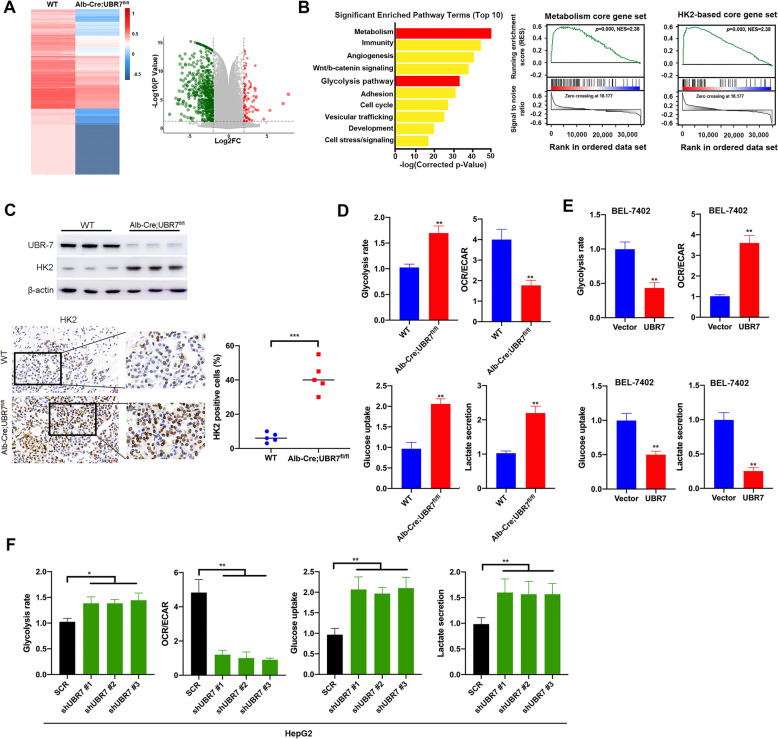
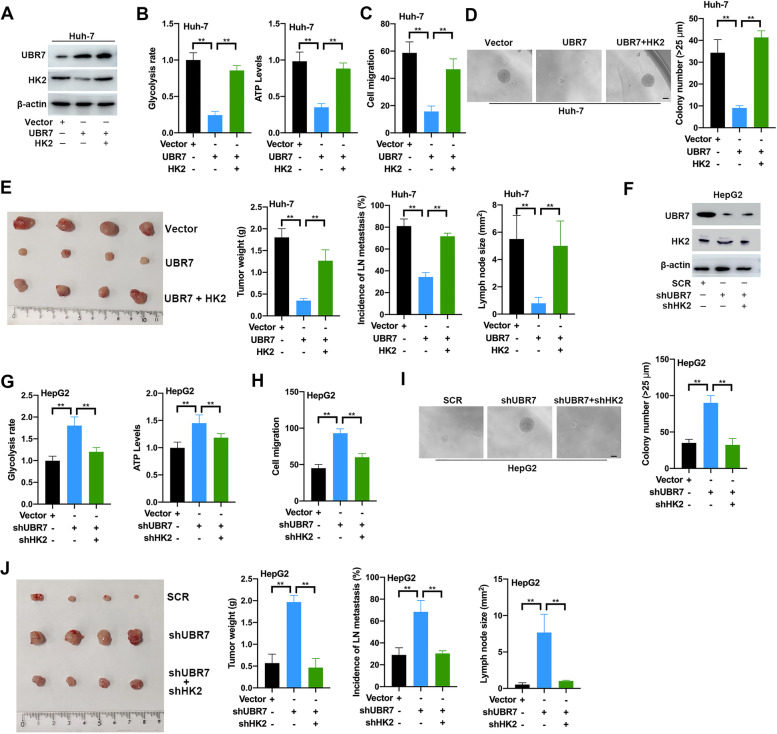
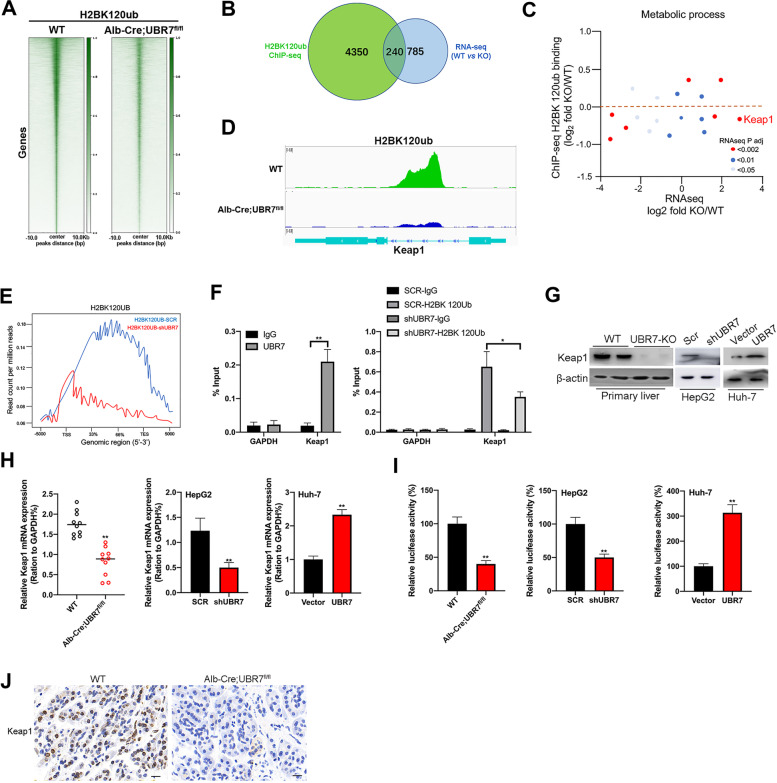
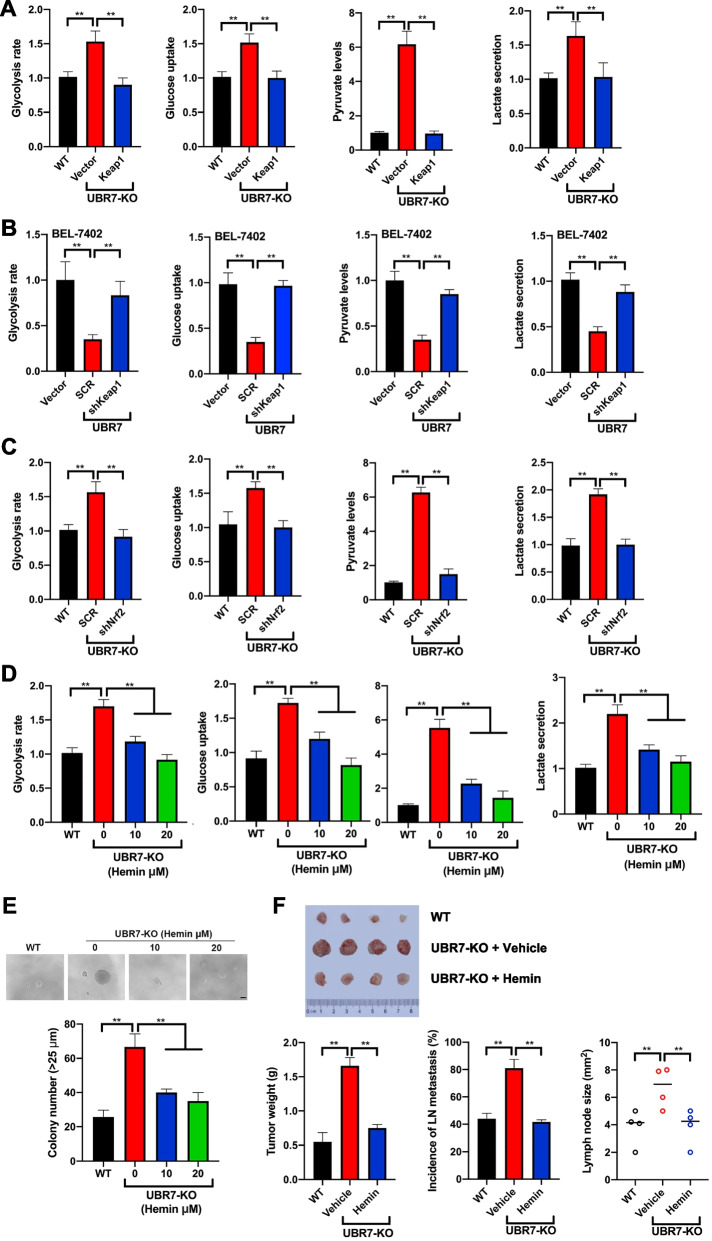
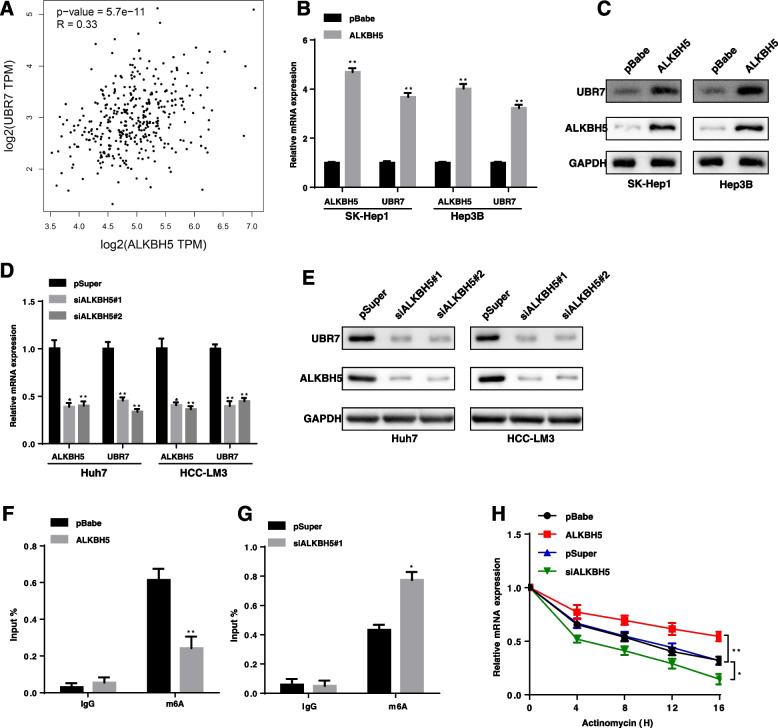
UBR7 loss promotes HCC tumorigenesis both in vitro and in vivo. UBR7 inhibits glycolysis by indirectly suppressing HK2 expression, a downstream target of Nrf2/Bach1 axis. Mechanically, UBR7 regulates H2BK120ub to bind to Keap1 promoter through H2BK120ub monoubiquitination, thereby modulating Keap1 expression and downstream Nrf2/Bach1/HK2 signaling. Pharmaceutical and genetic inhibition of glycolytic enzymes attenuate the promoting effect of UBR7 deficiency on tumor growth. In addition, methyltransferase ALKBH5, downregulated in HCC, regulated UBR7 expression in an m6A-dependent manner.
These results collectively establish UBR7 as a critical negative regulator of aerobic glycolysis and HCC tumorigenesis through regulation of the Keap1/Nrf2/Bach1/HK2 axis, providing a potential clinical and therapeutic target for the HCC treatment.
糖酵解代谢是癌症治疗的一个有吸引力的靶点。重编程代谢途径可以提高代谢抑制剂抑制治疗选择有限的癌症的能力。泛素-蛋白酶体系统促进大多数细胞内蛋白质的周转,E3 连接酶赋予靶标选择和特异性。泛素蛋白连接酶 E3 组件 N-识别蛋白 7(UBR7)是研究最少的 E3 连接酶之一,通过植物同源域(PHD)手指识别其底物。在这里,我们将重点放在其对糖酵解和 HCC 肿瘤发生的抑制作用上,这依赖于其对组蛋白 H2B 赖氨酸 120 (H2BK120ub)单泛素化的 E3 泛素连接酶活性。
在这项研究中,我们进行了高通量 RNAi 筛选,以鉴定调节乳酸的表观遗传候选物,并研究其在 HCC 进展中的可能作用。
UBR7 缺失促进体外和体内 HCC 肿瘤发生。UBR7 通过间接抑制 Nrf2/Bach1 轴的下游靶标 HK2 的表达来抑制糖酵解。机制上,UBR7 通过 H2BK120ub 单泛素化调节 H2BK120ub 与 Keap1 启动子的结合,从而调节 Keap1 表达和下游 Nrf2/Bach1/HK2 信号。糖酵解酶的药物和遗传抑制减弱了 UBR7 缺失对肿瘤生长的促进作用。此外,在 HCC 中下调的甲基转移酶 ALKBH5 以 m6A 依赖的方式调节 UBR7 的表达。
这些结果共同确立了 UBR7 作为有氧糖酵解和 HCC 肿瘤发生的关键负调控因子,通过调节 Keap1/Nrf2/Bach1/HK2 轴,为 HCC 的治疗提供了一个潜在的临床和治疗靶点。