Department of Biology, College of Science, Princess Nourah bint Abdulrahman University, P.O. Box 84428, Riyadh 11671, Saudi Arabia.
Department of Pharmaceutical Sciences, College of Pharmacy, King Saud Bin Abdulaziz University for Health Sciences, Riyadh 11481, Saudi Arabia.
Molecules. 2022 Nov 18;27(22):8014. doi: 10.3390/molecules27228014.
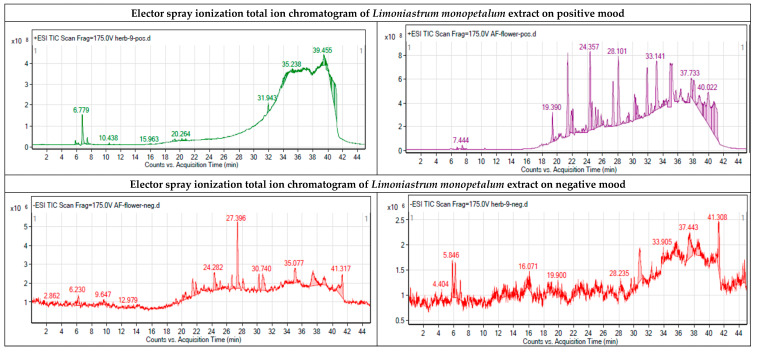
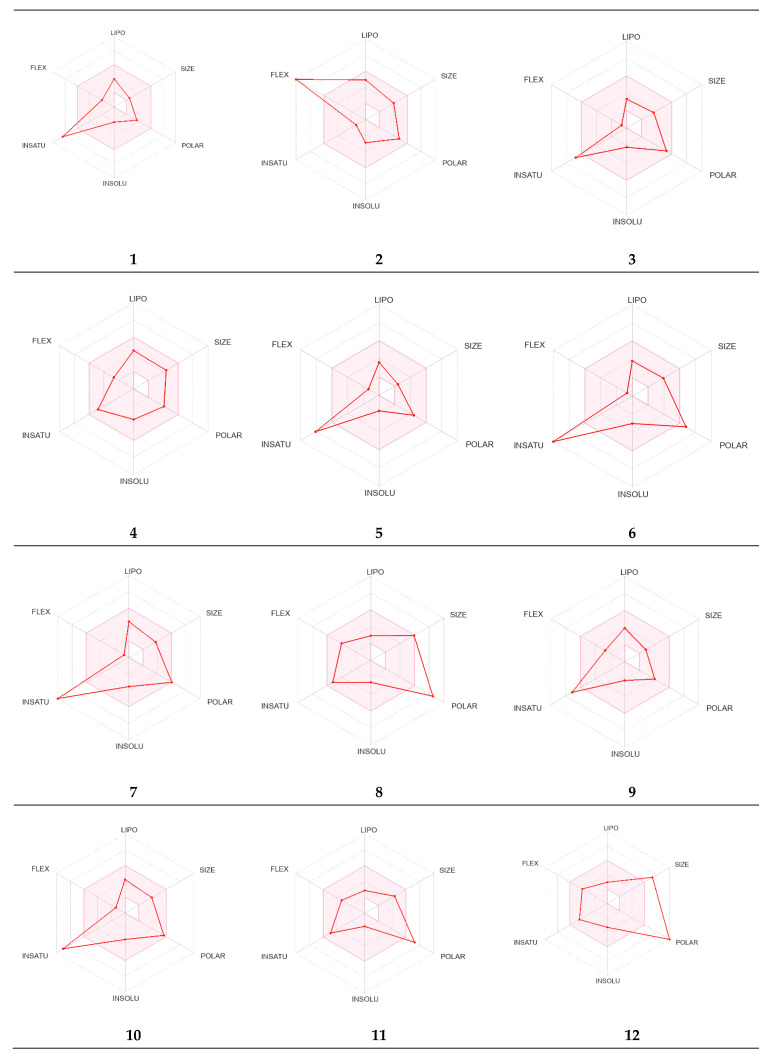
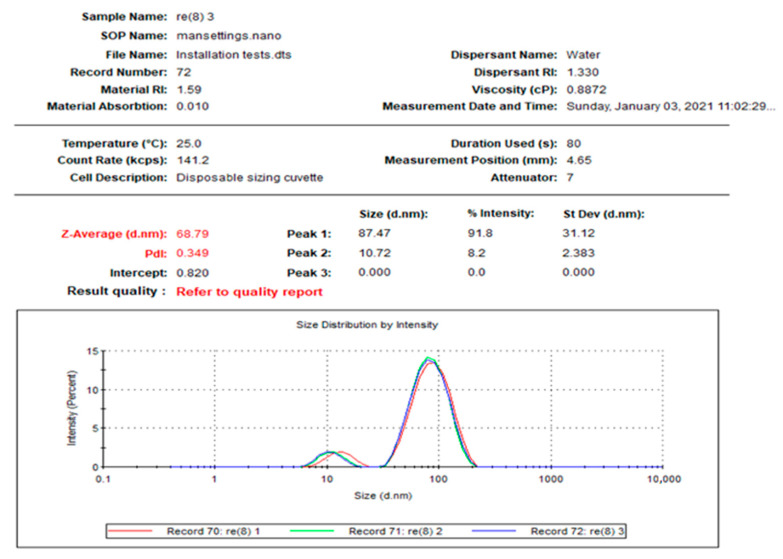
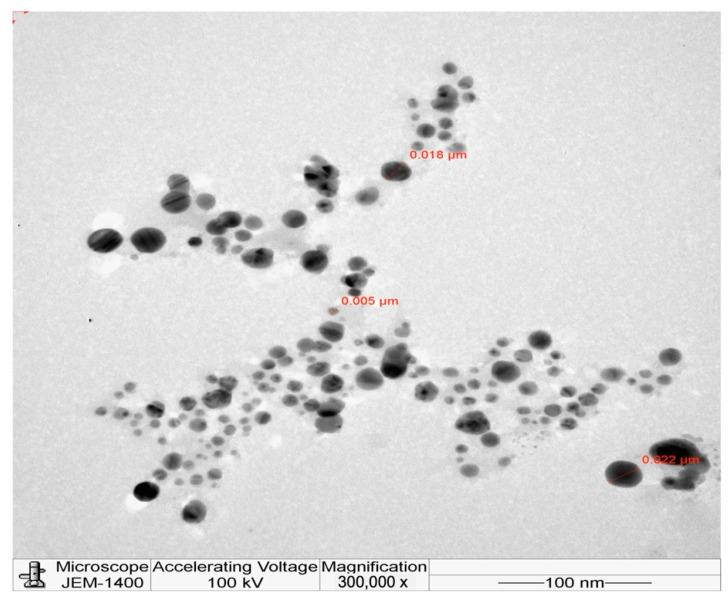
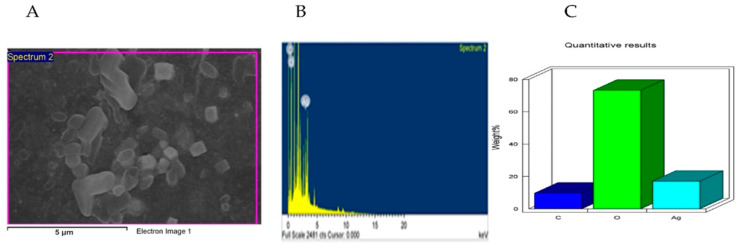
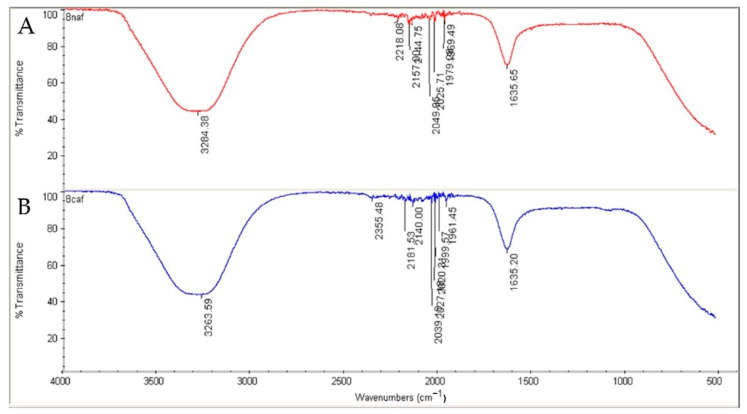
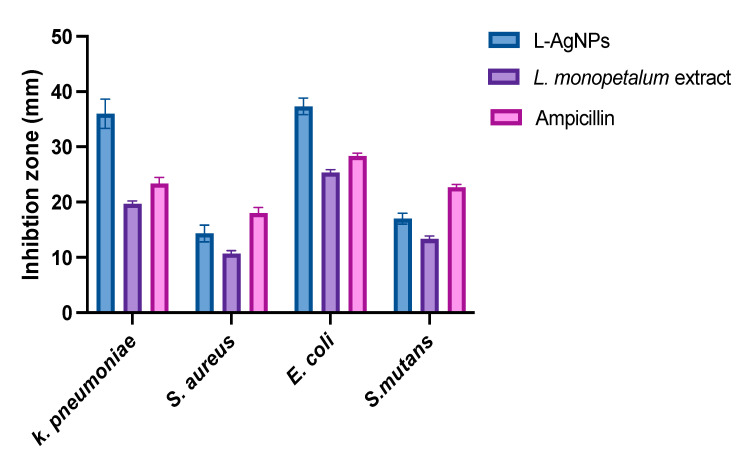
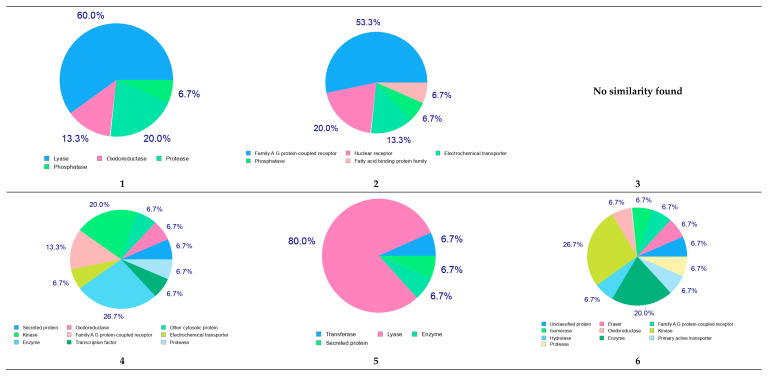
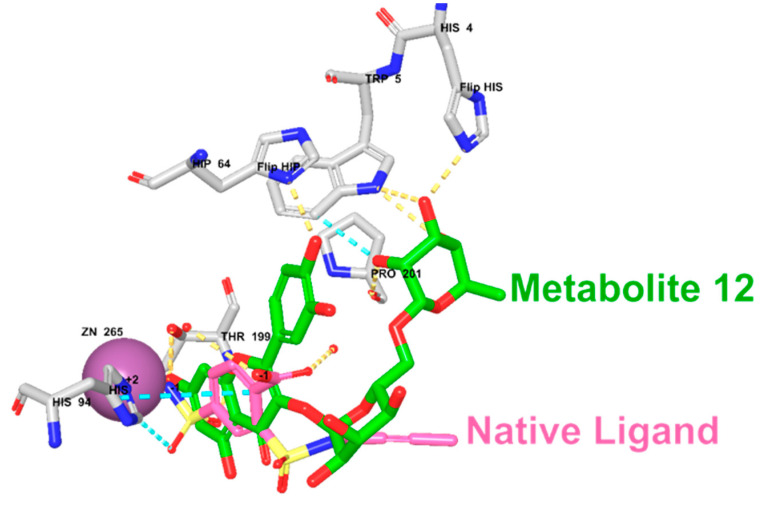
An in silico approach applying computer-simulated models helps enhance biomedicines by sightseeing the pharmacology of potential therapeutics. Currently, an in silico study combined with in vitro assays investigated the antimicrobial ability of and silver nanoparticles (AgNPs) fabricated by its aid. AgNPs mediated by were characterized using FTIR, TEM, SEM, and DLS. metabolites were detected by QTOF-LCMS and assessed using an in silico study for pharmacological properties. The antibacterial ability of an extract and AgNPs was investigated. PASS Online predictions and the swissADME web server were used for antibacterial activity and potential molecular target metabolites, respectively. Spherical AgNPs with a 68.79 nm average size diameter were obtained. Twelve biomolecules (ferulic acid, trihydroxy-octadecenoic acid, catechin, pinoresinol, gallic acid, myricetin, 6-hydroxyluteolin, 6,7-dihydroxy-5-methoxy 7-O-β-d-glucopyranoside, methyl gallate, isorhamnetin, chlorogenic acid, 2-(3,4-dihydroxyphenyl)-5,7-dihydroxy-4-oxo-4H-chromen-3-yl 6-O-(6-deoxy-β-l-mannopyranosyl)-β-d-glucopyranoside) were identified. The extract and AgNPs displayed antibacterial effects. The computational study suggested that metabolites could hold promising antibacterial activity with minimal toxicity and an acceptable pharmaceutical profile. The in silico approach indicated that metabolites 8 and 12 have the highest antibacterial activity, and swissADME web server results suggested the CA II enzyme as a potential molecular target for both metabolites. Novel therapeutic agents could be discovered using in silico molecular target prediction combined with in vitro studies. Among metabolites, metabolite 12 could serve as a starting point for potential antibacterial treatment for several human bacterial infections.
一种应用计算机模拟模型的计算方法有助于通过观察潜在治疗药物的药理学来增强生物医学。目前,一项结合体外分析的计算研究调查了 的抗菌能力和其辅助制备的银纳米粒子(AgNPs)。采用傅里叶变换红外光谱(FTIR)、透射电子显微镜(TEM)、扫描电子显微镜(SEM)和动态光散射(DLS)对 介导的 AgNPs 进行了表征。通过 QTOF-LCMS 检测 代谢物,并通过计算研究评估其药理学特性。研究了 提取物和 AgNPs 的抗菌能力。PASS Online 预测和 swissADME 网络服务器分别用于抗菌活性和潜在的分子靶标代谢物。获得了平均粒径为 68.79nm 的球形 AgNPs。鉴定出 12 种生物分子(阿魏酸、三羟基十八烯酸、儿茶素、松脂醇、没食子酸、杨梅素、6-羟基木犀草素、6,7-二羟基-5-甲氧基 7-O-β-D-吡喃葡萄糖苷、甲基没食子酸、异鼠李素、绿原酸、2-(3,4-二羟基苯基)-5,7-二羟基-4-氧代-4H-色烯-3-基 6-O-(6-去氧-β-L-吡喃甘露糖基)-β-D-吡喃葡萄糖苷)。提取物和 AgNPs 均显示出抗菌作用。计算研究表明, 代谢物可能具有有希望的抗菌活性,毒性最小,药物特性可接受。通过 swissADME 网络服务器结果表明 CA II 酶可能是这两种代谢物的潜在分子靶标。通过计算分子靶标预测与体外研究相结合,可以发现新型治疗药物。在 代谢物中,代谢物 12 可能成为几种人类细菌感染潜在抗菌治疗的起点。