Mao Linqing, Zhang Xin, Ma Jianjun, Jia Yihong
School of Architecture and Art, Shijiazhuang Tiedao University, No. 17, East North Second Ring Road, Shijiazhuang, China.
Heliyon. 2022 Nov 15;8(11):e11641. doi: 10.1016/j.heliyon.2022.e11641. eCollection 2022 Nov.
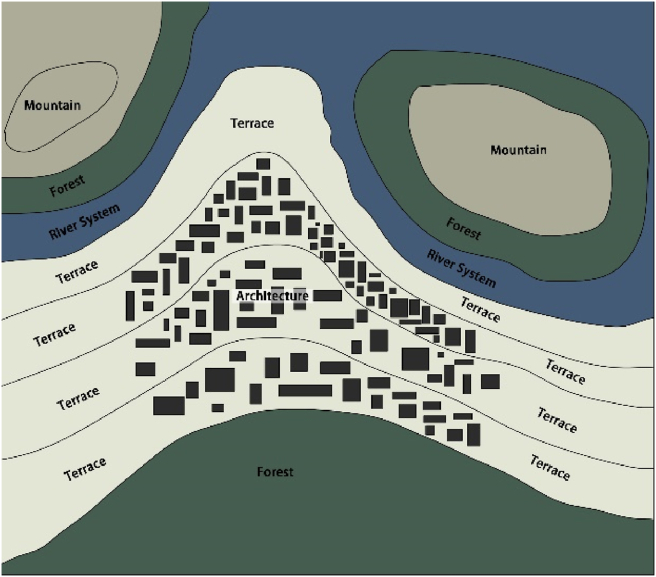
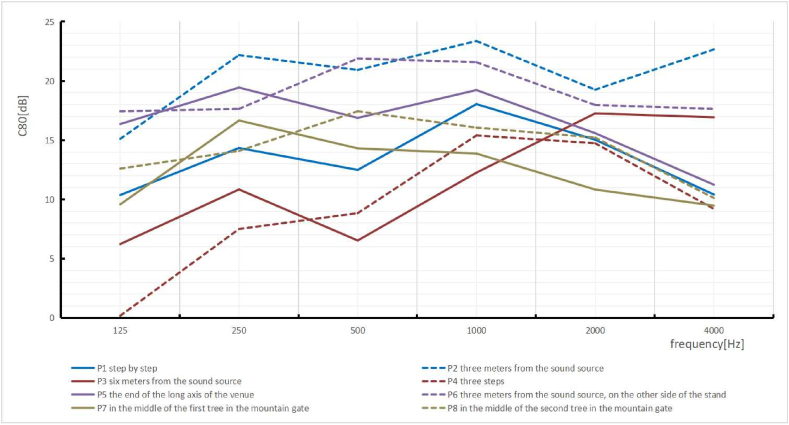
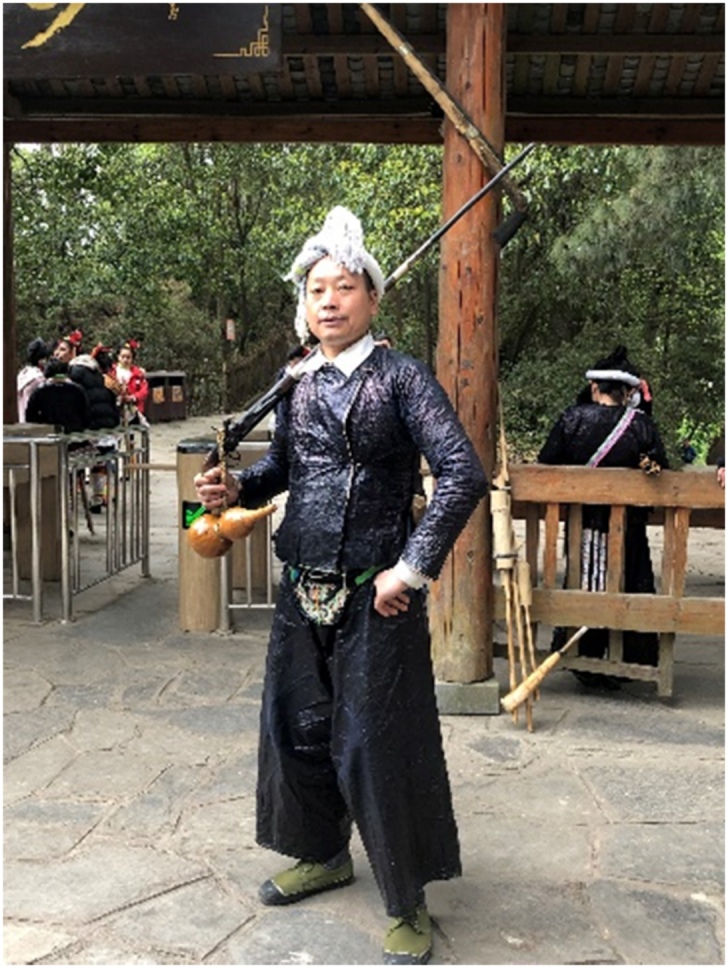
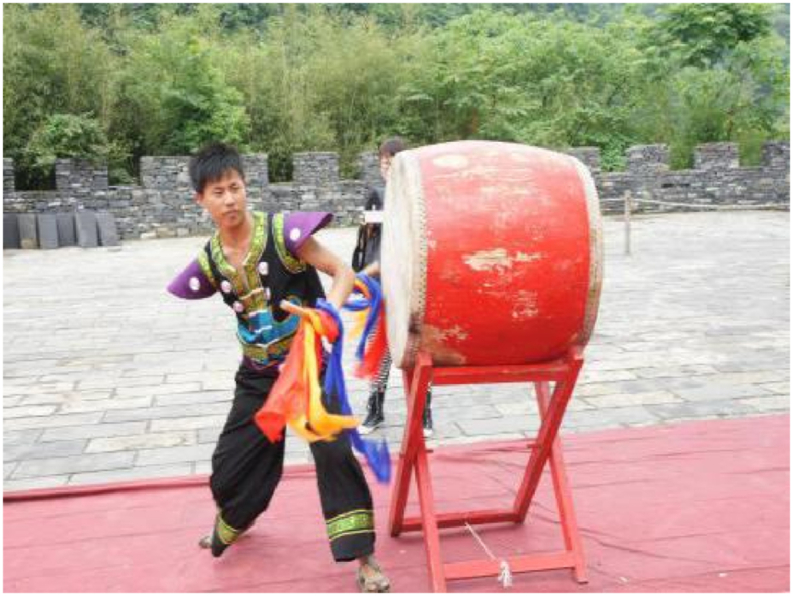
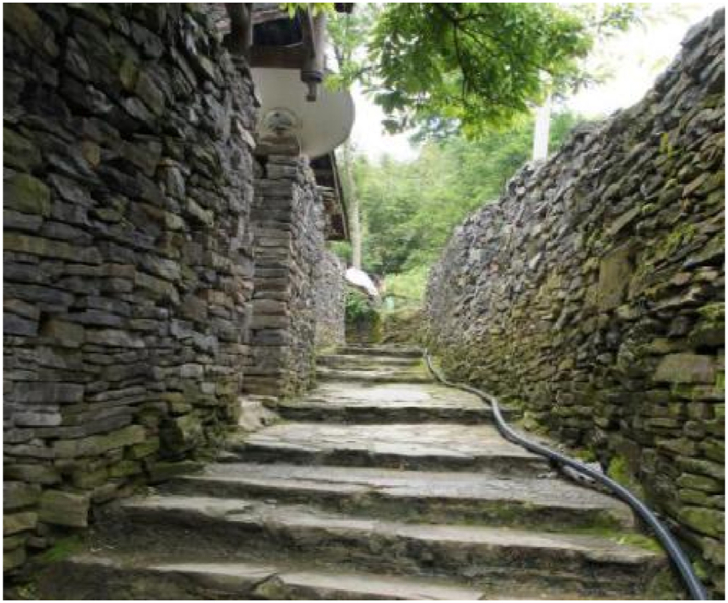
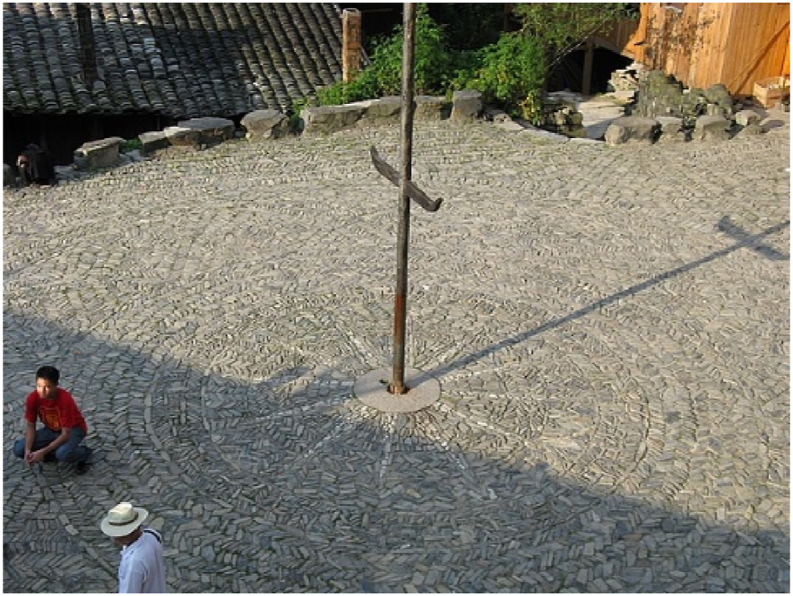
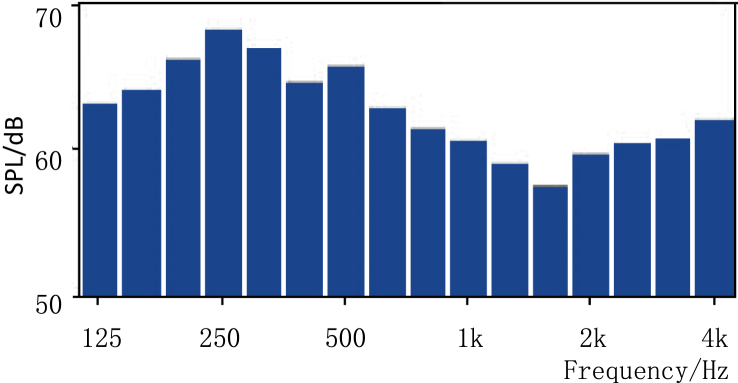
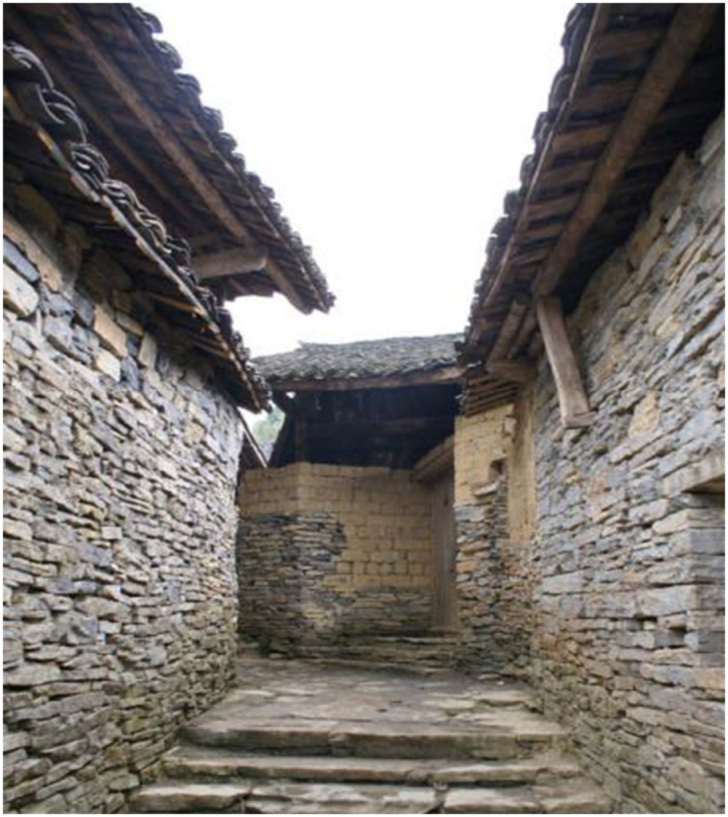
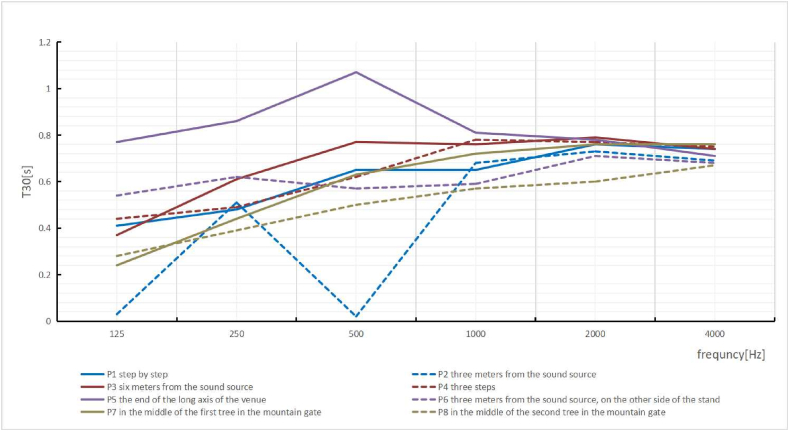
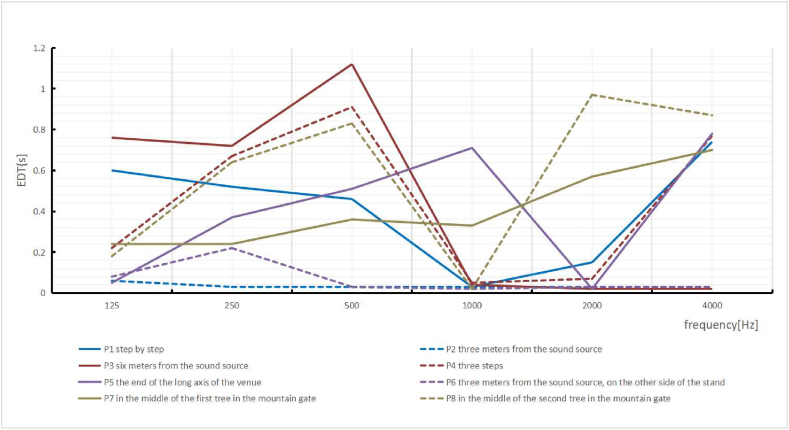
The Hmong is one of the oldest ethnic groups in south-western China, and sound plays an important role in their culture. According to the general classification of landscape science, the rural soundscape of Hmong villages is divided into three types: a point soundscape dominated by a single sound source, a line soundscape with a typical Hmong rural village alley space as the sound field interface, and an area soundscape with the Bronze-drum Square, the only open public space of Hmong nationality, as the field. Combined with a sound collection and field test during field investigation, we obtained the characteristics of various rural soundscapes and evaluated the acoustic environment. The results showed that the "point" soundscape of medium- and low-frequency powder shotgun and wooden drum sounds in the unclosed Hmong villages exceed the transmission distance and sound durability. The "line" soundscape utilizes the turning point and envelope of different spaces to increase the acoustic reflection surface and create reverberation, increasing the propagation time and distance of the sound, and emphasizing the directivity of the sound through a long and narrow space. The "surface" soundscape includes the richest medium- and high-frequency-based human voice and music sounds and medium- and low-frequency musical instrument sounds, among others. The values of T, EDT, and C80 in the sound field, all changed significantly because of the lack of acoustic reflection from the ceiling, through the top opening. Finally, the study reveals the cultural association between rural soundscape and space, which is reflected in the Hmong's "defensive" function and "group" culture. Thus, the Bronze-drum Square sound field does not meet the requirements of the current specification of cultural interpretation, and it is in the participatory Hmong performance mode, centered on drum club group structure.
苗族是中国西南部最古老的民族之一,声音在他们的文化中扮演着重要角色。根据景观科学的一般分类,苗族村寨的乡村声景分为三种类型:以单一声源为主的点状声景、以典型的苗族乡村小巷空间为声场界面的线状声景、以苗族唯一的开放公共空间铜鼓广场为场域的面状声景。结合实地调查中的声音采集和现场测试,我们得出了各类乡村声景的特征并对声学环境进行了评估。结果表明,在未封闭的苗族村寨中,中低频的粉铳声和木鼓声的“点状”声景在传播距离和声音耐久性方面表现突出。“线状”声景利用不同空间的转折点和包络来增加声学反射面并产生混响,增加声音的传播时间和距离,并通过狭长空间强调声音的指向性。“面状”声景包含最丰富的以中高频为主的人声和音乐声以及中低频乐器声等。由于通过顶部开口缺乏来自天花板的声学反射,声场中的T、EDT和C80值均发生了显著变化。最后,研究揭示了乡村声景与空间之间的文化关联,这体现在苗族的“防御”功能和“群体”文化中。因此,铜鼓广场声场不符合当前文化诠释规范的要求,它处于以鼓社群体结构为中心的参与式苗族表演模式中。