Division of Immunology, Boston Children's Hospital, Harvard Medical School, Boston, MA, USA.
Division of Rheumatology, Inflammation, and Immunity, Brigham and Women's Hospital, Harvard Medical School, Boston, MA, USA.
Nat Commun. 2022 Nov 28;13(1):6915. doi: 10.1038/s41467-022-34480-6.
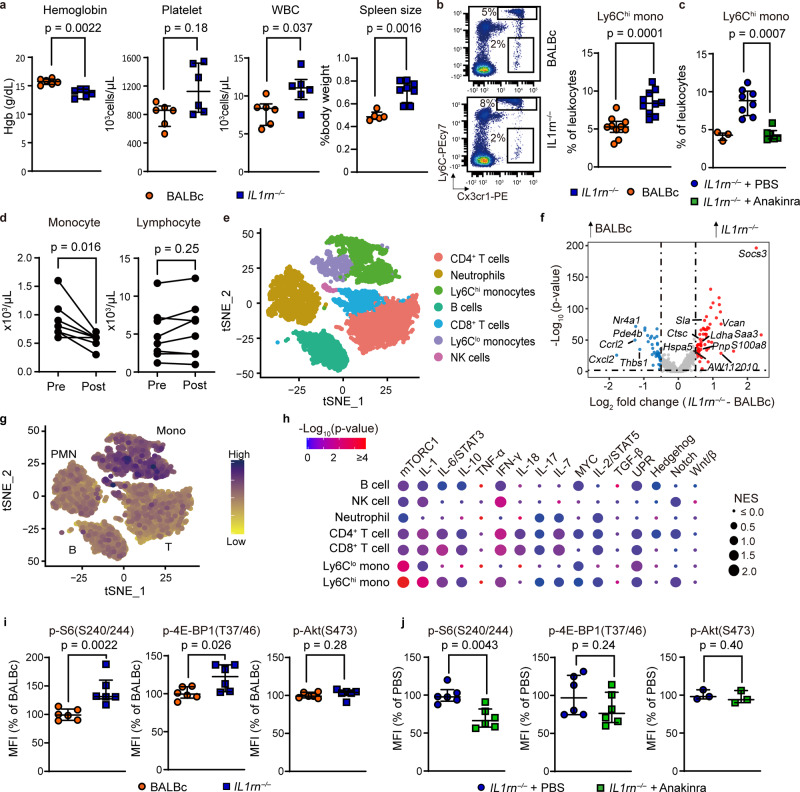
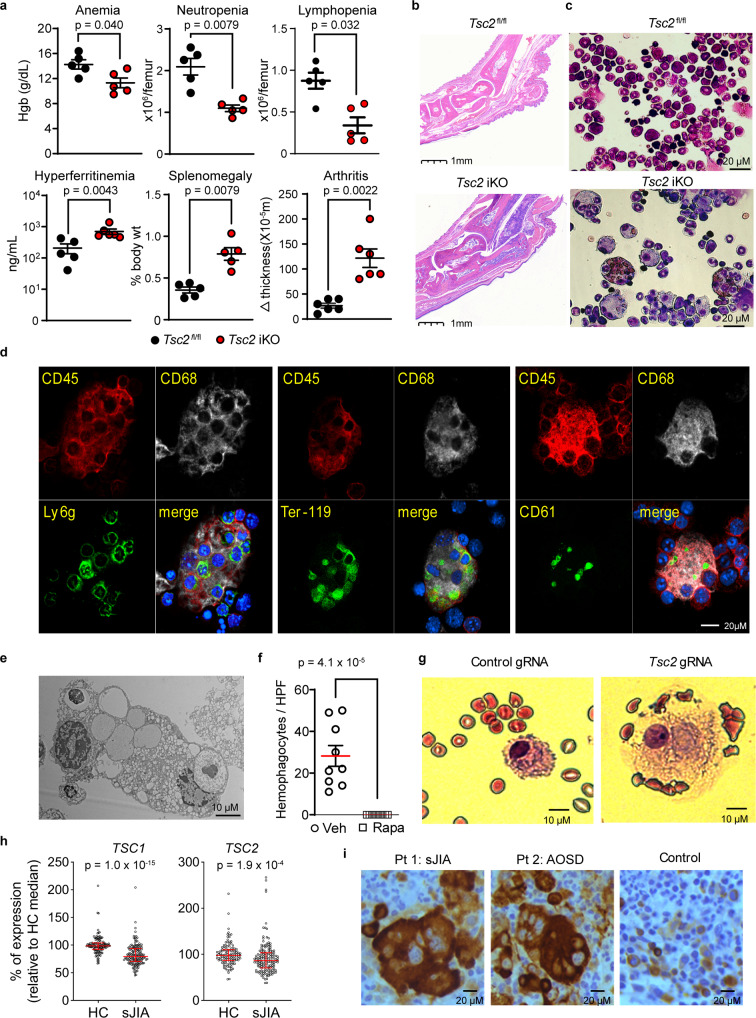
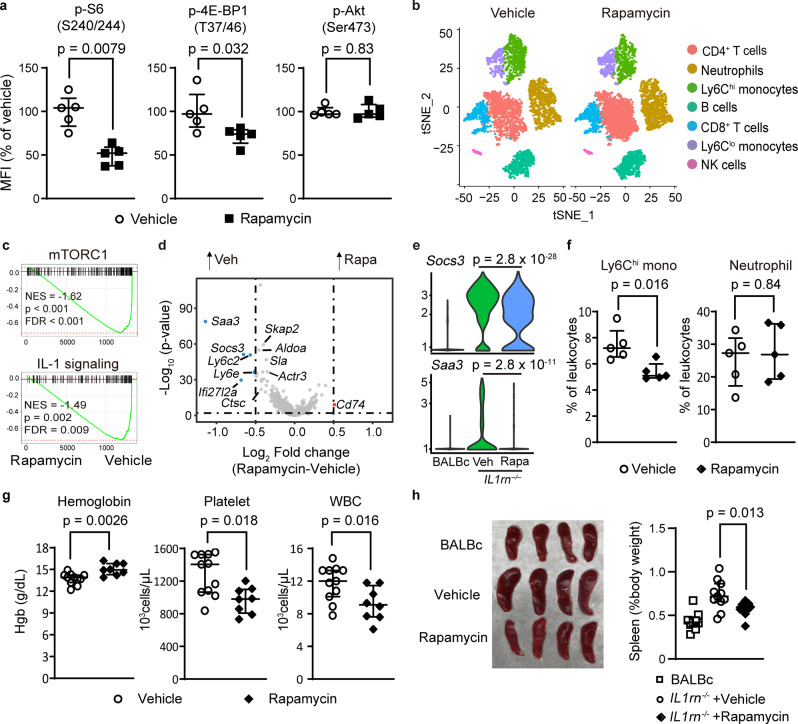
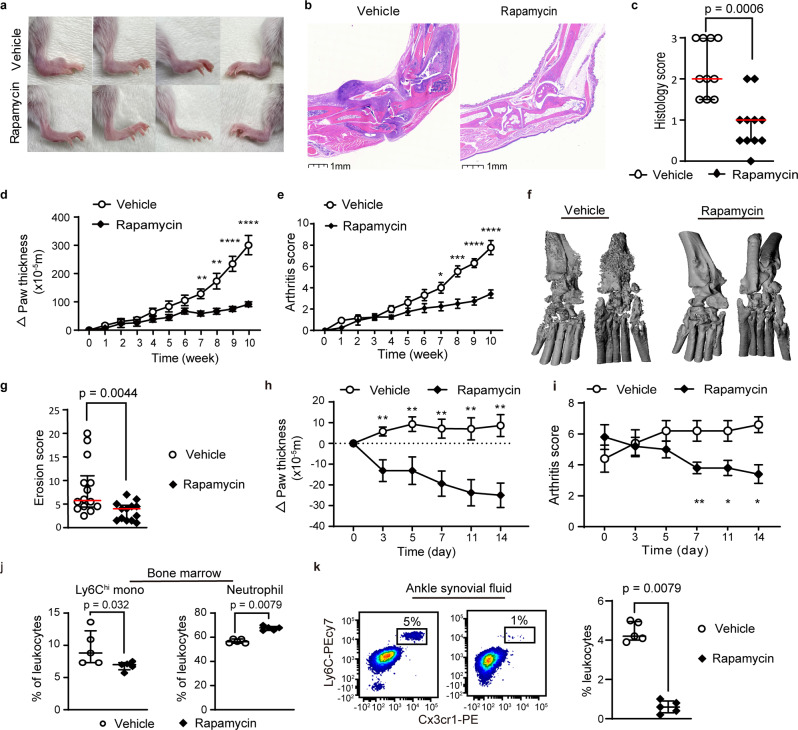
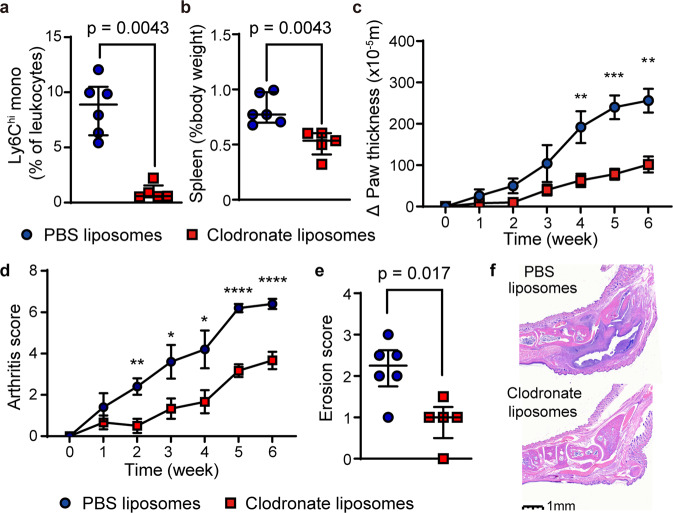
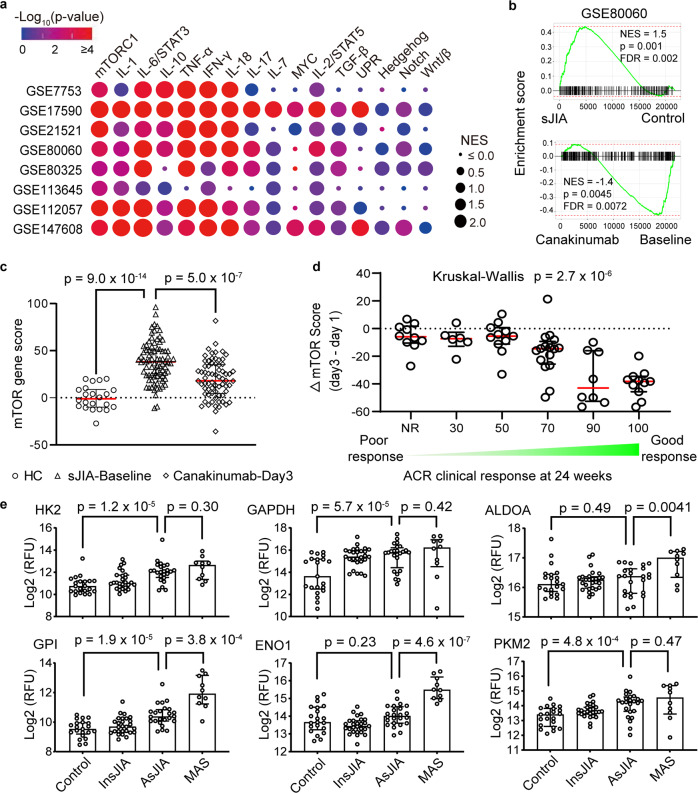
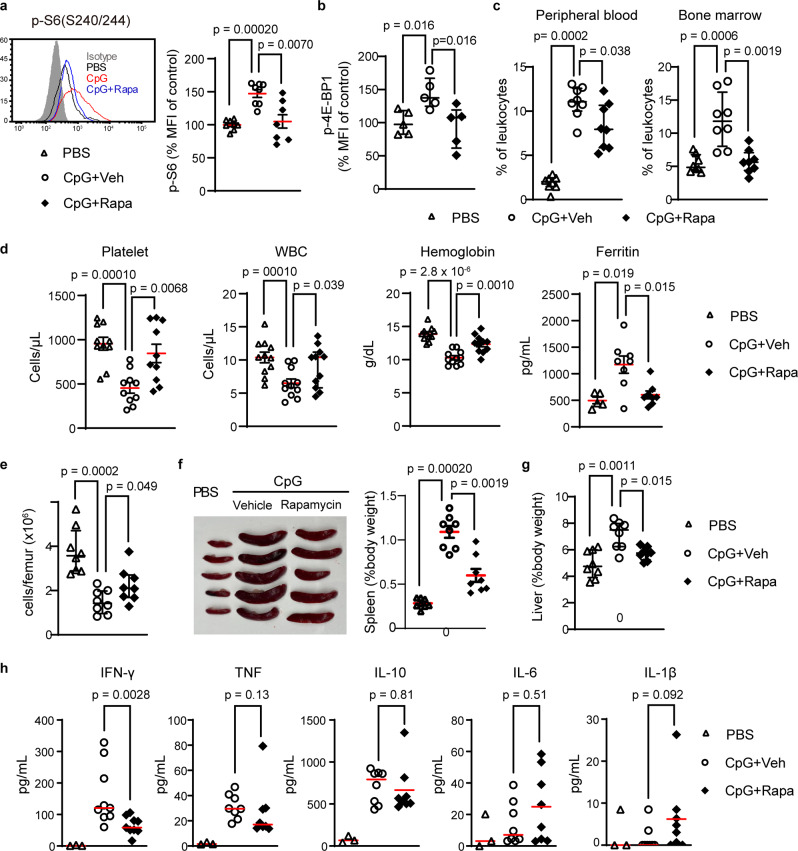
Still's disease is a severe inflammatory syndrome characterized by fever, skin rash and arthritis affecting children and adults. Patients with Still's disease may also develop macrophage activation syndrome, a potentially fatal complication of immune dysregulation resulting in cytokine storm. Here we show that mTORC1 (mechanistic target of rapamycin complex 1) underpins the pathology of Still's disease and macrophage activation syndrome. Single-cell RNA sequencing in a murine model of Still's disease shows preferential activation of mTORC1 in monocytes; both mTOR inhibition and monocyte depletion attenuate disease severity. Transcriptomic data from patients with Still's disease suggest decreased expression of the mTORC1 inhibitors TSC1/TSC2 and an mTORC1 gene signature that strongly correlates with disease activity and treatment response. Unrestricted activation of mTORC1 by Tsc2 deletion in mice is sufficient to trigger a Still's disease-like syndrome, including both inflammatory arthritis and macrophage activation syndrome with hemophagocytosis, a cellular manifestation that is reproduced in human monocytes by CRISPR/Cas-mediated deletion of TSC2. Consistent with this observation, hemophagocytic histiocytes from patients with macrophage activation syndrome display prominent mTORC1 activity. Our study suggests a mechanistic link of mTORC1 to inflammation that connects the pathogenesis of Still's disease and macrophage activation syndrome.
斯蒂尔病是一种严重的炎症综合征,其特征为发热、皮疹和关节炎,可影响儿童和成人。斯蒂尔病患者还可能发展为巨噬细胞活化综合征,这是一种免疫失调导致细胞因子风暴的潜在致命并发症。在这里,我们表明 mTORC1(雷帕霉素靶蛋白复合物 1)是斯蒂尔病和巨噬细胞活化综合征的病理学基础。在斯蒂尔病的小鼠模型中进行单细胞 RNA 测序显示,mTORC1 在单核细胞中优先激活;mTOR 抑制和单核细胞耗竭均可减轻疾病严重程度。来自斯蒂尔病患者的转录组数据表明,mTORC1 抑制剂 TSC1/TSC2 的表达减少,并且存在一个 mTORC1 基因特征,与疾病活动度和治疗反应强烈相关。在小鼠中通过 Tsc2 缺失无限制地激活 mTORC1 足以引发斯蒂尔病样综合征,包括炎症性关节炎和巨噬细胞活化综合征伴噬血细胞现象,这种细胞表现形式可通过 CRISPR/Cas 介导的 TSC2 缺失在人类单核细胞中重现。与这一观察结果一致,巨噬细胞活化综合征患者的噬血细胞组织中显示出明显的 mTORC1 活性。我们的研究表明,mTORC1 与炎症之间存在一种机制联系,将斯蒂尔病和巨噬细胞活化综合征的发病机制联系起来。