Department of Anatomy, Cellular Biology and Zoology, University of Extremadura, Badajoz, Spain.
Molecular Ecology and Evolution Lab, Department of Biology, Lund University, Lund, Sweden.
Mol Ecol. 2023 Feb;32(4):904-919. doi: 10.1111/mec.16799. Epub 2022 Dec 14.
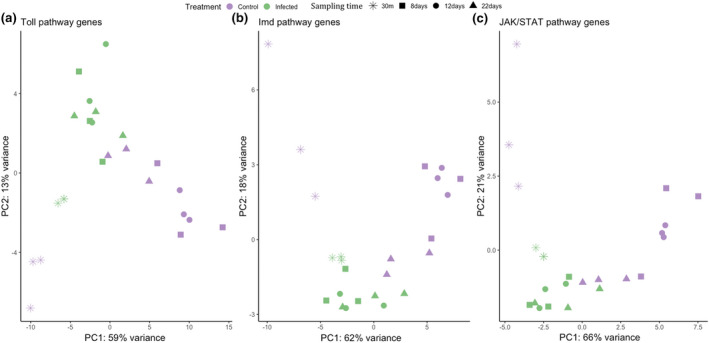
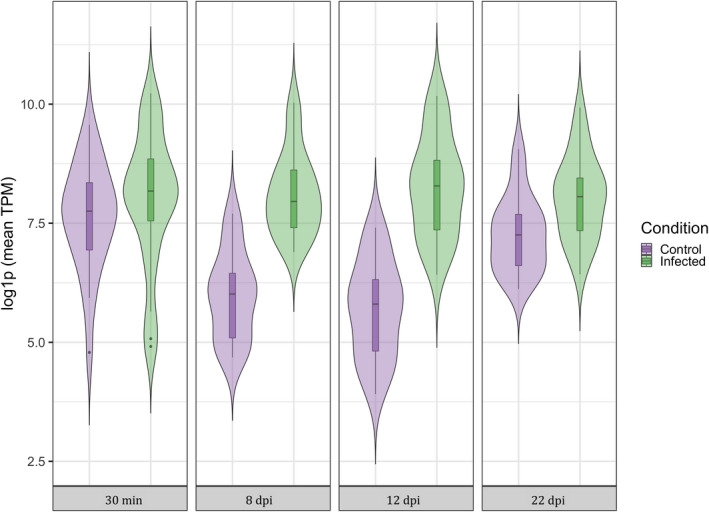
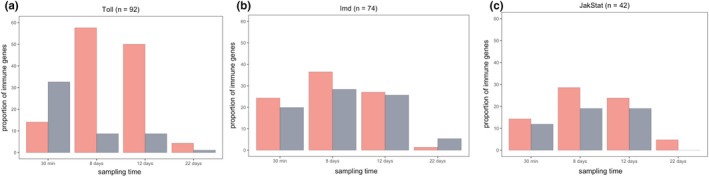
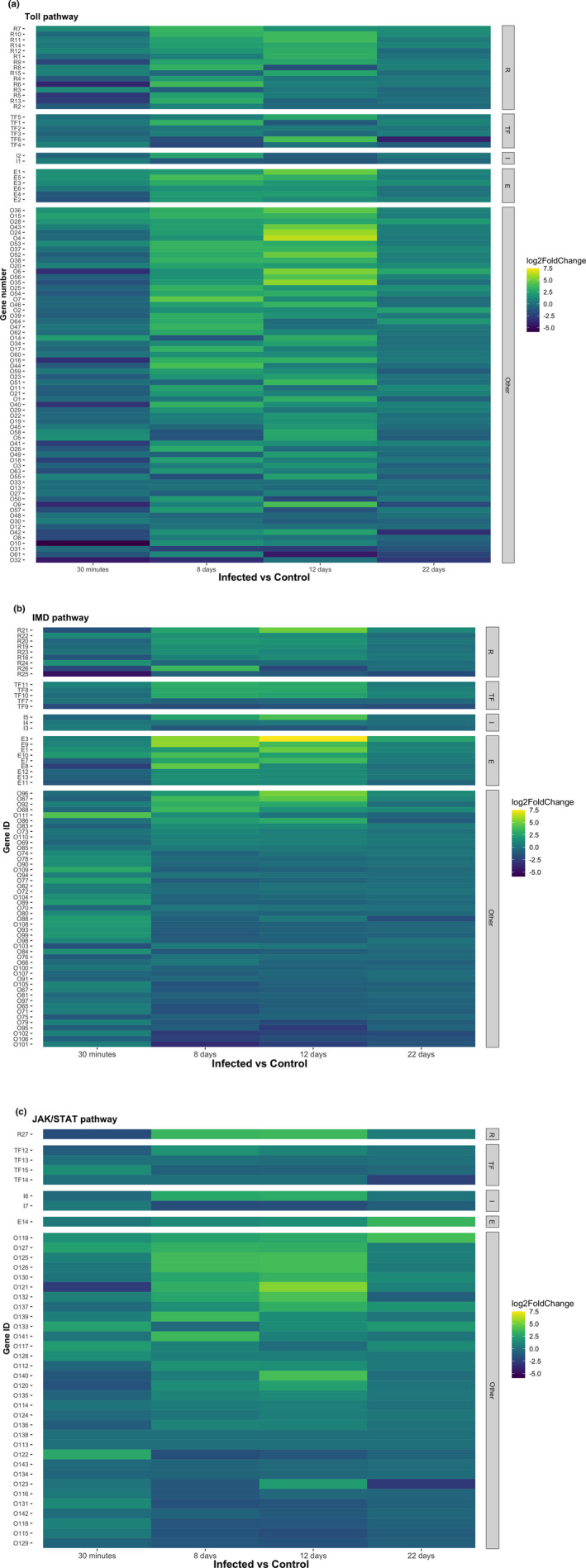
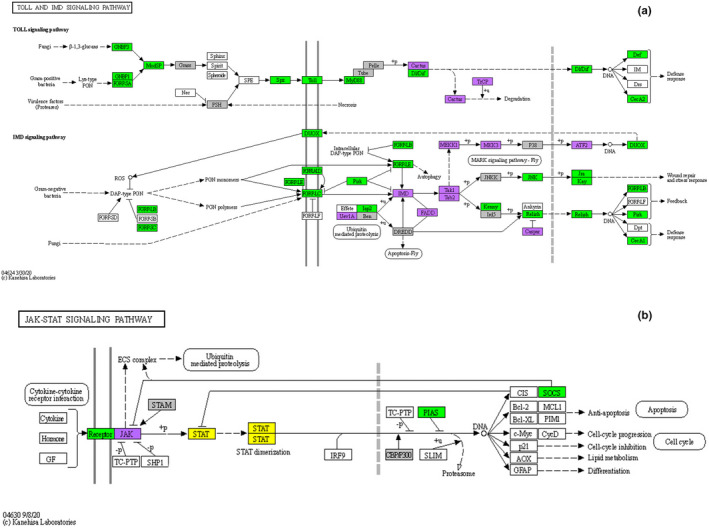
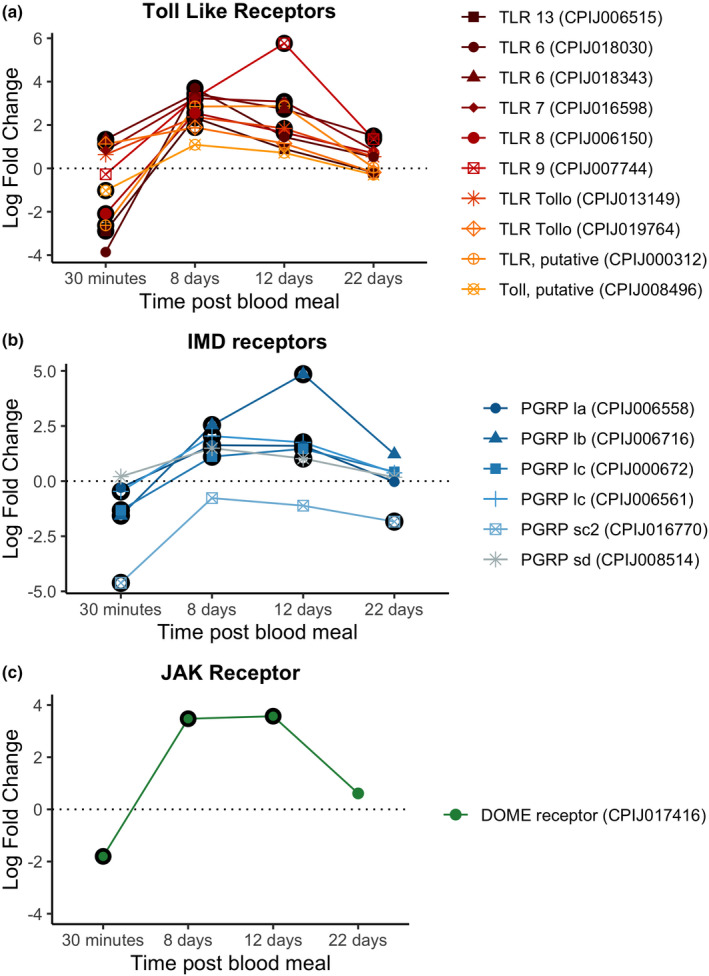
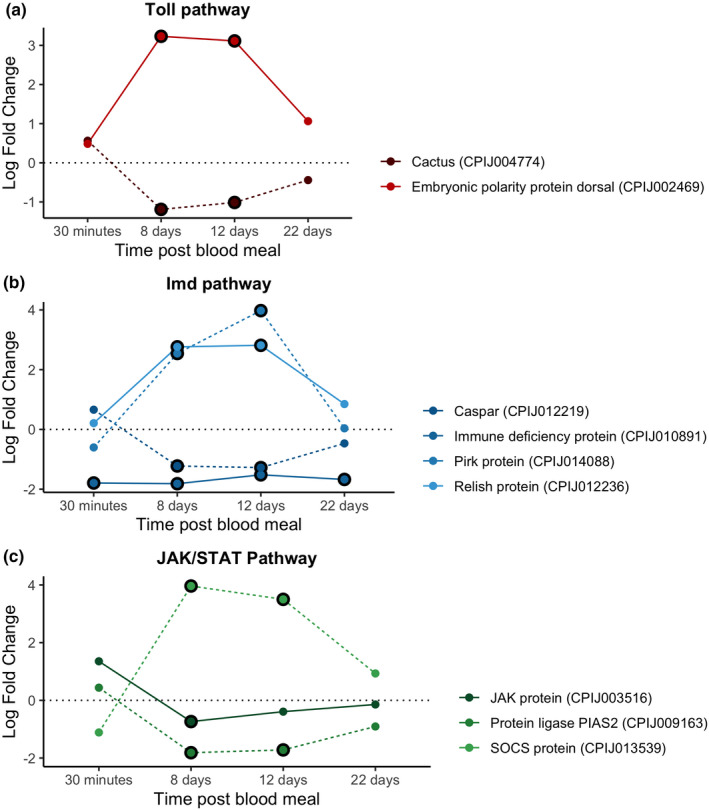
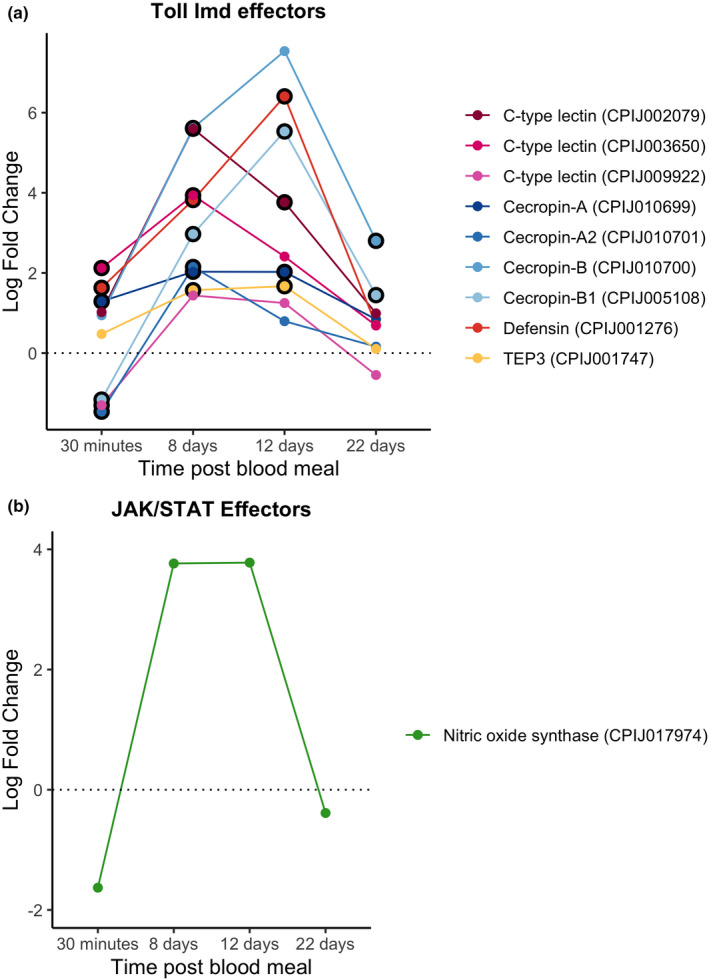
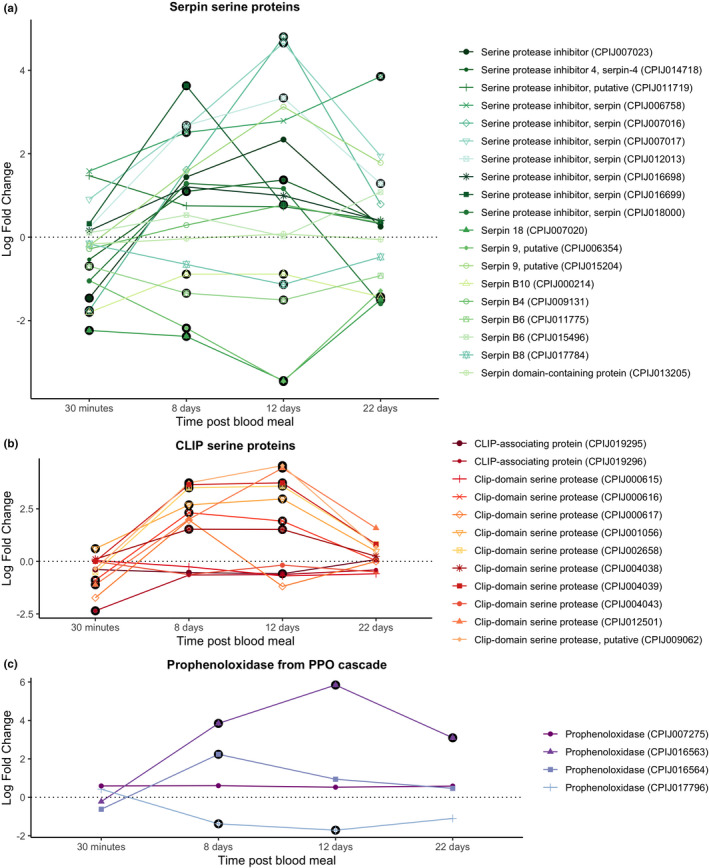
Plasmodium relictum is the most widespread avian malaria parasite in the world. It is listed as one of the 100 most dangerous invasive species, having been responsible for the extinction of several endemic bird species, and the near-demise of several others. Here we present the first transcriptomic study focused on the effect of P. relictum on the immune system of its vector (the mosquito Culex quinquefasciatus) at different times post-infection. We show that over 50% of immune genes identified as being part of the Toll pathway and 30%-40% of the immune genes identified within the Imd pathway are overexpressed during the critical period spanning the parasite's oocyst and sporozoite formation (8-12 days), revealing the crucial role played by both these pathways in this natural mosquito-Plasmodium combination. Comparison of infected mosquitoes with their uninfected counterparts also revealed some unexpected immune RNA expression patterns earlier and later in the infection: significant differences in expression of several immune effectors were observed as early as 30 min after ingestion of the infected blood meal. In addition, in the later stages of the infection (towards the end of the mosquito lifespan), we observed an unexpected increase in immune investment in uninfected, but not in infected, mosquitoes. In conclusion, our work extends the comparative transcriptomic analyses of malaria-infected mosquitoes beyond human and rodent parasites and provides insights into the degree of conservation of immune pathways and into the selective pressures exerted by Plasmodium parasites on their vectors.
余疟原虫是世界上分布最广泛的禽疟原虫。它被列为最危险的 100 种入侵物种之一,已导致几个特有鸟类物种灭绝,还有几个物种濒临灭绝。在这里,我们首次进行了一项转录组研究,重点研究了疟原虫对其载体(蚊子库蚊)免疫系统的影响,研究时间为感染后不同时间点。研究表明,在寄生虫卵囊和孢子形成(8-12 天)的关键时期,超过 50%被鉴定为 Toll 途径的免疫基因和 30%-40%被鉴定为 Imd 途径的免疫基因表达过度,这揭示了这两种途径在这种自然的蚊子-疟原虫组合中的关键作用。感染蚊子与未感染蚊子的比较还揭示了感染后更早和更晚时间点的一些意想不到的免疫 RNA 表达模式:在摄入受感染的血液后 30 分钟,就观察到几种免疫效应物的表达存在显著差异。此外,在感染的后期(接近蚊子寿命结束时),我们观察到未感染的蚊子的免疫投资异常增加,而感染的蚊子则没有。总之,我们的工作将感染疟原虫的蚊子的比较转录组分析扩展到了人类和啮齿动物寄生虫之外,并深入了解了免疫途径的保守程度以及疟原虫对其载体施加的选择压力。