Bielczyk-Maczynska Ewa, Zhao Meng, Zushin Peter-James H, Schnurr Theresia M, Kim Hyun-Jung, Li Jiehan, Nallagatla Pratima, Sangwung Panjamaporn, Park Chong Y, Cornn Cameron, Stahl Andreas, Svensson Katrin J, Knowles Joshua W
Division of Cardiovascular Medicine, Department of Medicine, Stanford University School of Medicine, Stanford, CA, USA.
Stanford Diabetes Research Center, Stanford University School of Medicine, Stanford, CA, USA.
Nat Commun. 2022 Dec 1;13(1):7408. doi: 10.1038/s41467-022-35069-9.
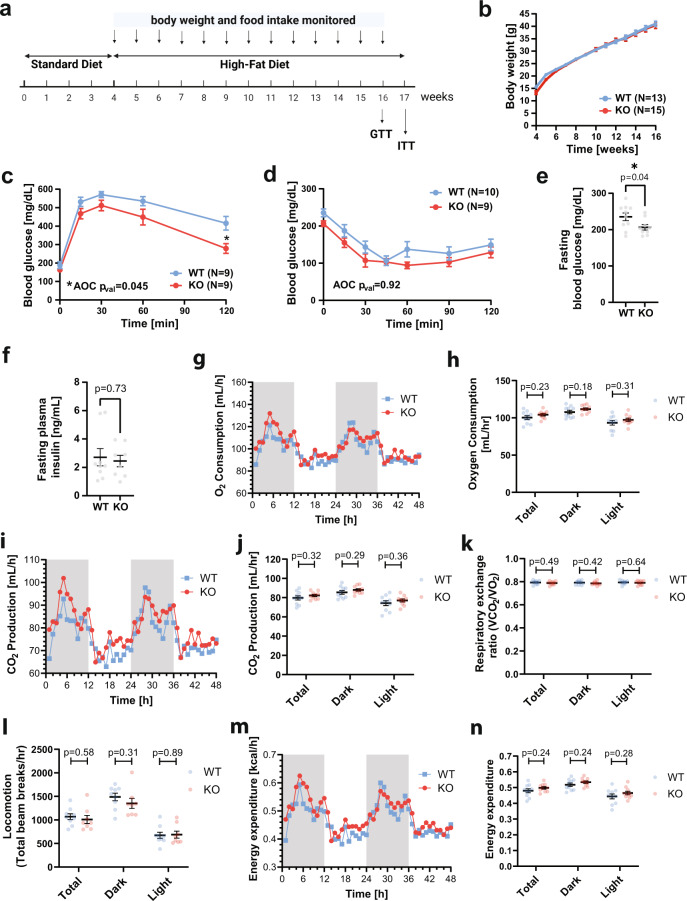
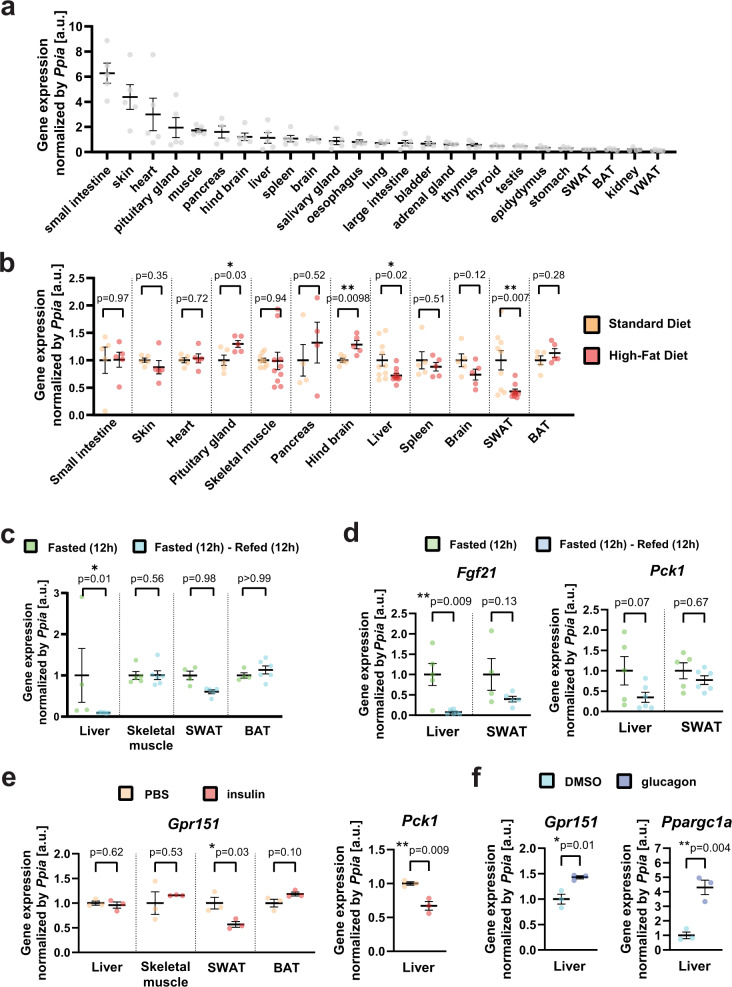
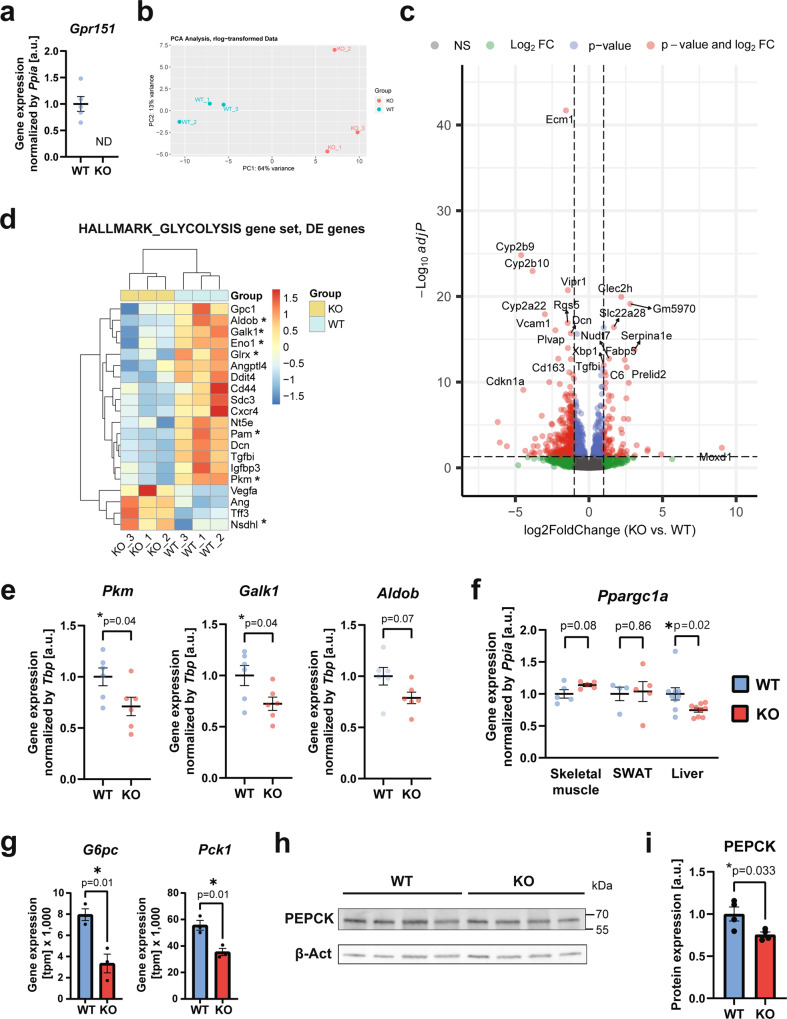
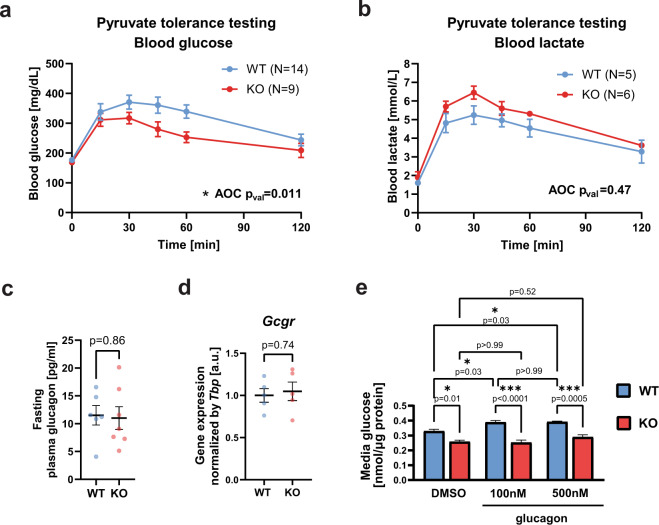
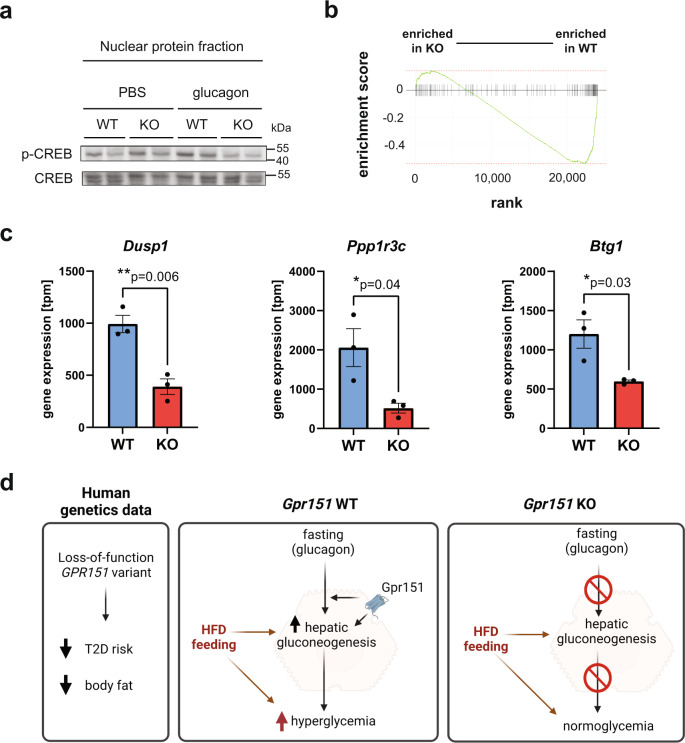
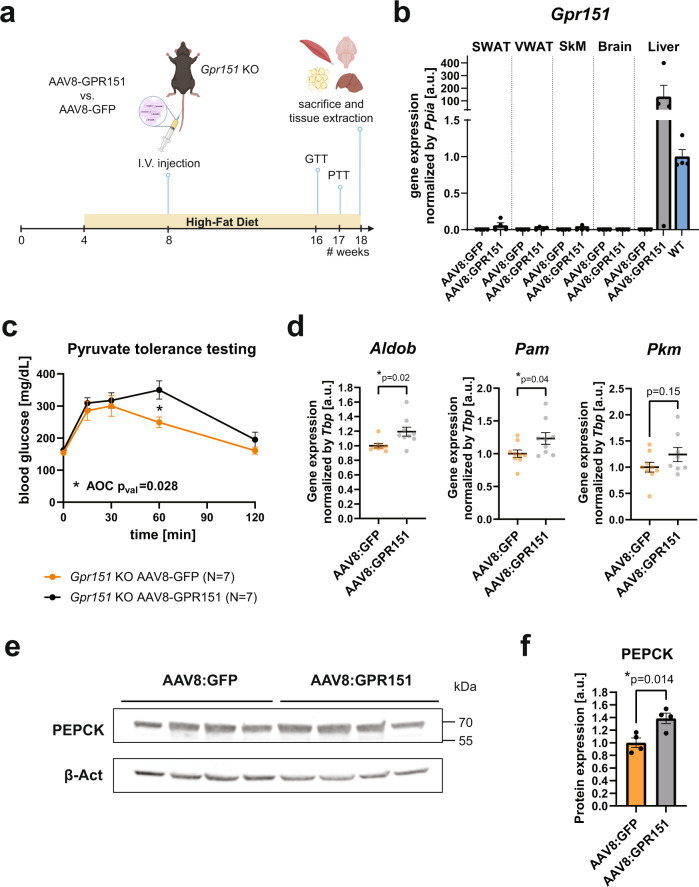
Human genetics has been instrumental in identification of genetic variants linked to type 2 diabetes. Recently a rare, putative loss-of-function mutation in the orphan G-protein coupled receptor 151 (GPR151) was found to be associated with lower odds ratio for type 2 diabetes, but the mechanism behind this association has remained elusive. Here we show that Gpr151 is a fasting- and glucagon-responsive hepatic gene which regulates hepatic gluconeogenesis. Gpr151 ablation in mice leads to suppression of hepatic gluconeogenesis genes and reduced hepatic glucose production in response to pyruvate. Importantly, the restoration of hepatic Gpr151 levels in the Gpr151 knockout mice reverses the reduced hepatic glucose production. In this work, we establish a previously unknown role of Gpr151 in the liver that provides an explanation to the lowered type 2 diabetes risk in individuals with nonsynonymous mutations in GPR151.
人类遗传学在识别与2型糖尿病相关的基因变异方面发挥了重要作用。最近发现,孤儿G蛋白偶联受体151(GPR151)中一种罕见的、假定的功能丧失突变与2型糖尿病的较低比值比相关,但这种关联背后的机制仍不清楚。在这里,我们表明Gpr151是一种受禁食和胰高血糖素调节的肝脏基因,它调节肝脏糖异生。小鼠体内Gpr151基因的缺失会导致肝脏糖异生基因的抑制,并降低肝脏对丙酮酸的葡萄糖生成。重要的是,在Gpr151基因敲除小鼠中恢复肝脏Gpr151水平可逆转肝脏葡萄糖生成的减少。在这项研究中,我们确定了Gpr151在肝脏中以前未知的作用,这为GPR151发生非同义突变的个体2型糖尿病风险降低提供了解释。