Department of Materials Science and Engineering, Pukyong National University, 45, Yongso-ro, Nam-Gu, Busan 48513, Republic of Korea.
Division of Advanced Materials Engineering, Jeonbuk National University, Jeonju 54896, Republic of Korea.
Sensors (Basel). 2022 Dec 5;22(23):9506. doi: 10.3390/s22239506.
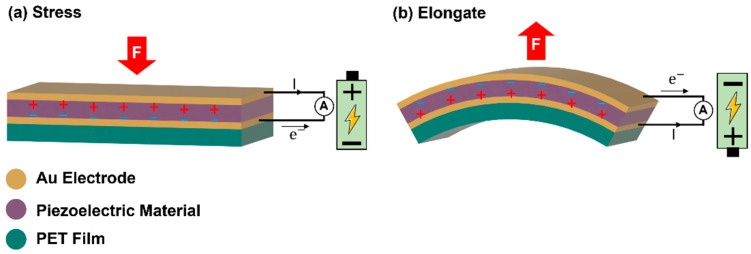
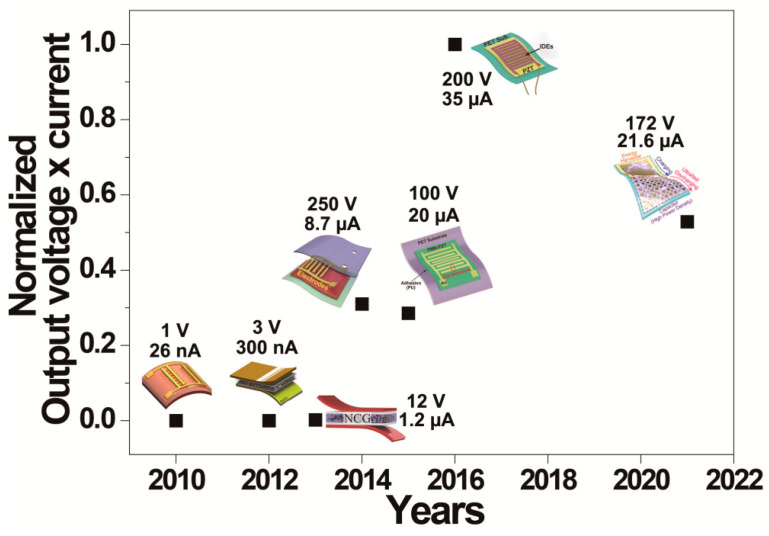
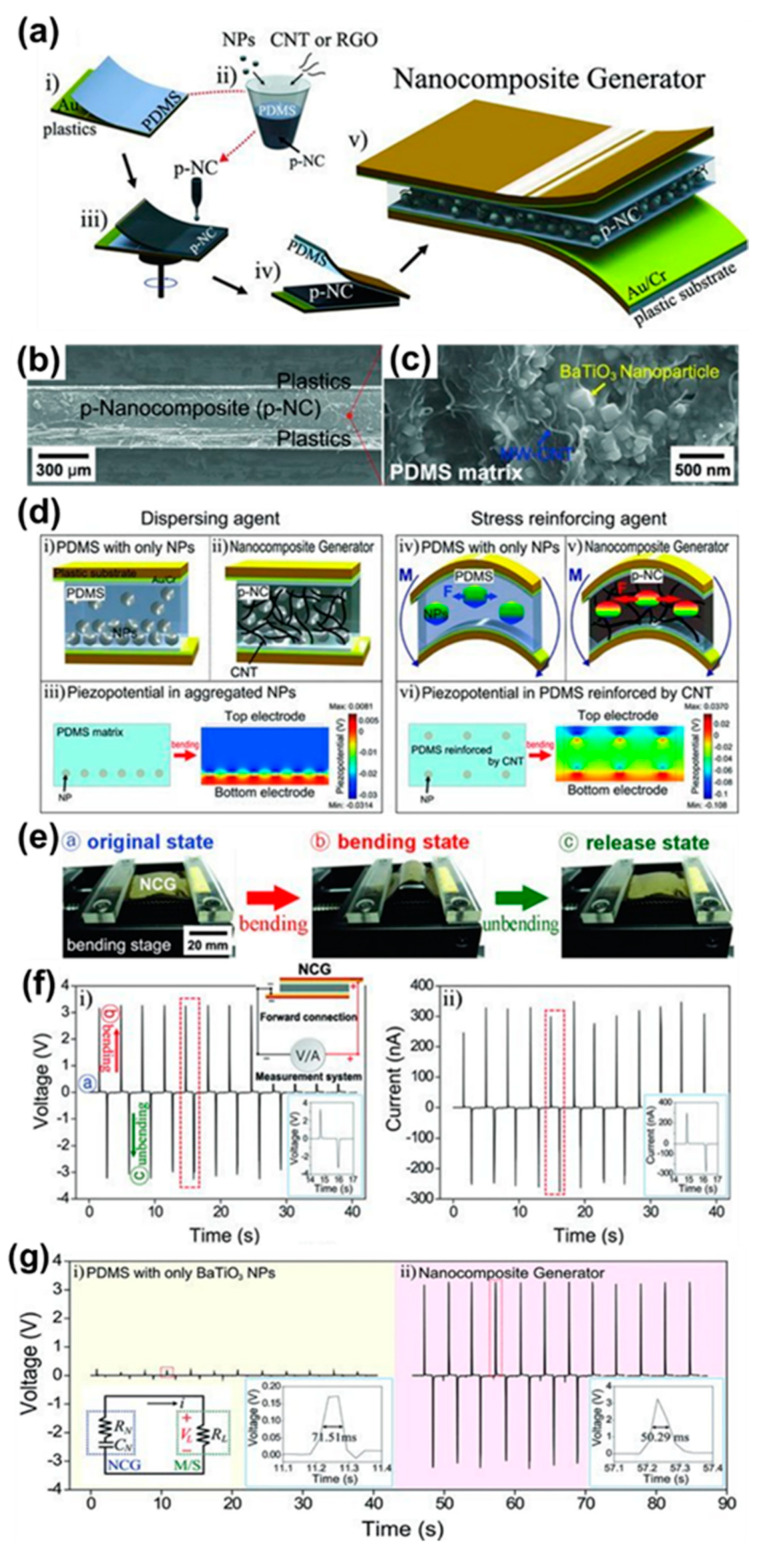
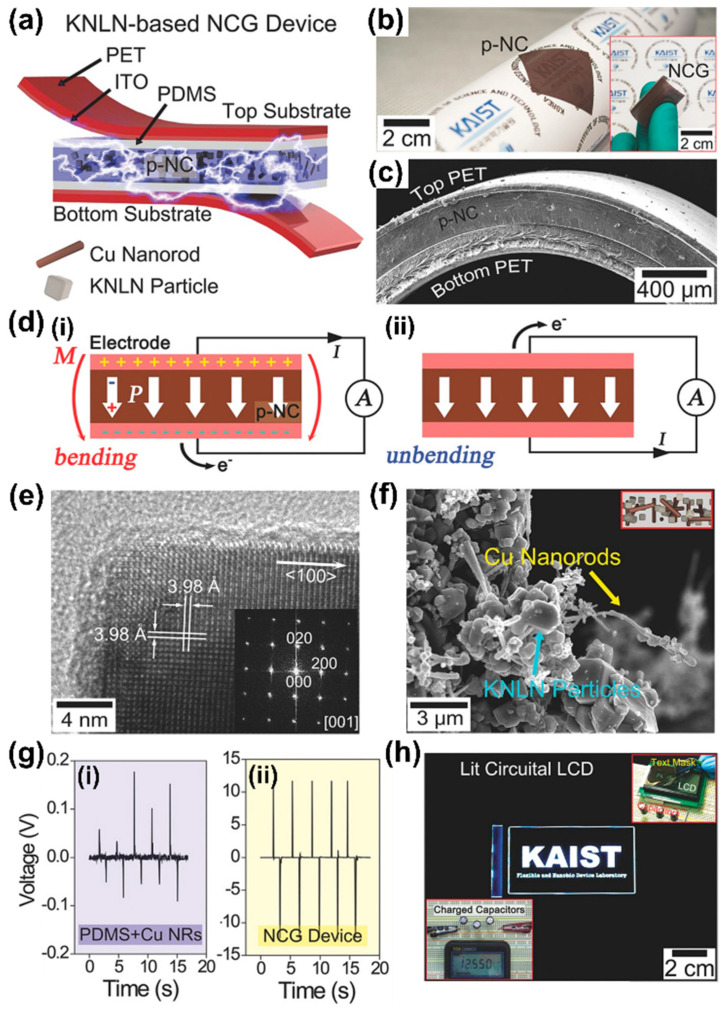
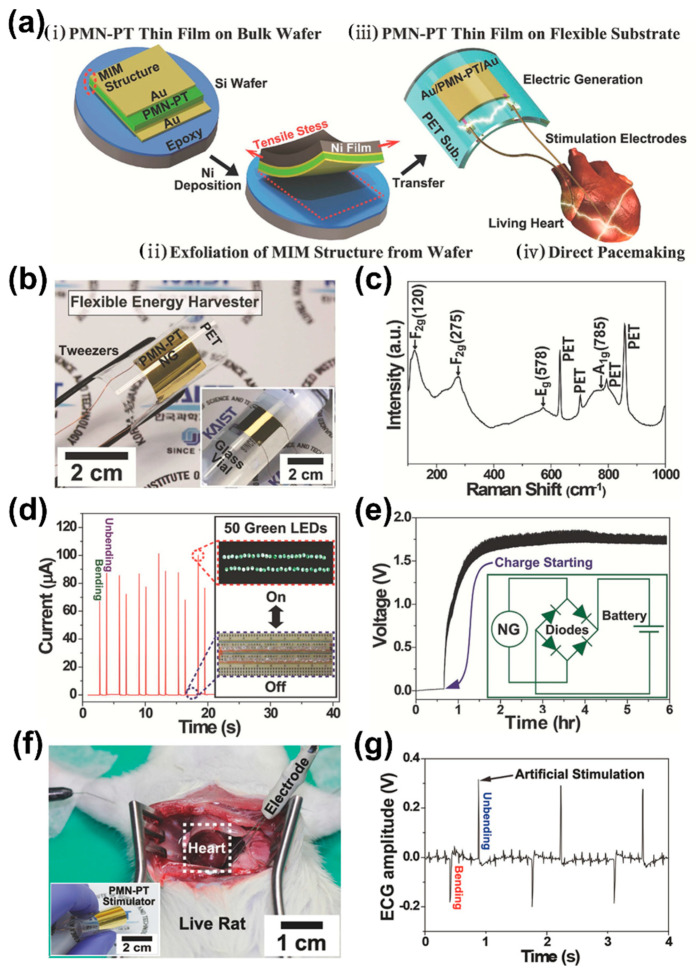
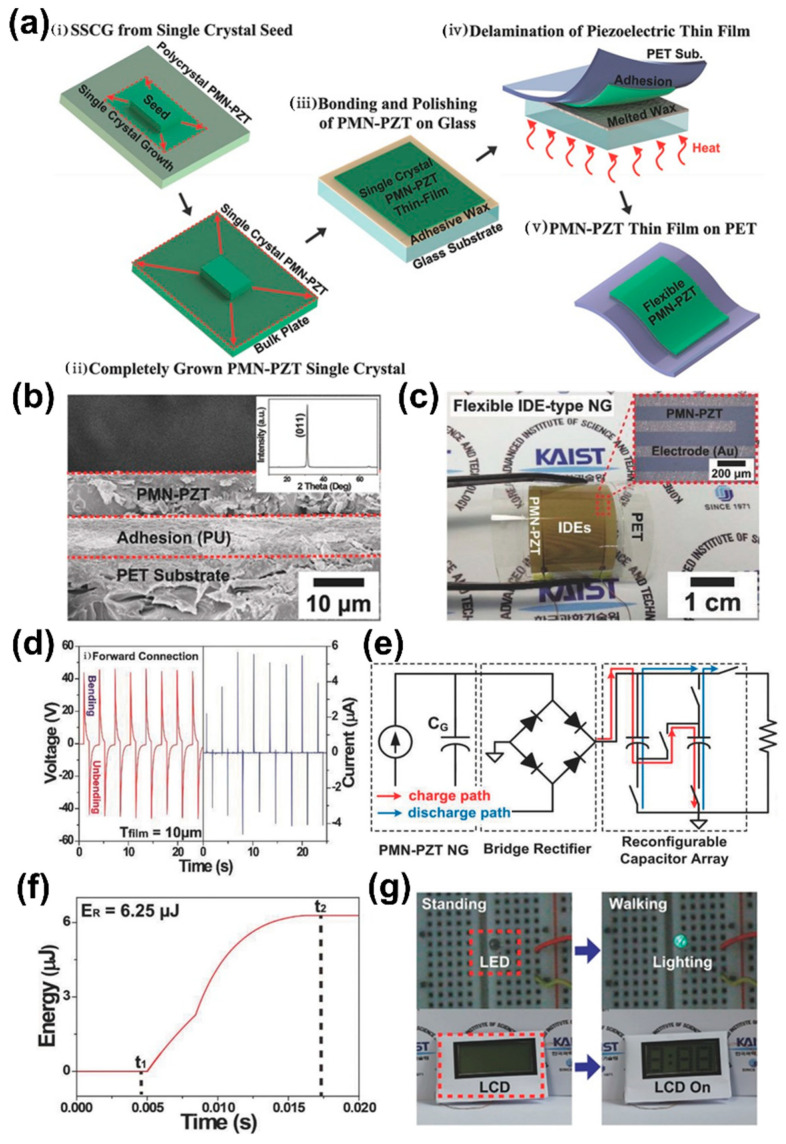
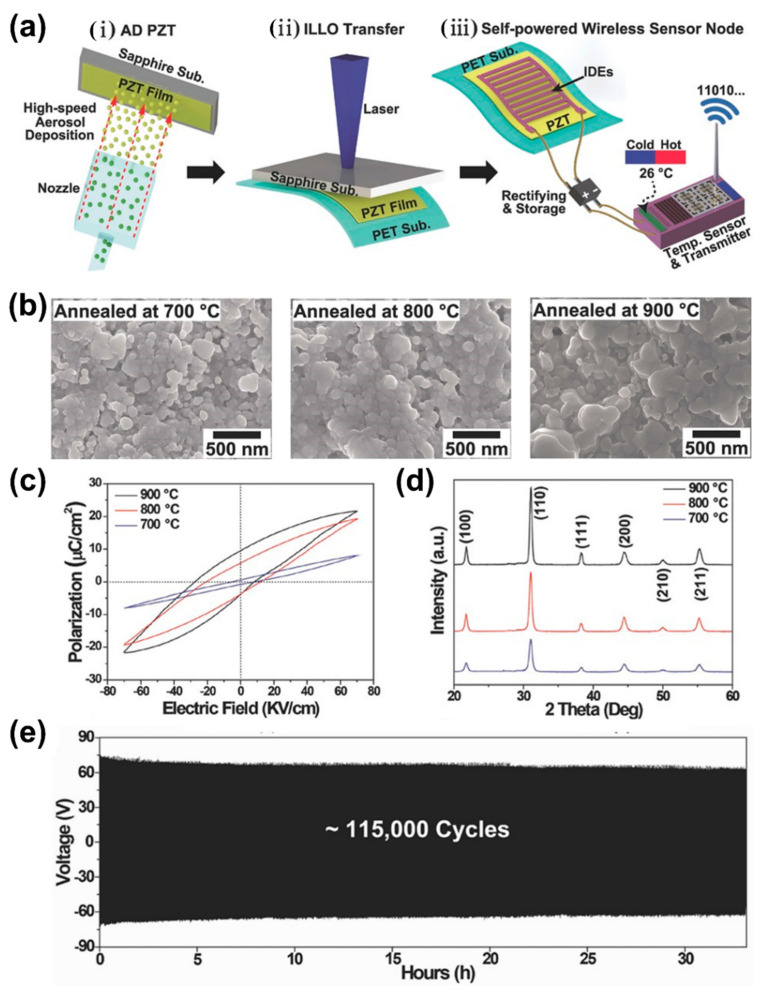
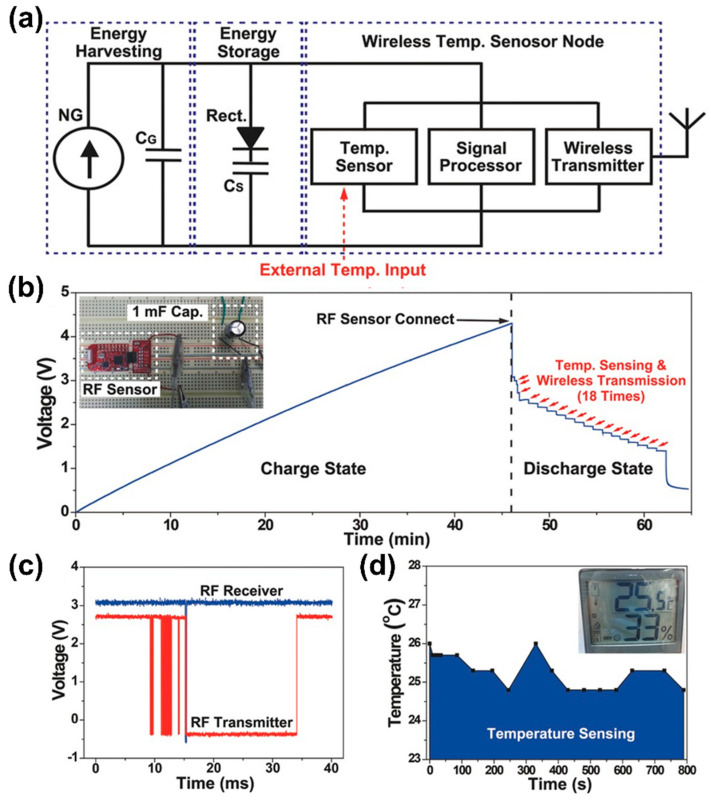
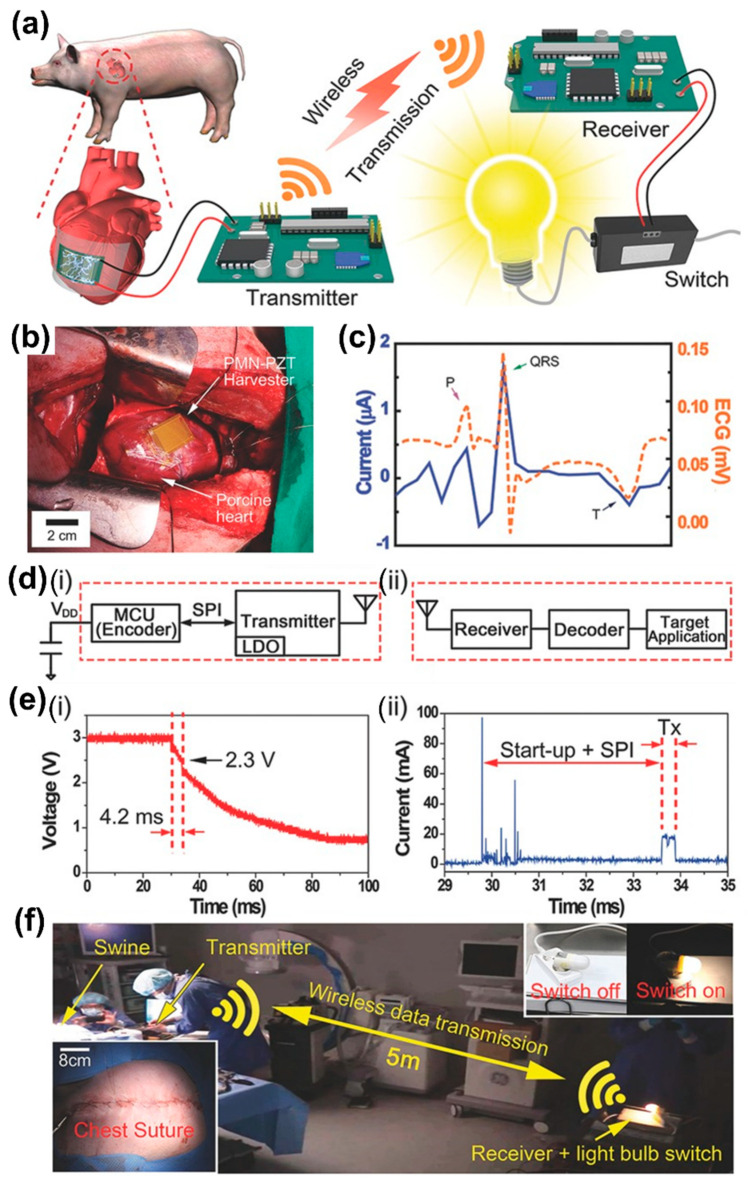
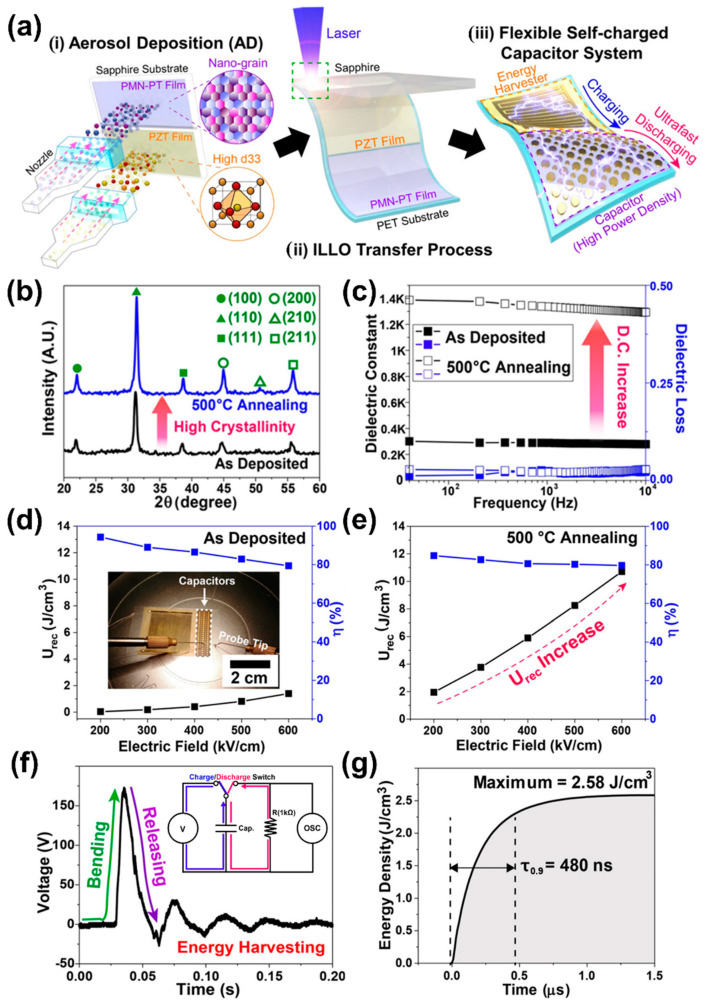
In the ongoing fourth industrial revolution, the internet of things (IoT) will play a crucial role in collecting and analyzing information related to human healthcare, public safety, environmental monitoring and home/industrial automation. Even though conventional batteries are widely used to operate IoT devices as a power source, these batteries have a drawback of limited capacity, which impedes broad commercialization of the IoT. In this regard, piezoelectric energy harvesting technology has attracted a great deal of attention because piezoelectric materials can convert electricity from mechanical and vibrational movements in the ambient environment. In particular, piezoelectric-based flexible energy harvesters can precisely harvest tiny mechanical movements of muscles and internal organs from the human body to produce electricity. These inherent properties of flexible piezoelectric harvesters make it possible to eliminate conventional batteries for lifetime extension of implantable and wearable IoTs. This paper describes the progress of piezoelectric perovskite material-based flexible energy harvesters for self-powered IoT devices for biomedical/wearable electronics over the last decade.
在正在进行的第四次工业革命中,物联网 (IoT) 将在收集和分析与人类医疗保健、公共安全、环境监测以及家庭/工业自动化相关的信息方面发挥关键作用。尽管传统电池被广泛用作物联网设备的电源,但这些电池的容量有限,这阻碍了物联网的广泛商业化。在这方面,压电能量收集技术引起了极大的关注,因为压电材料可以将环境中机械和振动运动产生的电能转化为电能。特别是,基于压电的柔性能量收集器可以精确地从人体中收集肌肉和内部器官的微小机械运动来发电。柔性压电收集器的这些固有特性使得为可植入和可穿戴物联网设备延长使用寿命而消除传统电池成为可能。本文介绍了过去十年中用于生物医学/可穿戴电子自供电物联网设备的基于钙钛矿压电材料的柔性能量收集器的进展。