Abraham Nadine, Chan Edicon Tze Shun, Zhou Ting, Seah Stephen Y K
Department of Molecular and Cellular Biology, University of Guelph, Guelph, ON, Canada.
Guelph Research and Development Centre, Agriculture and Agri-Food Canada, Guelph, ON, Canada.
Front Microbiol. 2022 Nov 23;13:957148. doi: 10.3389/fmicb.2022.957148. eCollection 2022.
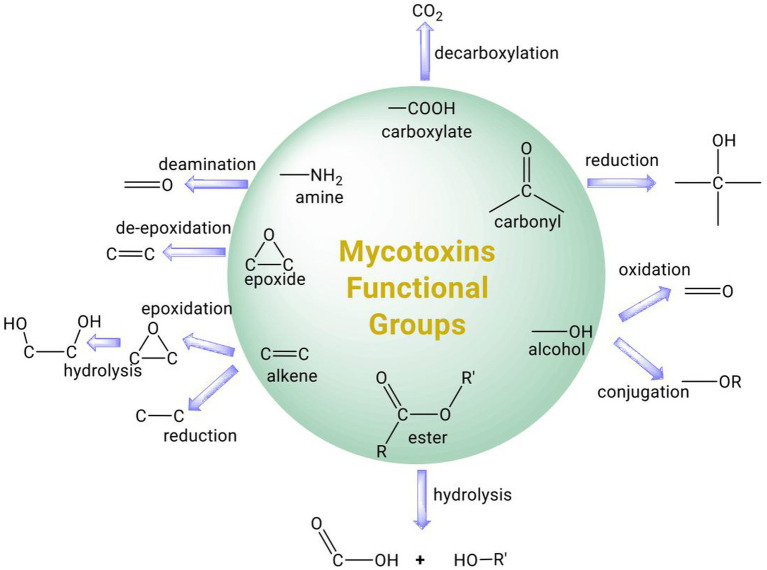
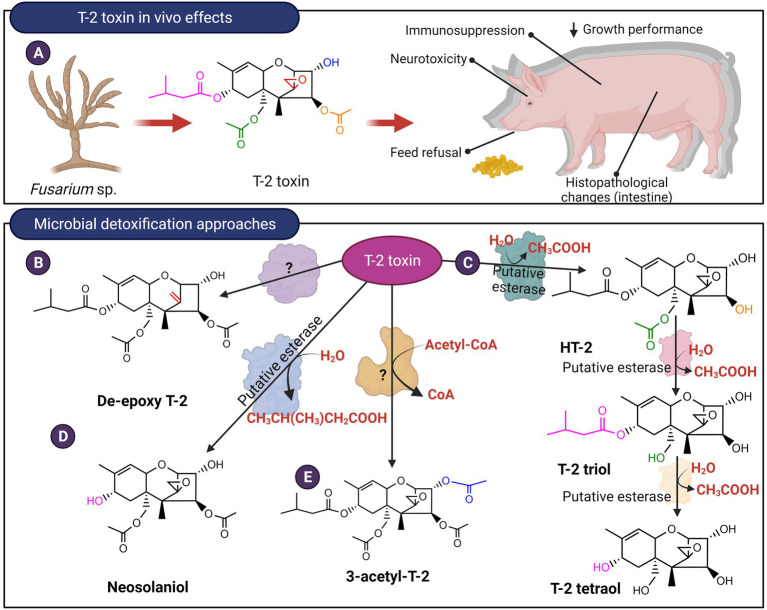
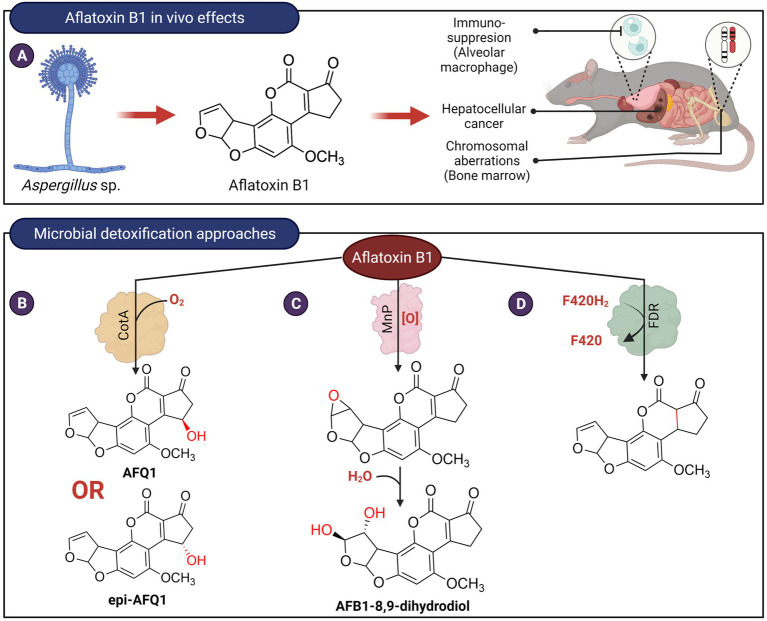
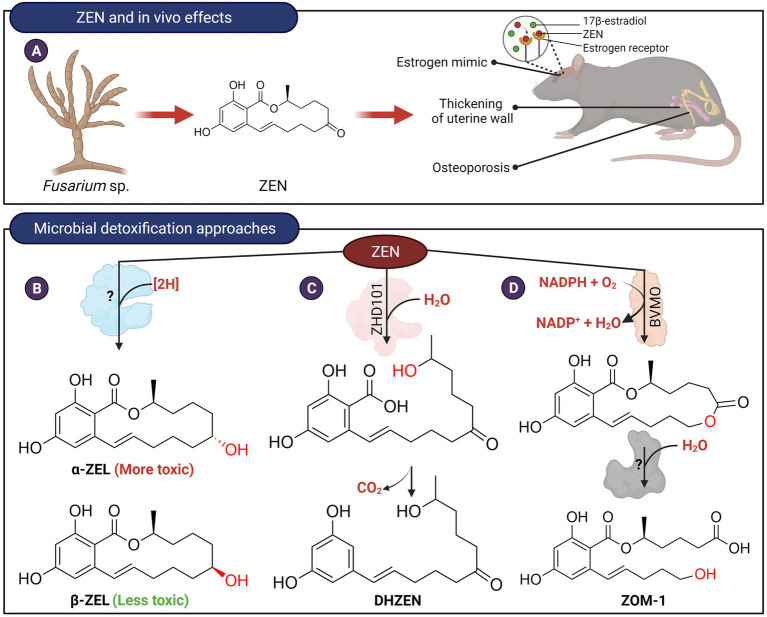
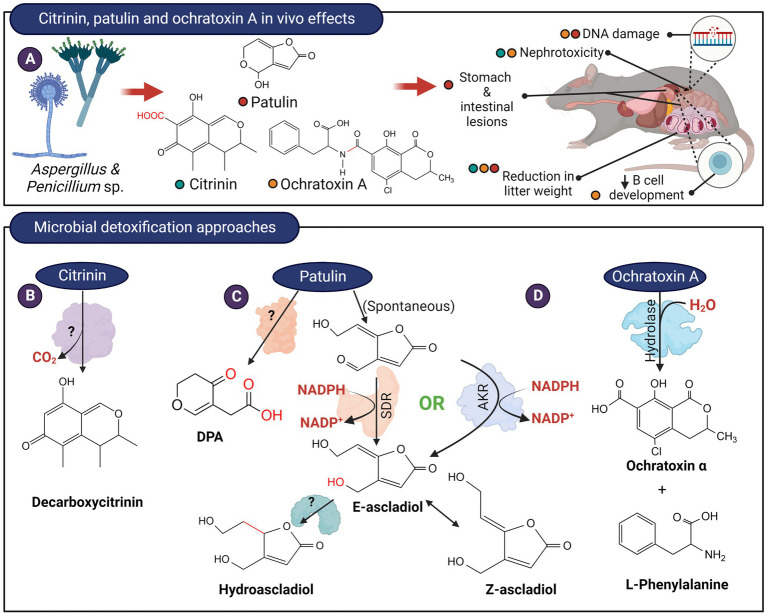
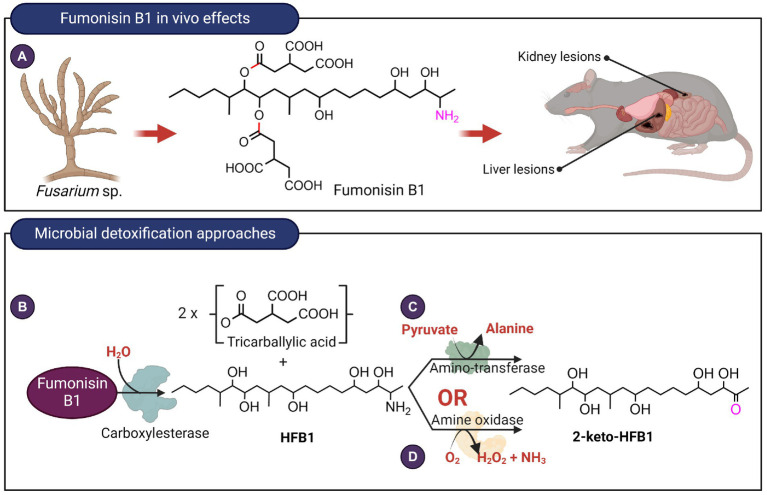
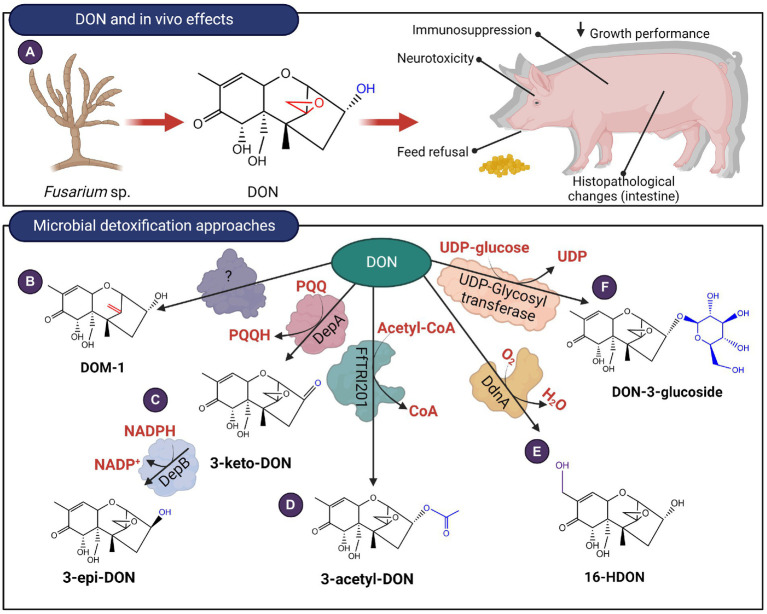
Mycotoxins are toxic secondary metabolites produced by certain genera of fungi including but not limited to , and . Their persistence in agricultural commodities poses a significant food safety issue owing to their carcinogenic, teratogenic, and immunosuppressive effects. Due to their inherent stability, mycotoxin levels in contaminated food often exceed the prescribed regulatory thresholds posing a risk to both humans and livestock. Although physical and chemical methods have been applied to remove mycotoxins, these approaches may reduce the nutrient quality and organoleptic properties of food. Microbial transformation of mycotoxins is a promising alternative for mycotoxin detoxification as it is more specific and environmentally friendly compared to physical/chemical methods. Here we review the biological detoxification of the major mycotoxins with a focus on microbial enzymes.
霉菌毒素是由某些真菌属产生的有毒次生代谢产物,包括但不限于[此处原文缺失具体真菌属名称]、[此处原文缺失具体真菌属名称]和[此处原文缺失具体真菌属名称]。由于它们具有致癌、致畸和免疫抑制作用,其在农产品中的持久性构成了重大的食品安全问题。由于霉菌毒素具有固有的稳定性,受污染食品中的霉菌毒素水平常常超过规定的监管阈值,对人类和牲畜都构成风险。尽管已采用物理和化学方法去除霉菌毒素,但这些方法可能会降低食品的营养质量和感官特性。霉菌毒素的微生物转化是一种很有前景的霉菌毒素解毒替代方法,因为与物理/化学方法相比,它更具特异性且对环境更友好。在此,我们综述主要霉菌毒素的生物解毒,重点关注微生物酶。