Bonilla-Sánchez María Del Rosario, García-Flores Marco Antonio, Méndez-Balbuena Ignacio, Silva-González Jocelyn Guadalupe, Ramírez-Arroyo Ernesto Vladimir
Facultad de Psicología, Benemérita Universidad Autónoma de Puebla, Puebla, México.
Front Psychol. 2022 Nov 24;13:1010512. doi: 10.3389/fpsyg.2022.1010512. eCollection 2022.
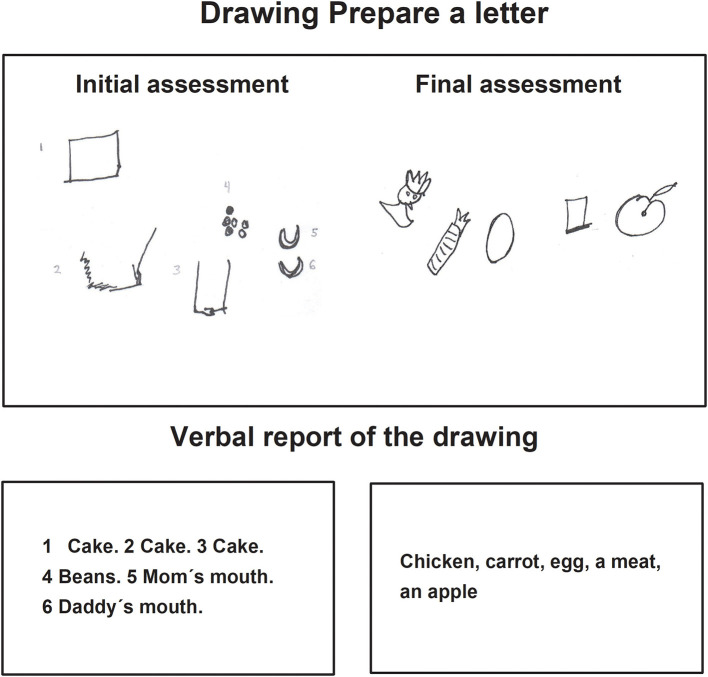
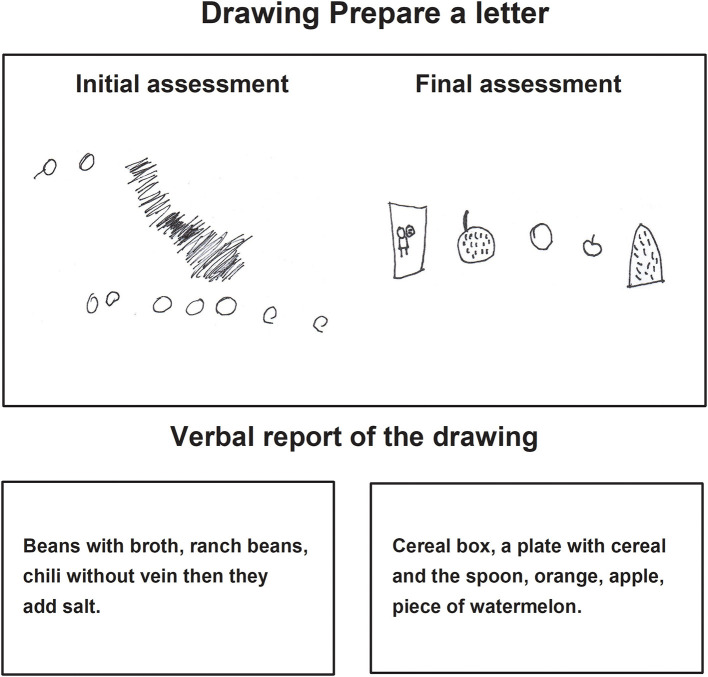
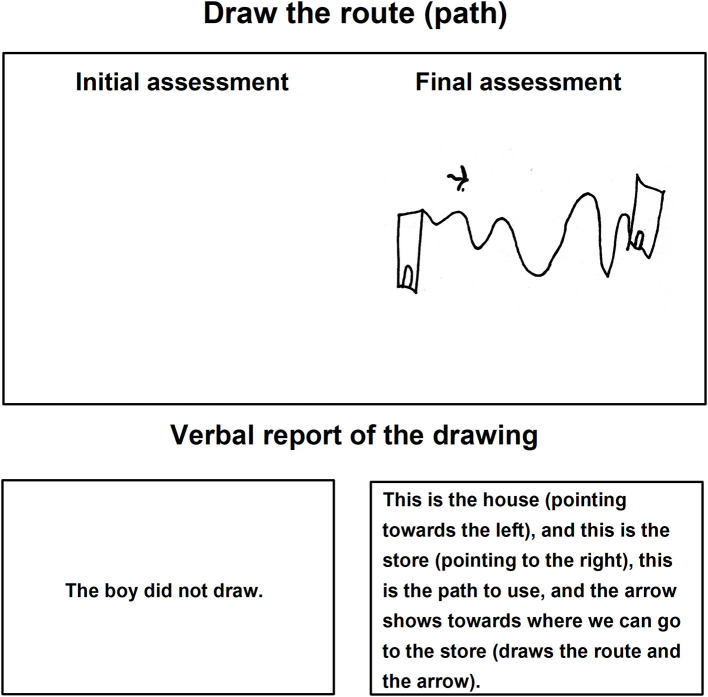
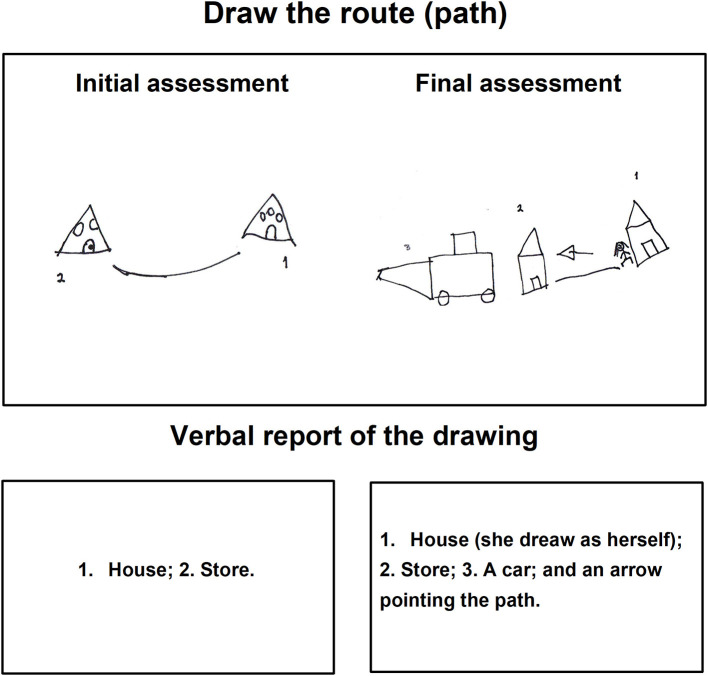
The purpose of our study was to demonstrate the benefits of role play based on a Historical-Cultural perspective with the implementation of symbolic elements generated by the development of drawing of preschool children from suburban origin in a group of normal Mexican preschool children. We predict that the quality of the drawings will be improved after the preschoolers participate in such a role play program.
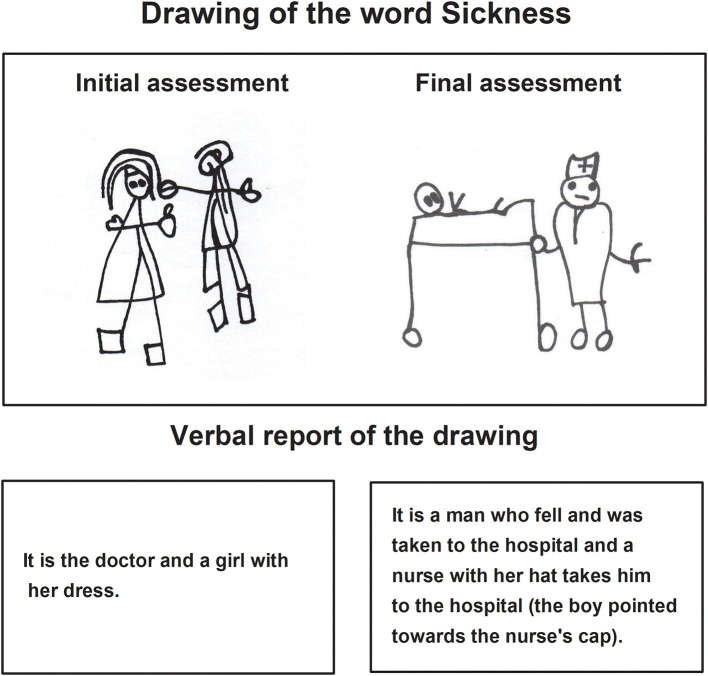
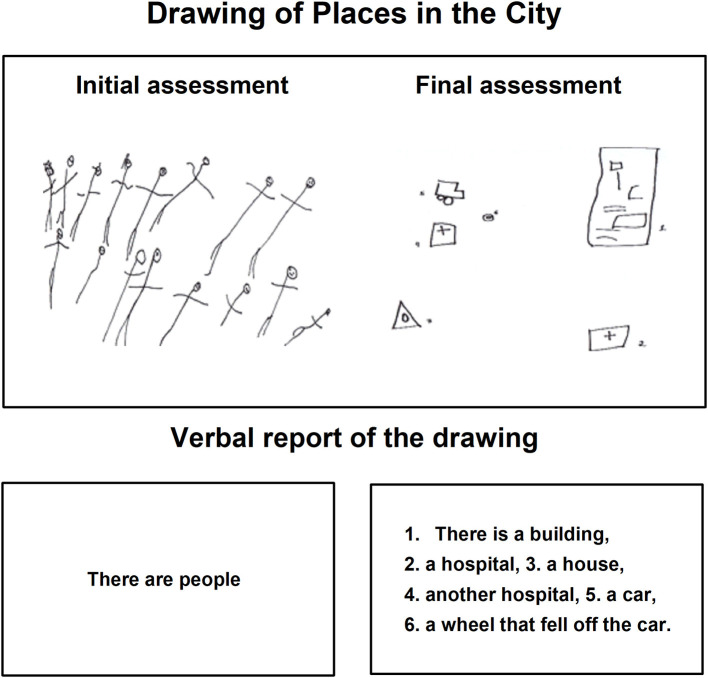
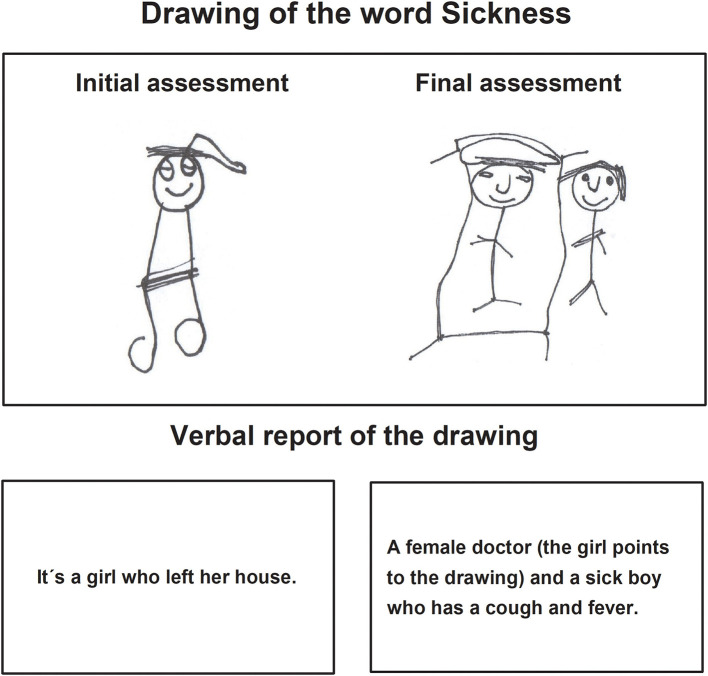
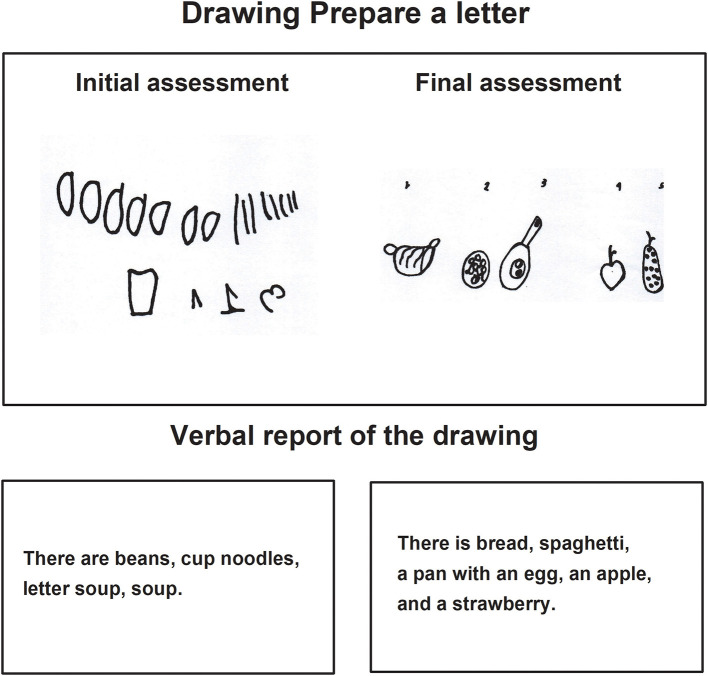
A pre-experimental study was carried out, with pre-test and post-test assessments. The drawings were assessed with quantitative (frequencies of the quality of the parameters) and qualitative (characteristics of the children's drawings) methods. The role play program was based on Elkonin's method, activity theory, and P. Ya Galperin's formation by stages of mental actions. The program encouraged the use of graphic signs and symbols, with the intention of representing situations, actions, objects, and/or contents. Twenty-six preschool children participated in our study.
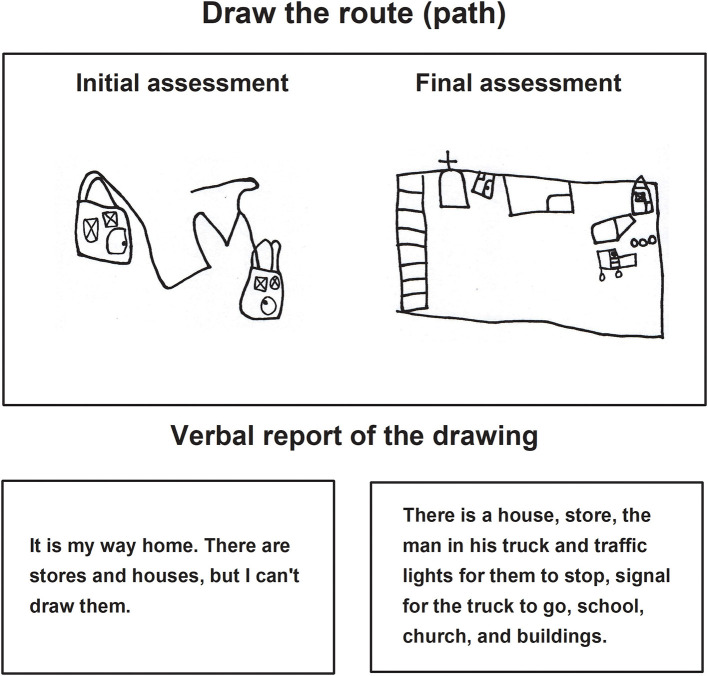
To know the effect of the role play program with symbolic elements on the drawing of preschool children, we performed a quantitative and qualitative analysis, a Wilcoxon test contrast between the initial and final assessment. Both analyses showed a significant increase in the scores in all the tasks with a medium-large effect size, being the largest "Pictograms" and "Drawing of the route"; and in the analysis of the qualitative parameters, specifically in "Maintains the objective," a significant increase was found in all the tasks.
Role play, being the main activity in preschool age, develops all aspects of the child's psychic life. The importance of role play in a preschool child makes it possible to work in the zone of proximal development with the regulatory function of language, with the planning, execution, and control of playful activity and, most importantly, with the use of various materials and perceptual-graphics tools. These findings showed an improvement in the development and complexity of the symbolic function in the drawings.
Role play, as a work methodology in preschool age, leads to the use of new meaning systems that prepare the child to carry out present and future complex symbolic actions.
我们研究的目的是,基于历史文化视角,通过在一群来自墨西哥郊区的正常学龄前儿童中实施由学龄前儿童绘画发展所产生的象征元素,来证明角色扮演的益处。我们预测,学龄前儿童参与这样的角色扮演项目后,绘画质量将会提高。
开展了一项预实验研究,进行了前测和后测评估。采用定量(参数质量频率)和定性(儿童绘画特征)方法对绘画进行评估。角色扮演项目基于埃尔科宁的方法、活动理论以及P. Ya 加尔佩林的心理行动阶段形成理论。该项目鼓励使用图形符号,旨在表现情境、动作、物体和/或内容。26名学龄前儿童参与了我们的研究。
为了解带有象征元素的角色扮演项目对学龄前儿童绘画的影响,我们进行了定量和定性分析,对初始评估和最终评估进行了威尔科克森检验对比。两项分析均显示,所有任务的得分均显著提高,效应量为中到大,其中“象形图”和“路线图”的效应量最大;在定性参数分析中,特别是在“保持客观性”方面,所有任务均有显著提高。
角色扮演作为学龄前儿童的主要活动,发展着儿童心理生活的各个方面。角色扮演在学龄前儿童中的重要性使得在最近发展区内开展语言调节功能、游戏活动的规划、执行和控制,以及最重要的是使用各种材料和感知图形工具的工作成为可能。这些发现表明,绘画中象征功能的发展和复杂性有所提高。
角色扮演作为学龄前儿童阶段的一种工作方法,会促使儿童使用新的意义系统,为其进行当前和未来复杂的象征行动做好准备。