Grover Sajjan, Shinde Sanket, Puri Heena, Palmer Nathan, Sarath Gautam, Sattler Scott E, Louis Joe
Department of Entomology, University of Nebraska-Lincoln, Lincoln, NE, United States.
Wheat, Sorghum, and Forage Research Unit, U.S. Department of Agriculture-Agricultural Research Service, Lincoln, NE, United States.
Front Plant Sci. 2022 Nov 25;13:1019266. doi: 10.3389/fpls.2022.1019266. eCollection 2022.
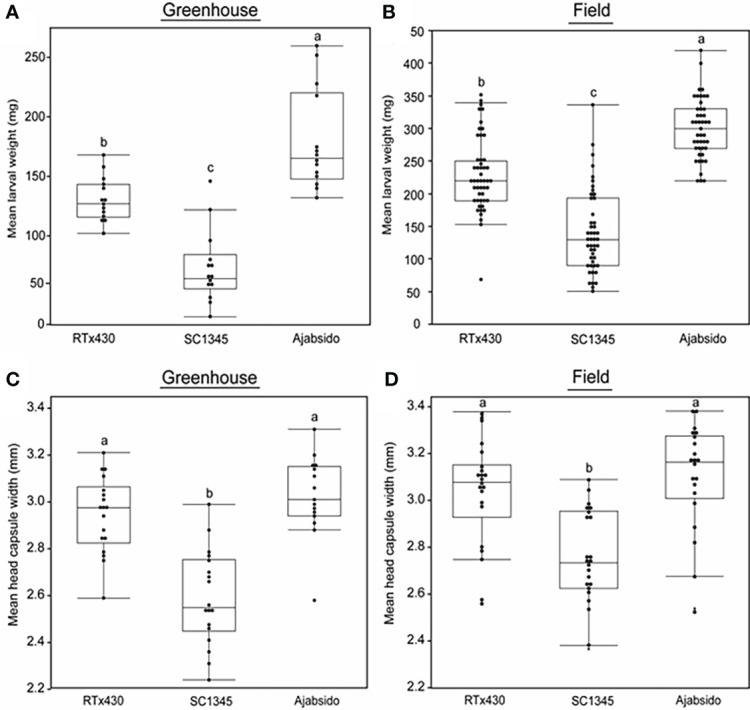
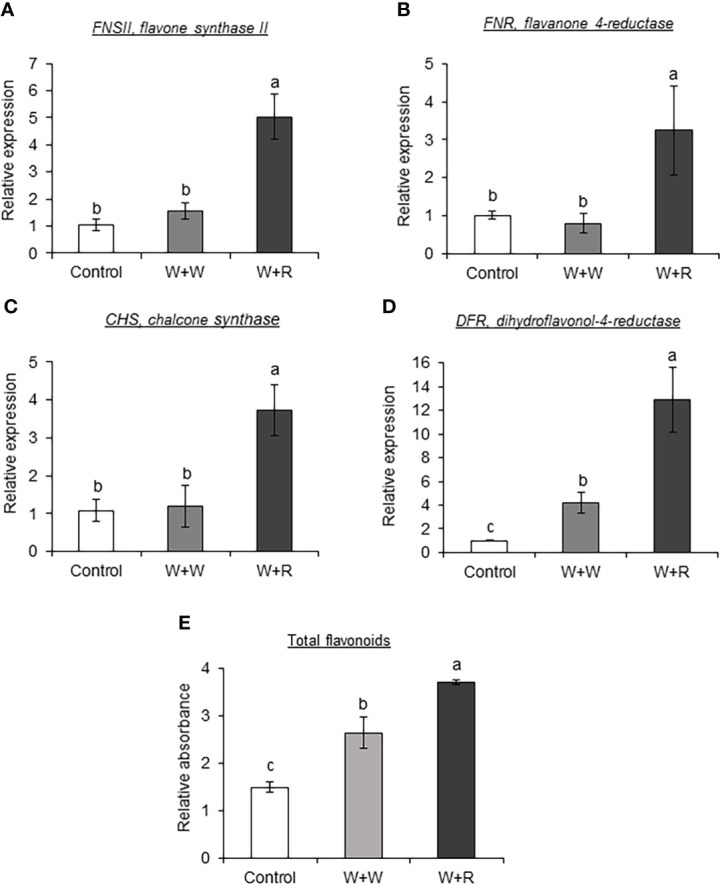
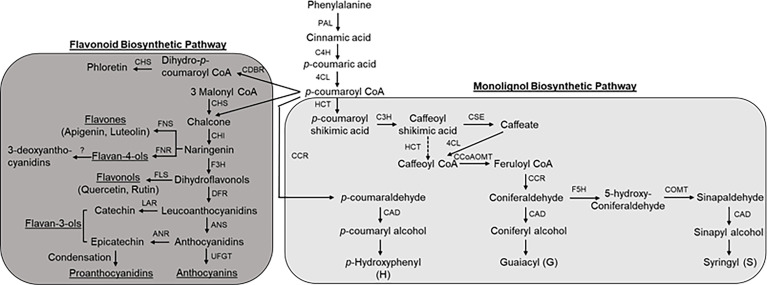
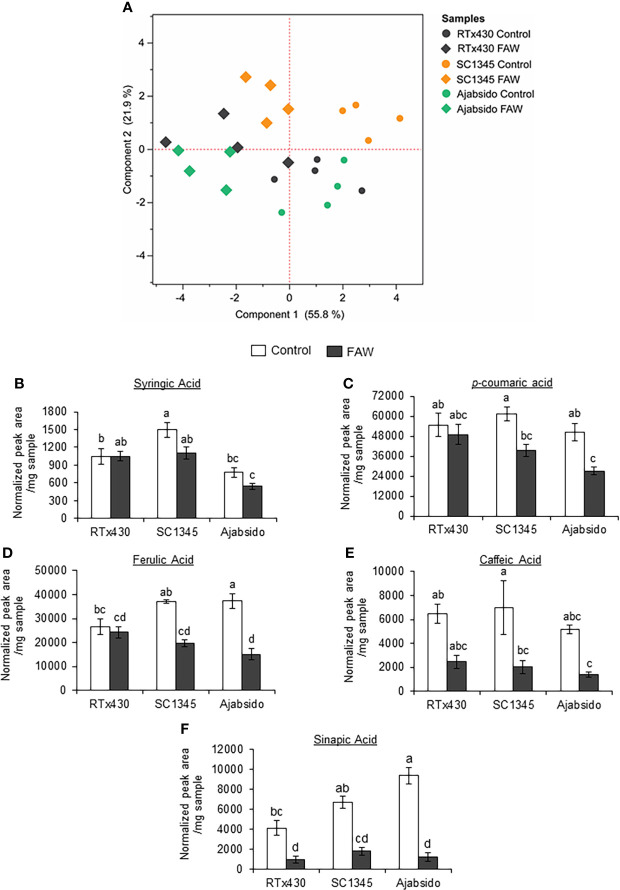
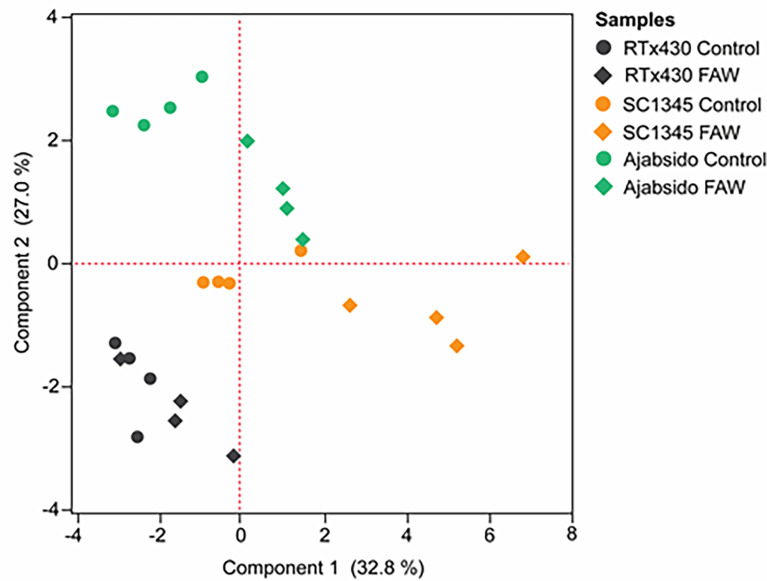
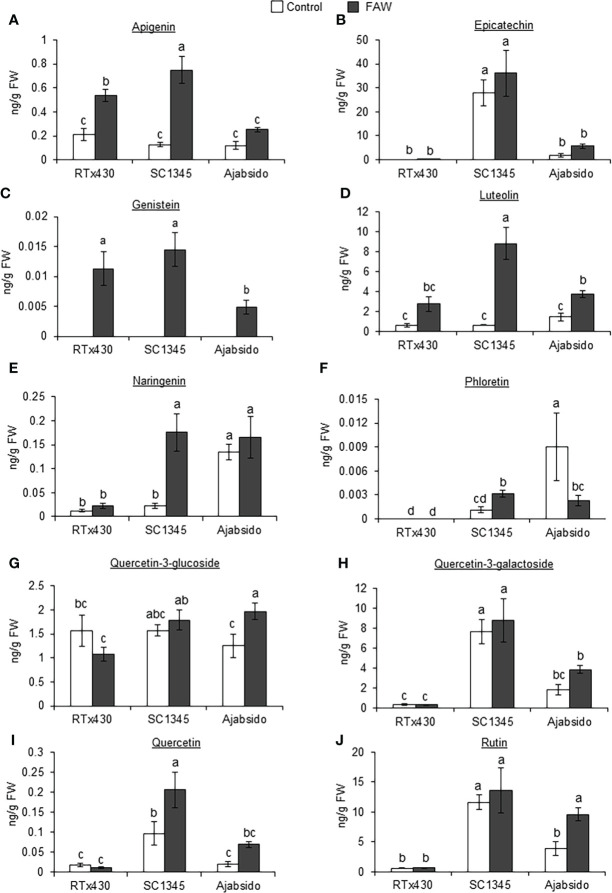
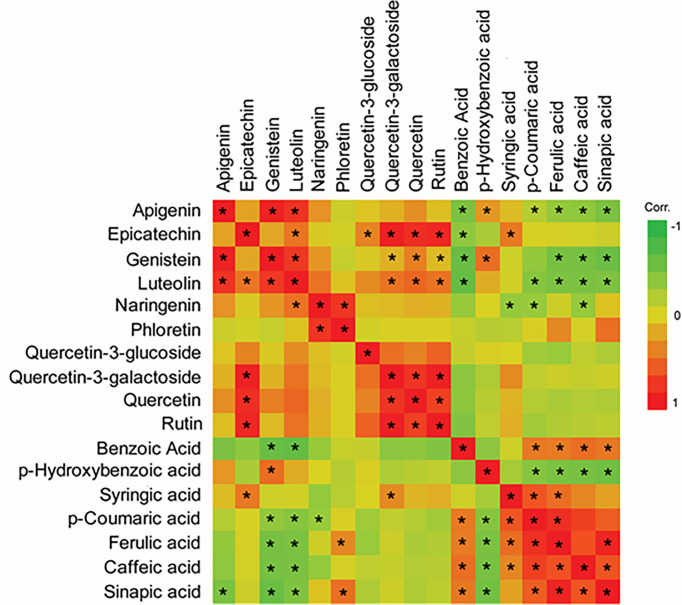
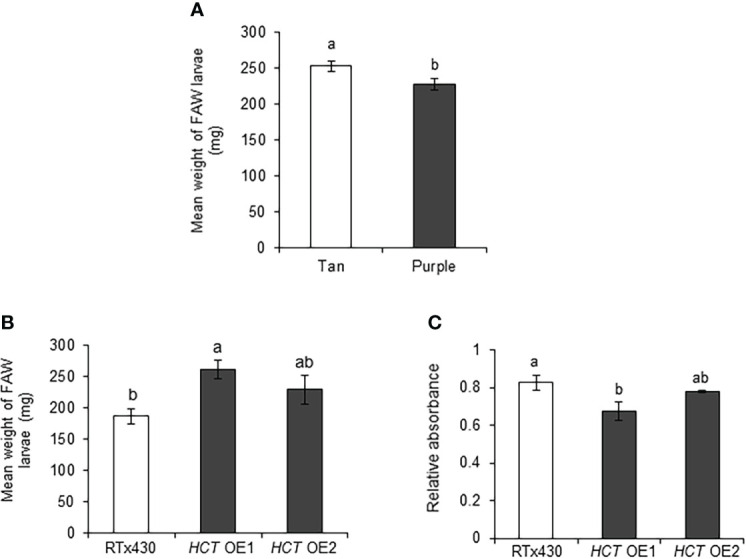
Plants undergo dynamic metabolic changes at the cellular level upon insect infestation to better defend themselves. Phenylpropanoids, a hub of secondary plant metabolites, encompass a wide range of compounds that can contribute to insect resistance. Here, the role of sorghum () phenylpropanoids in providing defense against the chewing herbivore, fall armyworm (FAW), , was explored. We screened a panel of nested association mapping (NAM) founder lines against FAW and identified SC1345 and Ajabsido as most resistant and susceptible lines to FAW, respectively, compared to reference parent, RTx430. Gene expression and metabolomic studies suggested that FAW feeding suppressed the expression level of genes involved in monolignol biosynthetic pathway and their associated phenolic intermediates at 10 days post infestation. Further, SC1345 genotype displayed elevated levels of flavonoid compounds after FAW feeding for 10 days, suggesting a diversion of precursors from lignin biosynthesis to the flavonoid pathway. Additionally, bioassays with sorghum lines having altered levels of flavonoids provided genetic evidence that flavonoids are crucial in providing resistance against FAW. Finally, the application of FAW regurgitant elevated the expression of genes associated with the flavonoid pathway in the FAW-resistant SC1345 genotype. Overall, our study indicates that a dynamic regulation of the phenylpropanoid pathway in sorghum plants imparts resistance against FAW.
植物在遭受昆虫侵害时,会在细胞水平上经历动态的代谢变化,以更好地保护自身。苯丙烷类化合物是植物次生代谢产物的一个枢纽,包含多种有助于抗虫的化合物。在此,我们探究了高粱苯丙烷类化合物在抵御咀嚼式食草动物草地贪夜蛾方面的作用。我们针对草地贪夜蛾对一组巢式关联作图(NAM)的奠基系进行了筛选,与参考亲本RTx430相比,分别鉴定出SC1345和阿贾西多是对草地贪夜蛾最具抗性和最敏感的品系。基因表达和代谢组学研究表明,在侵染后10天,草地贪夜蛾取食会抑制参与单木质醇生物合成途径的基因及其相关酚类中间体的表达水平。此外,在草地贪夜蛾取食10天后,SC1345基因型的类黄酮化合物水平升高,这表明前体物质从木质素生物合成转向了类黄酮途径。此外,对类黄酮水平发生改变的高粱品系进行的生物测定提供了遗传学证据,表明类黄酮在提供对草地贪夜蛾的抗性方面至关重要。最后,草地贪夜蛾反吐物的施用提高了抗草地贪夜蛾的SC1345基因型中与类黄酮途径相关基因的表达。总体而言,我们的研究表明高粱植株中苯丙烷类途径的动态调控赋予了对草地贪夜蛾的抗性。