Lema Asamene Kelelom, Anbesu Etsay Woldu
Department of Computer Science, College of Engineering and Technology, Samara University, Samara, Ethiopia.
Department of Public Health, College of Medical and Health Sciences, Samara University, Samara, Ethiopia.
SAGE Open Med. 2022 Dec 9;10:20503121221142402. doi: 10.1177/20503121221142402. eCollection 2022.
Computer vision syndromes are becoming a major public health concern. Inconsistent findings existed on computer vision syndrome. This systematic review and meta-analysis aimed to estimate the pooled prevalence of computer vision syndrome and identify its determinants.
In this study, the review was developed using the Preferred Reporting Items for Systematic Reviews and Meta-Analyses guidelines. Online electronic databases, including PubMed/Medline, CINAHL, and Google Scholar, were used to retrieve studies from 1 December to 9 April 2022. Quality assessment of the studies was performed using the JBI-MAStARI. RevMan and STATA 14 software were used for statistical analysis.
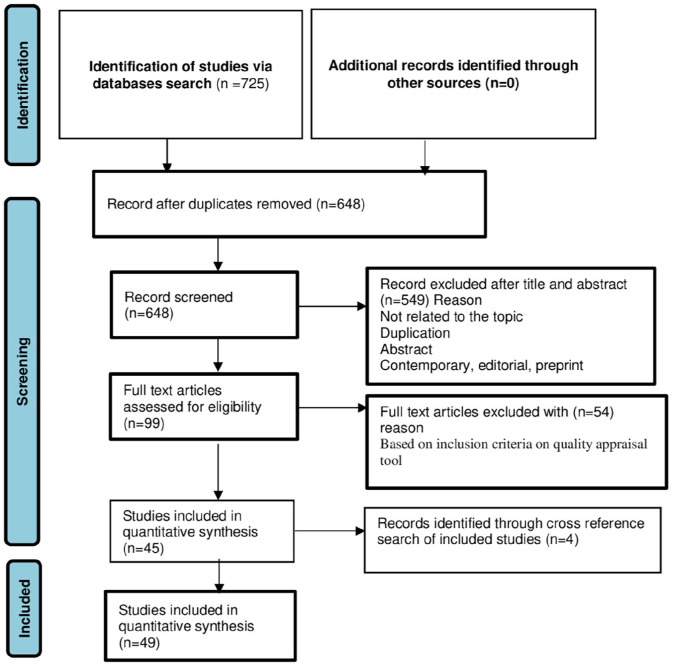
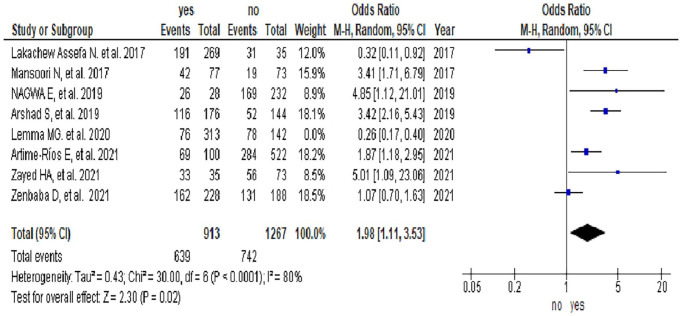
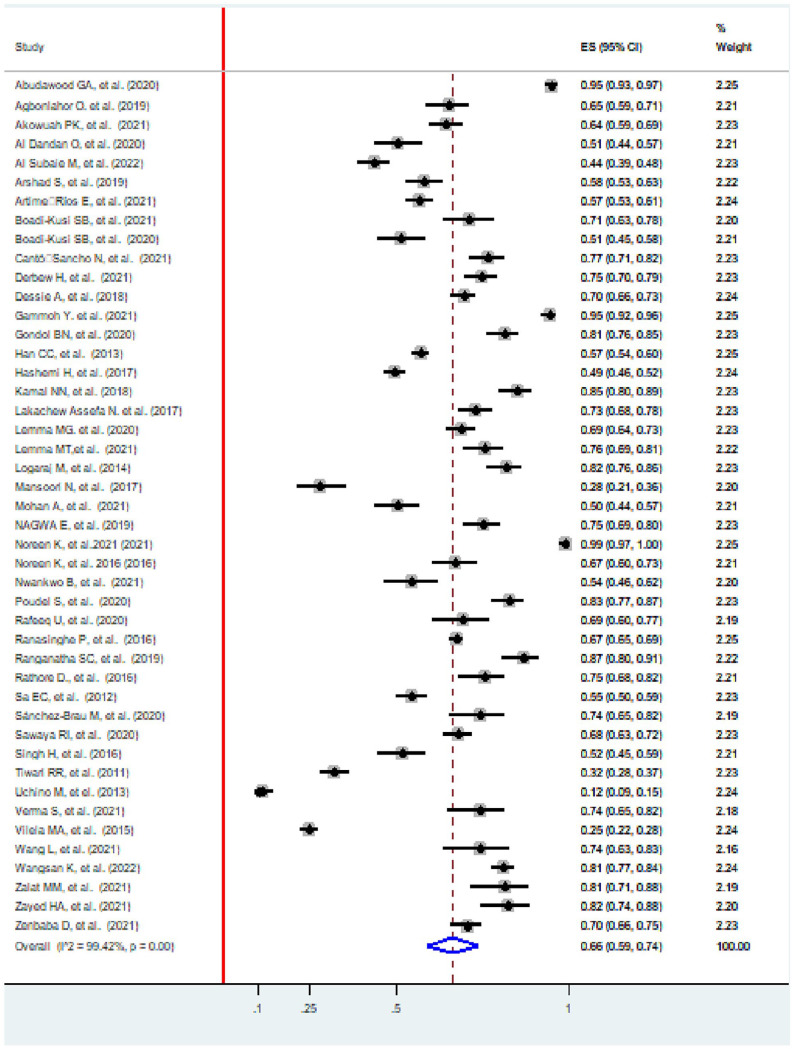
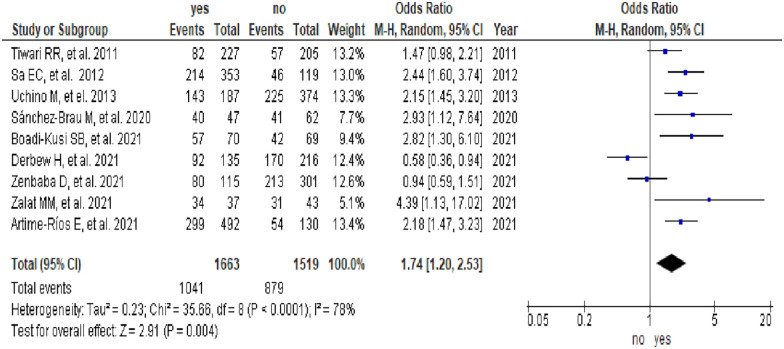
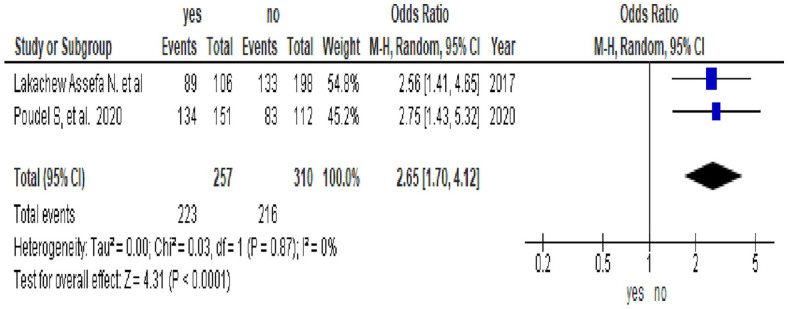
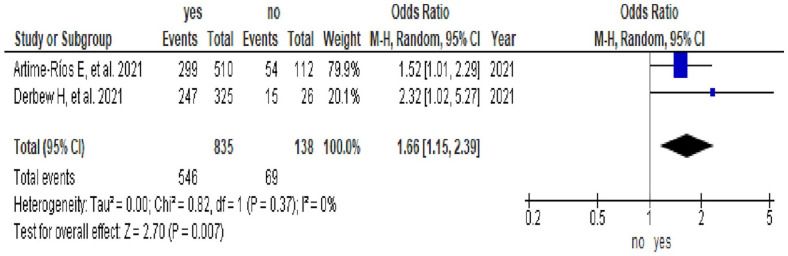
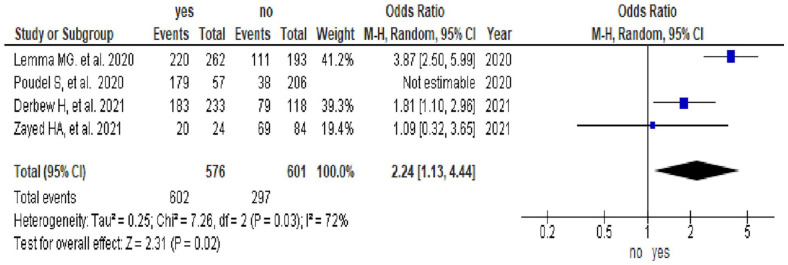
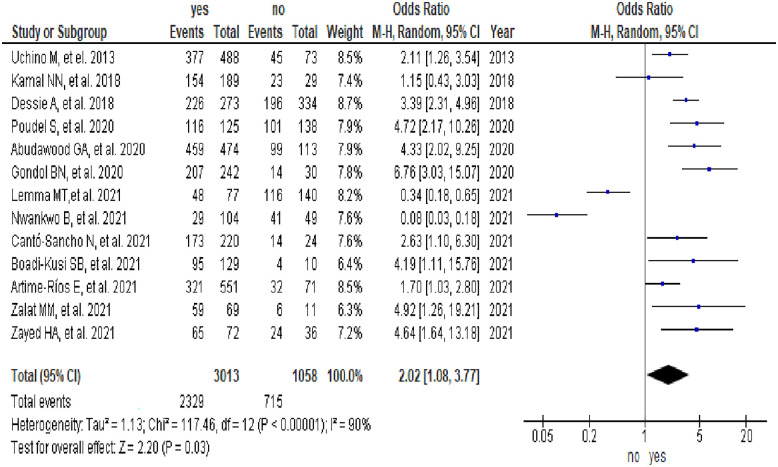
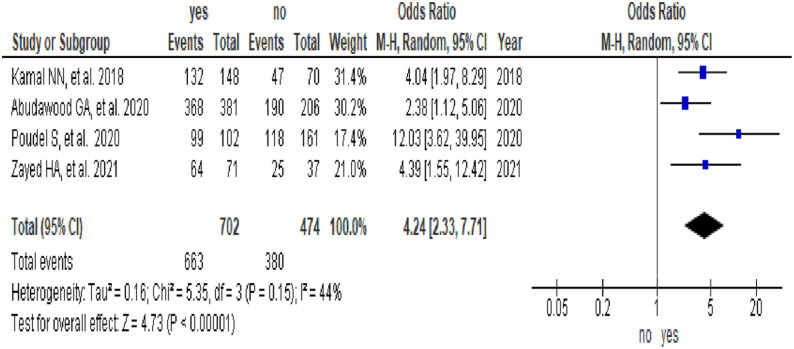
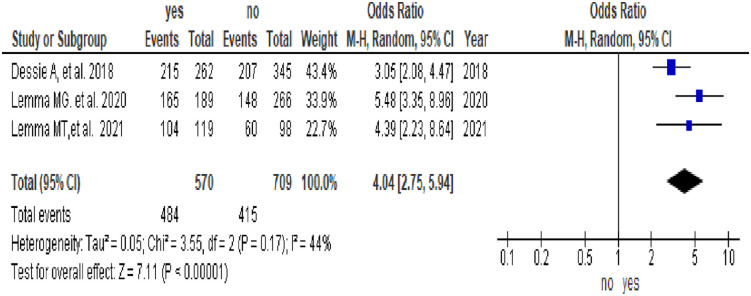
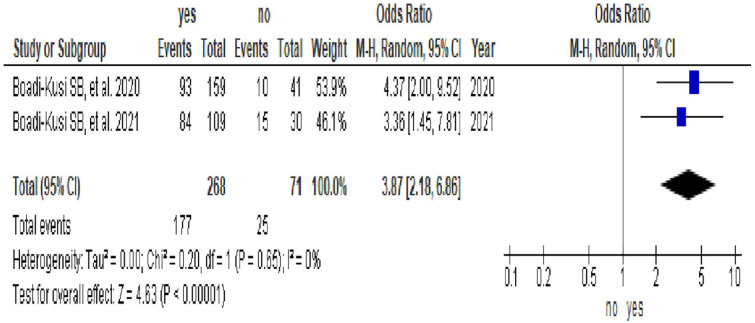
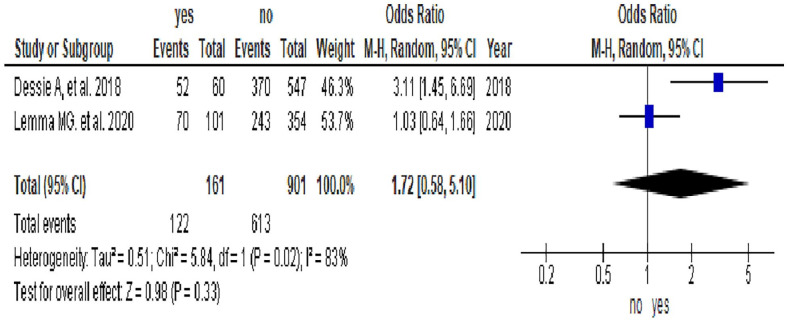
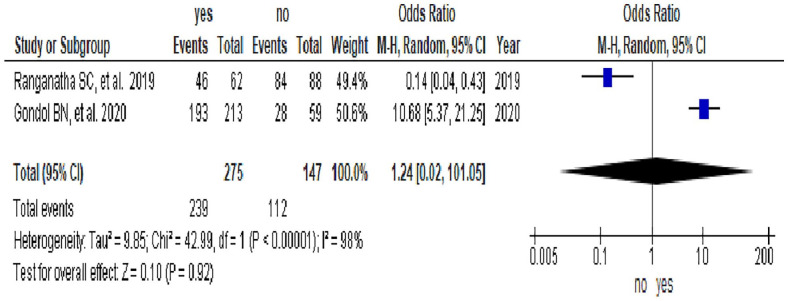
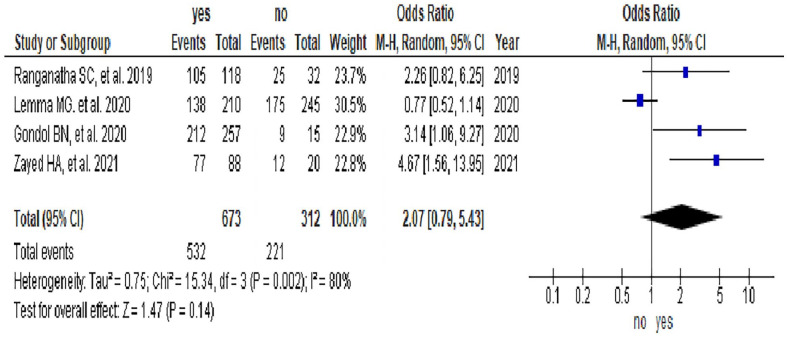
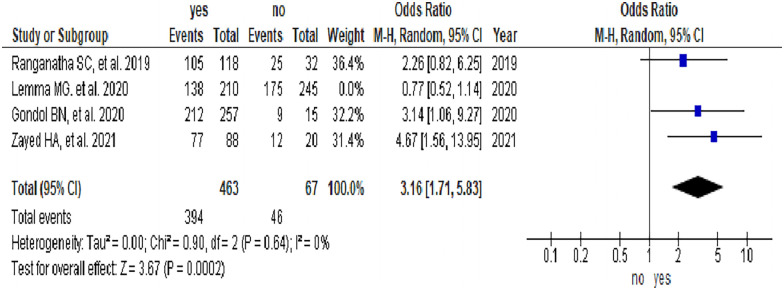
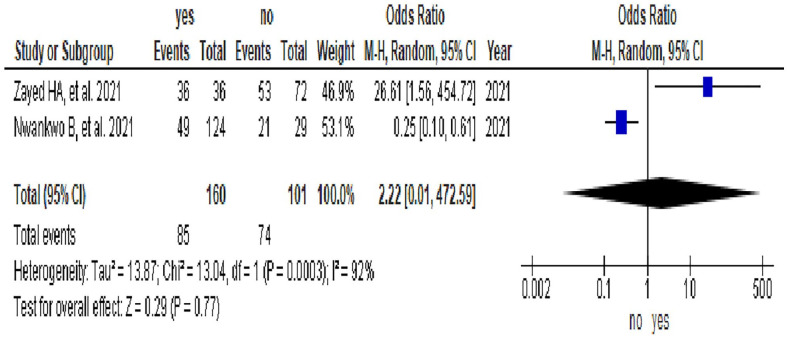
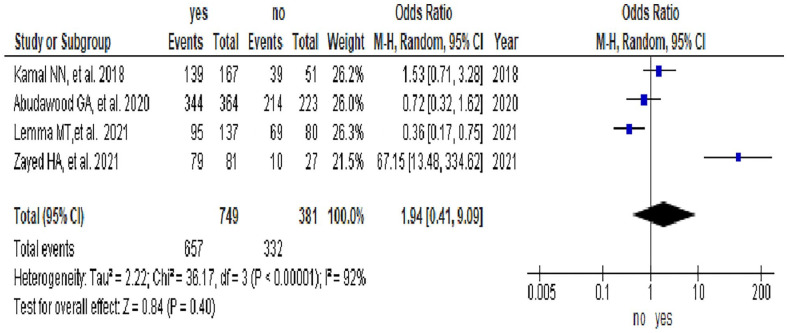
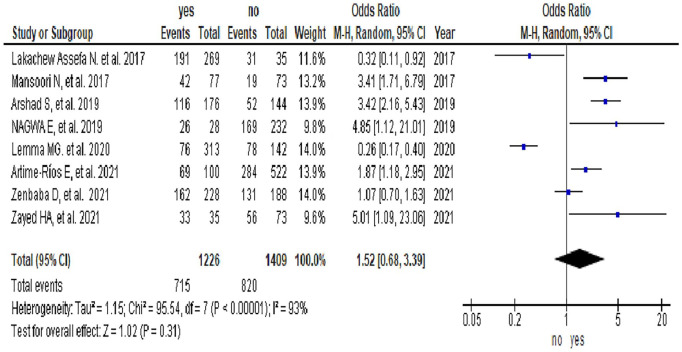
A total of 725 studies were retrieved, and 49 studies were included. The pooled prevalence of computer vision syndrome was 66% (95%, Confidence interval: 59, 74). Being female (Odd Ratio = 1.74, 95% Confidence interval [1.2, 2.53]), improper body posturing while using electronic devices (Odd Ratio = 2.65, 95% Confidence interval [1.7, 4.12]), use of electronic devices out of work (Odd Ratio = 1.66, 95% CI [1.15, 2.39]), no habit of taking breaks (Odd Ratio = 2.24, 95% Confidence interval [1.13, 4.44]), long duration of visual display terminal use (Odd Ratio = 2.02, 95% Confidence interval [1.08, 3.77]), short distance screen (Odd Ratio = 4.24, 95% Confidence interval [2.33, 7.71]), and general ergonomic practice (Odd Ratio = 3.87, 95% Confidence interval [2.18, 6.86]) were associated with increased odds of computer vision syndrome. However, good knowledge (Odd Ratio = 4.04, 95% Confidence interval [2.75, 5.94]) of computer vision syndrome was associated with decreased odds of computer vision syndrome.
Nearly two in three participants had computer vision syndrome. Being female, improper body posturing, use of electronics devices out of work, no habit of taking a break, long-hour duration of visual display terminal use, short-distance screen, and general ergonomic practice were associated with increased odds of computer vision syndrome.
计算机视觉综合征正成为一个主要的公共卫生问题。关于计算机视觉综合征的研究结果并不一致。本系统评价和荟萃分析旨在估计计算机视觉综合征的合并患病率,并确定其决定因素。
在本研究中,按照系统评价和荟萃分析的首选报告项目指南开展综述。使用在线电子数据库,包括PubMed/Medline、CINAHL和谷歌学术搜索,检索2022年12月1日至4月9日的研究。使用JBI-MAStARI对研究进行质量评估。使用RevMan和STATA 14软件进行统计分析。
共检索到725项研究,纳入49项研究。计算机视觉综合征的合并患病率为66%(95%,置信区间:59,74)。女性(比值比=1.74,95%置信区间[1.2,2.53])、使用电子设备时身体姿势不当(比值比=2.65,95%置信区间[1.7,4.12])、工作之余使用电子设备(比值比=1.66,95%CI[1.15,2.39])、没有休息习惯(比值比=2.24,95%置信区间[1.13,4.44])、视觉显示终端使用时间长(比值比=2.02,95%置信区间[1.08,3.77])、屏幕距离短(比值比=4.24,95%置信区间[2.33,7.71])以及一般人体工程学实践(比值比=3.87,95%置信区间[2.18,6.86])与计算机视觉综合征发生几率增加相关。然而,对计算机视觉综合征有充分了解(比值比=4.04,95%置信区间[2.75,5.94])与计算机视觉综合征发生几率降低相关。
近三分之二的参与者患有计算机视觉综合征。女性、身体姿势不当、工作之余使用电子设备、没有休息习惯、视觉显示终端使用时间长以及一般人体工程学实践与计算机视觉综合征发生几率增加相关。