Johns Hopkins Bloomberg School of Public Health, Baltimore, MD, USA.
Biomedical Research and Training Institute, Harare, Zimbabwe.
BMC Infect Dis. 2022 Dec 15;22(1):942. doi: 10.1186/s12879-022-07903-4.
Human mobility is a driver for the reemergence or resurgence of malaria and has been identified as a source of cross-border transmission. However, movement patterns are difficult to measure in rural areas where malaria risk is high. In countries with malaria elimination goals, it is essential to determine the role of mobility on malaria transmission to implement appropriate interventions.
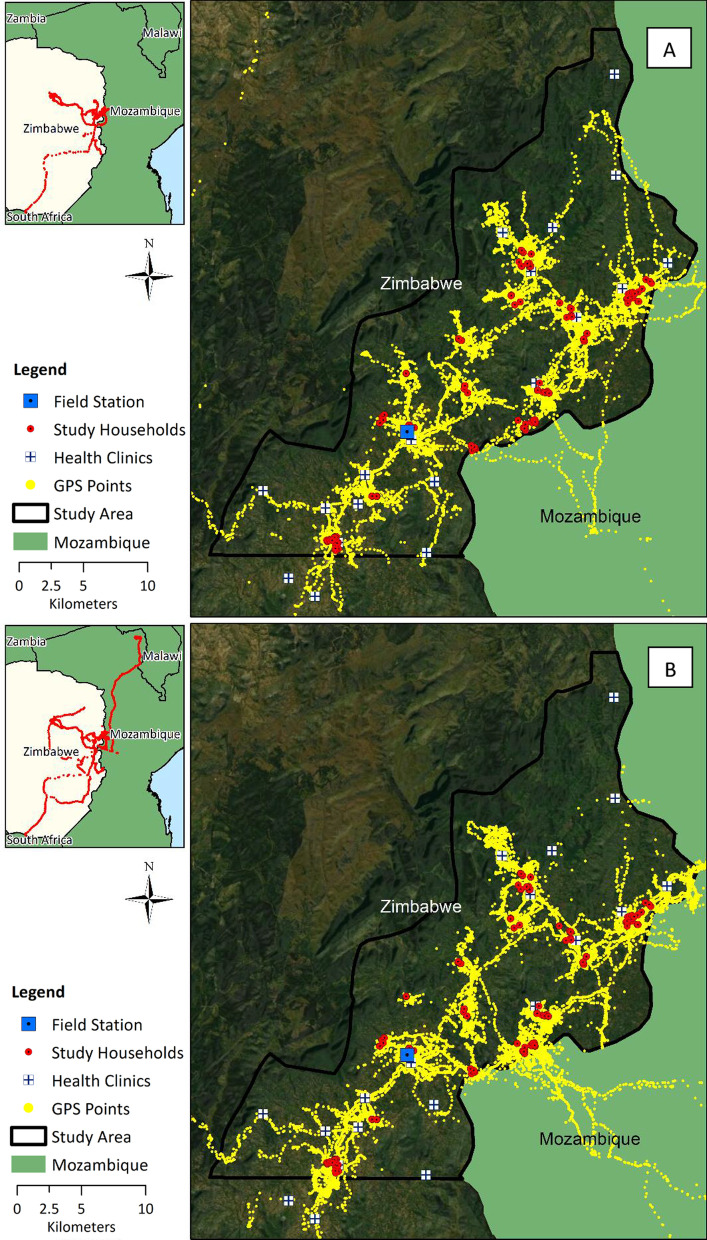
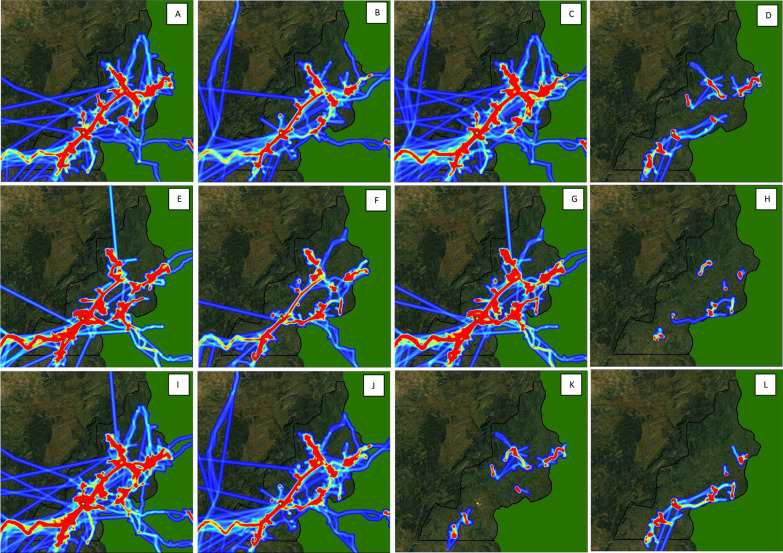
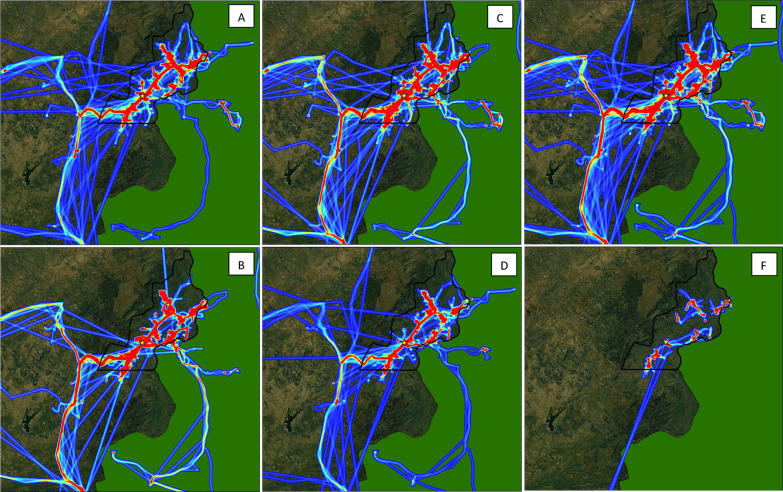
A study was conducted in Mutasa District, Zimbabwe, to investigate human movement patterns in an area of persistent transmission along the Mozambique border. Over 1 year, a convenience sample of 20 participants/month was recruited from active malaria surveillance cohorts to carry an IgotU GT-600 global positioning system (GPS) data logger during all daily activities. Consenting participants were tested for malaria at data logger distribution using rapid antigen diagnostic tests and completed a survey questionnaire. GPS data were analyzed using a trajectory analysis tool, and participant movement patterns were characterized throughout the study area and across the border into Mozambique using movement intensity maps, activity space plots, and statistical analyses.
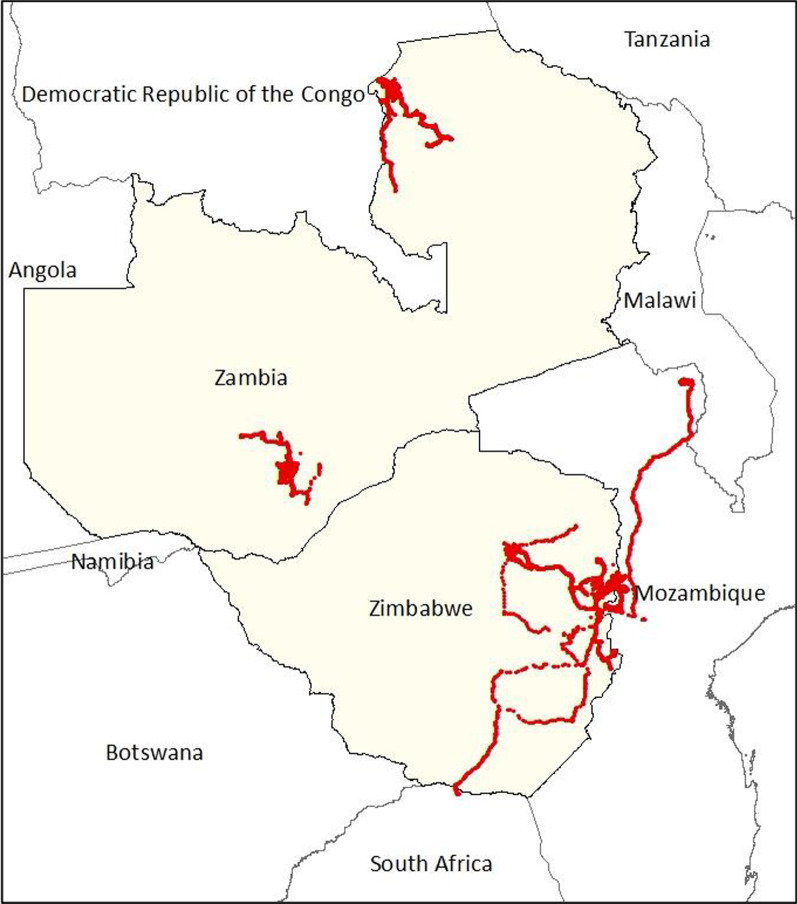
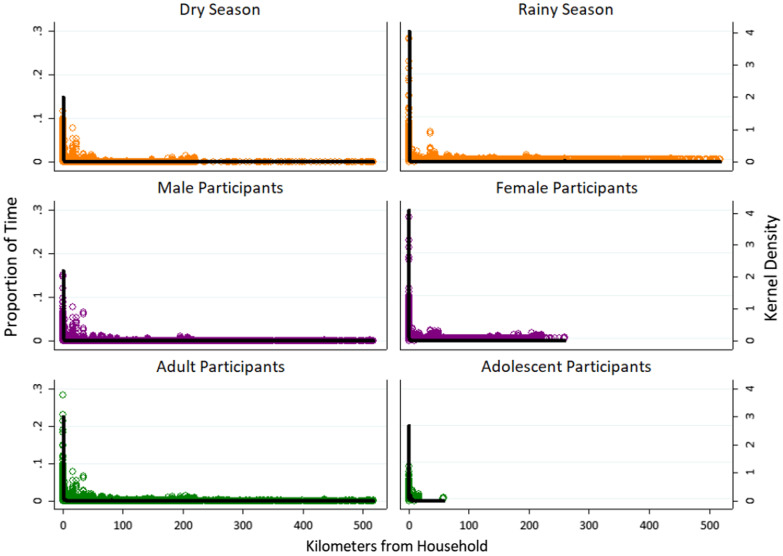
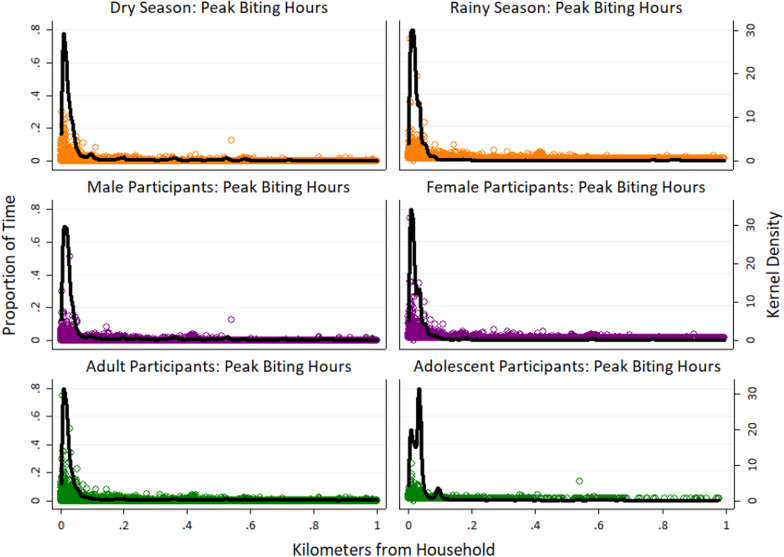
From June 2016-May 2017, 184 participants provided movement tracks encompassing > 350,000 data points and nearly 8000 person-days. Malaria prevalence at logger distribution was 3.7%. Participants traveled a median of 2.8 km/day and spent a median of 4.6 h/day away from home. Movement was widespread within and outside the study area, with participants traveling up to 500 km from their homes. Indices of mobility were higher in the dry season than the rainy season (median km traveled/day = 3.5 vs. 2.2, P = 0.03), among male compared to female participants (median km traveled/day = 3.8 vs. 2.0, P = 0.0008), and among adults compared to adolescents (median total km traveled = 104.6 vs. 59.5, P = 0.05). Half of participants traveled outside the study area, and 30% traveled into Mozambique, including 15 who stayed in Mozambique overnight.
Study participants in Mutasa District, Zimbabwe, were highly mobile throughout the year. Many participants traveled long distances from home, including overnight trips into Mozambique, with clear implications for malaria control. Interventions targeted at mobile populations and cross-border transmission may be effective in preventing malaria introductions in this region.
人类流动是疟疾重新出现或再现的驱动因素,已被确定为跨境传播的源头。然而,在疟疾风险较高的农村地区,很难衡量流动模式。在有消除疟疾目标的国家,必须确定流动对疟疾传播的作用,以实施适当的干预措施。
在津巴布韦穆塔萨区进行了一项研究,以调查莫桑比克边境沿线持续传播地区的人类流动模式。在一年多的时间里,从活跃的疟疾监测队列中每月招募 20 名方便样本参与者,在所有日常活动中携带 IgotU GT-600 全球定位系统 (GPS) 数据记录器。在数据记录器分发时,同意参与的参与者使用快速抗原诊断测试进行疟疾检测,并完成调查问卷。使用轨迹分析工具分析 GPS 数据,并使用移动强度图、活动空间图和统计分析在整个研究区域和莫桑比克边境描述参与者的移动模式。
2016 年 6 月至 2017 年 5 月,184 名参与者提供了包含超过 350,000 个数据点和近 8000 人日的运动轨迹。日志分配时的疟疾患病率为 3.7%。参与者平均每天行驶 2.8 公里,每天离家平均 4.6 小时。运动范围广泛,不仅在研究区域内,而且在研究区域外,参与者最远可行驶 500 公里。旱季的流动性指数高于雨季(中位数每天行驶公里数为 3.5 比 2.2,P=0.03),男性比女性参与者(中位数每天行驶公里数为 3.8 比 2.0,P=0.0008),成年人比青少年(中位数总行驶公里数为 104.6 比 59.5,P=0.05)。一半的参与者在研究区域外旅行,30%的参与者进入莫桑比克,其中 15 人在莫桑比克过夜。
津巴布韦穆塔萨区的研究参与者全年都非常活跃。许多参与者离家很远,包括过夜前往莫桑比克,这对疟疾控制有明显影响。针对流动人口和跨境传播的干预措施可能在该地区预防疟疾的引入方面有效。