Division of Translational Oncology, Department of Radiation Oncology, Memorial Sloan Kettering Cancer Center, New York, NY, USA.
Department of Radiation Oncology, Mary Bird Perkins Cancer Center, Baton Rouge, LA, USA.
J Exp Med. 2023 Mar 6;220(3). doi: 10.1084/jem.20220809. Epub 2022 Dec 19.
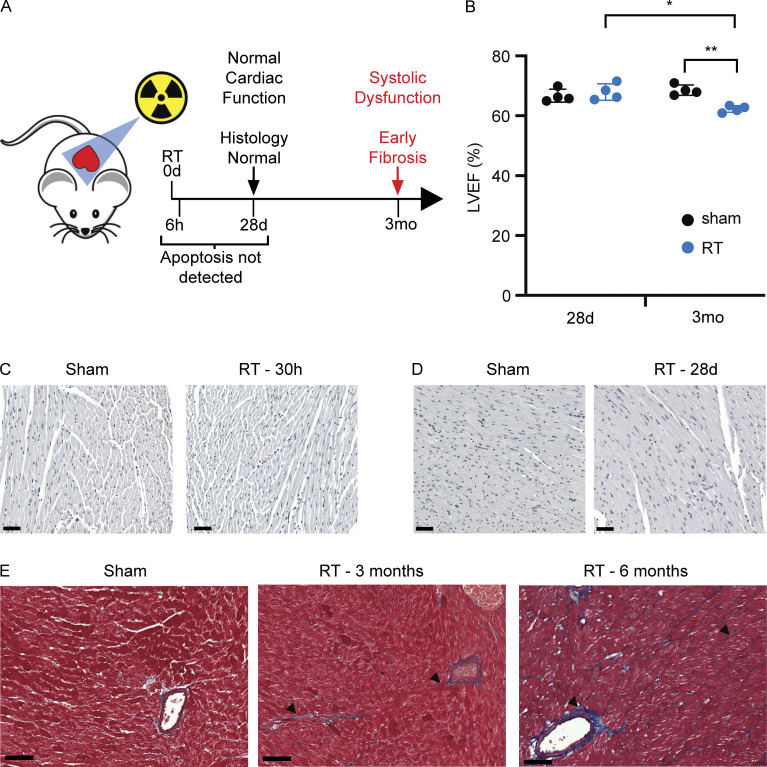
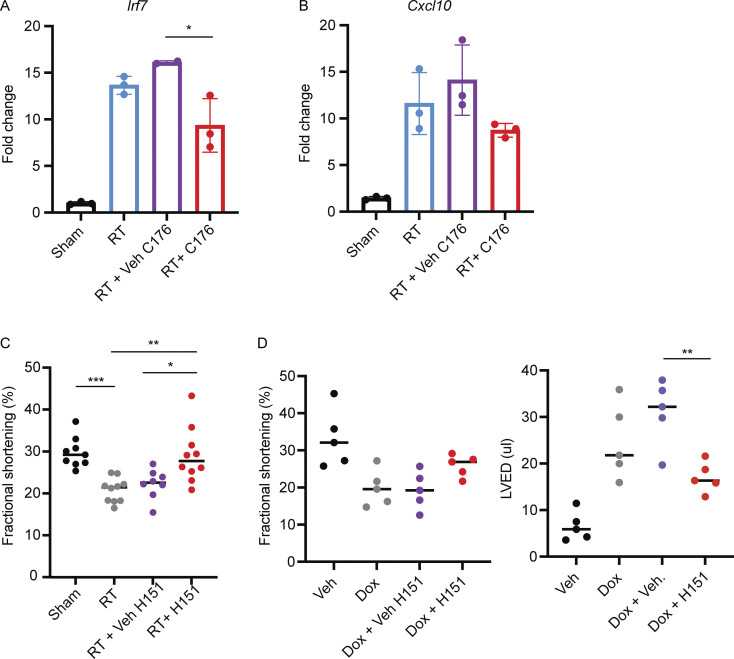
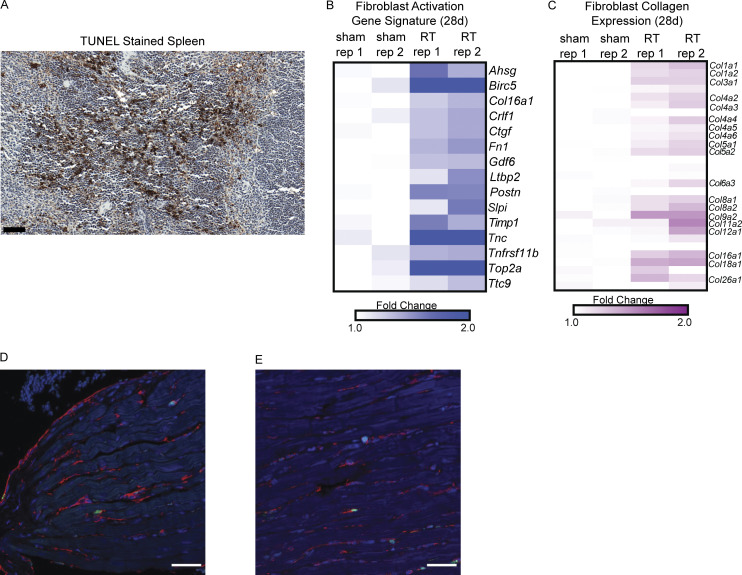
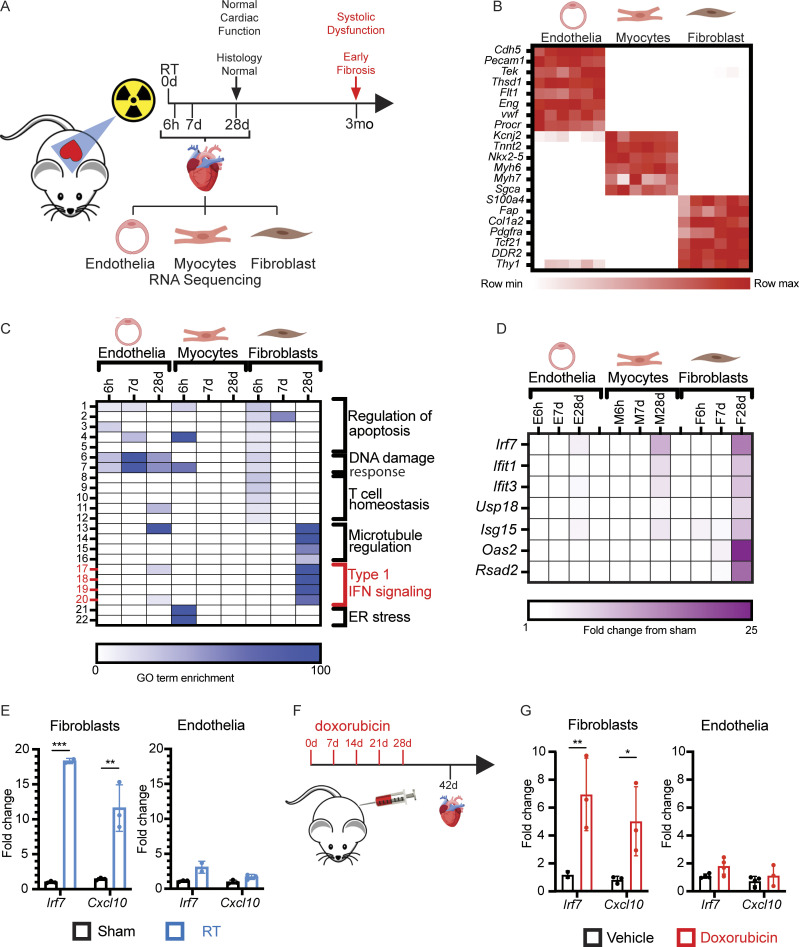
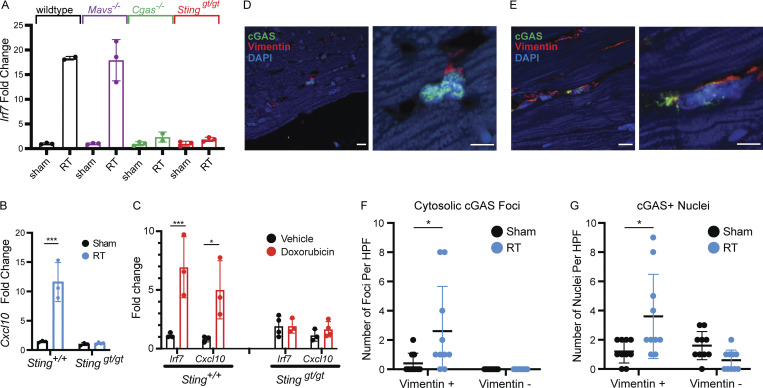
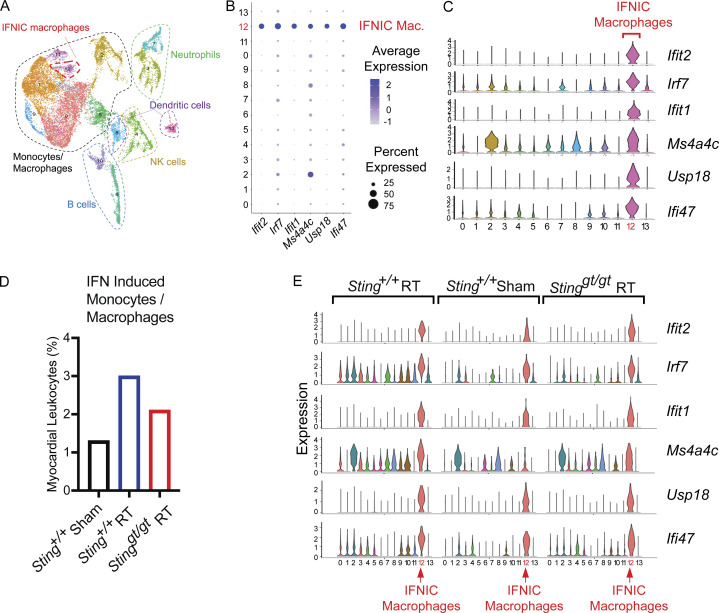
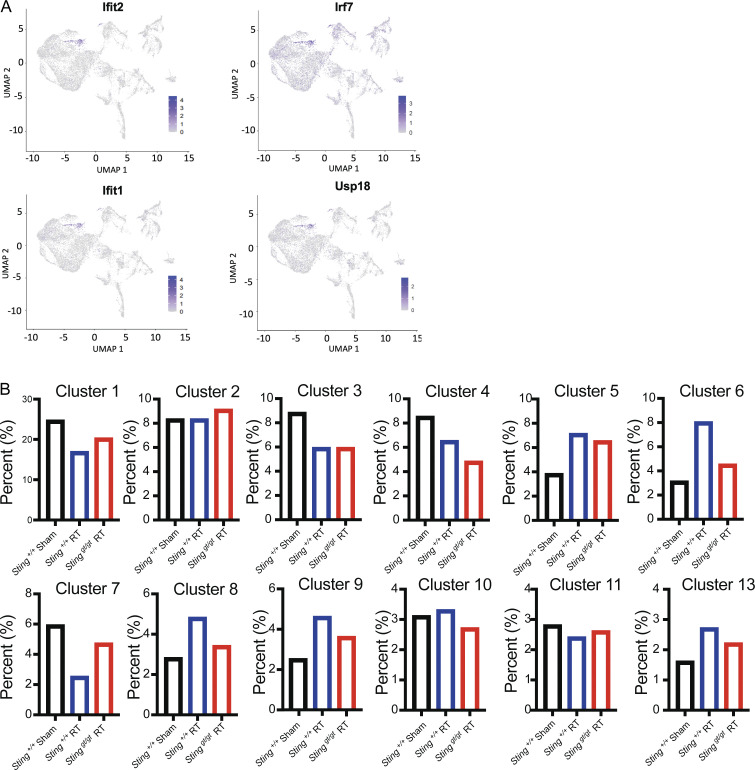
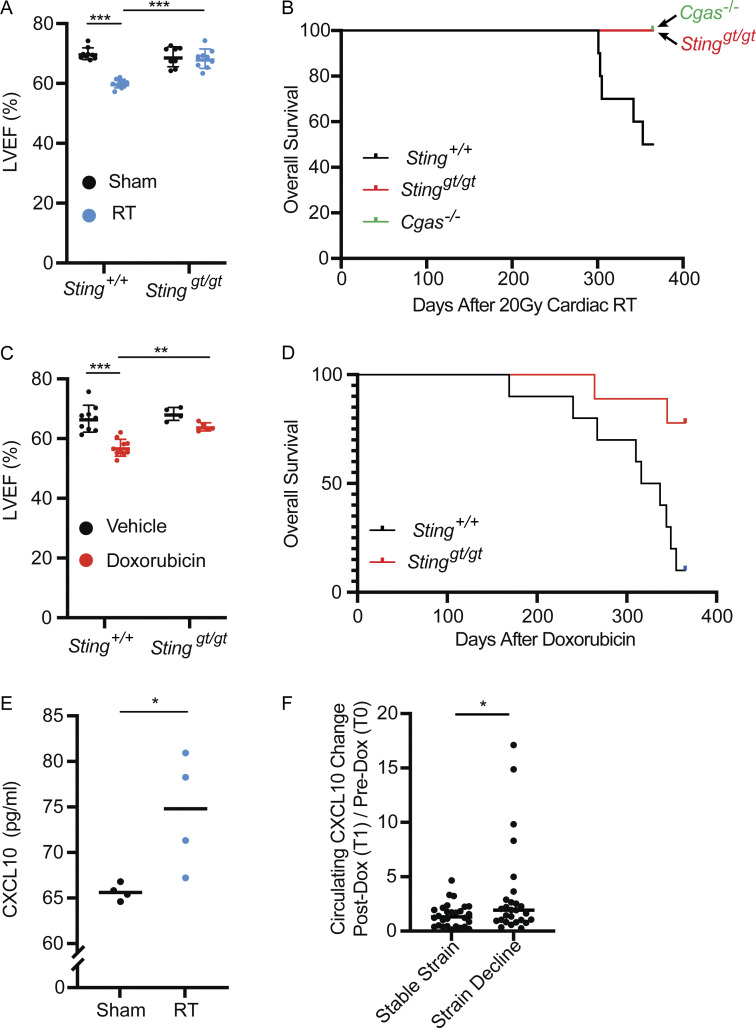
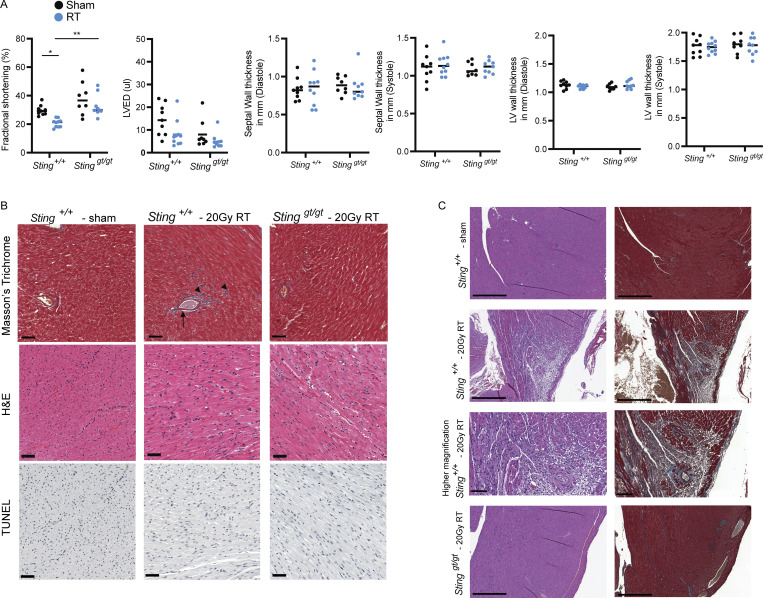
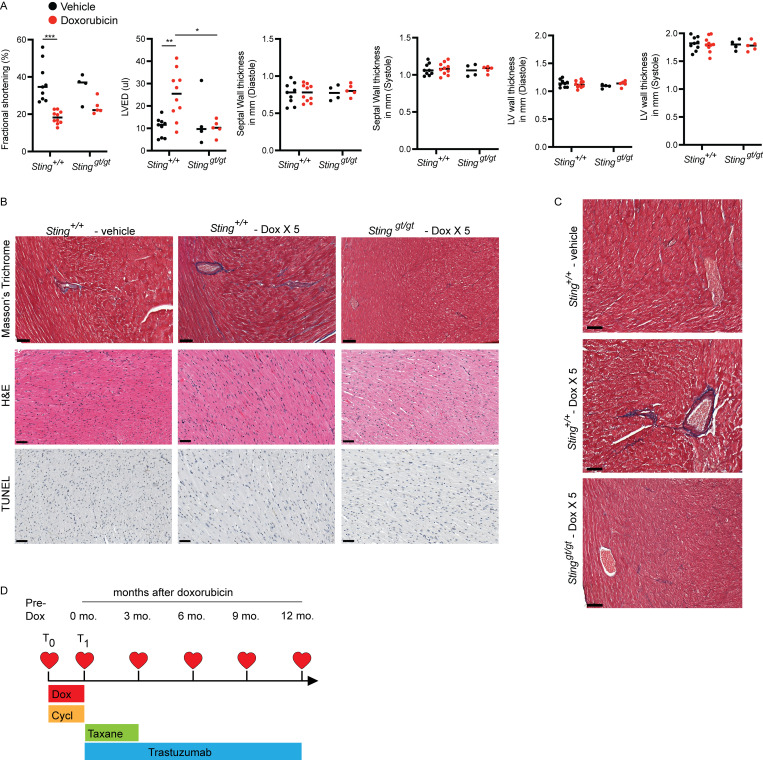
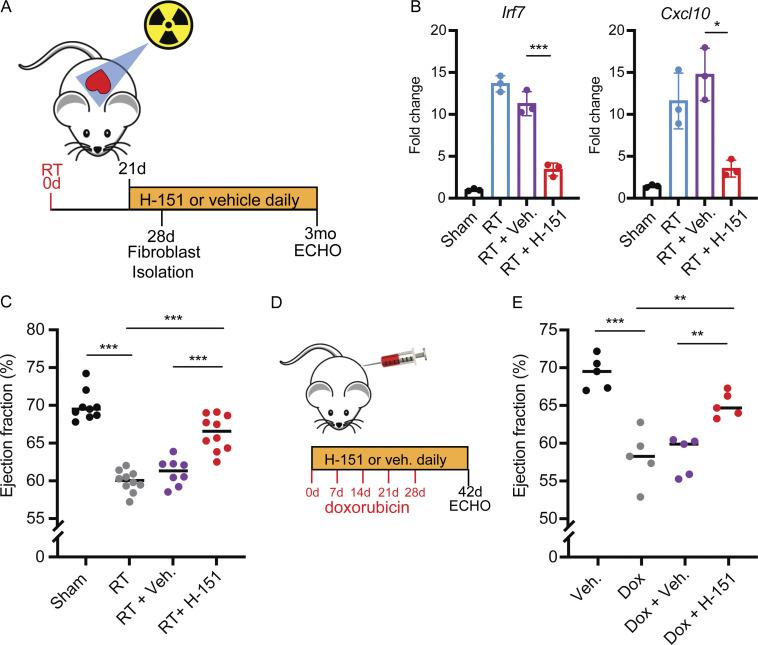
Late cardiac toxicity is a potentially lethal complication of cancer therapy, yet the pathogenic mechanism remains largely unknown, and few treatment options exist. Here we report DNA-damaging agents such as radiation and anthracycline chemotherapies inducing delayed cardiac inflammation following therapy due to activation of cGAS- and STING-dependent type I interferon signaling. Genetic ablation of cGAS-STING signaling in mice inhibits DNA damage-induced cardiac inflammation, rescues late cardiac functional decline, and prevents death from cardiac events. Treatment with a STING antagonist suppresses cardiac interferon signaling following DNA-damaging therapies and effectively mitigates cardiac toxicity. These results identify a therapeutically targetable, pathogenic mechanism for one of the most vexing treatment-related toxicities in cancer survivors.
晚期心脏毒性是癌症治疗的一种潜在致命并发症,但发病机制在很大程度上尚不清楚,并且治疗选择很少。在这里,我们报告了 DNA 损伤剂,如辐射和蒽环类化疗药物,由于 cGAS- 和 STING 依赖性 I 型干扰素信号的激活,在治疗后会导致延迟性心脏炎症。在小鼠中敲除 cGAS-STING 信号会抑制 DNA 损伤诱导的心脏炎症,挽救晚期心脏功能下降,并防止因心脏事件而死亡。用 STING 拮抗剂治疗可抑制 DNA 损伤治疗后的心脏干扰素信号,并有效减轻心脏毒性。这些结果确定了一种可治疗的、有潜在致病性的机制,用于治疗癌症幸存者的一种最令人烦恼的治疗相关毒性。